
 EN
EN



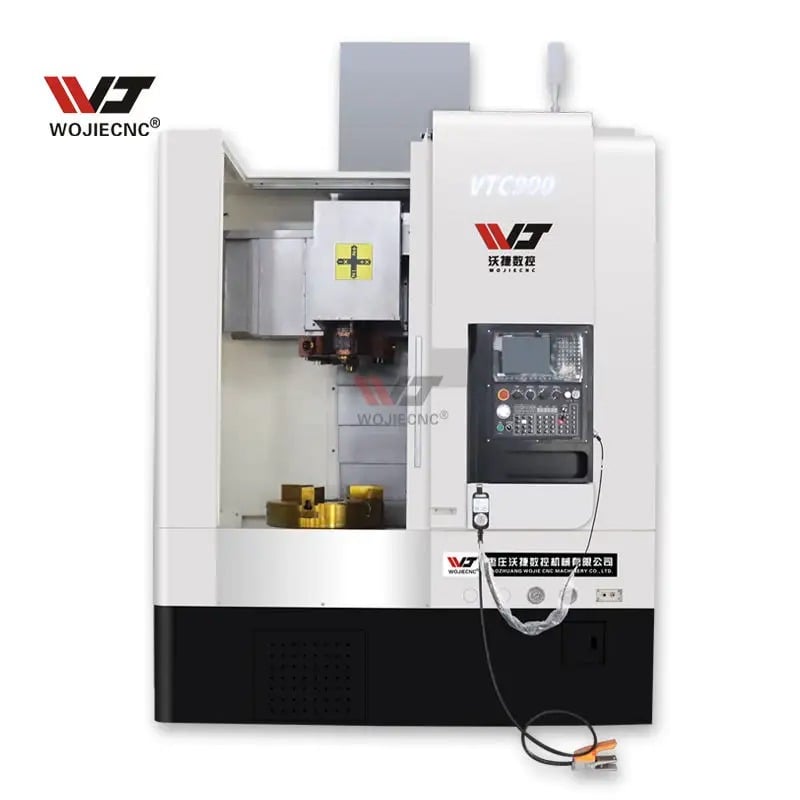
A CNC vertical lathe represents one of the most critical investments in heavy manufacturing and precision engineering operations. When machining large-diameter components, the stability of a CNC vertical lathe becomes absolutely paramount to ensuring quality, accuracy, and safety throughout the cutting process. The challenge of maintaining rigidity while handling massive workpieces requires sophisticated engineering design and advanced mechanical features that work together seamlessly to prevent vibration, deflection, and thermal distortion.
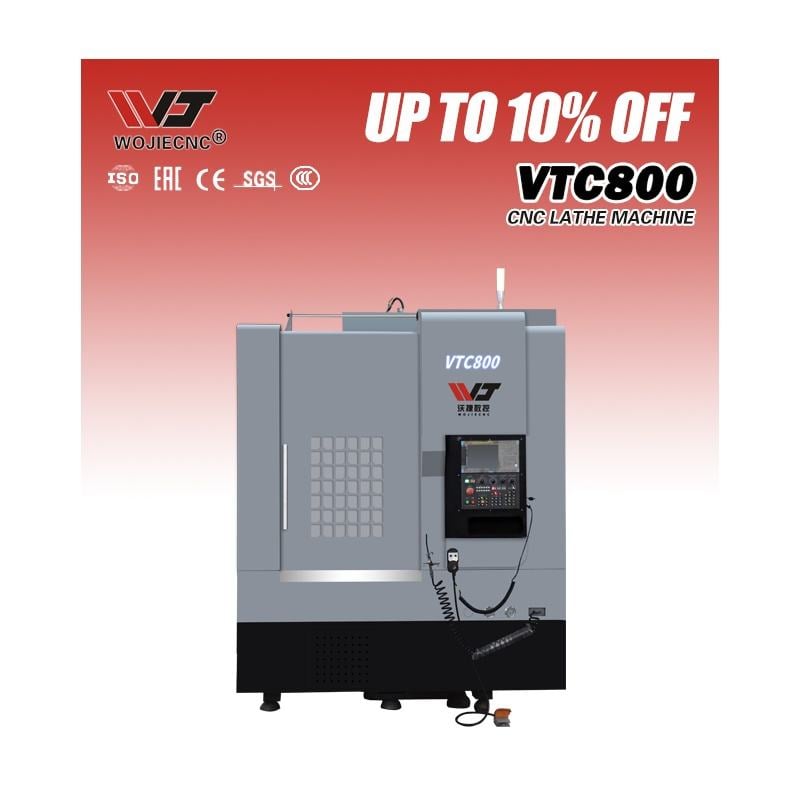
Understanding how a CNC vertical lathe achieves stability during large-diameter cutting reveals the intricate interplay between machine design, spindle technology, workholding systems, and cutting parameters. Manufacturers and machine shops must grasp these stability mechanisms because inadequate rigidity leads to poor surface finish, dimensional inaccuracy, tool breakage, and extended cycle times that directly impact profitability. This comprehensive guide explores the engineering principles and design features that enable a CNC vertical lathe to deliver precision and reliability even under the most demanding large-diameter cutting conditions.
Structural Design and Foundation Engineering for CNC Vertical Lathe Rigidity
Heavy-Duty Base and Column Construction
The foundation of any high-performance CNC vertical lathe begins with robust structural engineering. The base of a CNC vertical lathe must be designed as a massive, reinforced casting that distributes cutting forces evenly and resists deflection. Modern CNC vertical lathe systems employ multiple ribbing patterns inside the casting to increase stiffness without adding excessive weight, allowing the machine to absorb shock loads and vibration inherent to large-diameter cutting operations. The column of a CNC vertical lathe serves as the primary load path for spindle forces, tool pressure, and workpiece weight, requiring cast iron or fabricated steel construction with exceptional mechanical damping properties.
A CNC vertical lathe designed for large-diameter cutting typically features a towering column that extends high above the table surface, positioned to minimize overhang and deflection during tool engagement. Engineers calculate the column height, diameter, and wall thickness based on maximum cutting forces, thermal expansion requirements, and dynamic loading patterns. The base footprint of a CNC vertical lathe must also be sufficiently large to lower the center of gravity and maximize stability when external cutting forces act on the rotating workpiece. Proper leveling and foundation preparation remain critical because even slight misalignment undermines the inherent rigidity that the CNC vertical lathe design provides.
Spindle Bearing Systems and Thermal Management
The spindle of a CNC vertical lathe represents the mechanical heart of the system, and its bearing design directly influences overall machine stability. High-precision rolling element bearings used in a CNC vertical lathe must accommodate radial and axial loads while maintaining tight tolerances and minimal runout. Most modern CNC vertical lathe systems employ preloaded angular contact bearings arranged in specific configurations to eliminate bearing play and distribute loads across multiple contact points. Thermal stability is equally critical because heat generated during large-diameter cutting operations causes the spindle and surrounding components to expand, potentially degrading the accuracy and stability of the CNC vertical lathe.
Advanced CNC vertical lathe models integrate active cooling systems that circulate temperature-controlled oil or water through spindle passages, maintaining consistent thermal conditions and preserving spindle geometry. The spindle taper and pull-study mechanism used in a CNC vertical lathe must be precisely machined to ensure repeatable tool positioning and minimize runout that could introduce vibration. Bearing preload in a CNC vertical lathe must be carefully balanced because excessive preload increases heat generation and reduces bearing life, while insufficient preload allows play that compromises cutting stability and surface finish quality during large-diameter operations.
Advanced Workholding and Clamping Systems
Chuck and Collet Design for Large-Diameter Workpieces
Secure workholding forms the foundation of stability in any CNC vertical lathe used for large-diameter cutting. A CNC vertical lathe typically employs either a hydraulic power chuck or a large-diameter collet system designed to grip the workpiece with sufficient force to resist cutting pressures while maintaining concentricity and runout within tight tolerances. The clamping jaws of a CNC vertical lathe must distribute pressure evenly across the workpiece surface to prevent slippage and distortion that could introduce vibration or misalignment during the cutting cycle. Modern CNC vertical lathe chucks feature precision-ground jaw surfaces and hardened components that withstand repeated clamping cycles without wear or degradation.
The chuck spindle interface on a CNC vertical lathe must be designed to minimize deflection under clamping pressure and cutting loads. Large-diameter workpieces present unique challenges because their weight increases dramatically with diameter, requiring the CNC vertical lathe chuck to exert greater clamping force and the spindle bearings to support additional load. Hydraulic pressure selection for a CNC vertical lathe chuck must be optimized to provide sufficient grip without causing workpiece deformation or damaging precision surfaces. The runout tolerance of a properly configured CNC vertical lathe chuck system typically remains below 0.005 inches, ensuring that large-diameter workpieces rotate concentrically and deliver consistent cutting conditions throughout the operation.
Workpiece Support and Tailstock Configuration
Many CNC vertical lathe applications benefit from additional support systems that reduce workpiece deflection and enhance overall machine stability. A live center or support bearing mounted in the CNC vertical lathe tailstock can provide radial support for long or thin-walled workpieces, preventing deflection and chatter that would otherwise compromise surface finish and dimensional accuracy. The CNC vertical lathe tailstock must be rigidly mounted to the machine base and precisely aligned with the spindle centerline to ensure effective support without introducing runout or misalignment. Some advanced CNC vertical lathe systems incorporate automatic support adjustment that maintains consistent clearance as the workpiece rotates and cutting forces vary.
Programmable support positioning in a CNC vertical lathe allows operators to optimize support engagement during different cutting phases, reducing support force when it is not needed and increasing support when cutting forces peak. The mechanical interface between the workpiece and support system in a CNC vertical lathe must be designed to minimize deflection while allowing free rotation and easy part loading and unloading. Proper support geometry in a CNC vertical lathe can reduce cutting-induced vibration by 40 percent or more, directly improving surface finish and extending tool life during large-diameter operations.
Cutting Parameter Optimization and Machine Control Strategy
Spindle Speed and Feed Rate Coordination
The stability of a CNC vertical lathe during large-diameter cutting depends critically on selecting appropriate spindle speeds and feed rates that generate manageable cutting forces. Excessive spindle speed on a CNC vertical lathe can induce gyroscopic effects and vibration, particularly when machining large-diameter workpieces that present high inertia and complex force vectors. Modern CNC vertical lathe control systems employ adaptive algorithms that monitor cutting forces in real-time and automatically adjust spindle speed and feed rate to maintain stability and maximize productivity within safe operating parameters. The relationship between cutting speed, feed rate, and depth of cut on a CNC vertical lathe determines the magnitude of cutting forces transmitted to the spindle bearings, chuck, and machine structure.
Advanced CNC vertical lathe operators understand that light, frequent passes often deliver better stability than heavy, infrequent passes when working with large-diameter components. The cutting tool geometry selected for a CNC vertical lathe operation also influences force magnitude and distribution; positive rake angles and optimized tool nose radius reduce cutting pressure and heat generation while improving the stability margin of the CNC vertical lathe system. Coolant type and delivery method significantly affect thermal stability of a CNC vertical lathe by controlling temperature rise and preventing workpiece expansion that would introduce runout and instability.
Real-Time Vibration Monitoring and Adaptive Control
Contemporary CNC vertical lathe systems integrate vibration sensors and control algorithms that detect instability indicators and automatically make corrections to maintain cutting conditions within optimal ranges. A CNC vertical lathe equipped with vibration monitoring can identify tool wear, spindle bearing degradation, or workholding issues before they cause dimensional errors or surface finish deterioration. The feedback control system in a CNC vertical lathe continuously compares actual machine response against preprogrammed stability thresholds and implements corrective actions such as feed rate reduction, spindle speed adjustment, or coolant flow modification to restore optimal cutting stability.
Predictive maintenance capabilities embedded in modern CNC vertical lathe software use vibration signatures to forecast component wear and schedule preventive maintenance before catastrophic failures occur. The CNC vertical lathe control strategy must prioritize machine rigidity by continuously optimizing operational parameters based on real-time feedback from spindle load sensors, temperature probes, and vibration accelerometers positioned throughout the machine structure. This intelligent control approach ensures that the CNC vertical lathe operates consistently within its stability envelope while delivering maximum productivity and precision on large-diameter cutting operations.
FAQ
What specific bearing types are used in CNC vertical lathe spindles?
Most modern CNC vertical lathe spindles employ preloaded angular contact ball bearings, often arranged in tandem or duplex configurations to distribute radial and axial loads efficiently. High-precision ceramic hybrid bearings are increasingly used in premium CNC vertical lathe models because they offer superior speed capability, lower heat generation, and extended service life compared to traditional steel bearings. The specific bearing arrangement in a CNC vertical lathe depends on the machine's power rating, maximum spindle speed, and expected cutting loads during large-diameter operations.
How does cutting fluid selection affect CNC vertical lathe stability?
The choice of cutting fluid significantly influences thermal stability of a CNC vertical lathe by affecting heat dissipation, workpiece temperature, and material properties during the cutting process. Synthetic cutting fluids used in a CNC vertical lathe typically provide superior cooling and lubrication compared to mineral oils, reducing thermal distortion and maintaining dimensional stability throughout large-diameter cutting operations. Flood cooling systems deliver cutting fluid directly to the cutting zone in a CNC vertical lathe, while through-spindle delivery systems position fluid more efficiently at the tool-workpiece interface for maximum thermal control.
Can CNC vertical lathe stability be compromised by machine age?
Yes, an aging CNC vertical lathe experiences progressive loss of structural stiffness due to bearing wear, thermal cycling effects, and accumulated stress in castings that can gradually reduce overall machine stability and cutting precision. Preventive maintenance programs that include bearing replacement, spindle regrinding, and base releveling can restore a CNC vertical lathe to near-original stability characteristics even after years of heavy production use. Regular inspection of the CNC vertical lathe base, column, and spindle assembly allows operators to identify stability degradation early and implement corrective measures before quality issues emerge during large-diameter cutting operations.

