Horizontal Machining Lathe | Precision Turning

Get a Free Quote

Our representative will contact you soon.
Email
Mobile/WhatsApp
Name
Company Name
Message
0/1000

horizontal machining lathe

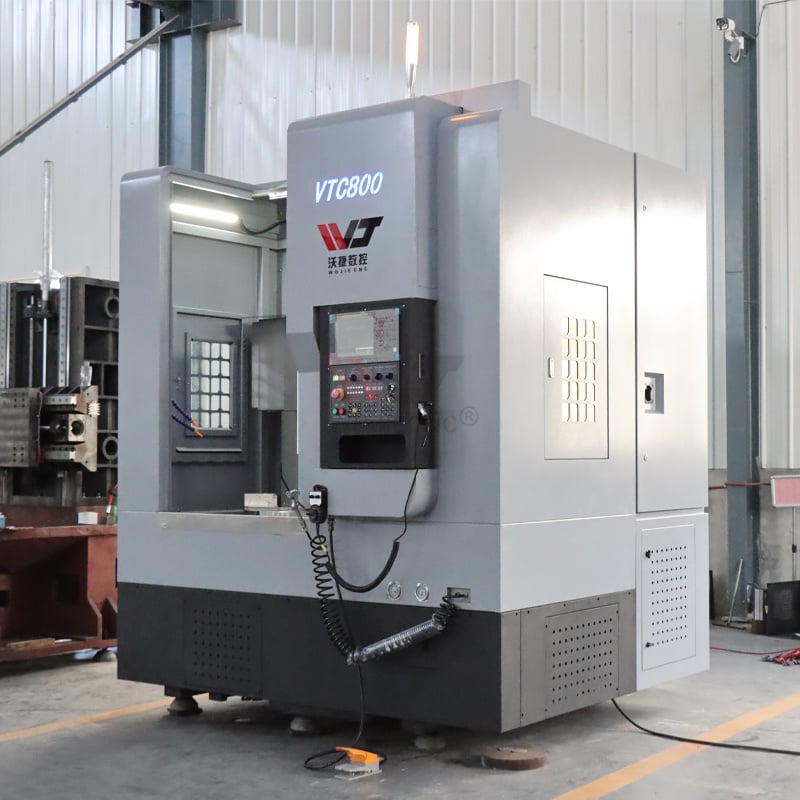
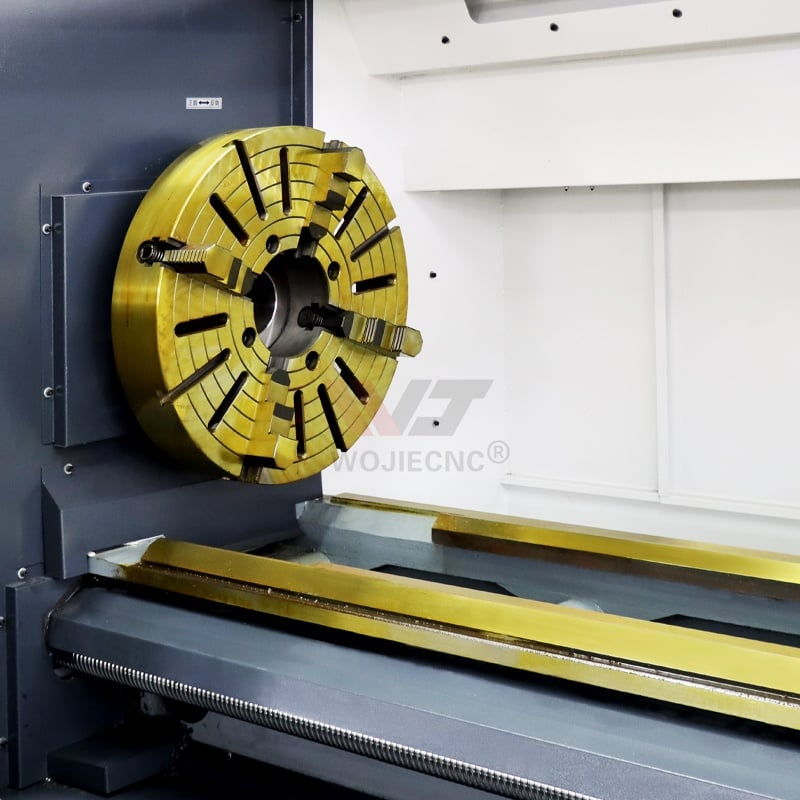
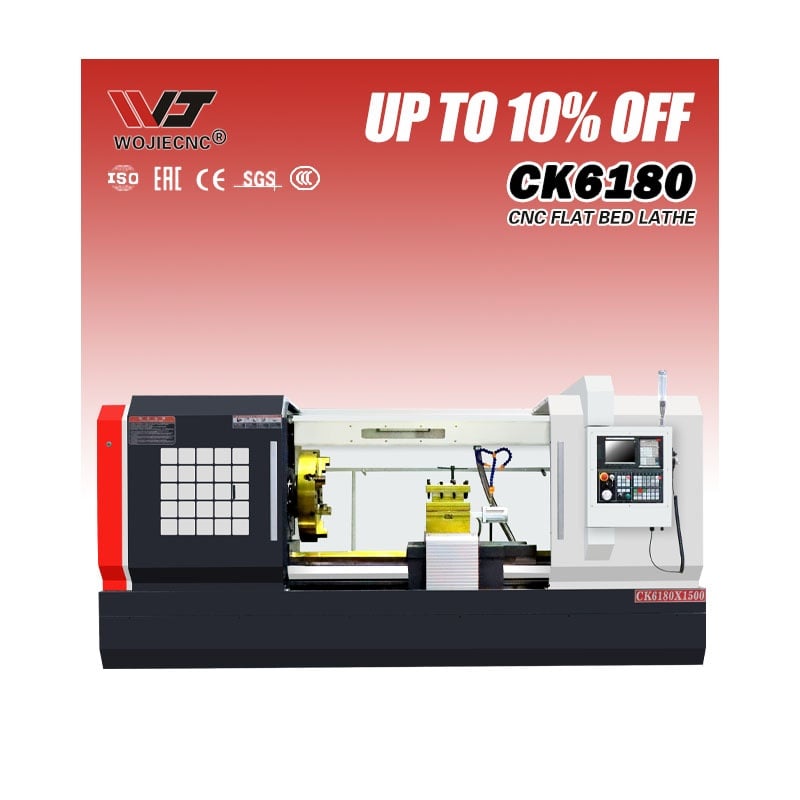
A horizontal machining lathe is a precision manufacturing tool designed to rotate a workpiece along a horizontal axis while cutting tools remove material to achieve the desired shape, diameter, or surface finish. This machine is widely used in metalworking, woodworking, and composite fabrication industries, making it one of the most versatile pieces of equipment on any production floor. The horizontal machining lathe performs a broad range of operations, including turning, facing, threading, boring, knurling, and taper cutting, all within a single compact platform. Its horizontal spindle orientation provides operators with excellent visibility and easy access to the workpiece, which simplifies setup, tool changes, and in-process inspection. Modern versions of the horizontal machining lathe incorporate CNC controls, allowing manufacturers to program complex geometries with high repeatability and minimal human error. Advanced models feature automatic tool changers, live tooling systems, and multi-axis capability, enabling simultaneous milling and drilling operations alongside standard turning functions. Built with robust cast iron or welded steel frames, these machines absorb vibration effectively and maintain tight tolerances across long production runs. Coolant delivery systems, chip conveyors, and ergonomic guarding are standard on most industrial-grade units, supporting both operator safety and consistent part quality. Whether producing high-volume identical components or one-off precision parts, the horizontal machining lathe delivers reliable performance, dimensional accuracy, and process flexibility that meets the demands of aerospace, automotive, energy, and general engineering applications.

New Products

Choosing a horizontal machining lathe gives your operation a real competitive edge, and here is exactly why that matters for your business. First, this machine handles a wide variety of tasks without requiring you to move the workpiece to a different station. Turning, threading, boring, and facing all happen on one platform, which cuts cycle times and reduces the chance of positioning errors between operations. That translates directly into lower labor costs and faster delivery times for your customers. Second, the horizontal layout makes it genuinely easy for operators to load and unload parts, inspect dimensions mid-cycle, and swap tooling quickly. You do not need highly specialized skills to run a well-configured horizontal machining lathe, which means shorter training periods and greater workforce flexibility on the shop floor. Third, the structural rigidity of a horizontal machining lathe allows it to take aggressive cuts on hard materials such as stainless steel, titanium, and hardened alloys. Because the frame dampens vibration effectively, tool life extends significantly, and you spend less money replacing inserts and holders over time. Fourth, CNC-equipped horizontal machining lathe models give you programming repeatability that manual machines simply cannot match. Once a program is proven, every subsequent part comes out to the same specification, which tightens your quality metrics and reduces scrap rates. Fifth, these machines scale well. Whether you run a small job shop producing custom components or a high-volume facility turning thousands of identical parts per shift, a horizontal machining lathe fits your workflow. The combination of operational flexibility, structural durability, ease of use, and programming precision makes this machine one of the smartest capital investments available to manufacturers today.

Tips And Tricks

How can a punching machine reduce production time for repetitive tasks?

08

Apr

How can a punching machine reduce production time for repetitive tasks?

In modern manufacturing environments where speed and precision determine competitive advantage, reducing production time for repetitive tasks has become a critical objective for operations managers and production engineers. A punching machine offers ...
View More
What specifications influence punching accuracy and stability?

15

Apr

What specifications influence punching accuracy and stability?

In precision metal fabrication, understanding what specifications influence punching accuracy and stability is fundamental to achieving consistent, high-quality results. While punching machine operations appear straightforward, the dimensional precis...
View More
How do manufacturers select a hydraulic press machine for metal stamping?

01

Jun

How do manufacturers select a hydraulic press machine for metal stamping?

Selecting the right hydraulic press machine for metal stamping is one of the most consequential decisions a manufacturer can make. The hydraulic press machine sits at the heart of stamping operations, directly influencing part quality, cycle time, to...
View More
Could a CNC machining center reduce processing steps in your manufacturing line?

15

Jun

Could a CNC machining center reduce processing steps in your manufacturing line?

Manufacturing teams constantly search for ways to cut complexity without sacrificing precision. One of the most direct paths to that goal is integrating a cnc machining center into the production line. A cnc machining center consolidates multiple ope...
View More

Get a Free Quote

Our representative will contact you soon.
Email
Mobile/WhatsApp
Name
Company Name
Message
0/1000

horizontal machining lathe

Versatile Multi-Operation Capability

Versatile Multi-Operation Capability

One of the strongest reasons to invest in a horizontal machining lathe is its ability to perform multiple machining operations without repositioning the workpiece. Turning, facing, threading, grooving, boring, and knurling can all be executed in a single setup, which dramatically reduces non-cutting time and the risk of cumulative positional errors. For shops managing complex part geometries or tight dimensional tolerances, this multi-operation capability is not a convenience but a necessity. A well-equipped horizontal machining lathe with live tooling can also perform milling and drilling in the same cycle, effectively replacing several standalone machines and freeing up valuable floor space. This consolidation of operations means faster throughput, lower fixture costs, and a streamlined workflow that improves overall shop efficiency. Manufacturers in aerospace, automotive, and energy sectors particularly value this versatility because their components often demand intricate features that would otherwise require multiple setups across different machines.
Exceptional Precision and Structural Rigidity

Exceptional Precision and Structural Rigidity

Dimensional accuracy is non-negotiable in modern manufacturing, and the horizontal machining lathe delivers on this requirement through its inherently rigid construction. Heavy cast iron or welded steel beds absorb cutting forces and dampen vibration, keeping the tool-to-workpiece relationship stable even during aggressive material removal. This structural integrity means that tolerances in the range of a few microns are achievable consistently across long production runs, not just on individual sample parts. Precision ground guideways, preloaded ball screws, and high-resolution encoders work together to ensure that every commanded movement translates accurately into a physical result. For industries producing critical components such as aircraft landing gear, engine shafts, or hydraulic valve bodies, the reliable precision of a horizontal machining lathe is what separates acceptable quality from world-class quality. Investing in a machine with proven rigidity protects your reputation and reduces costly rework or scrap.
User-Friendly CNC Controls and Smart Automation

User-Friendly CNC Controls and Smart Automation

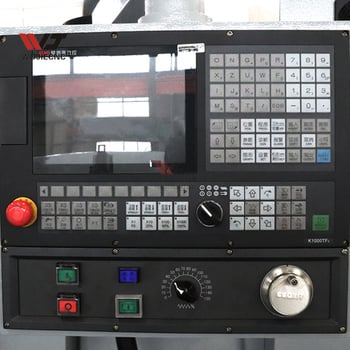
Modern horizontal machining lathe designs prioritize operator usability alongside technical performance. Intuitive CNC interfaces with touchscreen panels, conversational programming options, and built-in machining cycles allow operators to set up and run complex parts faster than ever before. Automatic tool changers, in-process gauging systems, and chip management conveyors reduce manual intervention, keeping the machine cutting productively for longer periods each shift. Remote monitoring connectivity lets supervisors track spindle utilization, alarm history, and tool wear data in real time, enabling proactive maintenance decisions before unplanned downtime occurs. For facilities focused on lean manufacturing principles, these smart automation features on a horizontal machining lathe directly support reduced waste, higher machine availability, and improved on-time delivery rates. Whether you are upgrading an aging manual machine or building a new cell from scratch, selecting a CNC horizontal machining lathe with strong automation options positions your operation for sustainable, long-term productivity growth.
Horizontal Machining Lathe | Precision Turning

Get a Free Quote

Our representative will contact you soon.
Email
Mobile/WhatsApp
Name
Company Name
Message
0/1000
email goToTop