cnc mills and lathes
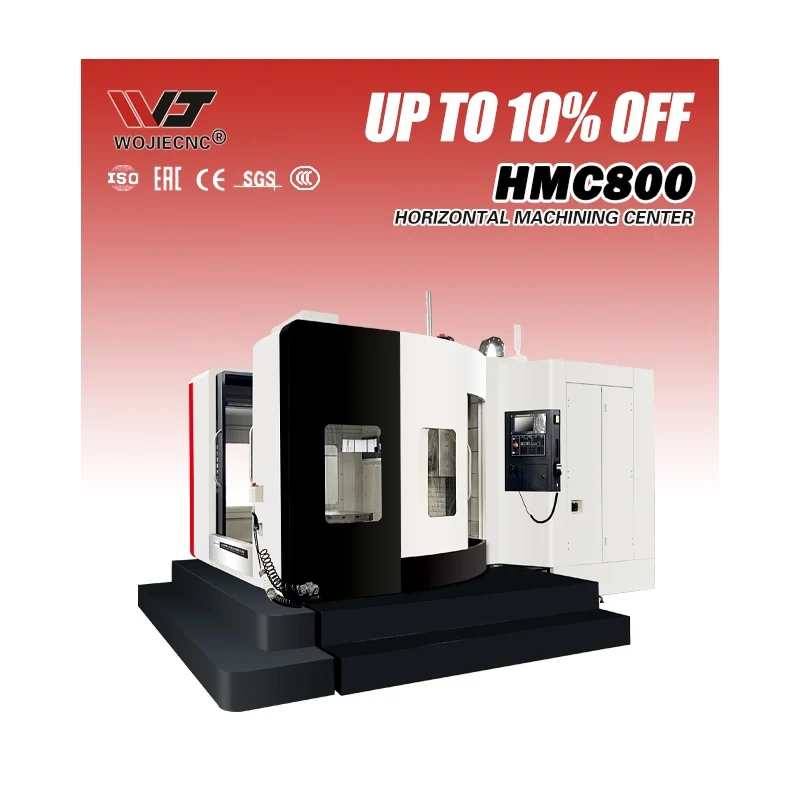
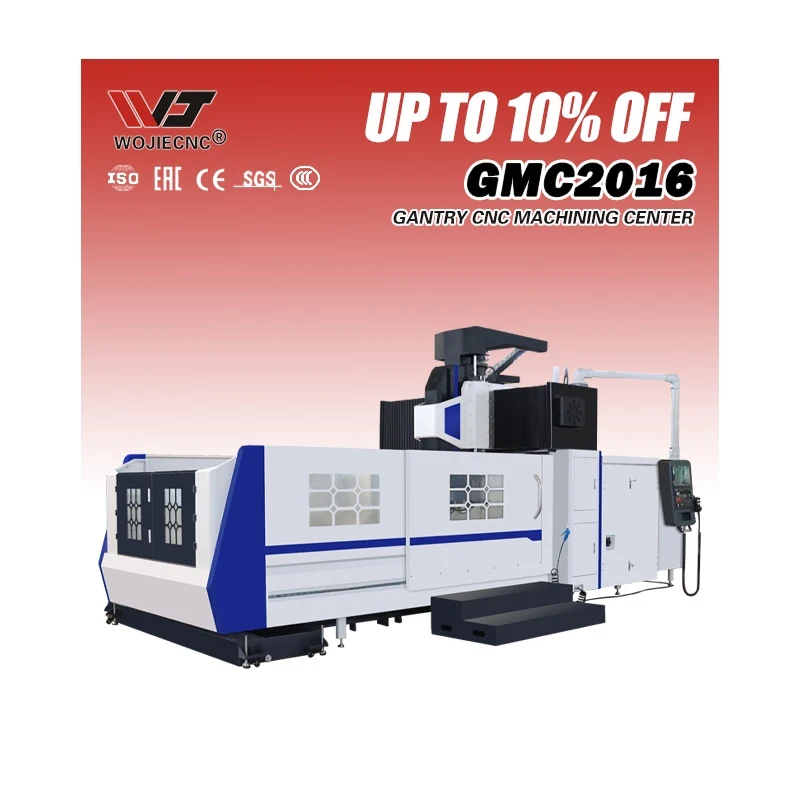
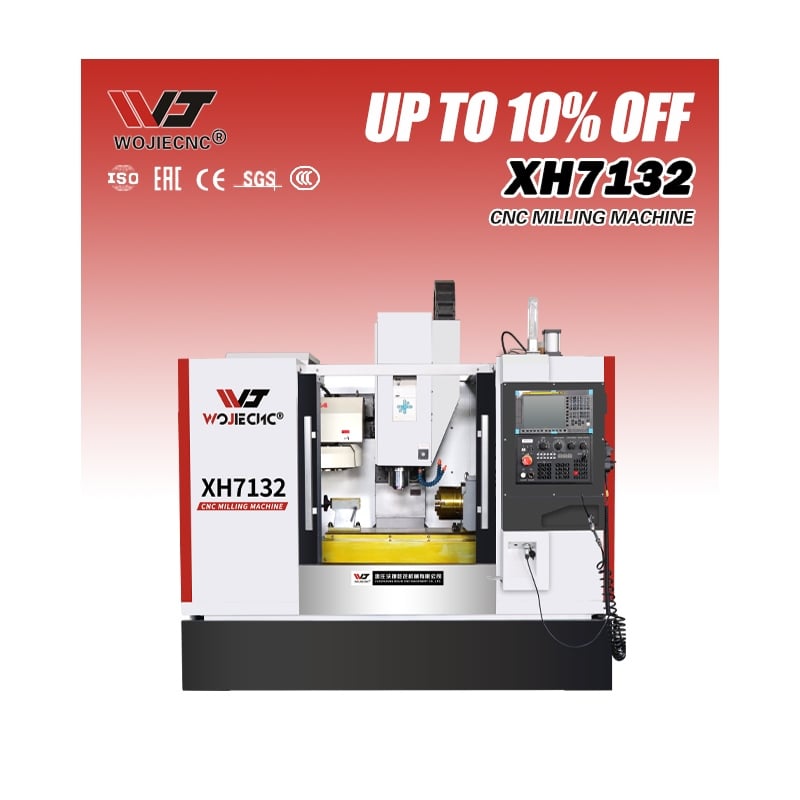
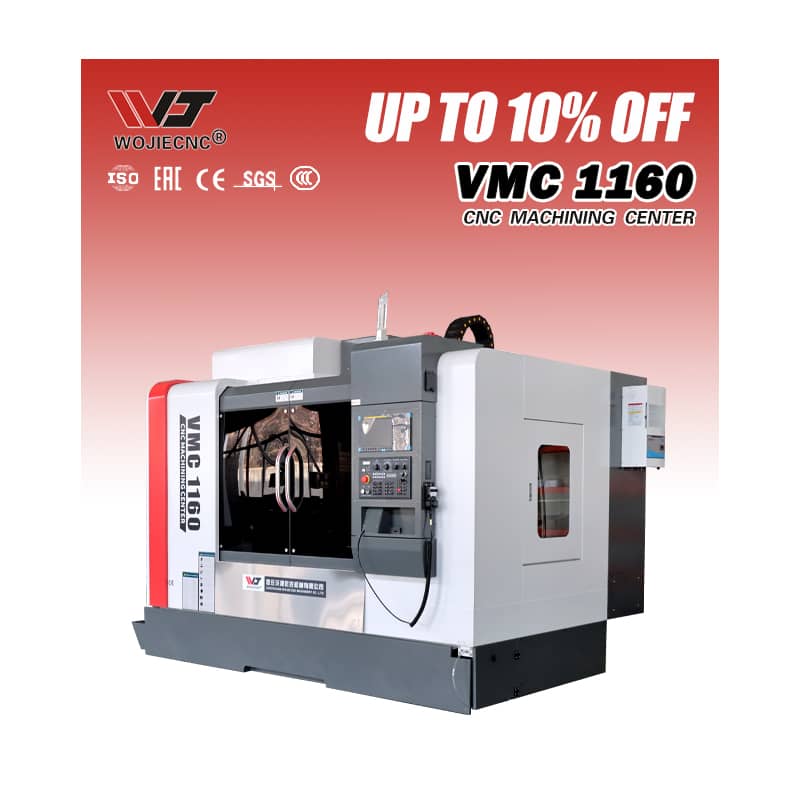
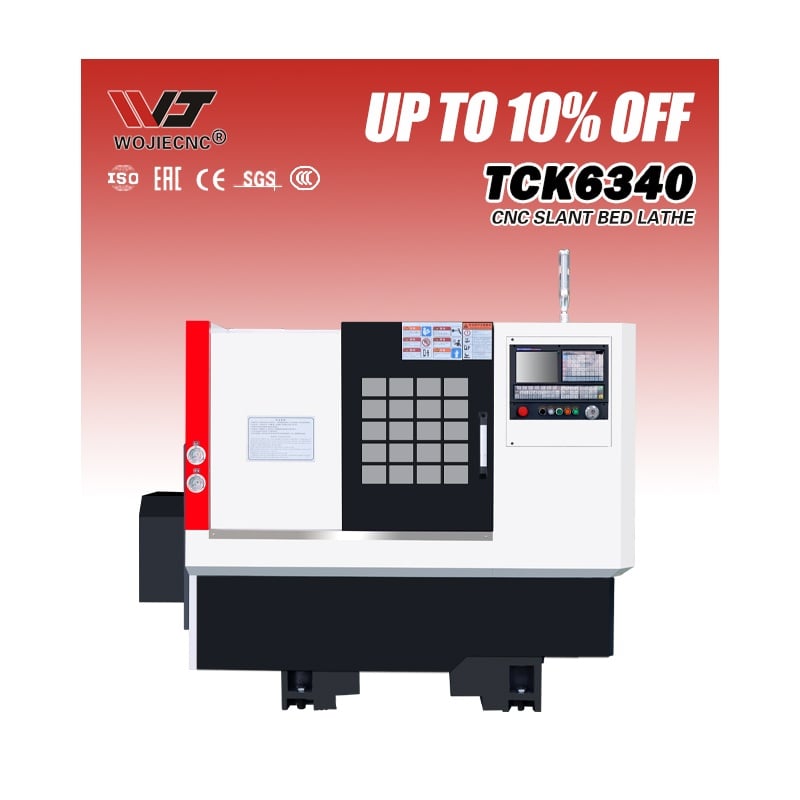
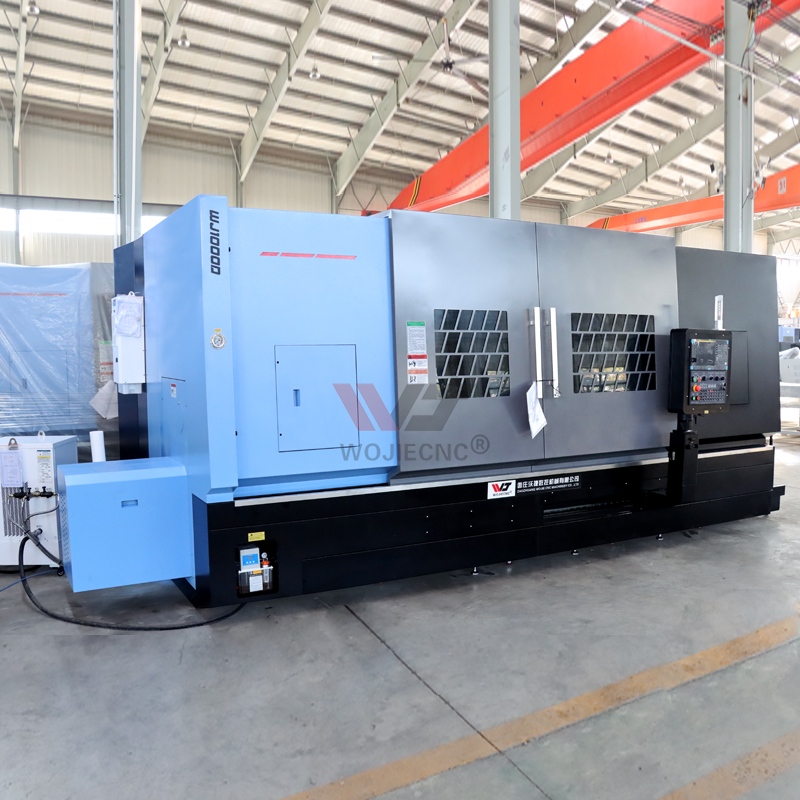
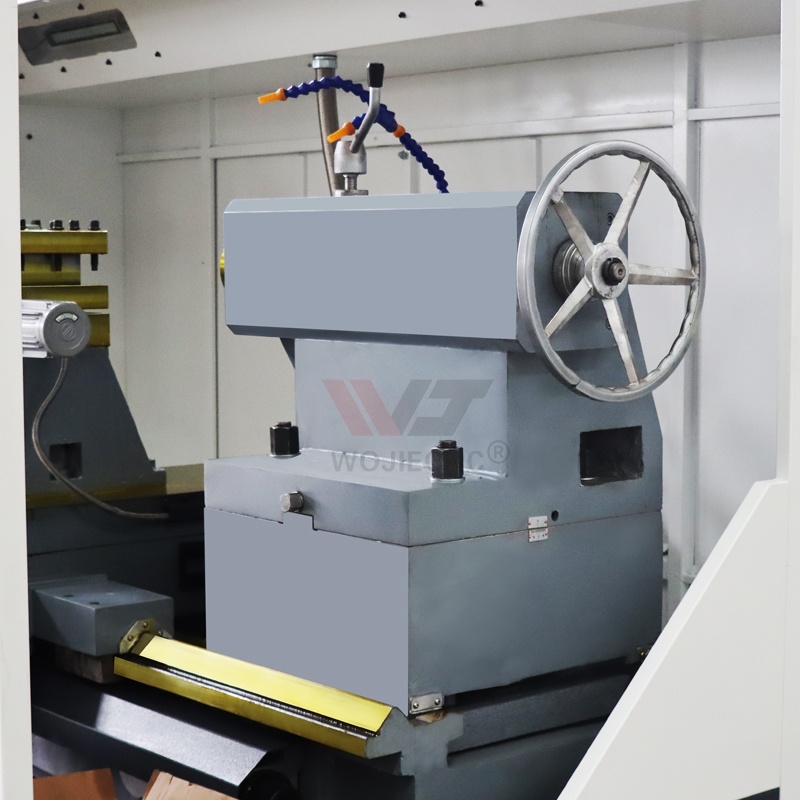
CNC mills and lathes represent the foundation of modern precision manufacturing, combining computer-controlled motion with high-speed cutting tools to produce complex parts with exceptional accuracy. These machines are designed to remove material from a workpiece using programmed instructions, eliminating the inconsistencies associated with manual operation. A CNC mill moves a rotating cutting tool along multiple axes to shape flat surfaces, pockets, slots, and intricate contours, while a CNC lathe rotates the workpiece against a stationary tool to create cylindrical profiles, threads, and tapered features. Together, cnc mills and lathes cover a broad spectrum of machining tasks that would otherwise require multiple manual setups. Modern cnc mills and lathes are equipped with advanced control systems, servo-driven axes, automatic tool changers, and real-time monitoring capabilities that ensure consistent output across long production runs. Many machines now support multi-axis configurations, allowing operators to complete complex geometries in a single setup rather than repositioning the part multiple times. Industries ranging from aerospace and automotive to medical device manufacturing and custom fabrication rely on cnc mills and lathes to meet tight dimensional tolerances and surface finish requirements. These machines support a wide variety of materials, including aluminum, steel, titanium, brass, and engineering plastics. Whether a shop needs to produce one-off prototypes or high-volume production batches, cnc mills and lathes deliver the flexibility, repeatability, and speed that modern manufacturing demands. Their programmable nature means that switching between part designs requires only a software update rather than a complete machine overhaul.

 EN
EN