horizontal cnc lathe
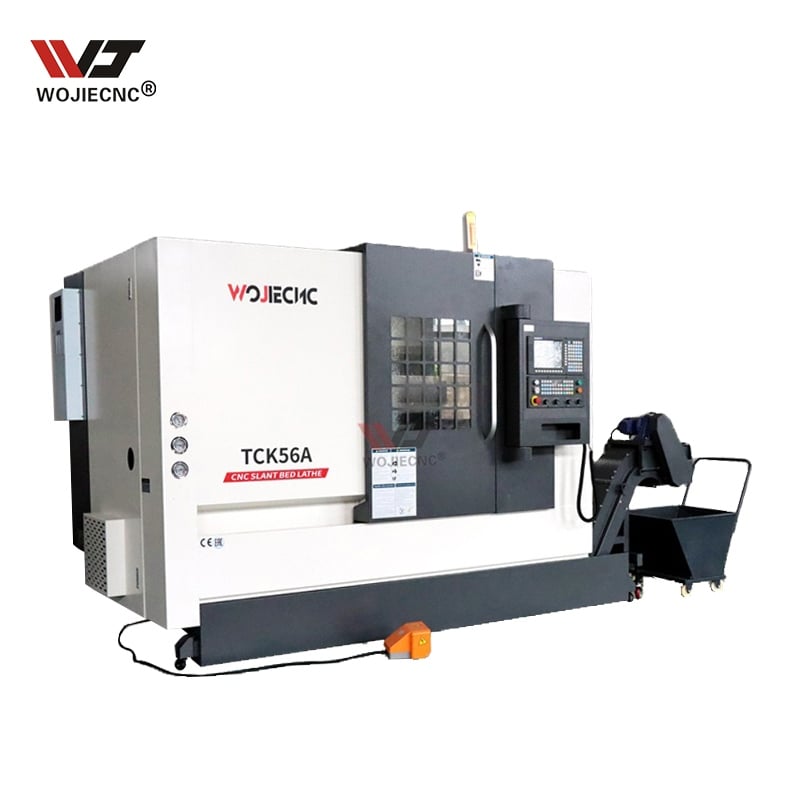
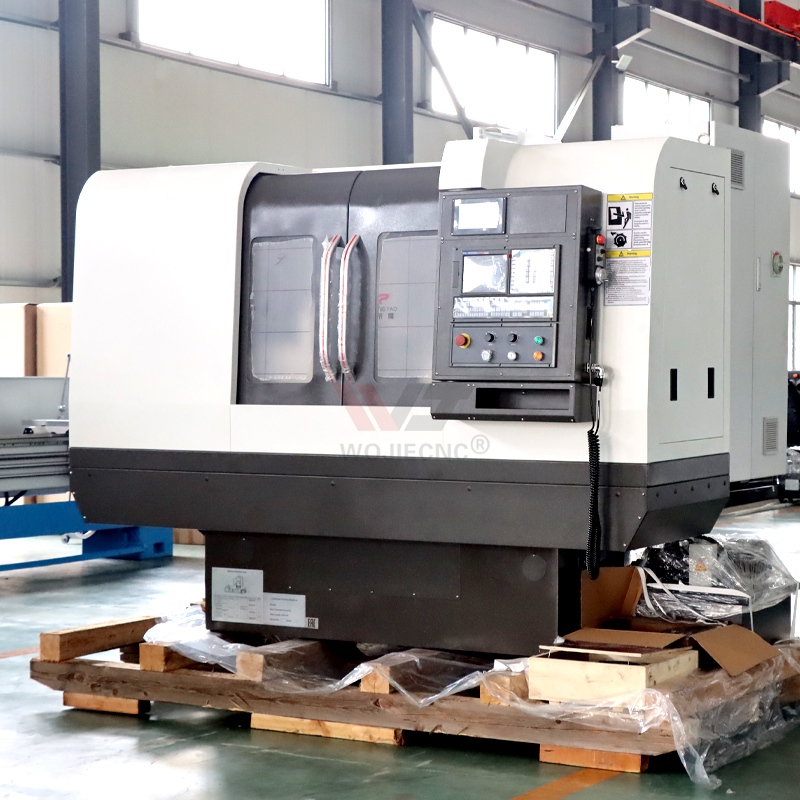
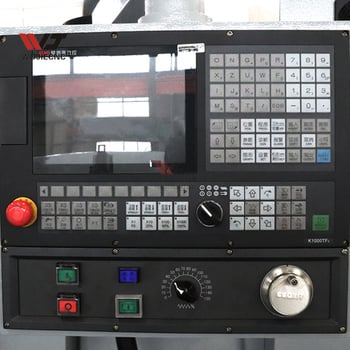
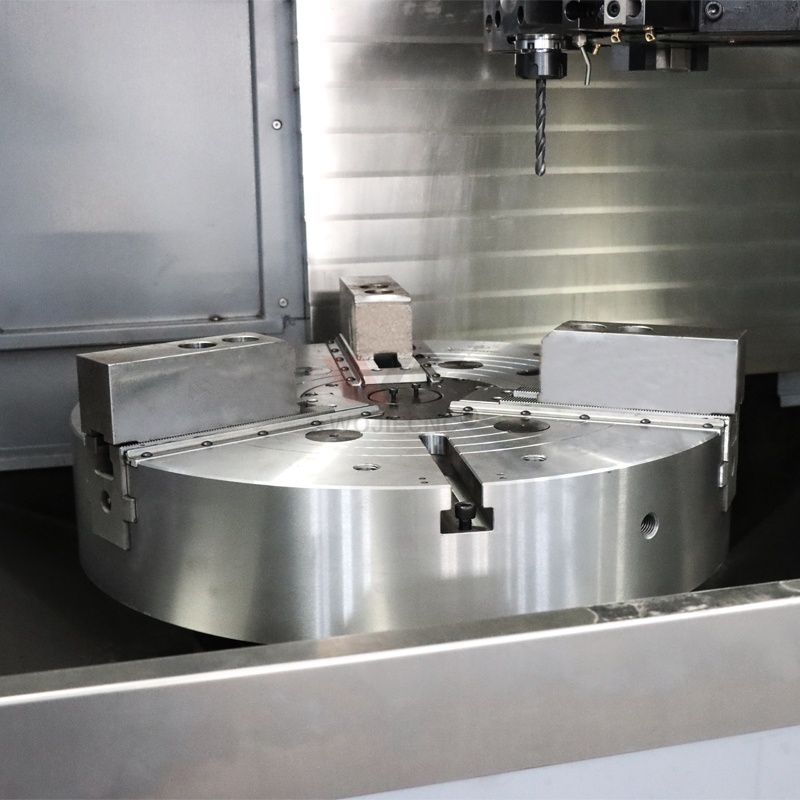
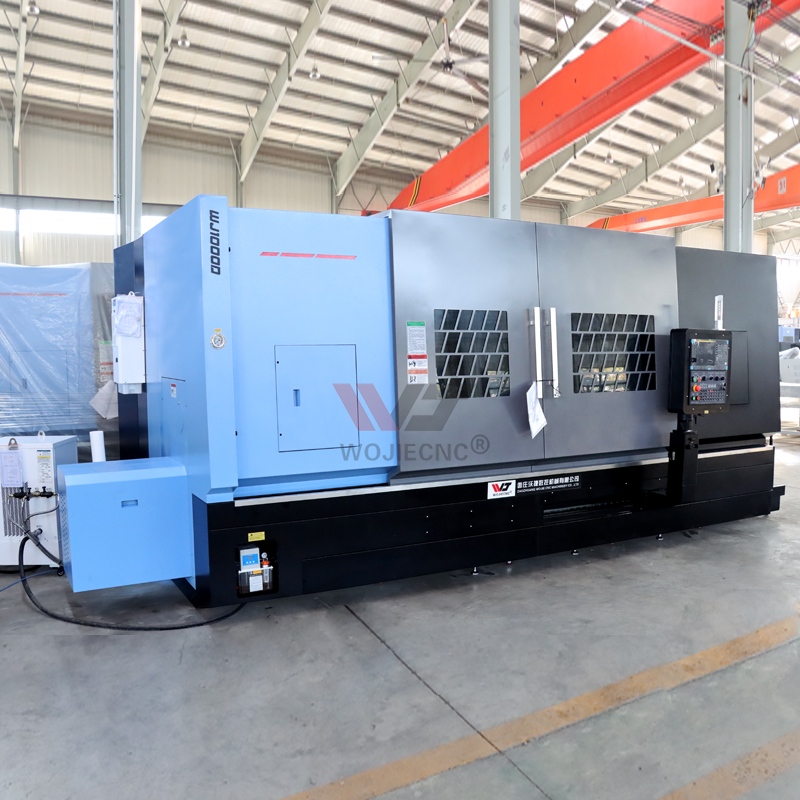
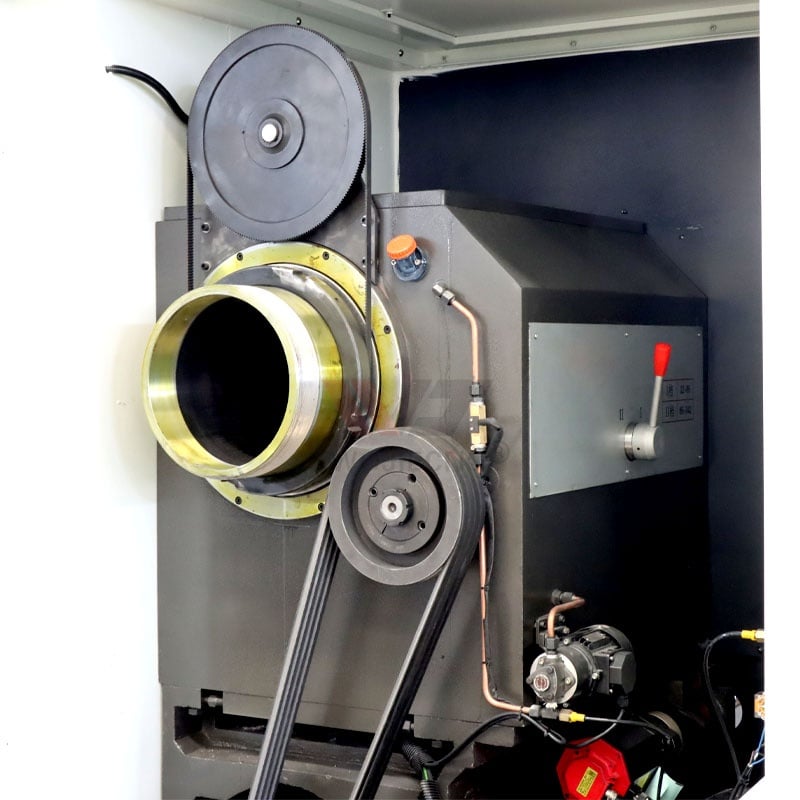
A horizontal cnc lathe is a precision machine tool designed to shape, cut, and finish cylindrical workpieces by rotating them against a stationary cutting tool. The spindle and workpiece axis run parallel to the ground in a horizontal orientation, which is the defining structural feature of this machine category. Modern horizontal cnc lathe systems are driven by computer numerical control technology, allowing operators to program complex cutting paths with exceptional repeatability and dimensional accuracy. Core functions include turning, facing, threading, boring, grooving, and taper cutting, making each horizontal cnc lathe suitable for a broad spectrum of part geometries. Advanced servo motors, ball screws, and rigid cast iron beds work together to deliver tight tolerances, often within a few microns, while high-speed spindles enable efficient material removal across steel, aluminum, brass, titanium, and engineered plastics. Many configurations support live tooling and sub-spindles, expanding milling and drilling capability without secondary setups. The control interface typically runs industry-standard G-code through user-friendly conversational software, reducing programming time for both simple and intricate components. Automatic tool changers with multi-station turrets further streamline production by minimizing idle time between operations. Industries relying on a horizontal cnc lathe include automotive, aerospace, energy, medical device manufacturing, and general precision engineering. Whether producing small batches of custom components or high-volume runs of standardized parts, the horizontal cnc lathe consistently delivers the speed, accuracy, and flexibility that modern manufacturing demands. Its proven design and wide availability of tooling and spare parts make it a dependable long-term investment for machine shops of every size.

 EN
EN