vertical lathe
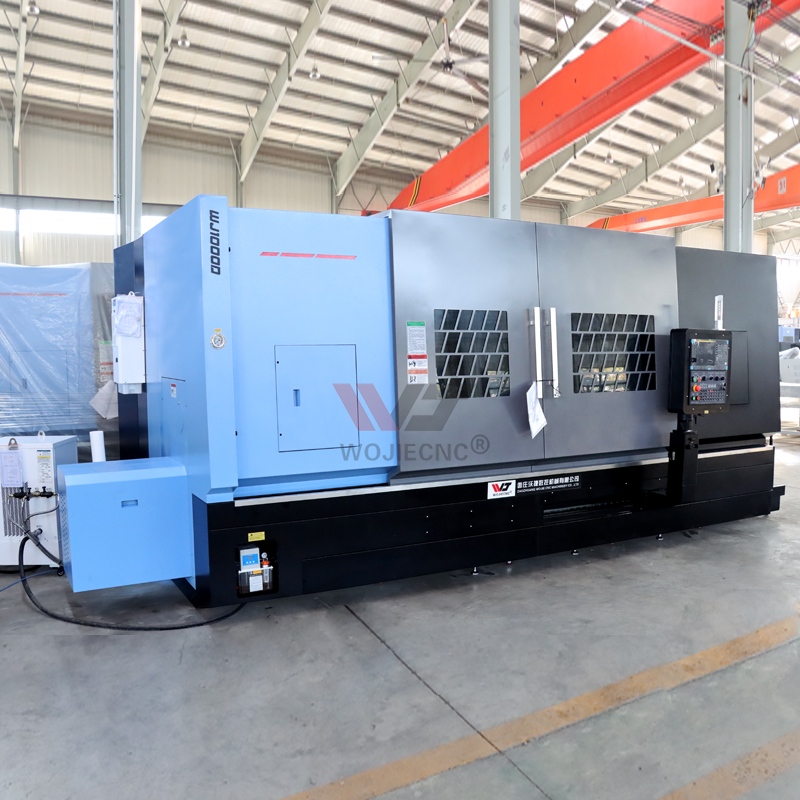
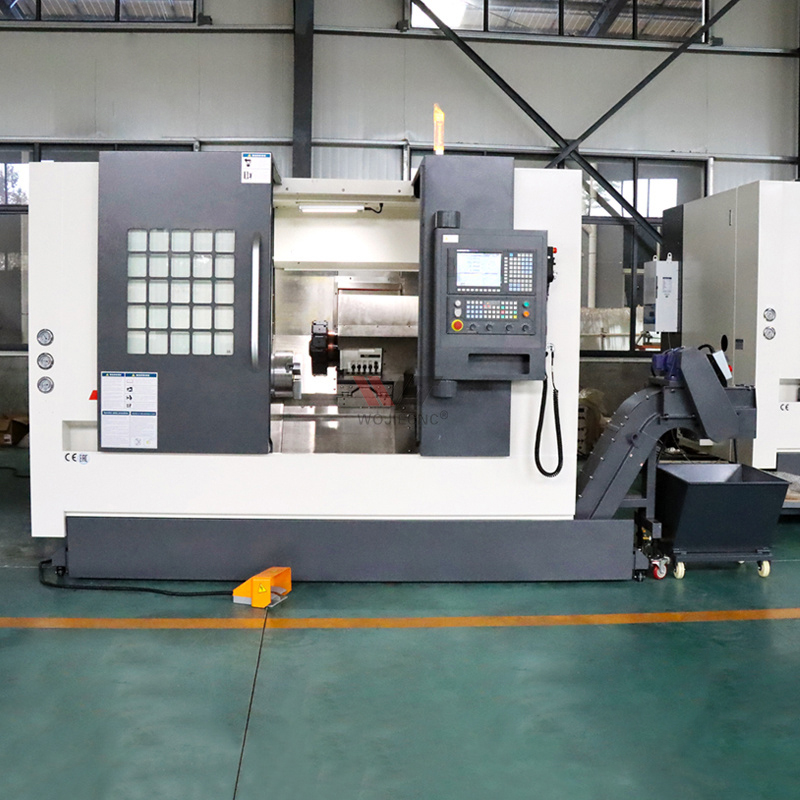
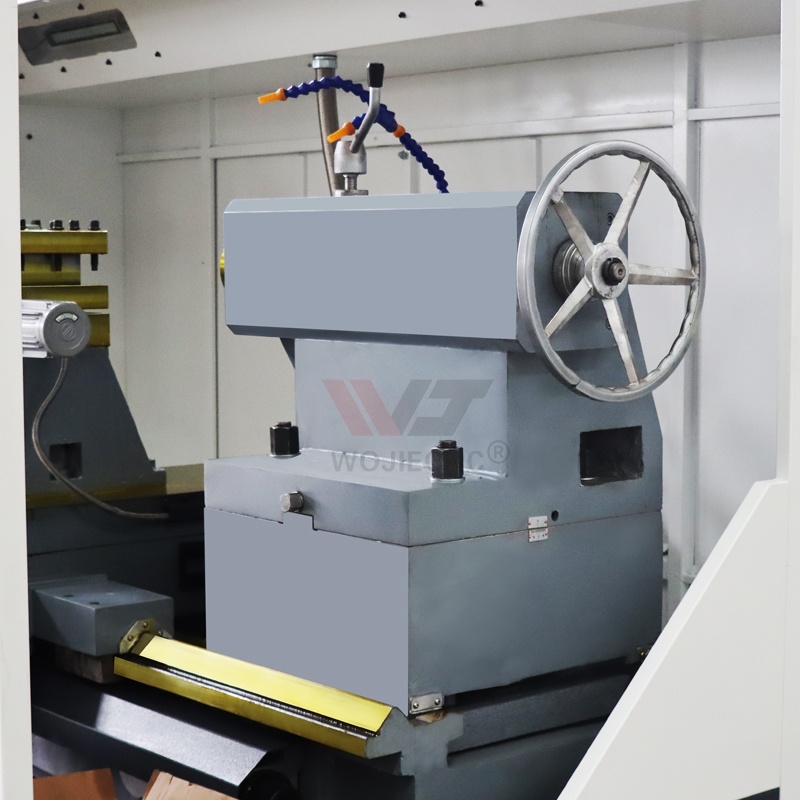
A vertical lathe is a heavy-duty machine tool designed to rotate large, heavy, or wide workpieces on a horizontal turntable while cutting tools shape the material from above. Unlike horizontal lathes, the vertical lathe positions the workpiece face-up, using gravity to stabilize the part during machining. This makes it the preferred choice for components that are too large or unbalanced to mount on a conventional lathe. The vertical lathe performs a wide range of operations including turning, boring, facing, and grooving. Modern versions incorporate CNC controls, allowing operators to program precise tool paths and achieve tight tolerances with minimal manual intervention. Spindle speeds and feed rates are electronically adjustable, giving machinists full control over surface finish and dimensional accuracy. The machine structure typically consists of a rigid base, a rotating worktable, one or two tool posts mounted on a crossrail, and a sturdy column for support. Some vertical lathe models include live tooling and automatic tool changers, which reduce setup time and boost throughput. Common materials processed on a vertical lathe include cast iron, steel alloys, aluminum, and various engineering plastics. Industries that depend on this machine include aerospace, energy, shipbuilding, heavy equipment manufacturing, and rail transportation. Whether you are producing turbine discs, large flanges, wheel hubs, or pressure vessel components, the vertical lathe delivers the accuracy, stability, and repeatability that demanding production environments require. Its compact footprint relative to the size of parts it handles also makes floor space utilization more efficient compared to other large-format machining solutions.

 EN
EN