Professional Horizontal Turning Machines - Precision Manufacturing Solutions

Get a Free Quote

Our representative will contact you soon.
Email
Mobile/WhatsApp
Name
Company Name
Message
0/1000

horizontal turning machine

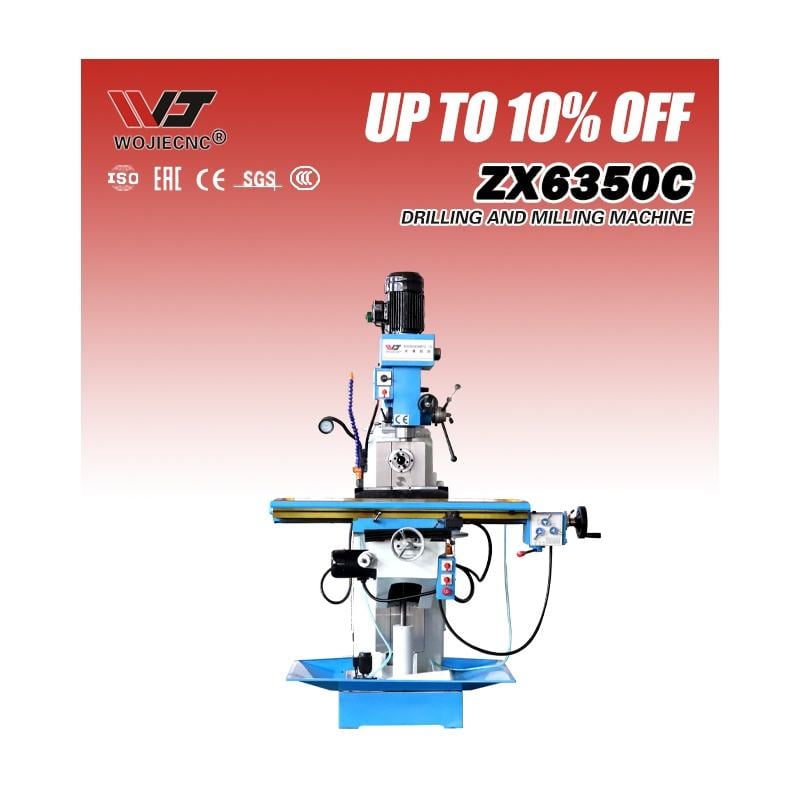
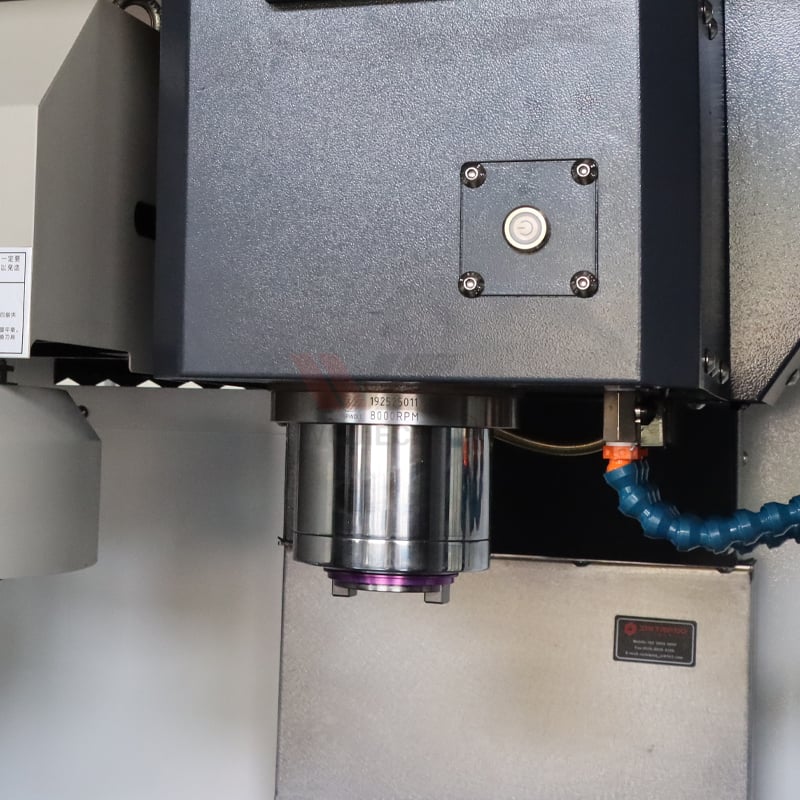
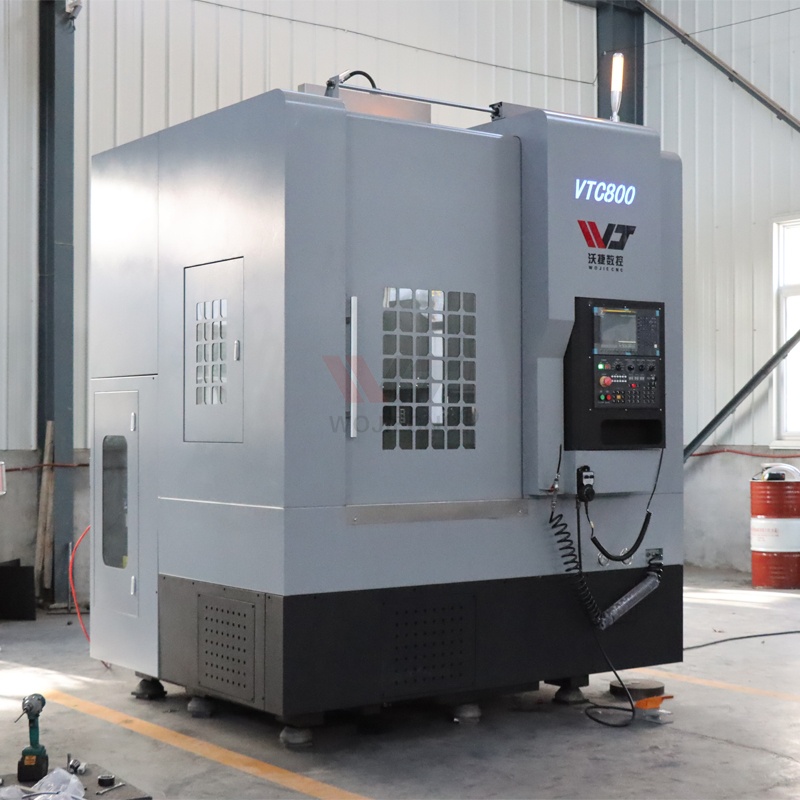
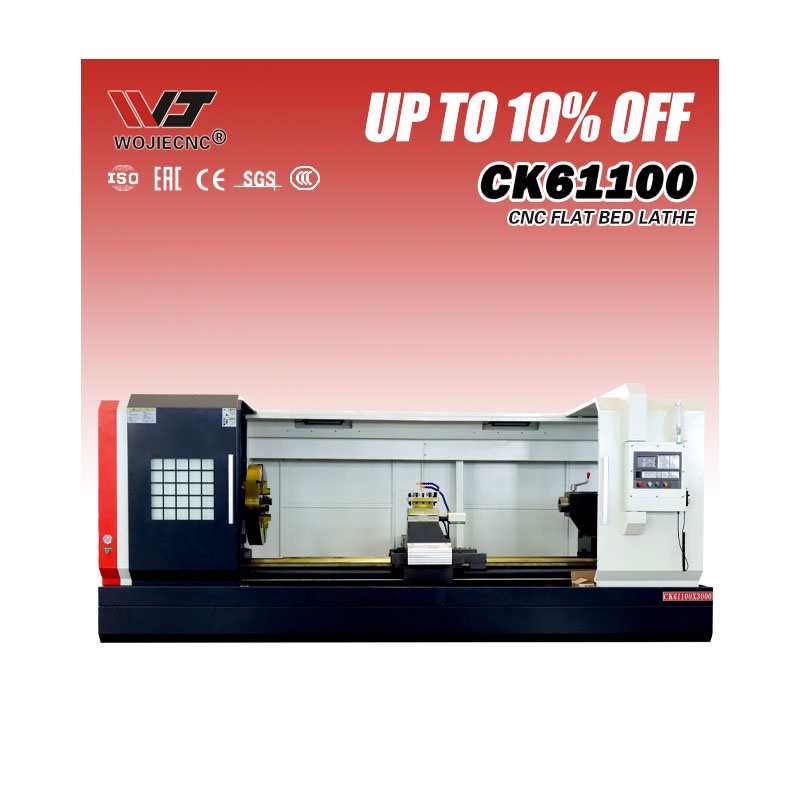
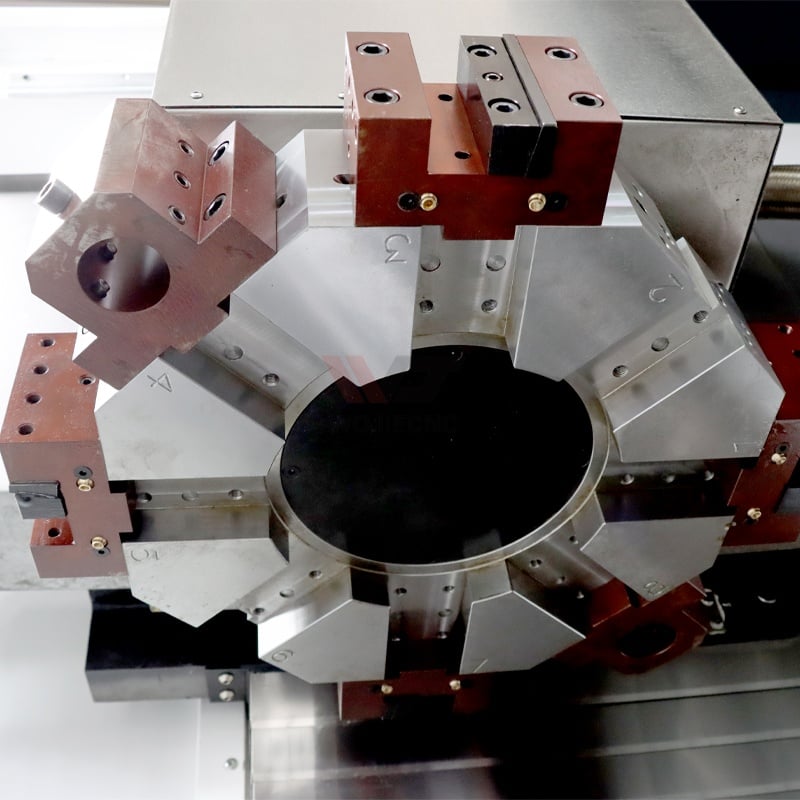
A horizontal turning machine represents a fundamental piece of manufacturing equipment designed for precision machining operations. This sophisticated machinery operates with the workpiece mounted horizontally on a spindle, rotating around a horizontal axis while cutting tools shape the material to exact specifications. The horizontal turning machine excels in producing cylindrical components, shafts, rods, and complex rotational parts with exceptional accuracy and surface finish quality. The machine's horizontal configuration provides excellent stability during heavy-duty cutting operations, making it ideal for processing large and heavy workpieces that would be challenging to handle on vertical setups. Modern horizontal turning machines incorporate advanced CNC technology, enabling automated tool changes, programmable cutting sequences, and real-time monitoring of machining parameters. The technological features of these machines include robust spindle systems capable of handling high torque requirements, precision linear guides for smooth tool movement, and sophisticated coolant systems that maintain optimal cutting temperatures. Many horizontal turning machines feature multiple-axis capabilities, allowing simultaneous machining operations that significantly reduce production time. The control systems integrate seamlessly with CAD/CAM software, enabling direct translation of design files into machining instructions. Applications for horizontal turning machines span across automotive manufacturing, aerospace component production, heavy machinery fabrication, and precision instrument creation. These machines efficiently produce engine blocks, transmission components, landing gear parts, hydraulic cylinders, and custom mechanical components. The horizontal turning machine configuration also supports bar feeding systems for continuous production runs, making it particularly valuable for high-volume manufacturing environments. Safety features include enclosed working areas, emergency stop systems, and automated chip removal mechanisms that maintain clean working conditions while protecting operators from potential hazards.

New Products

Horizontal turning machines deliver exceptional stability and precision that directly translate into superior product quality and reduced manufacturing costs. The horizontal orientation provides a lower center of gravity, which minimizes vibrations during heavy cutting operations and ensures consistent dimensional accuracy across production runs. This stability advantage becomes particularly pronounced when machining large components or working with challenging materials that require substantial cutting forces. Operators benefit from improved accessibility to the workpiece, as the horizontal configuration allows for easier loading and unloading of heavy parts using overhead cranes or automated handling systems. The gravitational assistance in chip evacuation represents another significant advantage, as metal chips fall away naturally from the cutting zone, preventing accumulation that could interfere with tool performance or surface finish quality. This natural chip removal reduces the need for frequent manual intervention and maintains consistent cutting conditions throughout extended machining cycles. Production efficiency increases dramatically through the machine's ability to handle longer workpieces without requiring specialized fixtures or support systems. The horizontal setup accommodates standard bar stock feeding systems, enabling continuous production without operator intervention between parts. This capability proves invaluable for high-volume manufacturing where minimizing setup time and maximizing machine utilization directly impact profitability. The robust construction of horizontal turning machines supports aggressive cutting parameters, allowing manufacturers to remove material faster while maintaining precision tolerances. Modern horizontal turning machines integrate seamlessly with automated material handling systems, creating fully automated production cells that operate continuously with minimal human oversight. Quality control benefits emerge from the machine's inherent stability and precision, resulting in parts that consistently meet tight tolerances and surface finish requirements. This consistency reduces scrap rates and eliminates the need for secondary finishing operations in many applications. Energy efficiency improvements come from optimized cutting parameters enabled by the machine's stability, reducing cycle times and power consumption per part produced. The horizontal turning machine configuration also supports multiple cutting tools simultaneously, enabling complex machining operations to be completed in single setups rather than requiring multiple machine transfers.

Practical Tips

Zaozhuang Wojie CNC Machinery Co., Ltd.: 30+ Years of CNC Mastery, Your Global Trusted Partner

03

Nov

Zaozhuang Wojie CNC Machinery Co., Ltd.: 30+ Years of CNC Mastery, Your Global Trusted Partner

View More
Wojie CNC Shines at International Machine Tool Exhibitions: Forging Global Partnerships with CNC Expertise

30

Oct

Wojie CNC Shines at International Machine Tool Exhibitions: Forging Global Partnerships with CNC Expertise

View More
Wojie CNC Hot-Selling Machines: Full-Scene Precision Machining Solutions for Global Manufacturers

30

Oct

Wojie CNC Hot-Selling Machines: Full-Scene Precision Machining Solutions for Global Manufacturers

View More

Get a Free Quote

Our representative will contact you soon.
Email
Mobile/WhatsApp
Name
Company Name
Message
0/1000

horizontal turning machine

Superior Workpiece Handling and Accessibility

Superior Workpiece Handling and Accessibility

The horizontal turning machine configuration revolutionizes workpiece handling through its ergonomic design and superior accessibility features that directly address the challenges of modern manufacturing environments. Unlike vertical alternatives, the horizontal setup positions the workpiece at an optimal height for operator interaction while providing unobstructed access from multiple angles. This accessibility proves crucial when machining complex components that require frequent tool changes, measurement verification, or manual adjustments during production runs. The horizontal orientation facilitates the integration of overhead crane systems and automated loading equipment, enabling manufacturers to handle extremely heavy workpieces safely and efficiently without risking operator injury or component damage. The machine bed design incorporates strategically positioned access points that allow operators to reach critical areas without compromising safety or requiring awkward positioning that could lead to fatigue or injury. Advanced horizontal turning machines feature rotating or sliding access panels that provide clear sightlines to the cutting zone while maintaining protective barriers during operation. The workpiece mounting system in horizontal configurations typically offers superior support for long, slender components that might deflect or vibrate excessively in vertical setups. This support translates directly into improved dimensional accuracy and surface finish quality, particularly important when producing precision shafts, spindles, or hydraulic components where straightness tolerances are critical. The horizontal arrangement also enables the use of steady rests and follower rests more effectively, providing additional support points along extended workpieces to eliminate deflection-induced errors. Chip management becomes significantly more effective in horizontal turning machines due to gravitational assistance in debris removal. Metal chips and coolant flow naturally away from the cutting zone, preventing accumulation that could interfere with tool performance or damage finished surfaces. This natural evacuation reduces the risk of chip recutting, which can cause surface defects or premature tool wear, ultimately improving both part quality and tool life while reducing production costs.
Advanced CNC Integration and Automation Capabilities

Advanced CNC Integration and Automation Capabilities

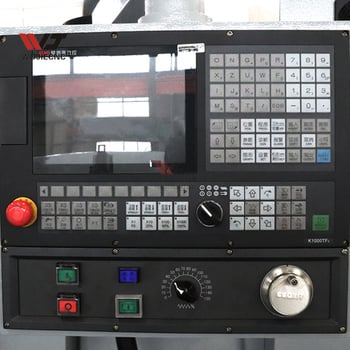
Modern horizontal turning machines showcase cutting-edge CNC integration that transforms traditional machining operations into highly automated, precision-controlled processes capable of producing complex components with minimal human intervention. The sophisticated control systems incorporate multi-axis coordination that enables simultaneous machining operations, dramatically reducing cycle times while maintaining exceptional accuracy across all cutting operations. These advanced controllers support complex interpolation algorithms that create smooth tool paths for contoured surfaces, resulting in superior surface finishes that often eliminate the need for secondary finishing operations. The integration capabilities extend beyond basic machining functions to include real-time monitoring systems that track tool wear, spindle loads, and dimensional accuracy throughout production runs. Predictive maintenance algorithms analyze machine performance data to anticipate potential issues before they impact production, scheduling maintenance activities during planned downtime to maximize machine availability. The horizontal turning machine control systems seamlessly interface with enterprise resource planning software, enabling real-time production tracking and inventory management that optimizes material flow and reduces work-in-process inventory costs. Advanced tool management systems automatically select and change cutting tools based on programmed sequences, maintaining optimal cutting conditions while extending tool life through intelligent usage patterns. The CNC integration supports adaptive machining strategies that automatically adjust cutting parameters based on material variations or tool wear conditions, ensuring consistent part quality even when working with materials that exhibit property variations. Automated measurement systems integrated within horizontal turning machines provide in-process dimensional verification, automatically adjusting machining parameters to compensate for tool wear or thermal effects that might otherwise cause dimensional drift. These measurement capabilities eliminate the need for manual inspection between operations, reducing cycle times while ensuring that parts remain within specification throughout production runs. The programming flexibility of modern horizontal turning machine controllers accommodates rapid product changeovers, storing multiple part programs that can be recalled instantly to support mixed-model production strategies that respond quickly to changing market demands.
Exceptional Precision and Surface Finish Quality

Exceptional Precision and Surface Finish Quality

Horizontal turning machines deliver unmatched precision and surface finish quality through their inherently stable mechanical design and advanced technological features that eliminate common sources of machining errors found in alternative configurations. The horizontal spindle orientation provides optimal weight distribution that minimizes deflection under cutting loads, ensuring that dimensional tolerances remain consistent even during aggressive material removal operations. This mechanical advantage becomes particularly important when producing precision components for aerospace, medical device, or automotive applications where tolerances measured in microns determine product acceptability and performance. The rigid machine bed construction, typically manufactured from high-grade cast iron or granite composite materials, provides exceptional vibration damping that prevents resonant frequencies from affecting surface finish quality. Advanced horizontal turning machines incorporate active vibration control systems that monitor cutting conditions in real-time and automatically adjust spindle speeds or feed rates to avoid chatter conditions that could compromise surface integrity. Temperature control systems maintain thermal stability throughout extended machining operations, preventing thermal expansion that could cause dimensional variations or surface finish degradation. Sophisticated coolant delivery systems ensure consistent cutting zone temperatures while providing optimal lubrication that extends tool life and improves surface finish quality. The precision achieved by horizontal turning machines extends beyond dimensional accuracy to include exceptional roundness, straightness, and surface texture characteristics that meet or exceed the most demanding application requirements. Advanced spindle bearing systems, often incorporating ceramic or hybrid bearing technologies, provide ultra-smooth rotation with minimal runout that translates directly into superior surface finish quality and dimensional consistency. The horizontal configuration enables the use of longer, more rigid cutting tools that resist deflection and vibration, contributing to improved surface finish and extended tool life. Precision measurement systems integrated within the machine structure provide continuous monitoring of critical dimensions, automatically compensating for tool wear or thermal effects to maintain consistent part quality throughout production runs. These measurement capabilities often include non-contact laser or vision systems that verify surface quality parameters in real-time, ensuring that parts meet specification requirements before removal from the machine, eliminating costly rework or scrap situations that impact production efficiency and profitability.
Professional Horizontal Turning Machines - Precision Manufacturing Solutions

Get a Free Quote

Our representative will contact you soon.
Email
Mobile/WhatsApp
Name
Company Name
Message
0/1000
email goToTop