
 EN
EN



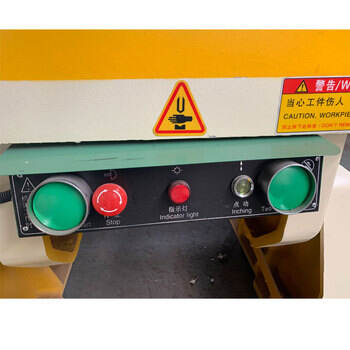
Modern manufacturing environments demand higher productivity, tighter tolerances, and lower operational costs than ever before. As factories evaluate equipment upgrades, the decision to integrate automation into punching machine operations has become increasingly strategic. Automation transforms traditional metal fabrication workflows by eliminating manual handling bottlenecks, reducing human error, and enabling continuous production cycles that dramatically improve output consistency. For businesses operating in competitive markets, the question is no longer whether to automate, but how quickly automation can be implemented to maintain market position and profitability.
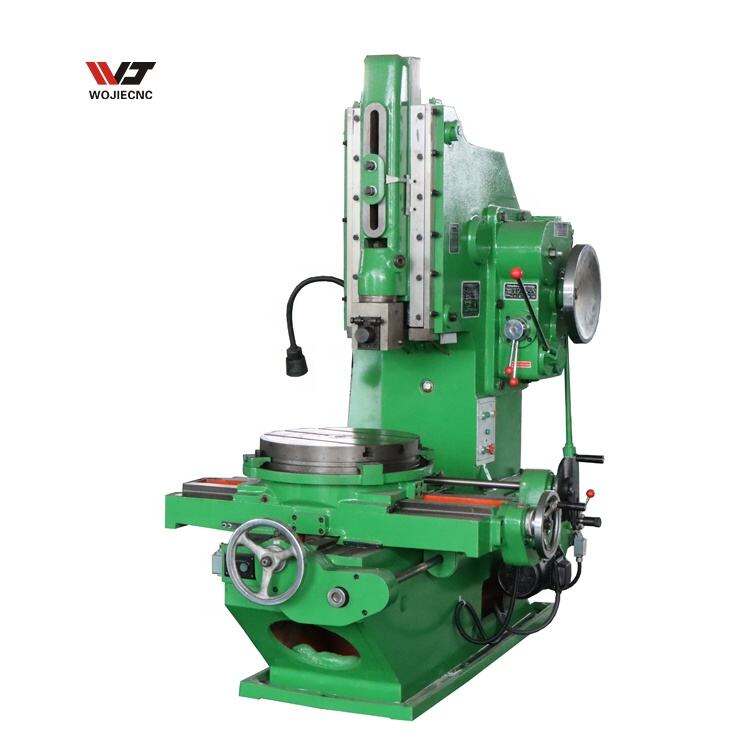
The business case for automation in punching machine upgrades rests on measurable improvements across labor efficiency, quality control, material utilization, and operational safety. Traditional manual punching operations require skilled operators to load materials, align workpieces, monitor cycle completion, and inspect finished parts—tasks that consume time and introduce variability. Automated systems equipped with robotic loaders, vision systems, and adaptive control software eliminate these inefficiencies while generating real-time production data that supports continuous process improvement. Factories that embrace automation during equipment upgrades position themselves to meet rising customer expectations for faster turnaround times, zero-defect delivery, and competitive pricing structures that manual operations struggle to achieve.
Labor Cost Reduction and Workforce Optimization
Decreasing Dependency on Skilled Operators
Automated punching machine systems reduce the need for highly specialized operators who must manually position materials and monitor each punching cycle. By integrating servo-driven feeding mechanisms and programmable control interfaces, factories can reassign skilled workers to higher-value tasks such as quality auditing, process optimization, and equipment maintenance. This shift addresses the growing challenge of finding and retaining experienced sheet metal workers, particularly in regions experiencing skilled labor shortages. Automation transforms the operator role from manual execution to supervisory oversight, where one technician can monitor multiple machines simultaneously without compromising output quality or production speed.
The economic impact extends beyond direct wage savings. Automated systems eliminate overtime requirements during peak production periods, reduce training costs for new hires, and minimize productivity losses associated with employee turnover. Factories operating automated punching machine lines report labor cost reductions ranging from thirty to fifty percent compared to manual operations, with additional savings from decreased workers' compensation claims and workplace injury incidents. These financial benefits compound over the equipment lifecycle, making automation a crucial consideration for factories planning long-term competitiveness in labor-intensive manufacturing sectors.
Enabling Multi-Shift Unmanned Operation
Automation unlocks the potential for lights-out manufacturing, where punching machine operations continue during night shifts and weekends without constant human supervision. Advanced automated systems incorporate material stockers that hold sufficient raw material for extended production runs, automatic scrap removal conveyors, and remote monitoring capabilities that alert maintenance teams to any operational anomalies. This capability fundamentally changes production economics by maximizing equipment utilization rates from typical single-shift usage of forty percent to continuous operation approaching ninety percent efficiency.
The business advantages of unmanned operation become particularly compelling for factories serving markets with urgent delivery requirements or seasonal demand fluctuations. Rather than investing in additional punching machine capacity to handle peak periods, automated systems allow existing equipment to absorb increased workloads through extended operating hours. This operational flexibility reduces capital expenditure requirements while maintaining delivery commitments that would otherwise require emergency outsourcing or customer delays. Factories implementing automation during punching machine upgrades gain strategic agility that manual operations cannot replicate, transforming fixed production capacity into a variable resource that scales with demand.
Quality Consistency and Defect Prevention
Eliminating Human Error in Positioning and Measurement
Manual punching operations introduce variability through inconsistent material positioning, measurement errors, and operator fatigue during repetitive tasks. Automated systems equipped with laser positioning guides, vision-based alignment verification, and closed-loop servo control eliminate these human factors from the manufacturing process. Each workpiece receives identical positioning accuracy measured in hundredths of a millimeter, ensuring that hole patterns, cutouts, and forming operations meet design specifications without the dimensional drift common in manual operations. This consistency becomes critical when producing components for assemblies with tight tolerance stackups or industries requiring certification to quality standards like ISO 9001 or AS9100.
The quality benefits extend throughout the production workflow. Automated punching machine systems can incorporate in-process inspection stations that measure critical dimensions immediately after forming operations, automatically rejecting non-conforming parts before they enter downstream processes. This real-time quality control prevents defective components from advancing through assembly operations where rework costs multiply exponentially. Factories report defect rate reductions of seventy to ninety percent after implementing automation, with corresponding decreases in customer returns, warranty claims, and reputation damage associated with quality failures.
Maintaining Performance Standards Across Production Runs
Automated punching machine systems deliver identical performance regardless of shift schedules, production volumes, or operator changes. The machine executes programmed routines with precise repeatability, applying consistent forming pressures, stroke timing, and material handling sequences that eliminate batch-to-batch variation. This uniformity proves essential for manufacturers supplying automotive, aerospace, or medical device industries where component traceability and lot consistency are regulatory requirements. Automated systems automatically log production parameters for each part, creating digital quality records that support compliance documentation and enable rapid root-cause analysis when quality issues arise.
The long-term quality advantages become evident during equipment lifecycle management. Manual operations experience gradual quality degradation as operators develop shortcuts, equipment wear goes unnoticed, and undocumented process changes accumulate over time. Automated systems maintain baseline performance through predictive maintenance alerts, automated calibration routines, and software-enforced process parameters that prevent unauthorized modifications. Factories investing in automation during punching machine upgrades establish quality foundations that remain stable for years, avoiding the periodic quality crises that plague manually operated equipment as institutional knowledge erodes through workforce changes.
Material Utilization and Waste Reduction
Optimizing Nesting Patterns and Sheet Utilization
Automated punching machine systems integrate with nesting software that calculates optimal part layouts to maximize material yield from each sheet. These programs analyze part geometries, punching tool limitations, and material grain direction to generate cutting patterns that minimize scrap generation. Advanced systems continuously update nesting arrangements based on current order mixes, automatically reconfiguring punching programs when job priorities change. This dynamic optimization achieves material utilization rates exceeding ninety percent, compared to seventy to eighty percent typical of manual layout methods that rely on operator judgment and static templates.
The financial impact of improved material utilization directly affects manufacturing margins, particularly when processing expensive alloys like stainless steel, aluminum, or specialty metals. A five to ten percent improvement in sheet utilization translates to proportional reductions in raw material purchasing costs, one of the largest variable expenses in metal fabrication operations. For factories processing significant material volumes, these savings often justify automation investments within two to three years purely through reduced material waste, before accounting for labor savings or productivity gains. Automated nesting also reduces inventory holding costs by enabling just-in-time material ordering based on precise consumption forecasts rather than conservative overbuying to accommodate manual layout inefficiencies.
Reducing Scrap from Setup Errors and Misfeeds
Manual punching machine operations generate scrap during job changeovers when operators adjust tooling, verify first-piece accuracy, and calibrate material feeds. Automated systems equipped with quick-change tool magazines and stored program libraries eliminate trial-and-error setup procedures, executing new jobs with first-piece accuracy that minimizes setup scrap. Sensor-verified material loading prevents costly misfeeds where incorrectly positioned sheets result in scrapped parts or damaged tooling. These improvements prove particularly valuable for factories running small batch sizes or high-mix production environments where setup frequency directly impacts material waste rates.
The environmental and regulatory advantages of waste reduction extend beyond immediate cost savings. Automated systems generate consistent scrap streams that command higher recycling values compared to mixed-grade scrap from manual operations. Detailed production logging enables precise scrap accounting that supports environmental reporting requirements and corporate sustainability initiatives. Factories in jurisdictions with landfill taxes or material waste regulations find that automated punching machine systems simplify compliance while reducing disposal costs, creating additional financial justification for automation investments during equipment upgrade cycles.
Production Speed and Throughput Enhancement
Accelerating Cycle Times Through Coordinated Automation
Integrated automation coordinates material handling, punching operations, and part removal into continuous workflows that eliminate the idle time inherent in manual operations. Robotic loading systems position the next workpiece while the punching machine completes the current cycle, achieving near-instantaneous transitions between parts. Advanced systems synchronize multiple process stations—loading, punching, forming, and unloading—to maintain constant machine utilization without the workflow interruptions caused by operator movement between stations. This coordination increases effective punching machine throughput by thirty to sixty percent compared to equivalent manual operations, transforming equipment capacity without capital investment in additional machines.
The throughput advantages multiply when processing complex parts requiring multiple tool hits or forming operations. Automated systems execute programmed sequences at maximum safe speeds without the hesitation or pace variation characteristic of manual operations. Servo-driven positioning achieves rapid traverse movements between punching locations, while adaptive control systems optimize stroke speeds based on material thickness and tooling requirements. Factories report cycle time reductions of forty to seventy percent for complex components after implementing automation, enabling delivery commitments that would require significant capacity expansion under manual production methods.
Supporting High-Mix Manufacturing Strategies
Modern markets increasingly demand product customization and rapid response to design changes, creating challenges for factories using traditional punching machine operations optimized for long production runs. Automated systems with programmable control interfaces and flexible tooling configurations excel in high-mix environments where job changeovers occur frequently throughout each shift. Digital job libraries store thousands of part programs that operators recall instantly without manual setup procedures, while automated tool changers swap punching dies in seconds rather than the minutes or hours required for manual tooling adjustments. This flexibility enables factories to economically produce small lot sizes that would be unprofitable under manual operations requiring extensive setup labor.
The strategic implications extend to market positioning and customer relationships. Factories with automated punching machine capabilities can accept rush orders, accommodate engineering changes late in production cycles, and offer product variants without the cost penalties that force competitors to require minimum order quantities or extended lead times. This responsiveness creates competitive advantages in industries transitioning toward mass customization, where the ability to profitably manufacture lot sizes approaching single units differentiates market leaders from traditional high-volume producers. Automation transforms the punching machine from a dedicated production tool into a flexible manufacturing resource that adapts to evolving market demands.
Workplace Safety and Ergonomic Improvements
Eliminating Repetitive Strain and Injury Risks
Manual punching machine operations expose workers to repetitive motion injuries from continuous material handling, awkward postures when loading heavy sheets, and pinch points near moving tooling. Automated material handling systems remove operators from direct contact with sheet metal edges, eliminating laceration risks and reducing musculoskeletal strain associated with lifting and positioning workpieces weighing fifty pounds or more. Safety interlocks and light curtains prevent operator access to danger zones during machine operation, while enclosed work areas contain noise and debris that contribute to long-term hearing loss and respiratory exposure in manual environments.
The business case for safety improvements includes direct costs like workers' compensation premiums, injury-related productivity losses, and regulatory compliance expenses. Factories with strong safety records qualify for reduced insurance rates and avoid OSHA citations that carry financial penalties and reputation damage. Beyond these measurable impacts, improved safety enhances workforce morale and retention, reducing turnover costs in competitive labor markets where manufacturing employees increasingly prioritize workplace conditions alongside compensation. Automated punching machine systems demonstrate corporate commitment to employee welfare, supporting recruitment efforts and building organizational culture that values continuous improvement.
Creating Safer Working Environments
Automated systems incorporate multiple safety technologies that protect operators from hazards inherent in punching machine operations. Perimeter guarding with interlocked access gates prevents entry during automated cycles, while emergency stop systems immediately halt all motion when activated. Advanced installations include collaborative robots programmed with force-limiting algorithms that stop movement upon detecting unexpected contact, enabling safe human-robot interaction during material loading or quality inspection tasks. These engineered safeguards create inherently safer work environments compared to manual operations that rely primarily on operator training and procedural compliance to prevent accidents.
The cumulative safety benefits extend throughout the manufacturing facility. Automated punching machine cells reduce material handling traffic as robotic systems move workpieces directly between process stations, decreasing forklift accidents and pedestrian conflicts common in manual shops. Centralized control stations position operators away from production areas, monitoring multiple machines from ergonomic workstations equipped with adjustable seating and climate control. This transformation of the factory floor from a physically demanding production environment to a technology-managed workspace attracts younger workers comfortable with digital interfaces, addressing demographic challenges as experienced manual operators retire without sufficient skilled replacements entering the workforce.
FAQ
What production volumes justify automation investment in punching machine upgrades?
Automation becomes financially viable at lower production volumes than many manufacturers assume. While traditional analysis focused on high-volume, low-mix operations, modern flexible automation systems justify investment with annual throughputs as low as five hundred thousand parts, particularly when processing expensive materials or complex geometries where quality consistency and material utilization improvements provide significant value. The calculation depends on labor rates, material costs, quality requirements, and available production shifts. Factories should conduct detailed return-on-investment analysis considering all quantifiable benefits including labor savings, material waste reduction, quality improvement, and throughput enhancement. Many installations achieve payback periods between eighteen and thirty-six months, making automation economically attractive for medium-volume producers serving markets with tight quality requirements or challenging delivery schedules.
How does punching machine automation affect existing workforce requirements?
Automation changes workforce composition rather than simply reducing headcount. While automated systems require fewer operators for material handling and machine tending, they create demand for technicians skilled in programming, preventive maintenance, and process optimization. Successful implementations include workforce transition planning that retrains existing operators for supervisory and technical roles, preserving institutional knowledge while upgrading skill sets. Many factories report stable or slightly reduced overall staffing levels but with higher average wage rates reflecting increased technical requirements. The transition typically occurs gradually as older equipment retires and experienced operators move into maintenance or engineering support positions. Progressive manufacturers view automation as workforce enhancement that eliminates physically demanding repetitive tasks while creating safer, more intellectually engaging positions that attract and retain skilled employees.
Can automated punching machine systems accommodate frequent design changes and custom orders?
Modern automated systems excel at handling design variability through software-based programming and flexible tooling configurations. Computer-aided manufacturing software translates design files directly into punching machine programs, eliminating manual programming time and enabling same-day response to engineering changes. Automated tool changers maintain libraries of dozens or hundreds of different punching dies, automatically selecting required tools based on part geometry without manual intervention. This flexibility proves particularly valuable for contract manufacturers and companies serving industries with short product lifecycles. The key requirement is investment in comprehensive tooling inventories and robust CAM software that supports automated nesting and program generation. Factories processing highly variable part mixes often achieve greater automation benefits than high-volume producers of identical components, as the elimination of manual setup procedures provides competitive advantages in markets demanding rapid response and low minimum order quantities.
What maintenance requirements does punching machine automation introduce compared to manual operations?
Automated systems require more sophisticated preventive maintenance programs but generally experience lower total downtime than manual equipment. Automation components like servo motors, vision systems, and robotic handlers need regular calibration, lubrication, and sensor verification following manufacturer schedules. However, these planned maintenance activities prevent the unexpected failures common in manually operated equipment where wear accumulates unnoticed until catastrophic breakdown occurs. Modern automated punching machine systems include condition monitoring that tracks cycle counts, detects abnormal vibration or temperature patterns, and alerts maintenance staff to developing problems before they cause production interruptions. The overall maintenance cost typically increases ten to twenty percent compared to basic manual equipment, but this investment yields dramatic reductions in unplanned downtime and emergency repair expenses. Factories should budget for maintenance training and establish relationships with automation vendors who provide technical support and spare parts availability to minimize service response times when issues arise.
Table of Contents
- Labor Cost Reduction and Workforce Optimization
- Quality Consistency and Defect Prevention
- Material Utilization and Waste Reduction
- Production Speed and Throughput Enhancement
- Workplace Safety and Ergonomic Improvements
-
FAQ
- What production volumes justify automation investment in punching machine upgrades?
- How does punching machine automation affect existing workforce requirements?
- Can automated punching machine systems accommodate frequent design changes and custom orders?
- What maintenance requirements does punching machine automation introduce compared to manual operations?

