
 EN
EN



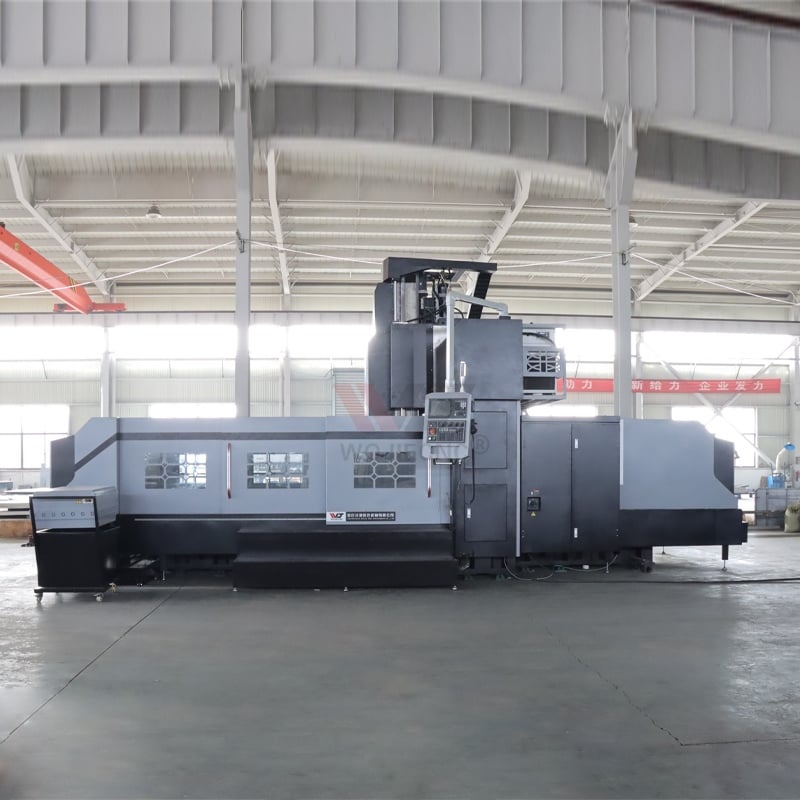
Manufacturers across diverse industries consistently select the flat bed CNC lathe as their primary solution for high-volume batch production. This preference is not arbitrary; it stems from proven operational advantages that directly impact profitability, quality, and production speed. The flat bed CNC lathe design offers unique benefits that make it the natural choice when production demands exceed single-unit operations and efficiency becomes critical. Understanding why this machine has become the industry standard requires examining its mechanical advantages, productivity capabilities, and alignment with modern manufacturing workflows.
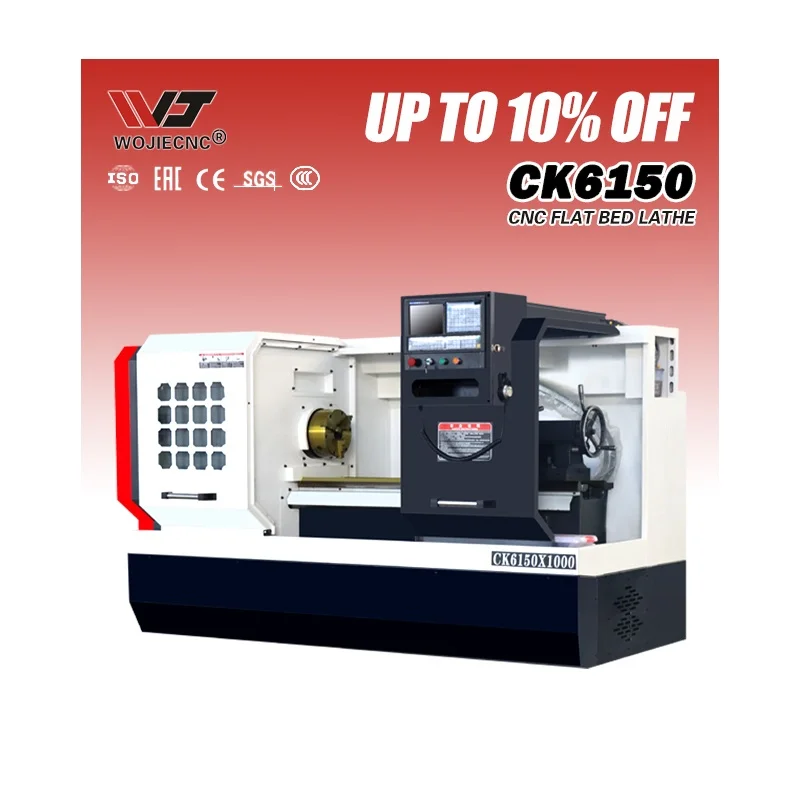
The adoption of flat bed CNC lathe technology represents a strategic investment that transforms batch production capabilities. Manufacturers who have transitioned to this equipment consistently report reduced cycle times, improved dimensional accuracy, and lower overall production costs. The flat bed CNC lathe accommodates extended workpieces, enables rapid tool changes, and supports complex geometries that would be difficult or impossible on traditional equipment. For production managers seeking to maximize output while maintaining strict quality standards, the flat bed CNC lathe has become indispensable.
Mechanical Design Advantages of the Flat Bed CNC Lathe
Superior Structural Stability and Rigidity
The flat bed CNC lathe features a horizontal, low-profile base that provides exceptional machine rigidity compared to vertical or inclined designs. This stable foundation minimizes vibration during high-speed operations, enabling tighter tolerances and superior surface finishes on batch production runs. When multiple identical parts must meet exacting specifications across thousands of units, the structural integrity of a flat bed CNC lathe becomes a competitive advantage. The low center of gravity inherent in the flat bed CNC lathe design ensures consistent performance throughout long production cycles without deflection or tool chatter that would compromise part quality.
Extended Workholding Capacity and Accessibility
The horizontal orientation of the flat bed CNC lathe allows workpieces to be loaded and unloaded with minimal handling time, reducing non-productive operations during batch production. The flat bed CNC lathe accommodates longer bar stock and castings while maintaining optimal tool access from multiple angles, enabling complex multi-feature machining in single setups. This design eliminates the need for multiple repositioning steps that would slow batch production. Manufacturers appreciate how the flat bed CNC lathe geometry simplifies fixturing, reduces setup complexity, and accelerates the transition between different batch jobs. The accessible spindle area on a flat bed CNC lathe also facilitates rapid tool changes and maintenance, keeping downtime minimal during critical production periods.
Production Efficiency and Output Optimization
Rapid Cycle Times and Throughput
The flat bed CNC lathe excels at maintaining consistent cycle times, a critical metric in batch production environments where volume directly impacts profitability. Modern flat bed CNC lathe systems integrate high-speed spindles capable of 3000 to 6000 RPM or higher, depending on material and application requirements. This acceleration in spindle speed directly translates to reduced production time per part, allowing manufacturers to complete larger batches within compressed timelines. The flat bed CNC lathe also supports rapid feed rates and optimized tool paths generated by advanced CAM software, ensuring that each cycle extracts maximum productivity without sacrificing accuracy. When batch orders demand quick turnaround times, the flat bed CNC lathe delivers the speed necessary to meet aggressive shipping schedules.
Multi-Function Capability and Reduced Setup Overhead
A flat bed CNC lathe equipped with turret tooling or automated tool changers can complete multiple operations—turning, facing, boring, threading, and grooving—without reclamping the workpiece. This consolidated workflow reduces the per-unit setup time across batch production runs significantly. The flat bed CNC lathe minimizes manual intervention by enabling complex part geometries to be completed in a single machine environment, eliminating the cost and time waste associated with moving parts between multiple workstations. Manufacturers report that productivity gains from the flat bed CNC lathe multi-function approach often exceed 30 percent compared to traditional sequential machining operations. The combination of integrated tooling capability and the flat bed CNC lathe design makes batch production scheduling more predictable and efficient.
Quality Consistency and Cost Management
Dimensional Accuracy Across Batch Quantities
Batch production success depends on every part meeting identical specifications, and the flat bed CNC lathe delivers this consistency through precision CNC control and rigid machine construction. Repeatability within microns ensures that the first part and the five-hundredth part meet the same dimensional requirements, reducing scrap rates and rework expenses. The flat bed CNC lathe maintains tolerance stack-ups that would be impossible to achieve with manual or semi-automatic equipment, providing manufacturers with the confidence to offer tight specifications to their customers. Over a batch run of thousands of parts, the cumulative cost savings from eliminating rejects and rework far exceed the capital investment in a quality flat bed CNC lathe system. This reliability in output makes the flat bed CNC lathe the preferred choice for industries where part rejection rates directly impact profitability.
Reduced Labor Requirements and Operational Costs
The flat bed CNC lathe operates under computer control, requiring minimal operator attention once the program is verified and production begins. A single technician can supervise multiple flat bed CNC lathe machines simultaneously, dramatically reducing labor costs during batch production. The automated nature of the flat bed CNC lathe eliminates the variability introduced by manual machining, where operator fatigue or skill differences create inconsistent results across a batch. Material waste also decreases because the flat bed CNC lathe optimizes cutting strategies and tool utilization with precision impossible for manual operations. When considering total cost of ownership, the flat bed CNC lathe investment pays for itself through labor savings, material efficiency, and reduced downtime in batch production environments.
Industry Applications and Practical Implementation
Diverse Industry Adoption and Use Cases
The flat bed CNC lathe is not limited to a single industry; manufacturers in automotive components, industrial hydraulics, medical devices, aerospace fasteners, and consumer goods all depend on this equipment for reliable batch production. The flat bed CNC lathe versatility accommodates everything from small precision shafts to large diameter sleeves, making it adaptable to various product portfolios. This broad applicability explains why flat bed CNC lathe technology has become a foundational asset in modern machine shops and dedicated production facilities worldwide. Whether producing thousands of identical fasteners or hundreds of custom-configured industrial components, the flat bed CNC lathe provides the flexibility and consistency that batch manufacturers require.
Integration with Modern Production Systems
Contemporary flat bed CNC lathe systems integrate seamlessly with industry 4.0 initiatives, including networked monitoring, predictive maintenance, and data-driven production optimization. The flat bed CNC lathe can communicate with enterprise resource planning systems, enabling automatic scheduling adjustments based on real-time production data. This connectivity transforms the flat bed CNC lathe from a standalone machine into a networked asset that contributes to factory-wide efficiency improvements. Manufacturers leveraging modern flat bed CNC lathe capabilities report enhanced batch traceability, reduced inventory holding costs, and improved on-time delivery performance. The flat bed CNC lathe has evolved into a critical component of digital manufacturing ecosystems.
FAQ
What types of materials can a flat bed CNC lathe machine?
A flat bed CNC lathe can effectively machine aluminum, steel, stainless steel, titanium, brass, and various composite materials. The machine's rigidity and spindle power accommodate both soft, ductile materials and hard, brittle materials. Batch production requirements often involve materials selected for specific performance properties, and the flat bed CNC lathe adapts to these demands through tool selection and cutting parameter optimization.
How does a flat bed CNC lathe compare to other CNC lathe configurations?
A flat bed CNC lathe offers superior stability and accessibility compared to vertical or slant-bed configurations, making it especially suited for extended workpieces and batch production scenarios. The horizontal design simplifies loading, provides better chip evacuation, and supports higher spindle speeds. While other configurations serve specialized applications, the flat bed CNC lathe remains the standard choice for high-volume, high-accuracy production runs.
What factors should manufacturers consider when selecting a flat bed CNC lathe?
Manufacturers should evaluate spindle speed, chuck capacity, maximum bar diameter, turret tool capacity, positioning accuracy, and software compatibility. The flat bed CNC lathe selected should match the typical workpiece size, material type, and complexity of the batch production requirements. Budget for tooling, training, and integration with existing systems when investing in a flat bed CNC lathe platform for batch manufacturing.

