CNC Lathe Milling Machine | Precision Machining

Get a Free Quote

Our representative will contact you soon.
Email
Mobile/WhatsApp
Name
Company Name
Message
0/1000

cnc lathe milling machine

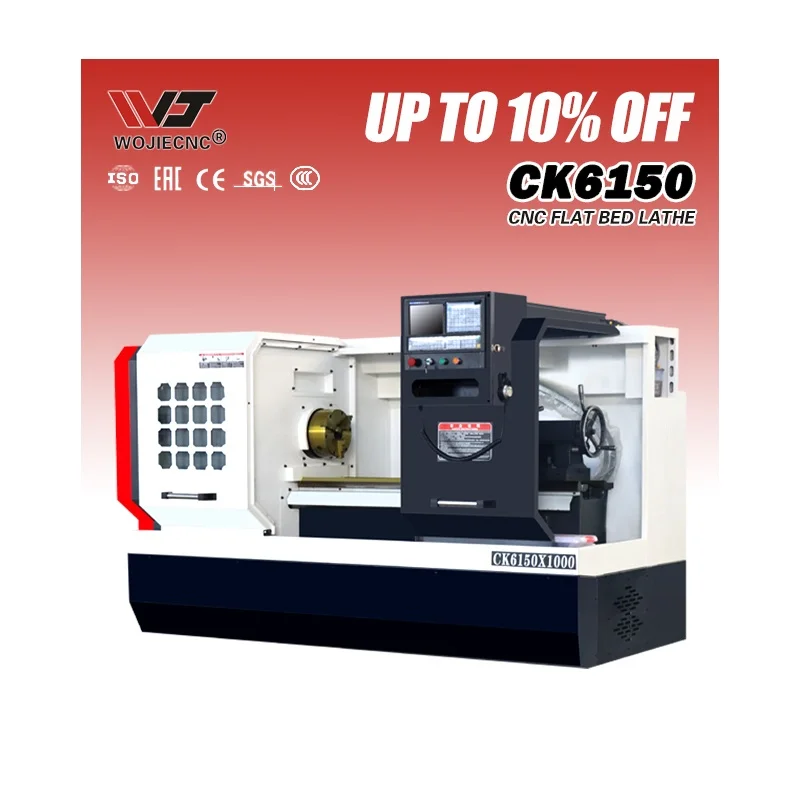
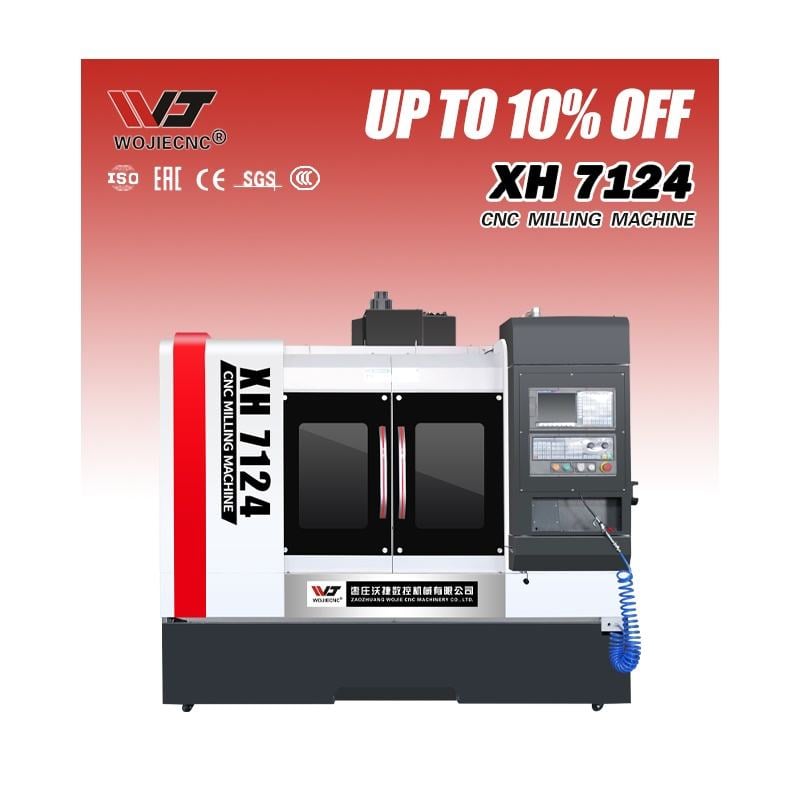
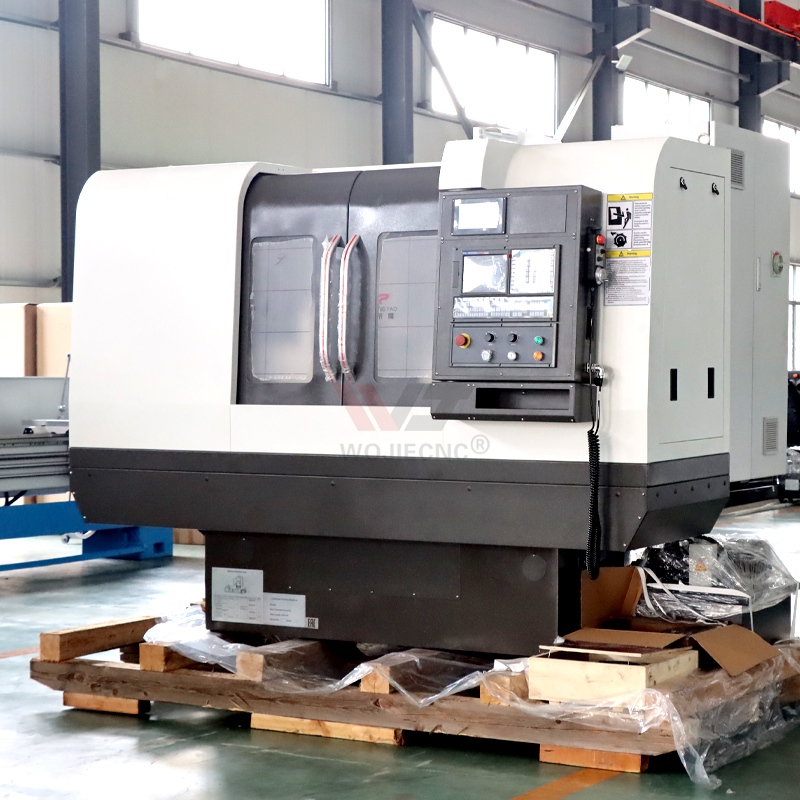
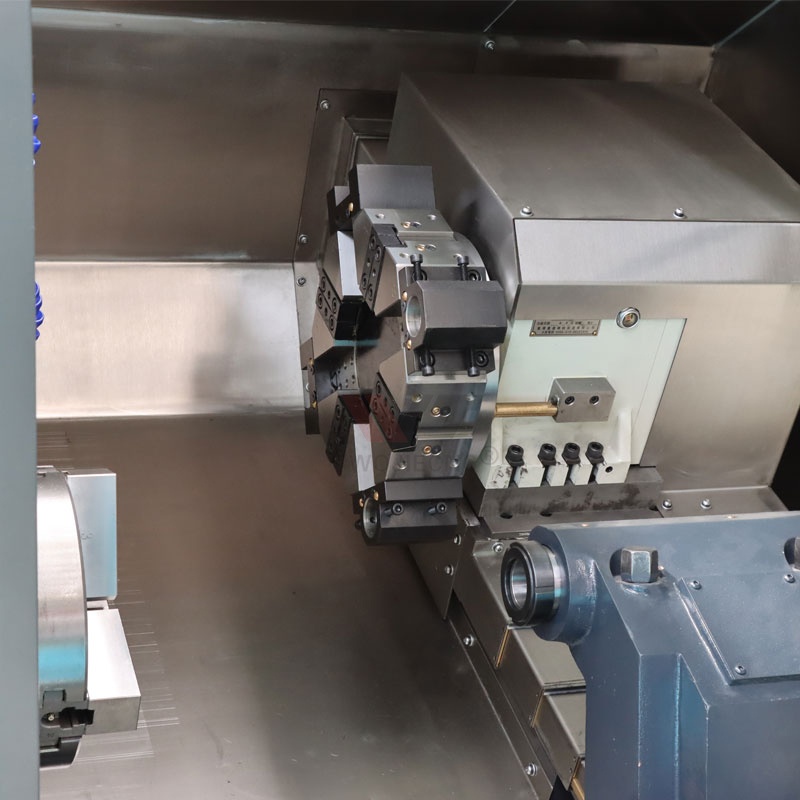
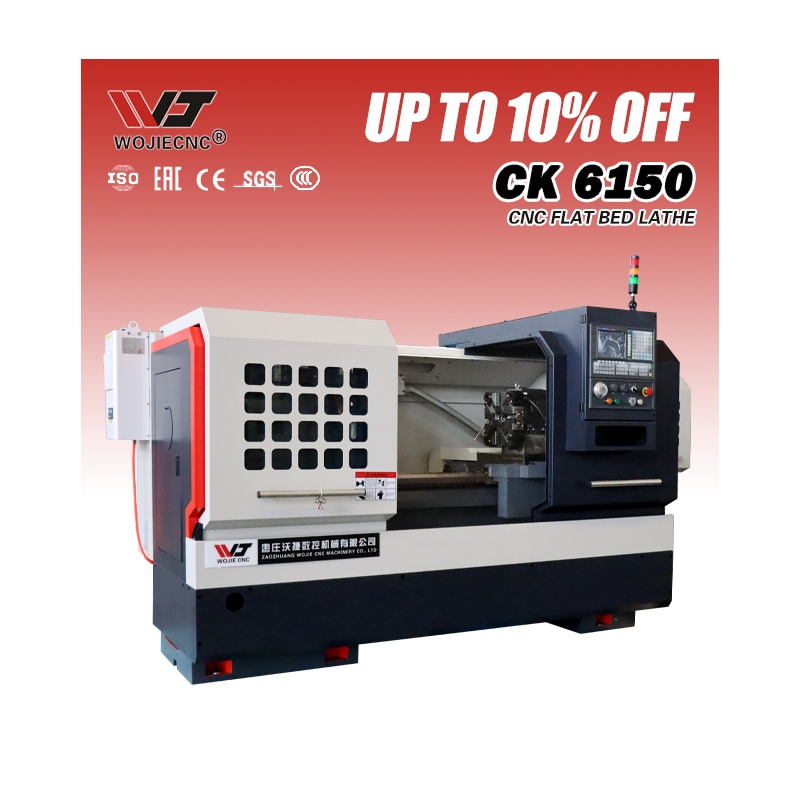
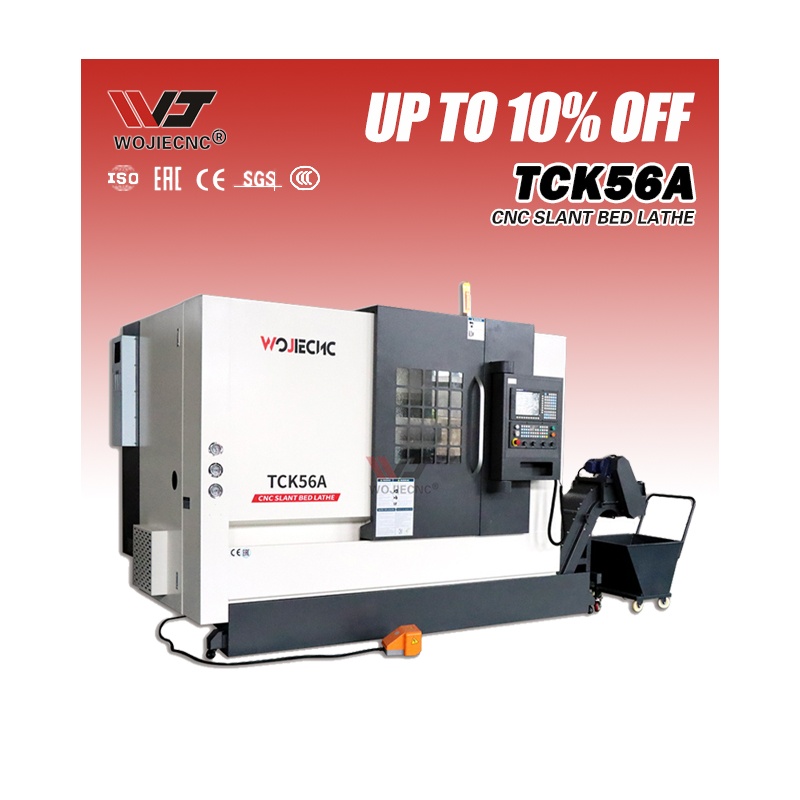
A cnc lathe milling machine is a high-precision manufacturing tool that combines turning and milling operations into a single, computer-controlled unit. By integrating these two processes, it eliminates the need to transfer workpieces between separate machines, significantly reducing production time and the risk of dimensional errors. The cnc lathe milling machine uses programmable numerical control to execute complex cutting paths with exceptional repeatability, making it ideal for both prototyping and large-scale production runs. At its core, the machine features a rotating spindle for lathe work alongside multi-axis milling capabilities, allowing operators to create threads, contours, grooves, and flat surfaces on a single setup. Advanced models include live tooling, C-axis control, and Y-axis movement, enabling true five-axis machining of intricate geometries. The control system typically runs industry-standard G-code, which experienced machinists and newer CNC programmers alike can learn quickly. Built from rigid cast-iron or welded steel frames, these machines absorb vibration effectively and maintain tight tolerances over extended operating hours. Cooling systems and chip conveyors keep the cutting zone clean, extending tool life and protecting surface finish quality. Industries that regularly rely on the cnc lathe milling machine include aerospace, automotive, medical device manufacturing, oil and gas, and general precision engineering. Whether producing a one-off custom shaft or machining thousands of valve bodies, this versatile platform delivers consistent dimensional accuracy, improved workflow efficiency, and reduced floor-space requirements compared to running dedicated turning and milling centers side by side.

New Products

Choosing a cnc lathe milling machine gives your shop a clear competitive edge from the very first production run. Here are the practical benefits that matter most to buyers making real purchasing decisions. First, you cut cycle time dramatically. Because turning and milling happen on the same platform without re-fixturing, parts move from raw stock to finished component far faster than on separate machines. That speed translates directly into lower labor costs and higher throughput per shift. Second, accuracy improves automatically. Every time you move a part between machines, you introduce potential alignment error. The cnc lathe milling machine eliminates those transfers, so concentricity, parallelism, and positional tolerances stay tighter without extra inspection steps. Third, floor space shrinks. A single combined machine occupies roughly half the footprint of two standalone units, freeing valuable shop floor area for additional equipment or storage. Fourth, tooling and programming costs consolidate. Rather than maintaining separate tool libraries and CNC programs for a lathe and a mill, your team manages one unified setup, reducing administrative overhead and training time for new operators. Fifth, the cnc lathe milling machine handles a wide range of materials including steel, aluminum, titanium, brass, and engineering plastics, making it suitable for job shops that frequently switch between different customer orders. Sixth, modern control interfaces feature conversational programming and simulation previews, so operators can verify toolpaths visually before cutting begins, preventing costly mistakes and scrapped parts. Seventh, resale value remains strong because combined machining centers stay in demand across multiple industries. For small shops scaling up and large facilities optimizing workflow, investing in a cnc lathe milling machine delivers measurable returns in productivity, quality, and operational simplicity every day.

Tips And Tricks

Why should factories consider automation when upgrading their punching machines?

01

Apr

Why should factories consider automation when upgrading their punching machines?

Modern manufacturing environments demand higher productivity, tighter tolerances, and lower operational costs than ever before. As factories evaluate equipment upgrades, the decision to integrate automation into punching machine operations has become...
View More
Is automated control on a grinding machine worth the investment for manufacturers?

25

May

Is automated control on a grinding machine worth the investment for manufacturers?

For manufacturers operating in precision-driven industries, the decision to invest in automated control on a grinding machine is rarely straightforward. The upfront cost, the integration complexity, and the learning curve for operators all weigh heav...
View More
How do manufacturers select a hydraulic press machine for metal stamping?

01

Jun

How do manufacturers select a hydraulic press machine for metal stamping?

Selecting the right hydraulic press machine for metal stamping is one of the most consequential decisions a manufacturer can make. The hydraulic press machine sits at the heart of stamping operations, directly influencing part quality, cycle time, to...
View More
Which CNC machining center specs matter most for factories upgrading equipment?

08

Jun

Which CNC machining center specs matter most for factories upgrading equipment?

Factory managers evaluating equipment upgrades face a critical decision: which cnc machining center specifications genuinely impact production capacity, and which represent marketing embellishments? Understanding the distinction determines whether yo...
View More

Get a Free Quote

Our representative will contact you soon.
Email
Mobile/WhatsApp
Name
Company Name
Message
0/1000

cnc lathe milling machine

Simultaneous Turning and Milling in One Setup

Simultaneous Turning and Milling in One Setup

The defining strength of any cnc lathe milling machine is its ability to perform both turning and milling operations without removing the workpiece from the chuck. Traditional workflows require machinists to complete lathe work, then manually reposition the part on a separate milling center, a process that wastes time and introduces cumulative positioning errors. With live tooling and C-axis indexing, the cnc lathe milling machine drives rotating cutting tools while the spindle holds the part at precise angular positions. The result is a seamless transition between operations such as turning a diameter, milling a flat, drilling an off-center hole, and cutting a keyway, all within a single program. This integrated approach shortens total cycle time by up to forty percent on complex parts, reduces fixturing costs, and ensures that all features share a common datum, which is critical for tight geometric tolerances in aerospace and medical applications.
Advanced Multi-Axis Control for Complex Geometries

Advanced Multi-Axis Control for Complex Geometries

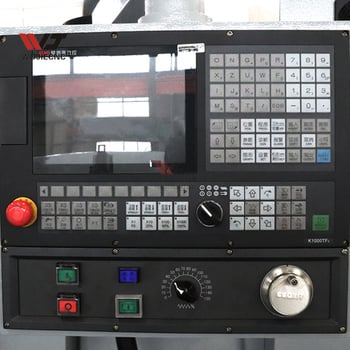
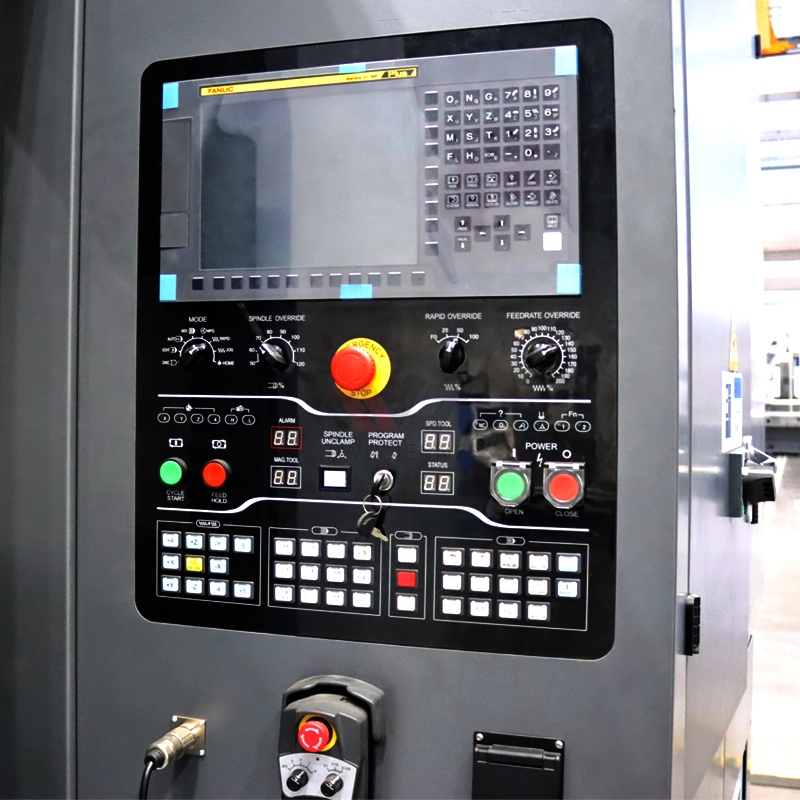
Modern cnc lathe milling machine platforms offer three-axis, four-axis, and full five-axis configurations that open the door to geometries previously impossible without specialized equipment. Y-axis travel allows off-center milling far from the spindle centerline, while B-axis tilting heads enable undercut features and compound angles in a single clamping. The CNC controller interpolates all axes simultaneously, producing smooth curved surfaces with minimal hand-finishing required. Programming is handled through CAM software that generates optimized toolpaths, and on-screen simulation lets operators catch collisions before the first chip flies. This level of control makes the cnc lathe milling machine indispensable for producing turbine blades, orthopedic implants, hydraulic manifolds, and custom automotive components where complex three-dimensional profiles demand both precision and efficiency. Shops investing in multi-axis capability can take on higher-value contracts that simpler two-axis lathes cannot fulfill.
Robust Construction Ensures Long-Term Precision

Robust Construction Ensures Long-Term Precision

Precision over thousands of operating hours depends entirely on structural integrity, and leading cnc lathe milling machine designs address this with heavy cast-iron or polymer-concrete bases that absorb vibration and resist thermal distortion. Hardened and ground linear guides combined with preloaded ball screws maintain sub-micron positioning repeatability across the full travel range. Spindle bearings are precision-matched sets rated for both high-speed milling and heavy-duty turning loads, ensuring smooth performance regardless of the cutting strategy in use. Automatic lubrication systems deliver measured quantities of oil to every sliding surface on a timed cycle, eliminating manual greasing and reducing wear. Integrated coolant management, including through-spindle coolant options, keeps cutting temperatures stable, which directly protects tool life and surface finish consistency. Buyers can expect a well-maintained cnc lathe milling machine to deliver reliable, high-accuracy output for fifteen or more years, making it a sound long-term capital investment.
CNC Lathe Milling Machine | Precision Machining

Get a Free Quote

Our representative will contact you soon.
Email
Mobile/WhatsApp
Name
Company Name
Message
0/1000
email goToTop