CNC Turning Center Solutions: Advanced Precision Machining Technology for Modern Manufacturing

Get a Free Quote

Our representative will contact you soon.
Email
Mobile/WhatsApp
Name
Company Name
Message
0/1000

cnc turning center

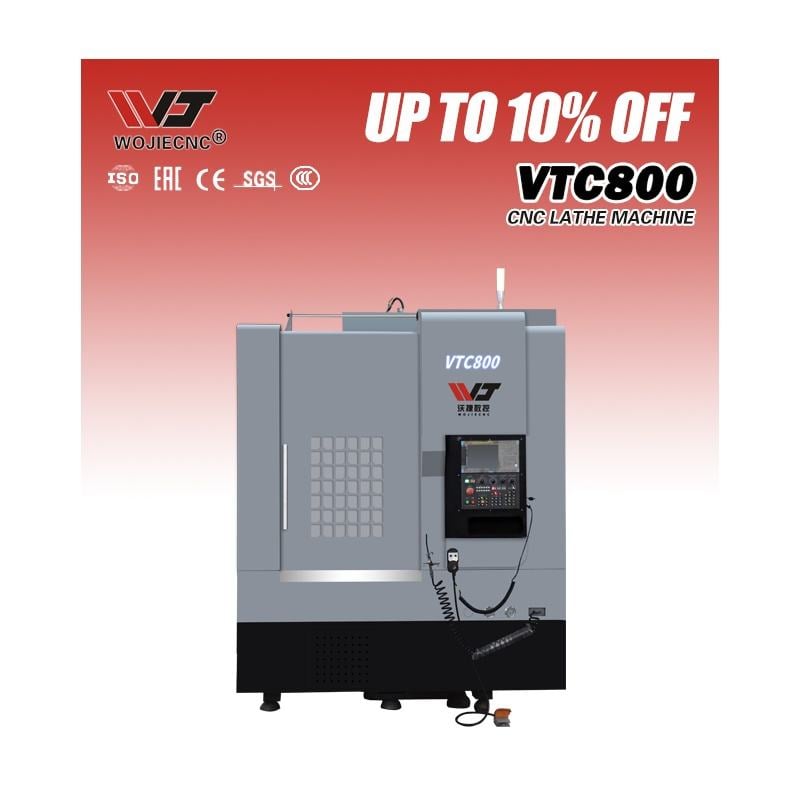
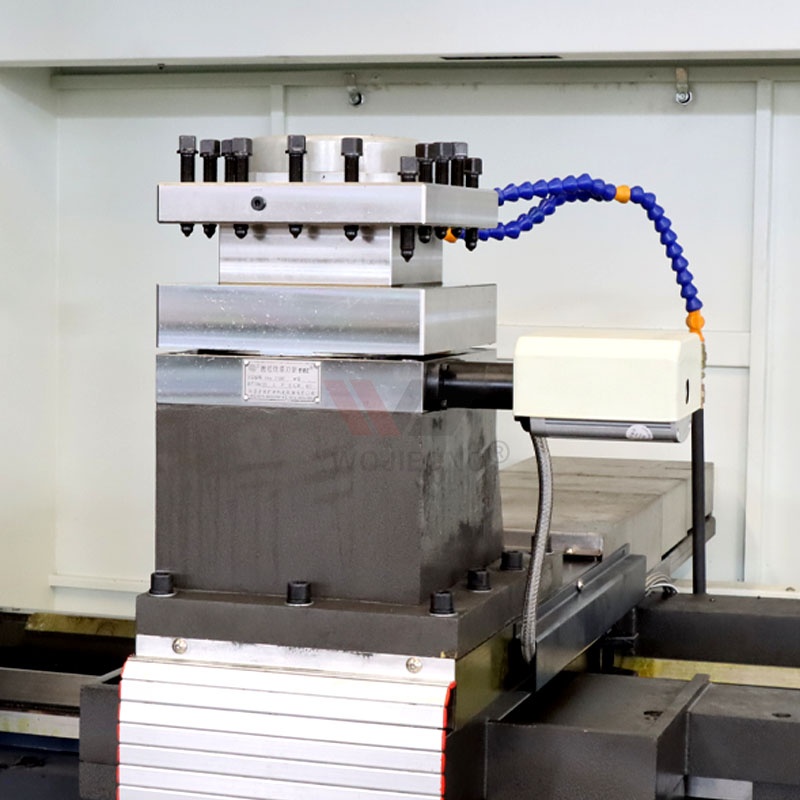
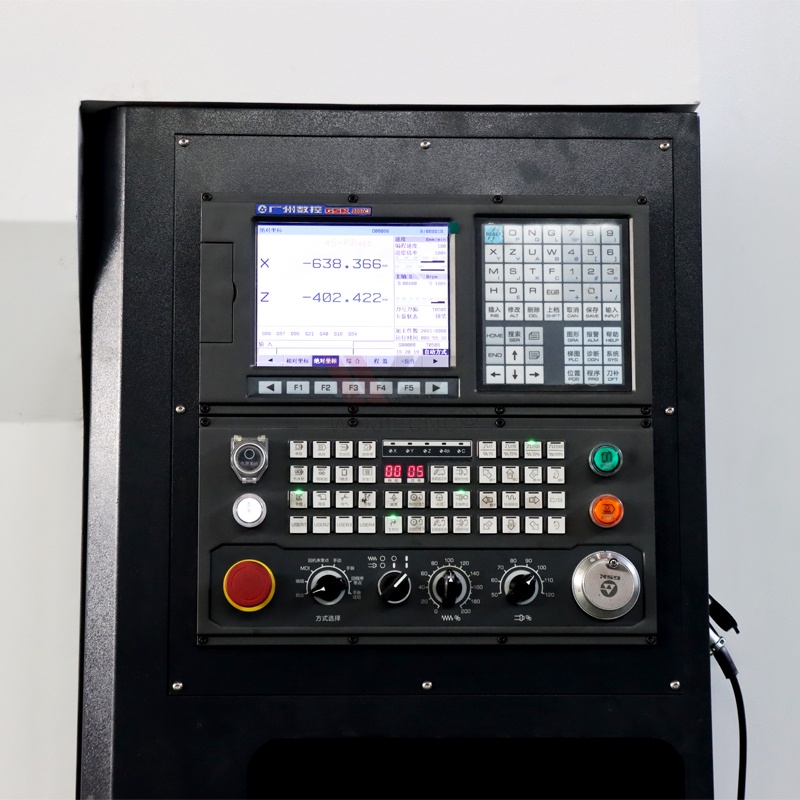
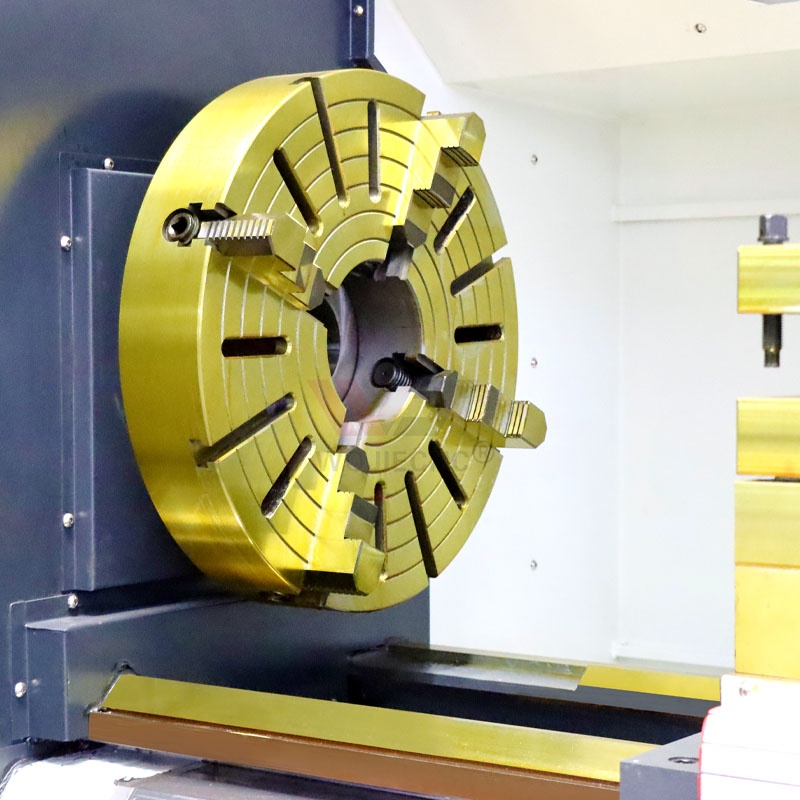
A CNC turning center represents a sophisticated manufacturing solution that combines advanced computer numerical control technology with precision turning operations. This versatile machine tool operates by rotating workpieces while cutting tools remove material to create cylindrical, conical, and complex geometric shapes with exceptional accuracy. The CNC turning center utilizes computerized programming to control tool movement, spindle speed, and feed rates, ensuring consistent results across production runs. Modern CNC turning centers feature multiple axes of movement, typically including X-axis for radial positioning and Z-axis for longitudinal movement, with advanced models incorporating Y-axis capability for off-center operations. The technological foundation relies on servo motors, linear guides, and precision ball screws that deliver repeatable positioning accuracy within microns. Tool turrets accommodate multiple cutting tools, enabling automatic tool changes during machining cycles without operator intervention. Coolant systems maintain optimal cutting temperatures while chip evacuation mechanisms ensure clean operation. Programming flexibility allows operators to create complex part geometries through G-code instructions or user-friendly conversational programming interfaces. The CNC turning center excels in manufacturing applications spanning automotive components, aerospace parts, medical devices, and general machining operations. Industries rely on these machines for producing shafts, bushings, flanges, and intricate turned components that demand tight tolerances. The integration of live tooling capabilities expands functionality beyond traditional turning operations, enabling drilling, milling, and tapping operations within a single setup. Quality control features include in-process measurement systems and automatic tool wear compensation that maintain dimensional accuracy throughout extended production runs. The CNC turning center represents an essential investment for manufacturers seeking to enhance productivity, reduce labor costs, and achieve superior part quality in their turning operations.

New Product Releases

Manufacturing facilities gain significant competitive advantages by implementing CNC turning center technology in their production operations. These machines dramatically increase productivity by operating continuously with minimal human intervention, allowing manufacturers to maintain consistent output levels throughout extended shifts. The automated nature of CNC turning centers reduces labor requirements while simultaneously improving part quality through precise computer control that eliminates human error variables. Operators can program complex machining sequences that execute repeatedly with identical results, ensuring every component meets exact specifications without deviation. The flexibility of CNC turning center programming enables rapid changeovers between different part designs, reducing setup times and increasing overall equipment effectiveness. Manufacturers benefit from reduced material waste as the precise control systems optimize cutting paths and minimize scrap generation. The ability to machine complex geometries in single setups eliminates multiple handling operations that traditionally required separate machines and fixtures. Cost savings accumulate through improved cycle times, reduced reject rates, and lower labor expenses associated with automated operation. Quality improvements result from the consistent execution of programmed parameters that maintain tight tolerances throughout production runs. The CNC turning center delivers superior surface finishes through controlled cutting parameters and optimal tool selection. Maintenance requirements remain minimal due to robust construction and advanced diagnostic capabilities that monitor machine performance continuously. Training requirements decrease as operators work with user-friendly interfaces rather than manual machine controls. Production scheduling becomes more predictable with reliable cycle times and consistent machine availability. The investment in CNC turning center technology typically provides rapid return through increased throughput and reduced operating costs. Manufacturers experience enhanced capability to accept complex projects that require precision turning operations. The scalability of CNC turning center operations allows businesses to expand production capacity without proportional increases in labor costs. These machines integrate seamlessly with modern manufacturing systems, supporting lean production principles and just-in-time delivery requirements. Long-term reliability ensures consistent performance over years of operation with proper maintenance protocols.

Tips And Tricks

Zaozhuang Wojie CNC Machinery Co., Ltd.: 30+ Years of CNC Mastery, Your Global Trusted Partner

03

Nov

Zaozhuang Wojie CNC Machinery Co., Ltd.: 30+ Years of CNC Mastery, Your Global Trusted Partner

View More
Wojie CNC Shines at International Machine Tool Exhibitions: Forging Global Partnerships with CNC Expertise

30

Oct

Wojie CNC Shines at International Machine Tool Exhibitions: Forging Global Partnerships with CNC Expertise

View More
Wojie CNC Hot-Selling Machines: Full-Scene Precision Machining Solutions for Global Manufacturers

30

Oct

Wojie CNC Hot-Selling Machines: Full-Scene Precision Machining Solutions for Global Manufacturers

View More

Get a Free Quote

Our representative will contact you soon.
Email
Mobile/WhatsApp
Name
Company Name
Message
0/1000

cnc turning center

Advanced Multi-Axis Precision Technology

Advanced Multi-Axis Precision Technology

The CNC turning center incorporates cutting-edge multi-axis technology that revolutionizes precision machining capabilities for modern manufacturing operations. This sophisticated system utilizes multiple controlled axes working in perfect synchronization to achieve complex part geometries that would be impossible with conventional turning equipment. The primary X and Z axes provide fundamental radial and longitudinal positioning, while advanced models feature Y-axis capability that enables off-center machining operations and complex contouring. The integration of C-axis functionality transforms the spindle into a rotary positioning device, allowing precise angular positioning for drilling, milling, and other secondary operations. This multi-axis coordination enables manufacturers to complete complex components in single setups, eliminating the need for multiple machine transfers that introduce positioning errors and increase production time. The servo motor technology driving each axis delivers exceptional accuracy with resolution typically measured in tenths of microns, ensuring consistent repeatability across thousands of production cycles. Linear encoder feedback systems continuously monitor axis positions, providing real-time corrections that maintain precise tool positioning throughout the machining process. The advanced control algorithms compensate for thermal expansion, mechanical wear, and other variables that could affect dimensional accuracy. Ball screw drive systems eliminate backlash while providing smooth, precise movement across the entire travel range. The rigid machine construction minimizes vibration and deflection, maintaining accuracy even under heavy cutting loads. This technological sophistication translates directly into superior part quality, reduced scrap rates, and the ability to hold tight tolerances that meet demanding industry standards. Manufacturers benefit from expanded capability to accept challenging projects requiring complex turned components with intricate features. The investment in advanced multi-axis technology pays dividends through improved efficiency, enhanced part quality, and competitive advantages in precision manufacturing markets.
Integrated Live Tooling Capabilities

Integrated Live Tooling Capabilities

The CNC turning center transforms traditional turning operations through integrated live tooling capabilities that expand machining possibilities far beyond conventional lathe functionality. Live tooling systems incorporate powered spindles within the tool turret, enabling drilling, milling, tapping, and other rotary cutting operations while the main workpiece remains securely chucked. This integration eliminates the need for secondary operations on separate machines, reducing handling time, setup costs, and potential positioning errors that occur during part transfers. The live tooling capability features independent motor drives that provide optimal cutting speeds for different tool types and materials, ensuring efficient material removal rates for each operation. Manufacturers can complete complex components featuring turned surfaces, drilled holes, milled flats, and threaded features in single setups, dramatically reducing total production time. The synchronization between main spindle rotation and live tooling operations enables advanced machining strategies such as helical interpolation, complex hole patterns, and multi-directional cutting paths. Tool management systems automatically select appropriate tools and cutting parameters for each operation, optimizing performance while minimizing tool wear. The live tooling capability supports various tool holders and cutting tools, providing flexibility to adapt to different part requirements and machining strategies. Coolant delivery systems ensure proper lubrication and chip evacuation for live tooling operations, maintaining optimal cutting conditions throughout the machining cycle. Programming interfaces simplify the creation of complex machining sequences that coordinate turning and live tooling operations seamlessly. Quality control benefits from maintaining part location accuracy throughout all operations, eliminating accumulation of positioning errors that occur with multiple setups. The economic advantages include reduced labor costs, faster production cycles, and improved part quality that meets stringent manufacturing requirements. This comprehensive machining capability positions manufacturers to compete effectively in markets demanding complex precision components.
Intelligent Automation and Quality Control Systems

Intelligent Automation and Quality Control Systems

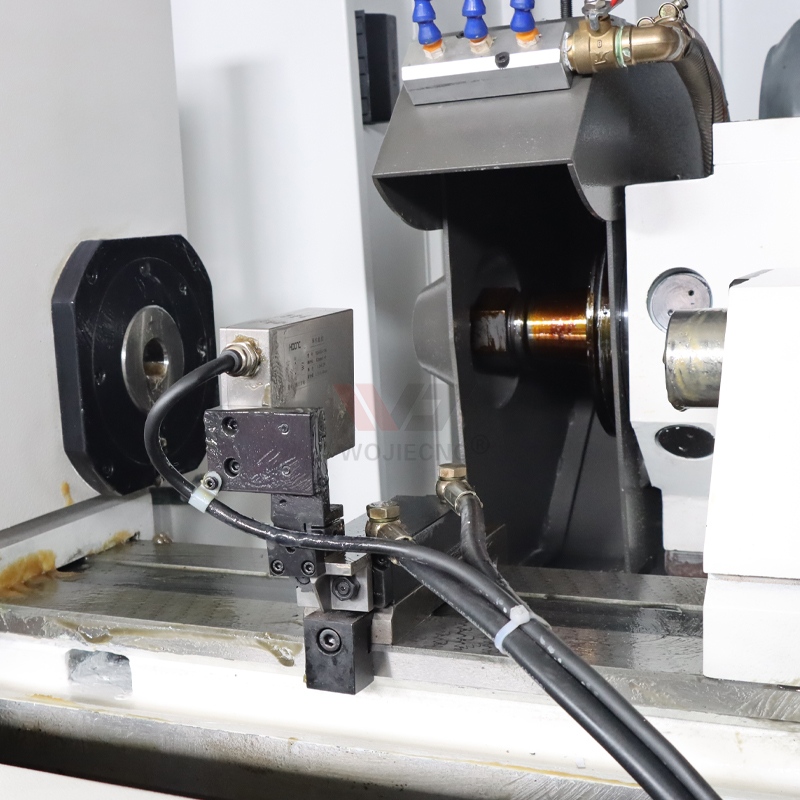
The CNC turning center incorporates intelligent automation and quality control systems that deliver unprecedented levels of production efficiency and part consistency for modern manufacturing environments. These advanced systems utilize sophisticated sensors, monitoring technologies, and adaptive control algorithms to optimize machining performance automatically while maintaining strict quality standards throughout production runs. In-process measurement capabilities continuously monitor critical dimensions during machining operations, providing real-time feedback that enables automatic adjustments to cutting parameters and tool positions. Touch probe systems perform automated part setup and measurement cycles, eliminating manual inspection requirements while ensuring dimensional accuracy. Tool wear monitoring systems track cutting tool condition continuously, predicting optimal tool change intervals to prevent quality issues and maintain consistent surface finishes. The adaptive control technology automatically adjusts feed rates, spindle speeds, and cutting depths based on real-time cutting force feedback, optimizing material removal rates while preventing tool damage or part distortion. Automatic tool offset compensation maintains dimensional accuracy as tools experience normal wear, extending tool life while preserving part quality. The integrated quality management systems generate detailed production reports documenting dimensional measurements, process parameters, and quality trends for comprehensive traceability. Statistical process control capabilities identify quality trends before they result in out-of-specification parts, enabling proactive adjustments that maintain consistent output quality. Machine health monitoring systems continuously assess mechanical components, predicting maintenance requirements and preventing unexpected downtime. The automation extends to material handling through integration with bar feeders, part catchers, and robotic systems that enable lights-out production capabilities. Remote monitoring capabilities allow operators to oversee multiple machines simultaneously while receiving alerts for any conditions requiring attention. These intelligent systems reduce operator skill requirements while improving consistency compared to manual operations. The comprehensive automation and quality control features translate into measurable benefits including reduced scrap rates, improved first-pass quality, lower labor costs, and enhanced production predictability that supports lean manufacturing principles and demanding delivery schedules.
CNC Turning Center Solutions: Advanced Precision Machining Technology for Modern Manufacturing

Get a Free Quote

Our representative will contact you soon.
Email
Mobile/WhatsApp
Name
Company Name
Message
0/1000
email goToTop