
 EN
EN



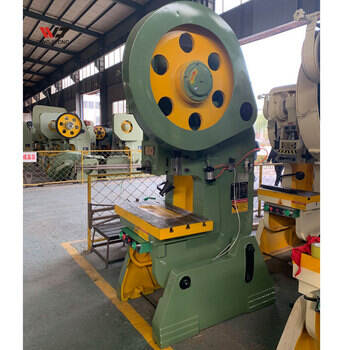
In precision metal fabrication, understanding what specifications influence punching accuracy and stability is fundamental to achieving consistent, high-quality results. While punching machine operations appear straightforward, the dimensional precision and operational stability depend on a complex interplay of mechanical specifications, control system capabilities, and structural design parameters. Engineers and production managers selecting or optimizing punching machine systems must evaluate critical specifications that directly determine whether parts meet tight tolerances, whether the equipment maintains performance over extended production runs, and whether quality remains consistent across varying material conditions and production volumes.
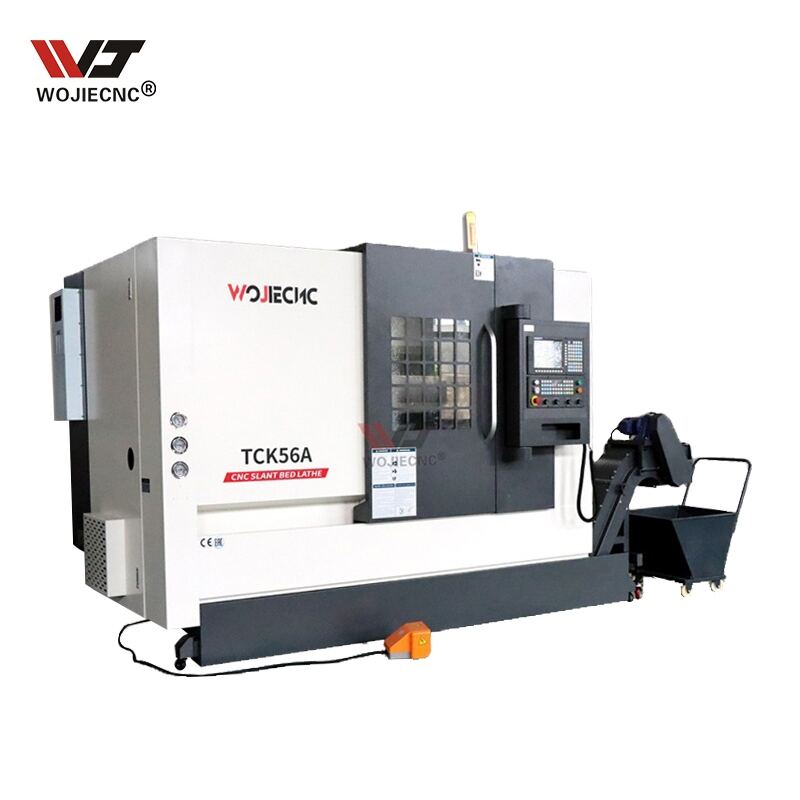
The specifications that govern punching accuracy and stability extend beyond simple tonnage ratings or stroke length measurements. Frame rigidity characteristics, ram guidance systems, drive mechanism precision, control resolution, and thermal compensation capabilities all contribute measurably to how accurately a punching machine positions tooling and maintains force application consistency. These specifications interact dynamically during operation, meaning that isolated evaluation of individual parameters without considering their systemic relationships can lead to equipment selection that underperforms in actual production environments. This article examines the specific technical specifications that manufacturing professionals must prioritize when accuracy and stability requirements define project success.
Structural Rigidity Specifications and Frame Design Parameters
Frame Material Composition and Construction Method
The material specification and construction methodology of the punching machine frame establish the foundation for all accuracy and stability performance. Cast iron frames with specified minimum Brinell hardness ratings provide superior vibration damping compared to welded steel structures, directly influencing how the punching machine absorbs shock loads during the punching cycle. Specification sheets should detail the frame material grade, casting method if applicable, and any stress-relief treatments applied during manufacturing. Frames constructed from high-grade cast iron with specifications indicating tensile strength exceeding 250 MPa and featuring ribbed internal structures demonstrate measurably better dimensional stability under cyclical loading than lighter fabricated alternatives.
The frame geometry specification, including throat depth, bed surface area, and column spacing, determines how effectively the structure resists deflection during punching operations. A punching machine specification listing a C-frame design must include deflection coefficients under rated tonnage, as C-frames inherently experience more deformation than straight-side configurations. Manufacturing facilities processing materials requiring positional accuracy within ±0.05mm should prioritize punching machine specifications showing frame deflection values below 0.02mm per ton of applied force. The relationship between frame mass and operational stability appears in specification comparisons where heavier frames of identical tonnage ratings consistently deliver better repeat accuracy in production environments.
Bed Surface Flatness and Parallelism Tolerances
Bed surface specifications directly influence how consistently the punching machine maintains tooling alignment throughout the stroke cycle. Precision grinding specifications for bed surfaces should indicate flatness tolerances within 0.02mm across the entire working area, with parallelism between bed and ram mounting surfaces held to similar tolerances. These geometric specifications become particularly critical when the punching machine performs operations requiring multiple hits in precise patterns, as accumulated positioning errors from non-parallel surfaces compound across sequential operations. Verification documentation should accompany punching machine specifications, showing actual measured bed flatness at delivery rather than simply listing nominal design tolerances.
The bed material hardness specification affects long-term stability as softer bed surfaces develop wear patterns that progressively degrade accuracy. Specifications indicating surface hardness values of HRC 55 or higher, achieved through induction hardening or nitride treatment, ensure the punching machine maintains geometric accuracy over millions of operational cycles. Production environments running high-volume operations should verify that punching machine specifications include not just initial flatness values but also projected flatness degradation rates based on expected cycle counts and material types being processed.
Column and Tie-Rod Specifications for Straight-Side Machines
For straight-side punching machine configurations, the column diameter, tie-rod material specification, and preload tension values determine structural rigidity under off-center loading conditions. Specifications should detail tie-rod diameter, material grade with minimum yield strength values, and the preload tension applied during assembly. A punching machine specification listing four tie-rods of 100mm diameter in high-tensile alloy steel with 150 kN preload per rod indicates superior resistance to frame spreading compared to smaller diameter or lower-preload alternatives. Off-center punching operations create asymmetric loading that tests structural specifications, making tie-rod and column specifications particularly relevant for facilities performing varied tooling setups.
Column spacing specifications influence the effective working envelope and structural response characteristics of the punching machine. Wider column spacing increases versatility but may reduce torsional rigidity unless compensated by proportionally larger column cross-sections. Specification comparisons should evaluate the ratio between column spacing and column diameter, with optimal punching machine designs maintaining ratios that prevent measurable twist under maximum rated eccentric loading. Finite element analysis results showing deflection patterns under various loading scenarios provide valuable supplementary data to basic dimensional specifications when evaluating structural adequacy for precision applications.
Ram Guidance and Drive System Precision Specifications
Linear Guide Specification and Bearing Preload Values
The ram guidance system specification fundamentally determines how accurately the punching machine maintains vertical alignment throughout the stroke cycle. Specifications should detail the guide type, whether bronze bushing, roller bearing, or linear guide rail systems, along with dimensional tolerances for guide-to-ram clearances. Precision punching machine models specify linear roller guide systems with preload classifications, where medium preload settings balance operational smoothness with positioning rigidity. Guide specifications listing clearance values below 0.01mm and incorporating automatic lubrication systems demonstrate design priorities favoring accuracy over maximum speed capabilities.
The number and positioning of guide elements affects stability during punching operations, particularly when tooling creates lateral forces. A punching machine specification showing four-point guidance with guides positioned at maximum practical spacing provides superior resistance to ram tilting compared to two-point systems. Specifications should include perpendicularity tolerances between guide surfaces and the ram mounting face, as even minor angular deviations multiply across stroke length to create significant positional errors at the tooling interface. Manufacturing facilities should verify that punching machine specifications include angular deviation limits below 0.005 degrees per meter of stroke length for applications requiring tight hole positional tolerances.
Drive Mechanism Specifications and Backlash Elimination
The drive system specification, whether mechanical clutch-brake, hydraulic, or servo-electric, determines positioning resolution and force application consistency. Servo-driven punching machine specifications should detail encoder resolution, typically 20-bit or higher for precision applications, along with positioning repeatability values. A specification listing ±0.01mm positioning repeatability indicates the punching machine can reliably return to programmed positions across thousands of cycles, critical for progressive die operations. Hydraulic drive specifications must include pressure regulation accuracy and flow control precision, as variations in hydraulic pressure translate directly to force inconsistencies during the punching cycle.
Mechanical drive specifications for eccentric or crankshaft systems should include bearing specification details, shaft runout tolerances, and any backlash elimination mechanisms. A punching machine specification indicating main bearings with radial runout below 0.005mm and incorporating anti-backlash gearing demonstrates attention to precision that translates into operational accuracy. The flywheel specification, including mass and rotational speed, influences energy delivery consistency, with larger, slower-rotating flywheels generally providing more stable energy release than smaller, faster alternatives. Production environments processing materials with varying hardness should prioritize punching machine specifications showing flywheel energy capacity exceeding punching energy requirements by at least 50% to maintain force consistency across material variations.
Stroke Length Adjustment Precision and Die Height Specifications
Die height adjustment mechanisms and their associated specifications determine how precisely the punching machine accommodates different tooling setups while maintaining accuracy. Specifications should detail the adjustment method, whether manual with vernier scales, motorized with digital readout, or fully automated, along with resolution values. A punching machine specification listing motorized die height adjustment with 0.01mm resolution and position feedback enables rapid, accurate tooling changes that maintain production consistency. Locking mechanism specifications, including clamping force and positional retention under load, ensure that die height settings remain stable throughout production runs.
Stroke length adjustment specifications affect versatility without compromising accuracy when properly implemented. Specifications should indicate the adjustment range, increment resolution, and whether adjustment occurs at top dead center, bottom dead center, or both positions. Punching machine models offering stroke adjustment in 1mm increments with digital position verification provide operational flexibility while maintaining the positional accuracy required for precision work. The specification should clarify whether stroke adjustment affects only the maximum depth or also influences the approach speed profile, as variable-speed stroke profiles impact both productivity and dimensional accuracy in thin-material applications.
Control System Specifications and Feedback Mechanisms
Position Monitoring Resolution and Real-Time Feedback
The control system specification determines how precisely the punching machine monitors and adjusts operational parameters during production. CNC-equipped punching machine specifications should detail the control processor speed, position feedback resolution, and real-time adjustment capabilities. Systems specifying 32-bit processing with position monitoring at microsecond intervals can detect and compensate for minor variations that conventional controls miss entirely. Encoder specifications showing resolution of 0.001mm or finer enable the punching machine to maintain dimensional accuracy even when processing materials with inconsistent thickness or hardness properties.
Closed-loop control specifications indicate whether the punching machine actively monitors actual ram position versus commanded position and makes real-time corrections. A specification detailing closed-loop servo control with position error correction within 0.005mm demonstrates advanced capability to maintain accuracy despite thermal expansion, tool wear, or material springback variations. The control update frequency specification, measured in milliseconds, determines how quickly the punching machine responds to detected deviations, with faster update rates providing better accuracy maintenance during high-speed operations. Production facilities should verify that punching machine control specifications include fail-safe protocols that halt operation if position feedback indicates accuracy degradation beyond acceptable thresholds.
Force Monitoring and Overload Protection Specifications
Force monitoring specifications enable the punching machine to maintain consistent punch quality and protect tooling from damage. Load cell specifications should indicate measurement resolution, typically 0.1% of rated capacity or finer for precision applications, along with sampling frequency. A punching machine specification including real-time force monitoring at 1kHz sampling rates can detect tool breakthrough, material variations, or progressive tool wear based on subtle force signature changes. These specifications become particularly valuable in production environments where material properties vary within specified ranges, as force feedback allows the punching machine to compensate automatically or alert operators to conditions requiring attention.
Overload protection specifications determine how effectively the punching machine prevents damage from setup errors or unexpected conditions. Specifications should detail the response time from overload detection to drive disengagement, with values below 10 milliseconds indicating protection systems capable of preventing damage even during high-speed operations. Electronic overload systems specified with programmable threshold settings provide more precise protection than mechanical shear pin designs, allowing the punching machine to distinguish between normal load variations and genuine overload conditions. Manufacturing facilities processing expensive materials or using costly tooling should prioritize punching machine specifications showing multi-level overload protection with both warning and shutdown thresholds.
Thermal Compensation and Environmental Specifications
Thermal compensation specifications address how the punching machine maintains dimensional accuracy as components expand and contract with temperature changes. Advanced specifications include temperature sensors at critical locations with compensation algorithms that adjust positional commands based on measured thermal expansion. A punching machine specification detailing thermal compensation across a 15-30°C operational range with automatic position adjustment maintains accuracy in facilities without strict climate control. The thermal stability specification should indicate expected dimensional drift per degree of temperature change, with values below 0.002mm per degree indicating robust thermal management design.
Environmental operating specifications define the conditions under which the punching machine maintains specified accuracy and stability performance. Specifications should include temperature range, humidity tolerance, vibration immunity, and any special requirements for foundation or installation. A specification indicating operational accuracy maintenance within ±20% humidity variation and ±5°C temperature fluctuation demonstrates suitability for typical manufacturing environments. Facilities in challenging environments should verify that punching machine specifications address relevant conditions, such as coastal installations requiring enhanced corrosion protection or high-altitude locations where hydraulic system specifications may require modification.
Tooling Interface Specifications and Quick-Change Systems
Die Mounting Surface Specifications and Parallelism
The tooling mounting surface specifications directly influence how accurately dies transfer force and maintain positional relationships during punching operations. Ram and bed mounting surface specifications should include flatness tolerances, typically within 0.015mm across the mounting area, and parallelism between upper and lower mounting surfaces held to similar tolerances. A punching machine specification detailing precision-ground mounting surfaces with documented flatness measurements ensures tooling seats consistently, eliminating one variable source of dimensional variation. The mounting surface area specification affects die stability, with larger surfaces distributing clamping forces more evenly and reducing the risk of die movement under operational loads.
T-slot or mounting hole pattern specifications determine tooling compatibility and setup flexibility. Standard pattern specifications following industry conventions simplify die transfers between machines, while proprietary patterns may offer technical advantages requiring evaluation. The specification should detail slot dimensions, spacing accuracy, and the number of mounting points available across the working area. Punching machine specifications showing mounting patterns with positional accuracy within ±0.05mm enable precise die location without extensive shimming or adjustment, reducing setup time while improving operational consistency.
Quick-Die-Change System Specifications
Quick-change system specifications affect both productivity and accuracy maintenance across tooling changeovers. Hydraulic or pneumatic die clamping specifications should detail clamping force uniformity, actuation time, and positional repeatability. A punching machine specification listing automatic die clamping with 0.02mm repeatability in die height positioning enables rapid changeovers without sacrificing the accuracy that manual setups provide when executed by skilled technicians. The clamping force specification must ensure adequate retention under maximum eccentric loading while avoiding excessive force that might distort die components or mounting surfaces.
Quick-change adapter specifications should include weight capacity, height addition to the overall die setup, and any impact on the effective working area. Some punching machine specifications incorporate automated die storage and retrieval systems, where positioning accuracy specifications for the automated handling system become relevant. Facilities evaluating these advanced specifications should verify that the automation system maintains positional accuracy within ±0.1mm during die transfer operations, ensuring that the convenience of automation does not compromise the dimensional precision that manual handling provides. The durability specification of quick-change components, typically rated for minimum cycle counts, indicates expected service life before precision degradation requires maintenance or replacement.
Tool Length Compensation and Sensor Integration
Tool length compensation specifications enable the punching machine to accommodate varying die heights while maintaining programmed stroke relationships. Automatic tool length measurement specifications should detail sensor resolution and measurement repeatability, with values of ±0.01mm or better supporting precision operations. A punching machine specification including non-contact tool length measurement eliminates setup variations from manual measurement procedures, particularly valuable in high-mix production environments with frequent tooling changes. The specification should clarify whether compensation occurs automatically upon die installation or requires operator verification steps.
Sensor integration specifications for die protection and process monitoring expand the punching machine functional capabilities. Specifications detailing integrated sensor inputs for die protection devices, material presence verification, and scrap detection enable comprehensive process control. A specification showing eight or more programmable sensor inputs with microsecond-level response enables sophisticated monitoring that prevents costly die crashes and ensures consistent part quality. The control system specification should indicate how sensor feedback integrates with machine operation, whether simply providing warning signals or actively controlling the stroke cycle based on sensor status.
Material Handling and Feeding System Precision Specifications
Feed System Accuracy and Incremental Positioning
Material feeding system specifications determine positional accuracy for progressive die operations and multiple-hit patterns. Servo-driven feed specifications should detail positioning resolution, repeatability, and feed length range. A punching machine specification showing feed positioning repeatability within ±0.03mm across a 500mm feed length indicates capability to maintain hole spacing tolerances in progressive punching operations. The feed system acceleration and deceleration specifications affect cycle time while influencing material positioning accuracy, as excessive acceleration can cause material slip or buckling in thin-gauge applications.
Feed roller specifications, including diameter, material, and adjustable pressure range, affect grip consistency across varying material thicknesses and surface conditions. Specifications should indicate the material thickness range the feed system handles while maintaining specified accuracy, as systems optimized for heavy-gauge materials often sacrifice precision when processing thin foils. Punching machine installations processing materials spanning wide thickness ranges should verify that feed system specifications include automated pressure adjustment based on material thickness sensors, maintaining consistent grip without causing surface marking or dimensional distortion.
Material Support and Leveling Specifications
Material support specifications influence flatness at the punching zone, directly affecting dimensional accuracy. Adjustable support specifications should include the number of support points, adjustment resolution, and leveling mechanism type. A punching machine specification detailing ball-matrix support tables with individually adjustable height provides superior material flatness control compared to fixed-height support bars, particularly valuable when processing materials with inherent curvature or residual stress. The support surface finish specification affects material handling characteristics, with precision-ground supports offering consistent material positioning while rougher surfaces may provide better grip for certain applications.
Leveler integration specifications for coil-fed punching machine systems should detail leveling capacity, typically specified as material thickness range and yield strength limits. A specification showing five-roller or seven-roller leveling with adjustable roller penetration enables effective stress relief across varying material grades. The leveler positioning specification relative to the punching zone affects accuracy, as excessive distance allows re-curl between leveling and punching, while minimal spacing may restrict material handling flexibility. Specifications should indicate the recommended maximum distance for various material types and thicknesses to maintain optimal flatness at the die.
Scrap Handling and Clearance Specifications
Scrap handling system specifications influence reliability and may affect dimensional accuracy if inadequate clearance causes scrap accumulation at the die. Specifications should detail scrap chute dimensions, conveyor capacity if applicable, and any sensors monitoring scrap evacuation. A punching machine specification including scrap detection sensors that halt operation upon evacuation failure prevents die damage from accumulated slugs while maintaining process consistency. The die opening size specification and scrap chute alignment tolerances ensure reliable scrap passage, particularly important for small-hole punching where tight slug clearances increase jamming risk.
Stripper force specifications affect material control during punch retraction and influence dimensional accuracy in precision applications. Specifications should indicate whether stripping occurs through passive springs or active mechanisms, along with force adjustment range. Active stripper specifications showing programmable stripping force enable optimization for varying material types, preventing distortion in delicate materials while ensuring complete punch clearance in thicker stock. The stripper timing specification relative to the punch stroke determines whether stripping occurs gradually during punch retraction or rapidly at the top of the stroke, with timing optimization affecting both tool life and dimensional accuracy in critical applications.
FAQ
How do frame rigidity specifications directly impact punching accuracy in production environments?
Frame rigidity specifications determine deflection under load, which directly translates to positional variation between the punch and die. A frame specified with deflection values below 0.02mm per ton maintains tooling alignment throughout the punching cycle, ensuring consistent hole positioning and dimensional accuracy. In production environments processing varied materials, rigid frames specified with high-grade cast iron construction and substantial cross-sectional dimensions absorb force variations without positional shift, maintaining accuracy across the full tonnage range. The specification relationship between frame mass, material properties, and geometric configuration establishes the foundation upon which all other accuracy specifications build their performance.
What control system specifications are most critical for maintaining stability during high-volume punching operations?
Control system specifications governing position feedback resolution, update frequency, and closed-loop correction capability determine stability during extended production runs. Specifications showing encoder resolution of 0.001mm or finer with control updates at millisecond intervals enable real-time detection and correction of variations from thermal expansion, tool wear, or material inconsistency. For high-volume operations, specifications including force monitoring with statistical process control capabilities allow the punching machine to track performance trends and alert operators to gradual degradation before accuracy falls outside tolerances. The integration specification between position, force, and temperature monitoring creates a comprehensive control environment that maintains stability across millions of operational cycles.
How do quick-change tooling specifications affect both productivity and dimensional consistency?
Quick-change tooling specifications impact productivity through reduced setup time while affecting dimensional consistency through die positioning repeatability. Systems specified with hydraulic clamping and automated die height sensing achieve changeover times measured in minutes rather than hours while maintaining positional repeatability within 0.02mm. This repeatability specification ensures that die relationships established during initial setup reproduce accurately after each tooling change, eliminating the trial-and-adjustment cycles that consume time in manual setups. The specification balance between changeover speed and positional accuracy determines whether quick-change systems truly enhance overall productivity or simply shift time investment from setup to subsequent adjustment and quality verification activities.
What feed system specifications ensure consistent hole spacing in progressive punching applications?
Feed system specifications governing positioning repeatability, backlash elimination, and material grip consistency determine hole spacing accuracy in progressive operations. Servo-driven feed systems specified with repeatability within ±0.03mm across the feed length range maintain cumulative positional accuracy that prevents progressive spacing errors in multi-station dies. Specifications detailing closed-loop position feedback with automatic correction ensure the feed system compensates for material slip or stretch, maintaining programmed spacing despite material property variations. The integration specification between feed system control and main punching machine control enables synchronized operation where feed positioning accuracy matches the overall machine accuracy specification, creating system-level consistency rather than isolated component precision.
Table of Contents
- Structural Rigidity Specifications and Frame Design Parameters
- Ram Guidance and Drive System Precision Specifications
- Control System Specifications and Feedback Mechanisms
- Tooling Interface Specifications and Quick-Change Systems
- Material Handling and Feeding System Precision Specifications
-
FAQ
- How do frame rigidity specifications directly impact punching accuracy in production environments?
- What control system specifications are most critical for maintaining stability during high-volume punching operations?
- How do quick-change tooling specifications affect both productivity and dimensional consistency?
- What feed system specifications ensure consistent hole spacing in progressive punching applications?

