Premium Flat Bed Lathe Machine - Precision Manufacturing Solutions for Industrial Applications

Get a Free Quote

Our representative will contact you soon.
Email
Mobile/WhatsApp
Name
Company Name
Message
0/1000

flat bed lathe machine

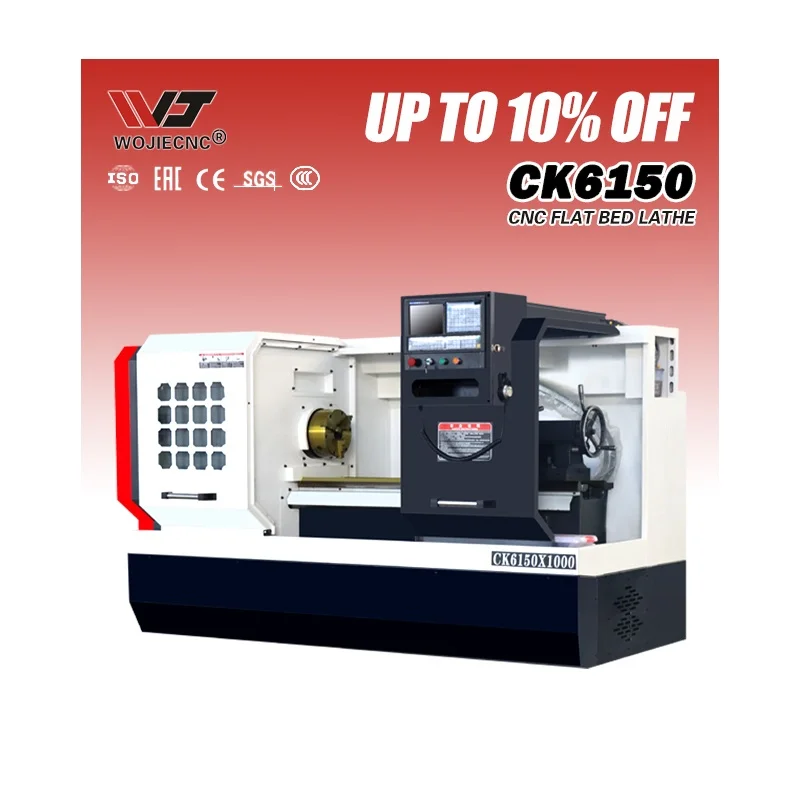
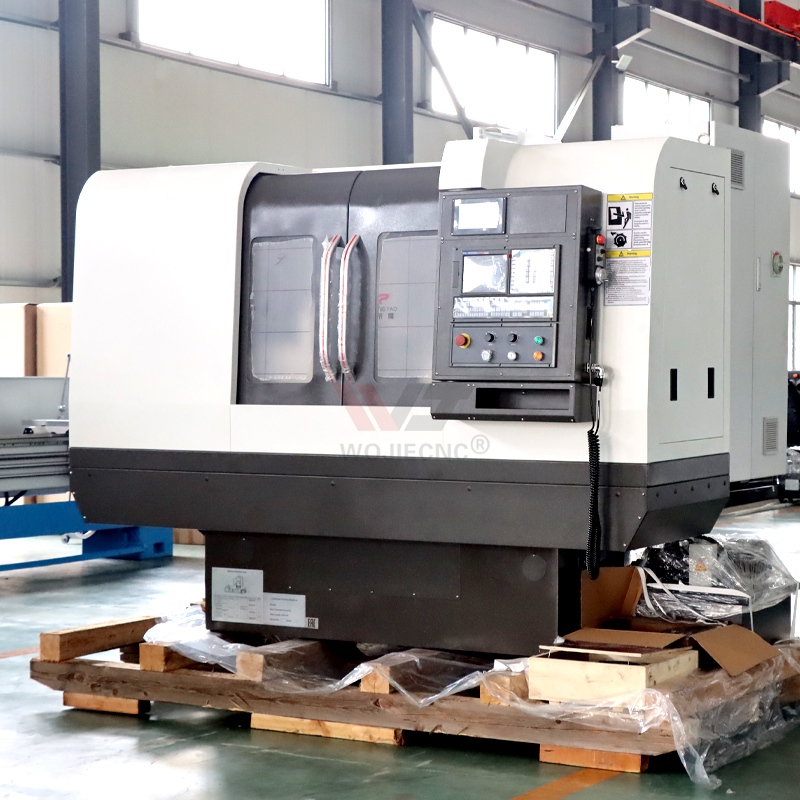
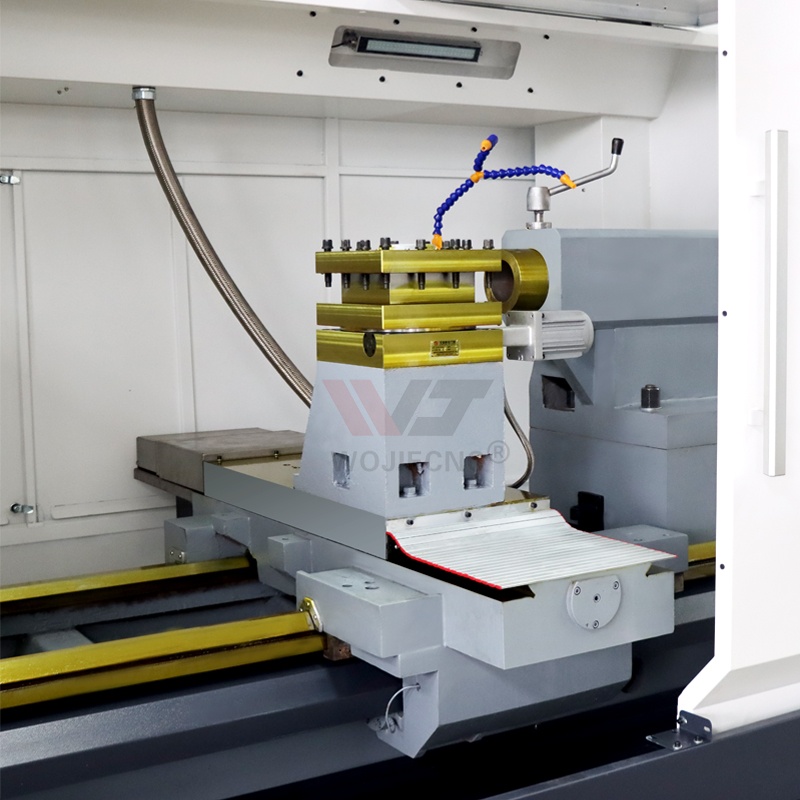
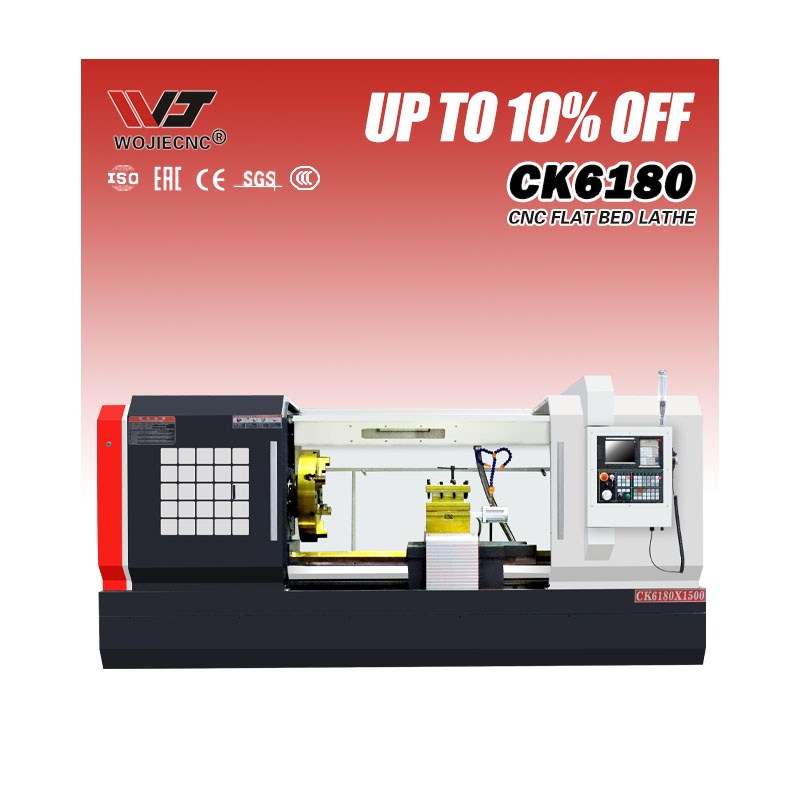
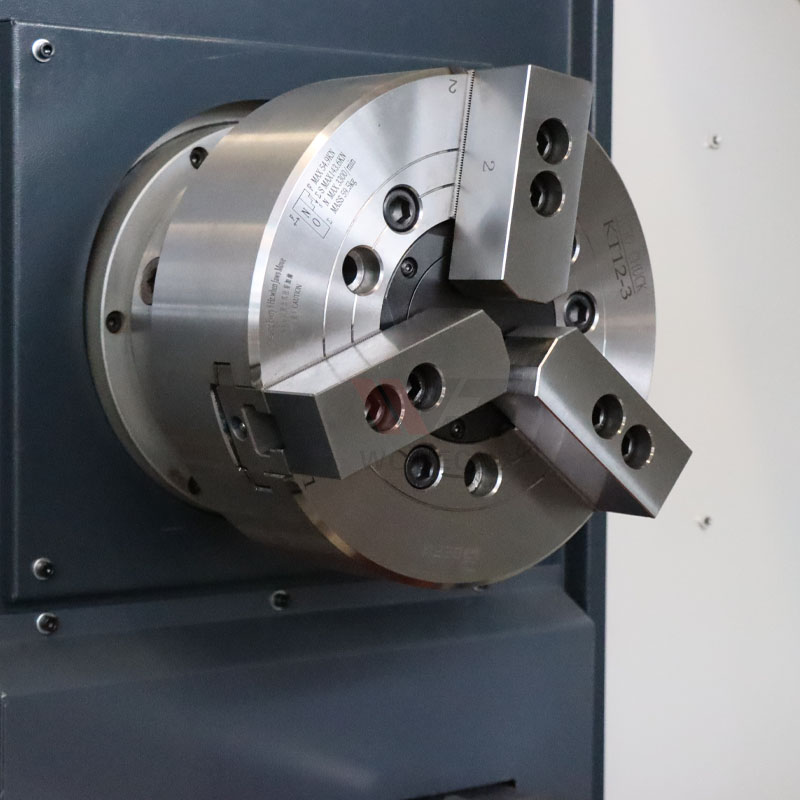
The flat bed lathe machine represents a fundamental cornerstone in modern manufacturing and precision machining operations. This versatile equipment features a horizontal flat bed construction that provides exceptional stability and accuracy during metal turning operations. The flat bed lathe machine utilizes a robust cast iron or steel bed that extends horizontally, supporting the headstock, tailstock, and carriage assembly in perfect alignment. This horizontal configuration allows operators to machine cylindrical workpieces with remarkable precision and consistency. The main functions of a flat bed lathe machine include turning, facing, threading, drilling, boring, and knurling operations on various materials including steel, aluminum, brass, and other metals. The technological features of modern flat bed lathe machines incorporate advanced spindle systems with variable speed controls, enabling operators to adjust cutting speeds according to material requirements and desired surface finishes. Digital readouts and programmable controls enhance operational efficiency while maintaining consistent quality standards. The machine's tool post system accommodates multiple cutting tools, allowing quick tool changes without compromising workpiece positioning. Safety features include protective guards, emergency stop mechanisms, and interlocked safety systems that protect operators during operation. Applications for flat bed lathe machines span across automotive manufacturing, aerospace component production, medical device fabrication, and general engineering workshops. These machines excel in producing shafts, pins, bushings, flanges, and complex rotational components that require tight tolerances and superior surface finishes. The flat bed design facilitates easy workpiece loading and unloading, making it ideal for both high-volume production runs and custom one-off projects. Educational institutions frequently utilize flat bed lathe machines for training purposes, as their straightforward operation and visible machining processes help students understand fundamental turning principles and develop essential machining skills.

Popular Products

The flat bed lathe machine delivers numerous practical benefits that directly impact productivity, quality, and operational efficiency in manufacturing environments. Enhanced stability stands as the primary advantage, as the flat bed construction provides a rigid foundation that minimizes vibrations during machining operations. This stability translates into superior surface finishes and tighter dimensional tolerances, reducing the need for secondary finishing operations and saving valuable production time. Operators appreciate the improved accessibility that flat bed lathe machines offer, allowing easy workpiece setup, tool adjustments, and maintenance procedures without awkward positioning or extended downtime. The horizontal bed design facilitates chip evacuation, preventing chip buildup that could damage finished surfaces or interfere with cutting operations. This natural chip flow reduces cleanup time and maintains consistent cutting conditions throughout extended production runs. Versatility represents another significant advantage, as flat bed lathe machines accommodate a wide range of workpiece sizes and materials. The adjustable tailstock and moveable carriage enable operators to machine both short and long components efficiently, maximizing machine utilization across diverse project requirements. Cost-effectiveness makes flat bed lathe machines attractive investments for businesses of all sizes. These machines typically require lower initial capital investment compared to more specialized equipment while delivering comparable precision and reliability. Maintenance costs remain reasonable due to the straightforward mechanical design and readily available replacement parts. Training requirements are minimal, allowing operators to achieve proficiency quickly and reducing labor costs associated with extensive skill development programs. Energy efficiency contributes to lower operational expenses, as flat bed lathe machines consume less power than many alternative machining solutions while maintaining high productivity levels. The durability of well-built flat bed lathe machines ensures decades of reliable service, providing excellent return on investment through consistent performance and minimal unexpected repairs. Flexibility in tooling options allows shops to adapt quickly to changing customer requirements without major equipment modifications, maintaining competitive advantages in dynamic market conditions.

Latest News

Zaozhuang Wojie CNC Machinery Co., Ltd.: 30+ Years of CNC Mastery, Your Global Trusted Partner

03

Nov

Zaozhuang Wojie CNC Machinery Co., Ltd.: 30+ Years of CNC Mastery, Your Global Trusted Partner

View More
Wojie CNC Shines at International Machine Tool Exhibitions: Forging Global Partnerships with CNC Expertise

30

Oct

Wojie CNC Shines at International Machine Tool Exhibitions: Forging Global Partnerships with CNC Expertise

View More
Wojie CNC Hot-Selling Machines: Full-Scene Precision Machining Solutions for Global Manufacturers

30

Oct

Wojie CNC Hot-Selling Machines: Full-Scene Precision Machining Solutions for Global Manufacturers

View More

Get a Free Quote

Our representative will contact you soon.
Email
Mobile/WhatsApp
Name
Company Name
Message
0/1000

flat bed lathe machine

Superior Precision and Accuracy Control

Superior Precision and Accuracy Control

The flat bed lathe machine excels in delivering exceptional precision and accuracy that meets the demanding requirements of modern manufacturing applications. The rigid flat bed construction forms the foundation for this precision, utilizing heavy-duty cast iron or steel materials that resist deflection under cutting loads. This structural integrity ensures that dimensional tolerances remain consistent throughout extended machining cycles, even when processing challenging materials or executing demanding operations. The machine's spindle system incorporates precision bearings and balanced components that minimize runout and maintain concentricity during rotation. Advanced flat bed lathe machines feature digital readout systems that provide real-time position feedback, enabling operators to achieve tolerances within microns consistently. The carriage and cross-slide mechanisms utilize precision ground ways and lead screws that eliminate backlash and ensure repeatable positioning accuracy. This level of precision proves invaluable in industries such as aerospace, medical device manufacturing, and automotive applications where component failure could have serious consequences. Quality control benefits significantly from the flat bed lathe machine's ability to maintain consistent cutting conditions throughout production runs. The stable platform eliminates variables that could affect surface finish quality, reducing inspection requirements and minimizing rejection rates. Operators can confidently produce large batches of identical components knowing that each piece will meet specifications without individual adjustments or corrections. The precision capabilities extend to complex threading operations, where the flat bed lathe machine's lead screw accuracy ensures perfect thread pitch and form. This precision threading capability eliminates the need for secondary thread cutting operations, reducing production time and costs while maintaining superior thread quality. Investment in a high-precision flat bed lathe machine pays dividends through reduced scrap rates, improved customer satisfaction, and enhanced reputation for quality manufacturing capabilities.
Exceptional Versatility and Adaptability

Exceptional Versatility and Adaptability

The flat bed lathe machine demonstrates remarkable versatility that enables manufacturers to tackle diverse machining challenges with a single piece of equipment. This adaptability stems from the machine's modular design philosophy, which allows for extensive customization and modification to suit specific application requirements. The flat bed configuration accommodates workpieces ranging from small precision components measuring mere millimeters to large industrial parts extending several meters in length. This size flexibility eliminates the need for multiple specialized machines, reducing capital investment requirements and shop floor space utilization. Material versatility represents another crucial advantage, as flat bed lathe machines efficiently process various metals including aluminum, steel, stainless steel, brass, bronze, and exotic alloys used in aerospace applications. The variable speed spindle systems adapt cutting parameters to optimize performance across different material types, ensuring consistent results regardless of workpiece composition. Tooling flexibility further enhances the flat bed lathe machine's versatility, supporting carbide inserts, high-speed steel tools, ceramic cutting edges, and specialized forming tools. Quick-change tool posts enable rapid setup changes, allowing operators to switch between different operations without lengthy downtime periods. This operational flexibility proves essential in job shops and prototype manufacturing environments where product requirements change frequently. The flat bed lathe machine's capability extends beyond basic turning operations to include drilling, boring, threading, knurling, and taper cutting, eliminating the need for workpiece transfers between different machines. This operational consolidation reduces handling time, minimizes setup errors, and improves overall production efficiency. Educational and training applications benefit tremendously from the flat bed lathe machine's versatility, as students can learn multiple machining techniques on a single platform. This comprehensive learning experience prepares future machinists for real-world manufacturing challenges while institutions maximize their equipment investments. The adaptability of flat bed lathe machines ensures long-term viability as manufacturing requirements evolve, protecting capital investments through sustained utility and performance.
Enhanced Productivity and Operational Efficiency

Enhanced Productivity and Operational Efficiency

The flat bed lathe machine significantly enhances productivity and operational efficiency through intelligent design features that streamline manufacturing processes and minimize non-productive time. Rapid setup capabilities distinguish these machines from alternatives, as the accessible flat bed configuration allows operators to position workpieces quickly and securely without complicated fixturing arrangements. The horizontal orientation facilitates natural chip evacuation, preventing accumulation that could interfere with cutting operations or damage finished surfaces. This automatic chip removal maintains consistent cutting conditions throughout extended production runs, eliminating interruptions for manual chip clearing and sustaining optimal productivity levels. Ergonomic design considerations enhance operator efficiency by positioning controls and adjustment mechanisms within easy reach, reducing fatigue during extended operation periods. The clear sight lines provided by the flat bed layout enable operators to monitor machining progress continuously, making real-time adjustments that prevent defects and maintain quality standards. Modern flat bed lathe machines incorporate programmable features that automate repetitive operations, allowing skilled operators to manage multiple machines simultaneously while maintaining consistent output quality. Energy efficiency contributes to operational cost reduction, as flat bed lathe machines typically consume less power than comparable machining centers while delivering similar or superior results. The straightforward mechanical design minimizes maintenance requirements, reducing scheduled downtime and extending productive operating hours. Preventive maintenance procedures can be completed quickly due to accessible components and clear maintenance protocols, ensuring maximum machine availability during critical production periods. Tooling efficiency benefits from standardized tool holders and cutting insert systems that reduce inventory requirements while ensuring consistent performance across different operations. The flat bed lathe machine's ability to complete multiple operations in a single setup eliminates workpiece transfers and secondary fixturing, reducing cycle times and improving throughput. Quality consistency achieved through the machine's inherent stability reduces inspection requirements and rework, further enhancing overall productivity. Training time for new operators is minimized due to intuitive controls and visible machining processes, allowing facilities to maintain productivity levels even during workforce transitions or expansion periods.
Premium Flat Bed Lathe Machine - Precision Manufacturing Solutions for Industrial Applications

Get a Free Quote

Our representative will contact you soon.
Email
Mobile/WhatsApp
Name
Company Name
Message
0/1000
email goToTop