cnc lathe and milling machine
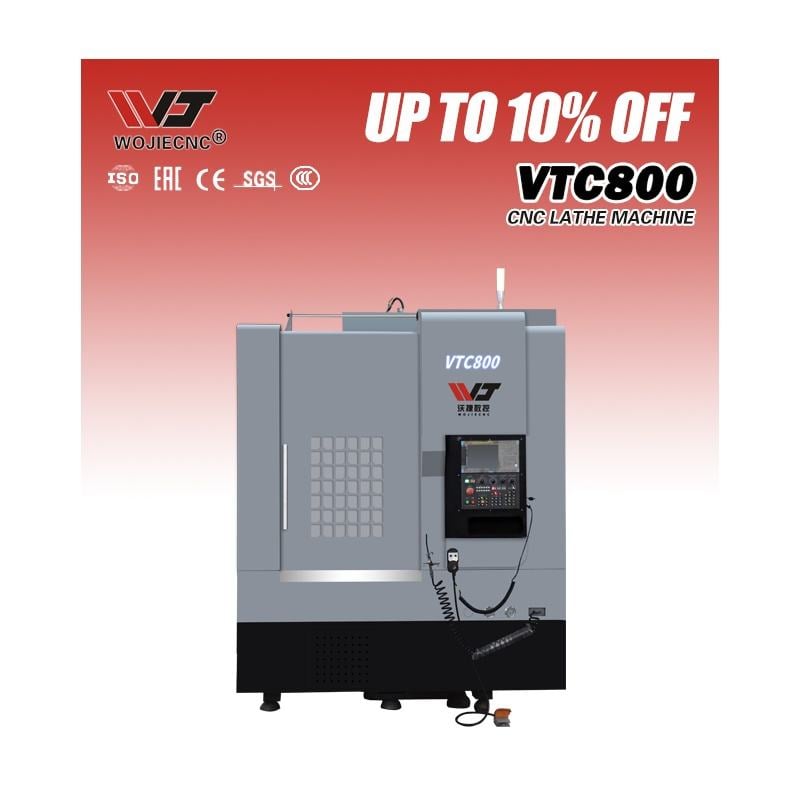
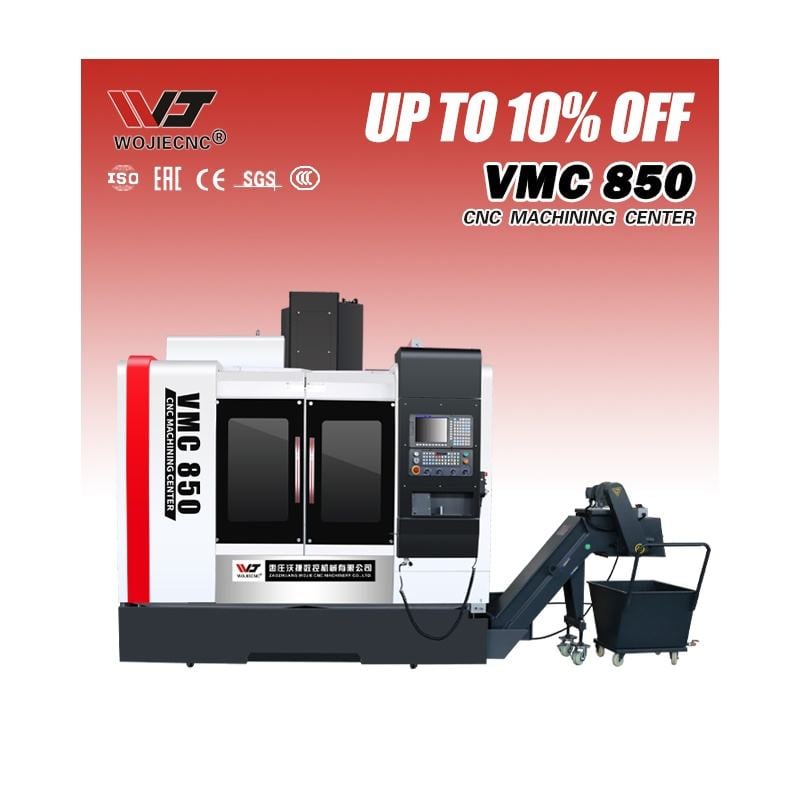
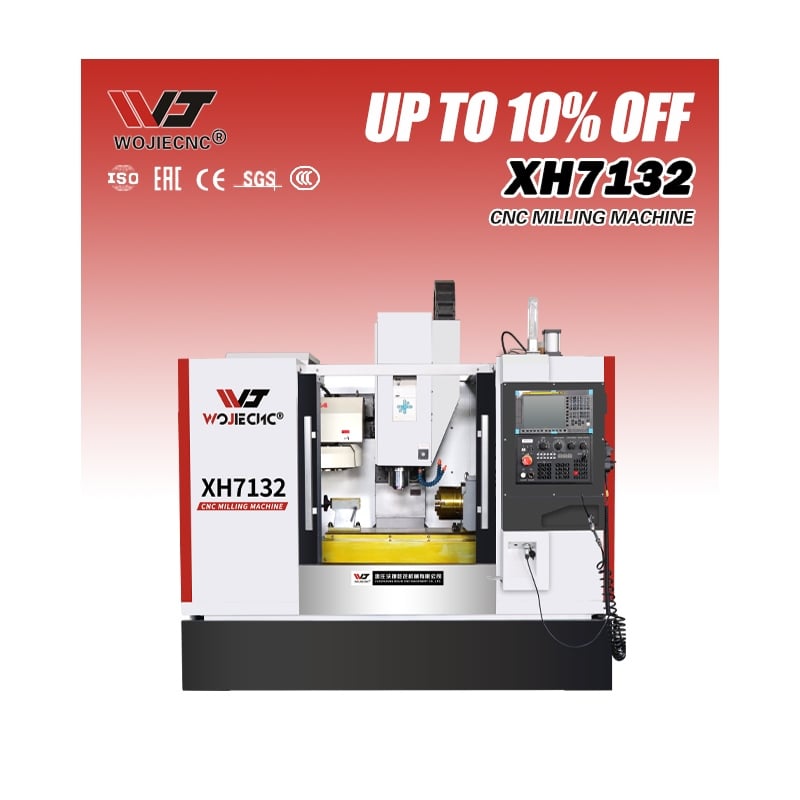
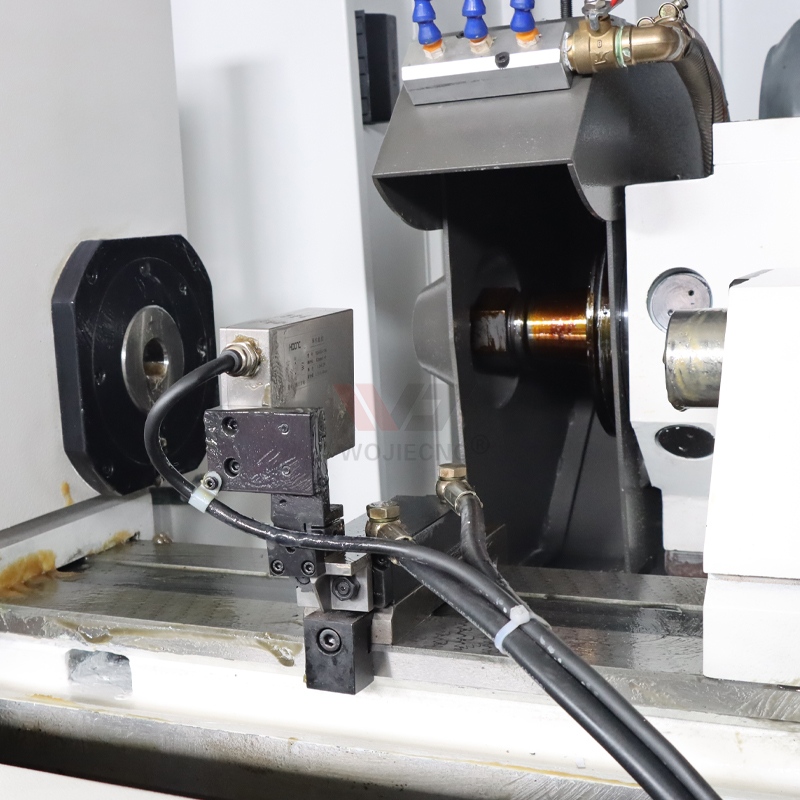
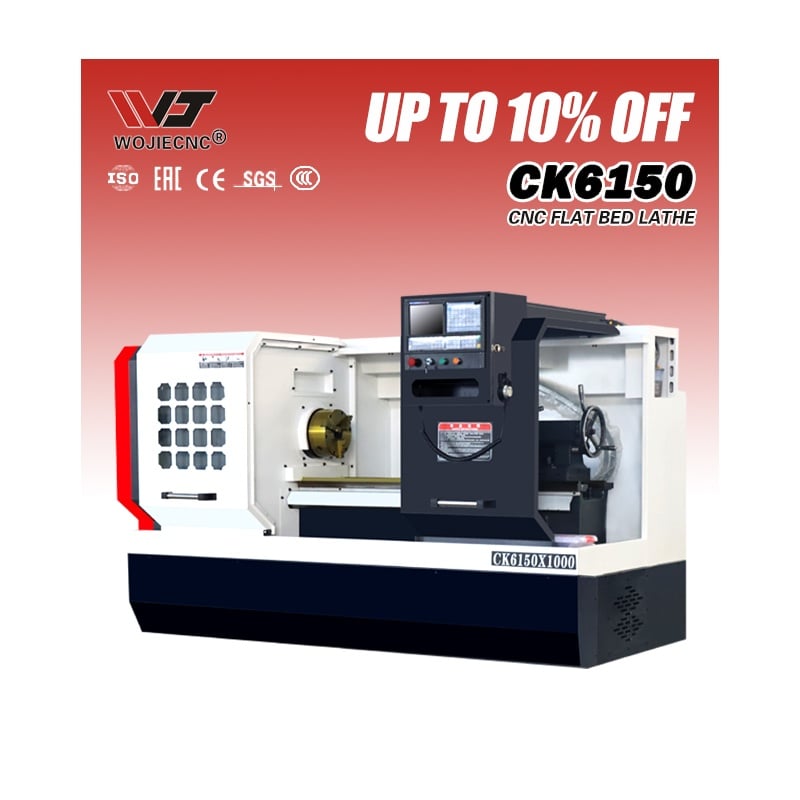
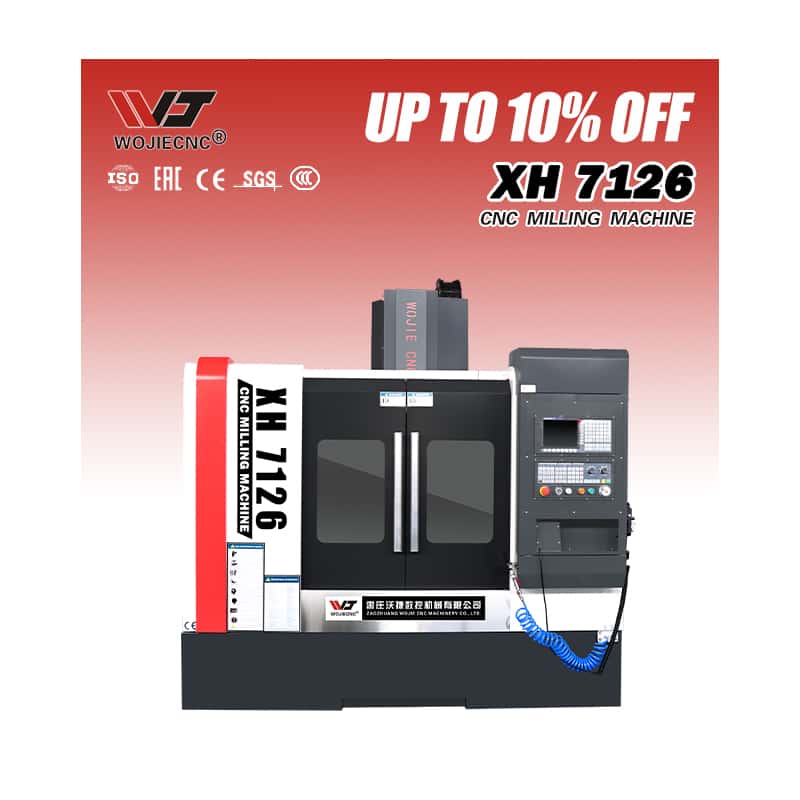
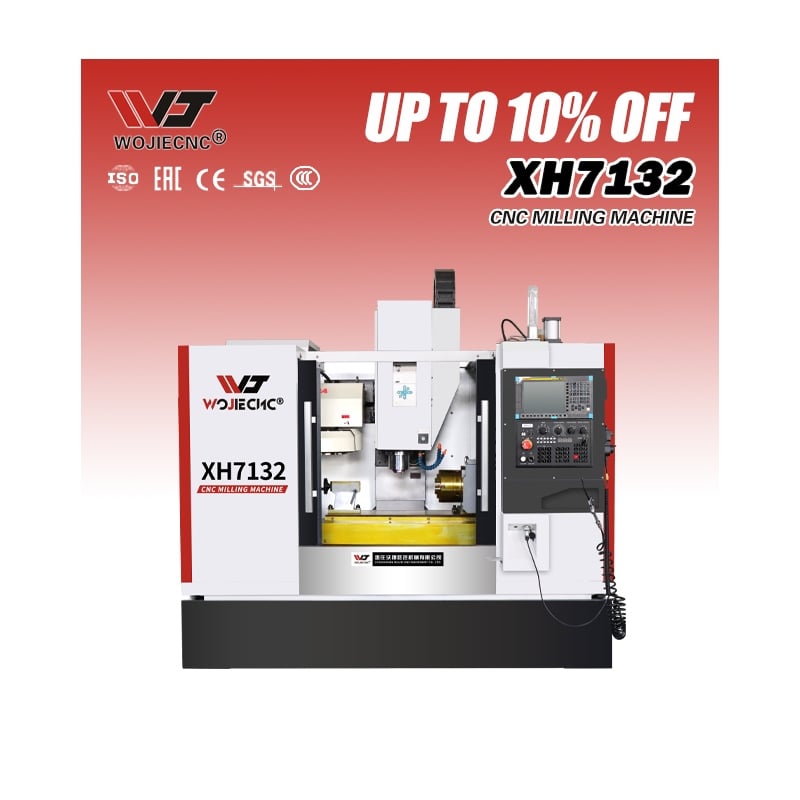
A cnc lathe and milling machine represents one of the most versatile and precise solutions in modern manufacturing. Combining two essential machining operations into a single platform, it allows operators to perform turning, facing, boring, and milling without switching between separate pieces of equipment. This integration dramatically streamlines production workflows and reduces setup time on the shop floor. At its core, the cnc lathe and milling machine uses computer numerical control technology to execute pre-programmed sequences with exceptional repeatability and dimensional accuracy. Operators input design parameters through dedicated software, and the machine translates those instructions into precise cutting movements across multiple axes. Most configurations support three to five-axis control, enabling complex geometries that would be difficult or impossible to achieve manually. Technologically, these machines typically feature rigid cast-iron frames, high-speed spindles, automatic tool changers, and real-time feedback systems that monitor cutting forces and temperatures. Servo-driven axes ensure smooth, consistent motion throughout every operation. From an application standpoint, the cnc lathe and milling machine serves industries including aerospace, automotive, medical device manufacturing, energy, and precision tooling. Manufacturers rely on these systems to produce shafts, housings, flanges, implants, turbine components, and custom prototypes with tight tolerances. Whether a facility operates in high-volume production or small-batch custom work, this machine type adapts efficiently to both environments. Its ability to consolidate operations, maintain consistent quality, and handle a wide range of materials including steel, aluminum, titanium, and engineering plastics makes it a foundational asset in any competitive machining operation.

 EN
EN