flat bed lathe
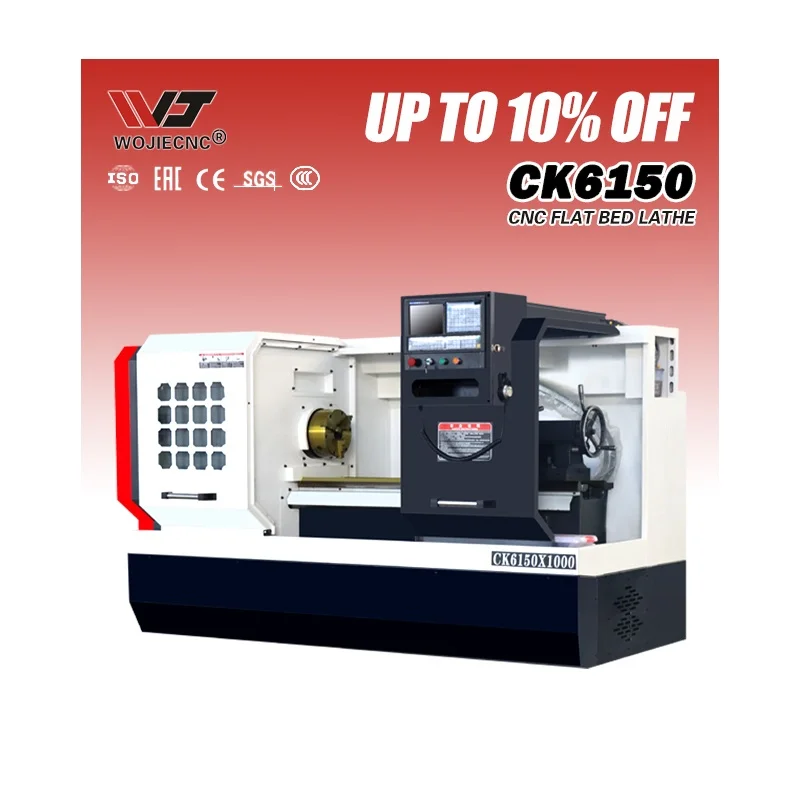
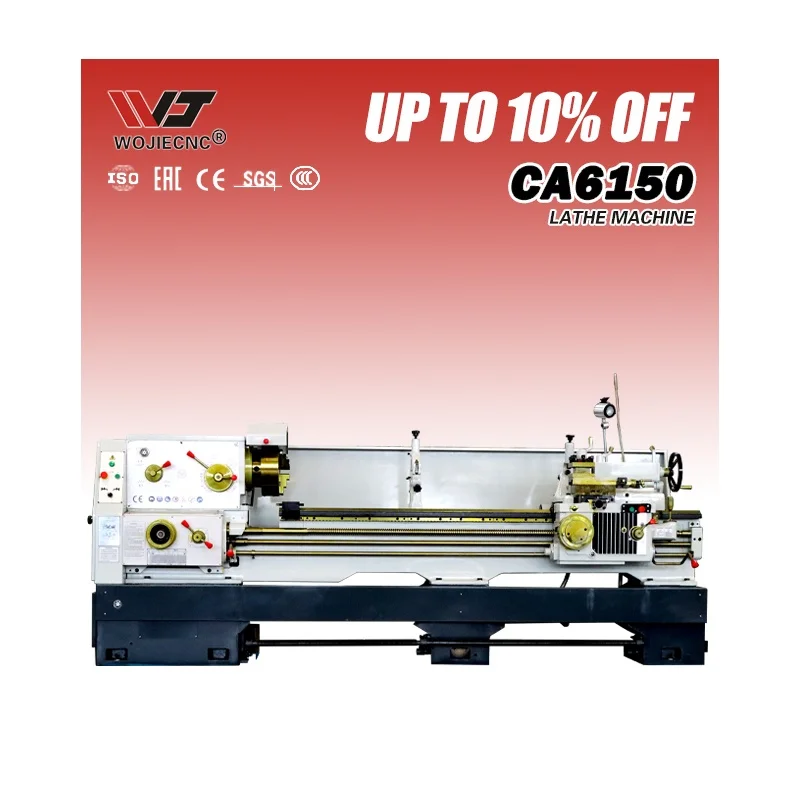
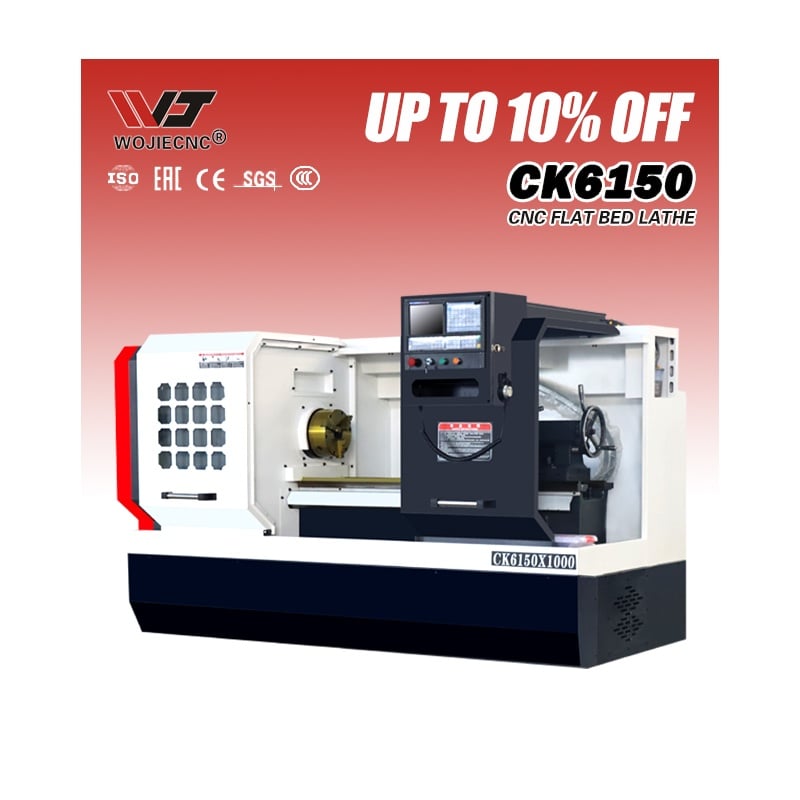
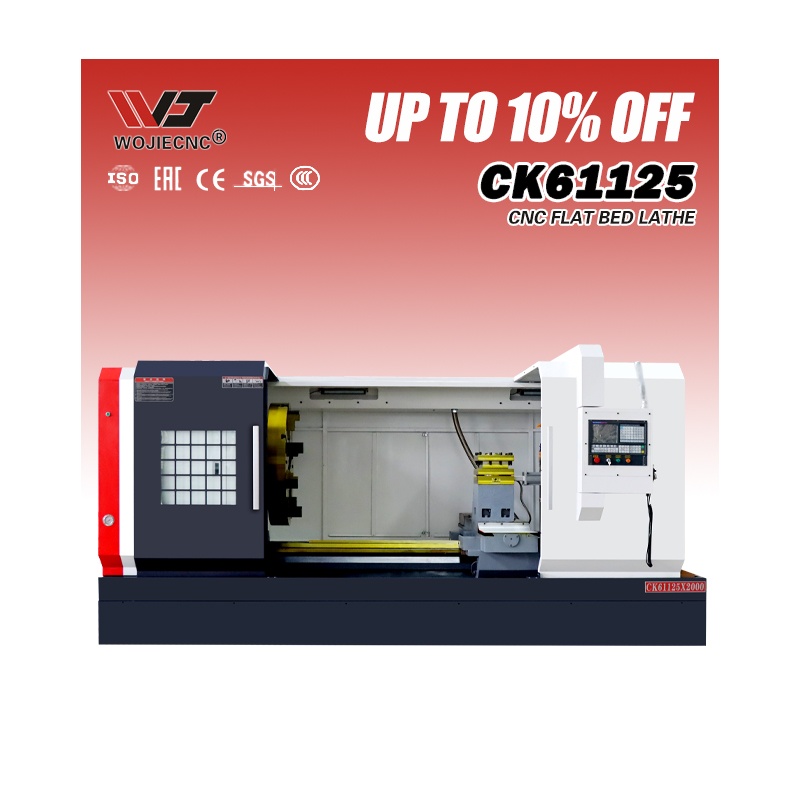
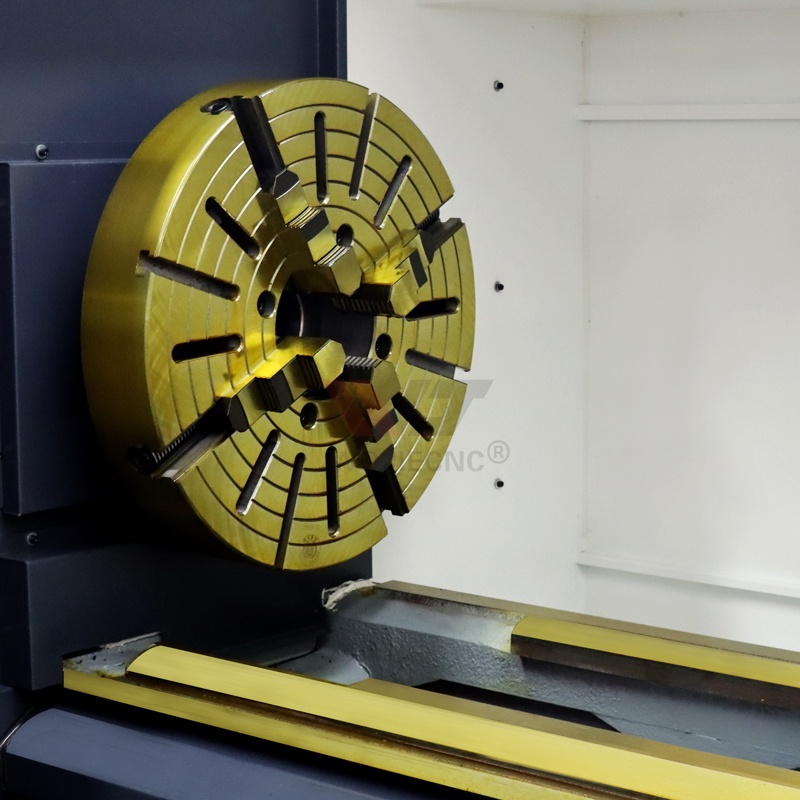
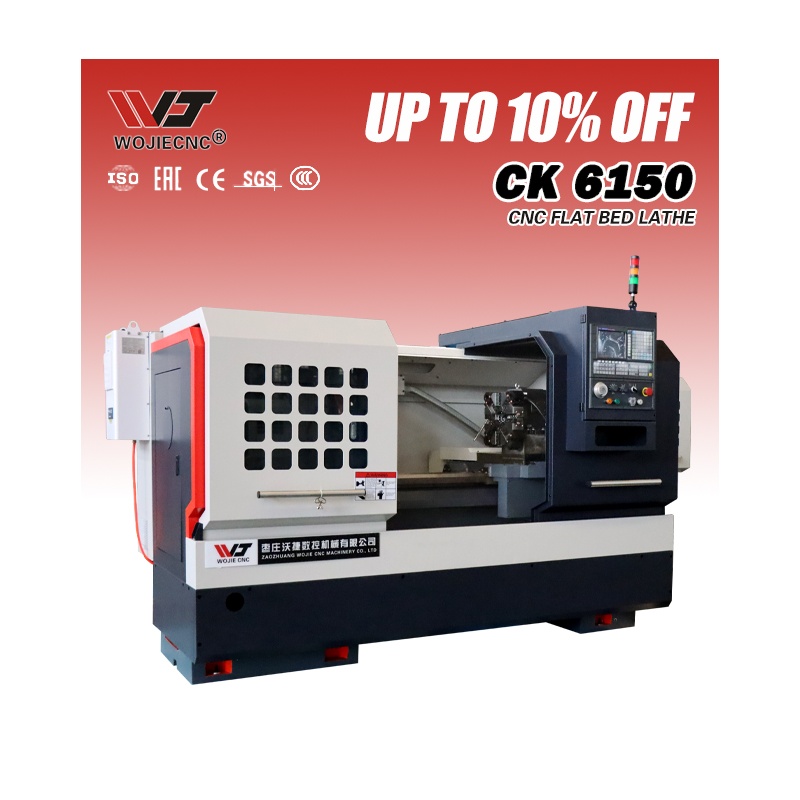
A flat bed lathe is a precision machine tool designed for shaping, turning, and finishing cylindrical workpieces. It features a horizontal, flat guiding bed that provides a stable foundation for all cutting operations, ensuring consistent accuracy across every job. The flat bed lathe is widely used in manufacturing environments where rigidity, repeatability, and dimensional precision are essential requirements. Its main components include the headstock, tailstock, carriage, cross slide, and tool post, all mounted on the flat bed to maintain alignment throughout the machining process. The flat bed lathe supports a broad range of operations, including external and internal turning, facing, threading, boring, and taper cutting. Technologically, modern flat bed lathe machines incorporate hardened and ground bed surfaces, high-torque spindle motors, and variable speed controls that allow operators to match cutting parameters to specific materials. Many models also integrate digital readout systems and CNC compatibility, bridging the gap between manual precision and automated efficiency. These features make the flat bed lathe suitable for producing shafts, bushings, flanges, and custom components in industries such as automotive, aerospace, energy, and general engineering. Whether used in small job shops or large-scale production facilities, the flat bed lathe delivers reliable performance and long-term durability. Its straightforward design allows for easy setup, tool changes, and maintenance, reducing downtime and keeping production on schedule. For engineers and machinists seeking a dependable, versatile turning solution, the flat bed lathe remains a foundational and highly valued piece of equipment in modern machining.

 EN
EN