machining centers
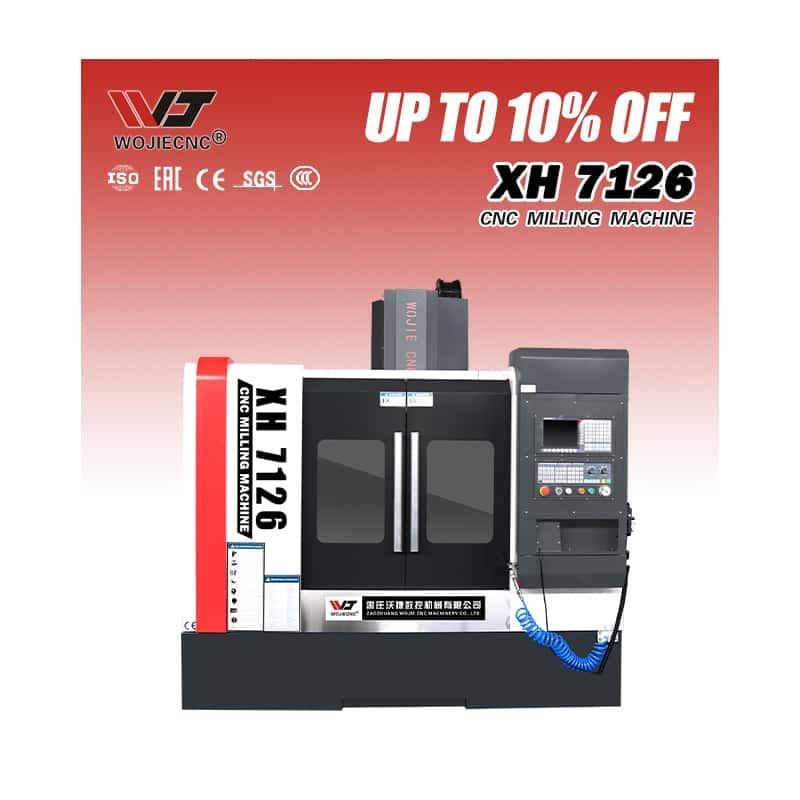
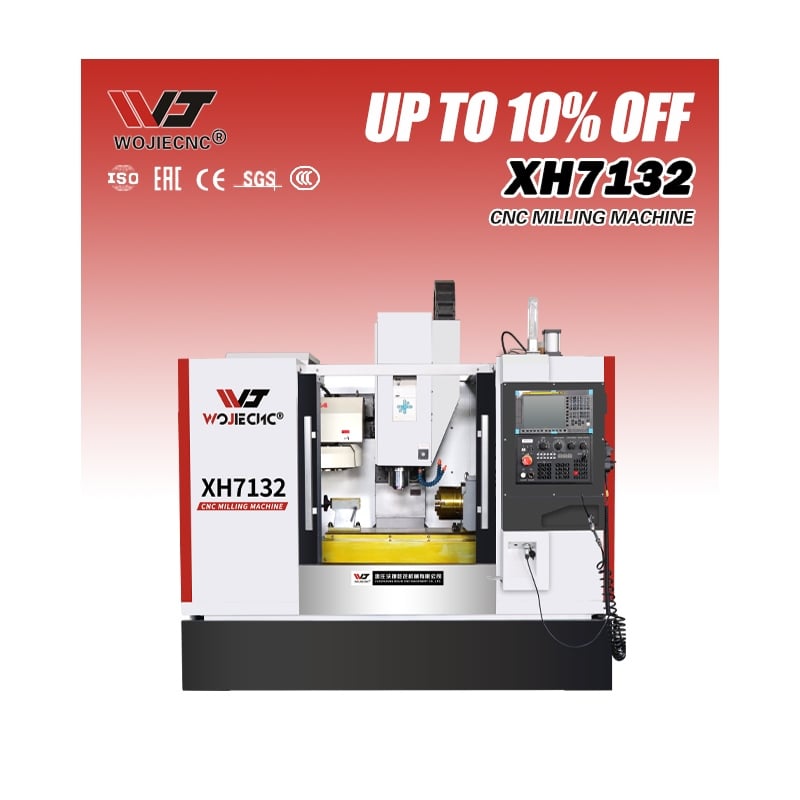
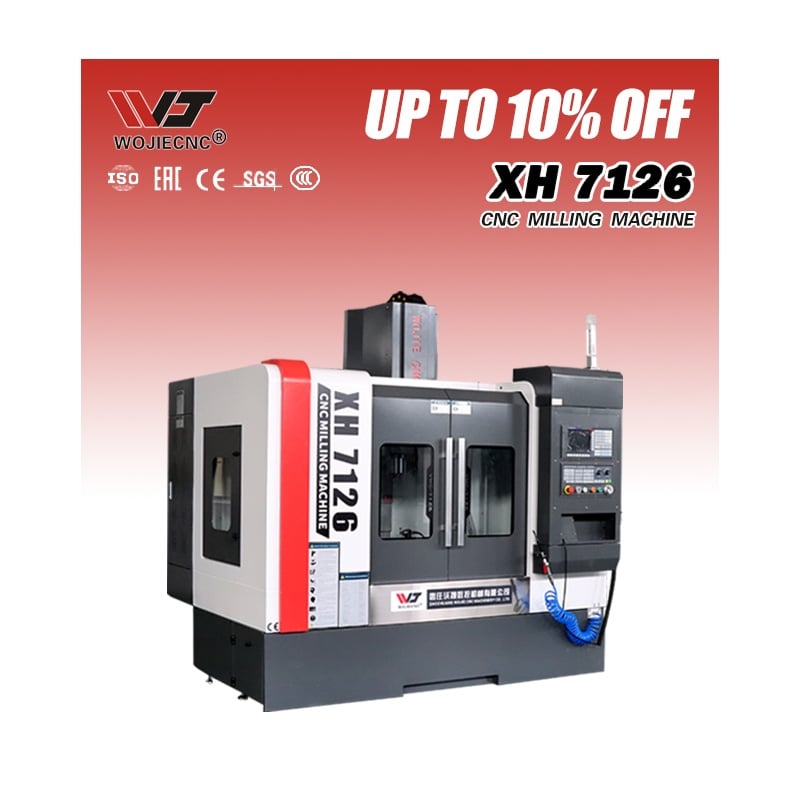
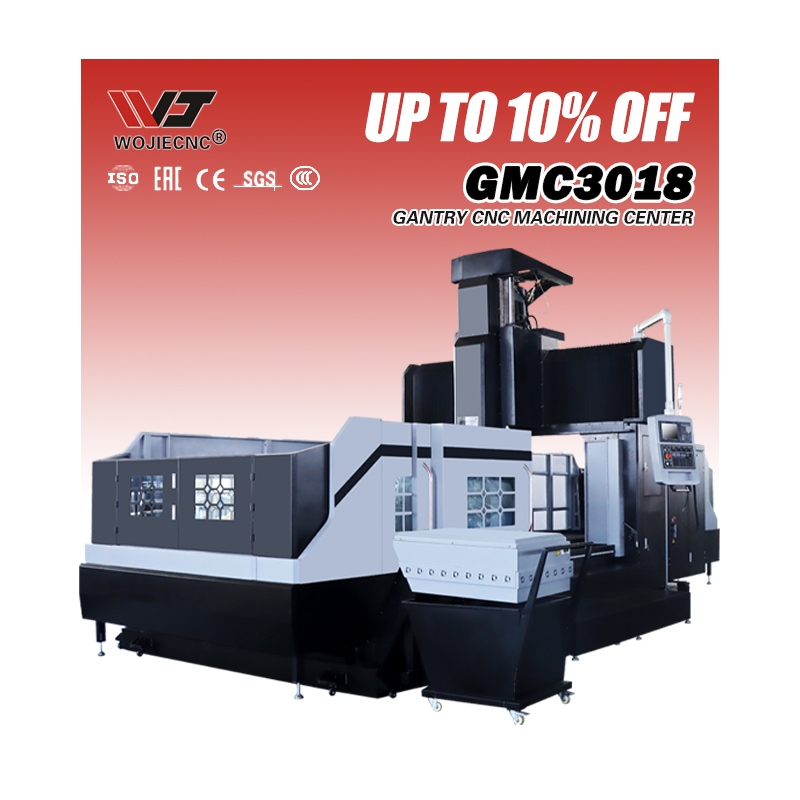
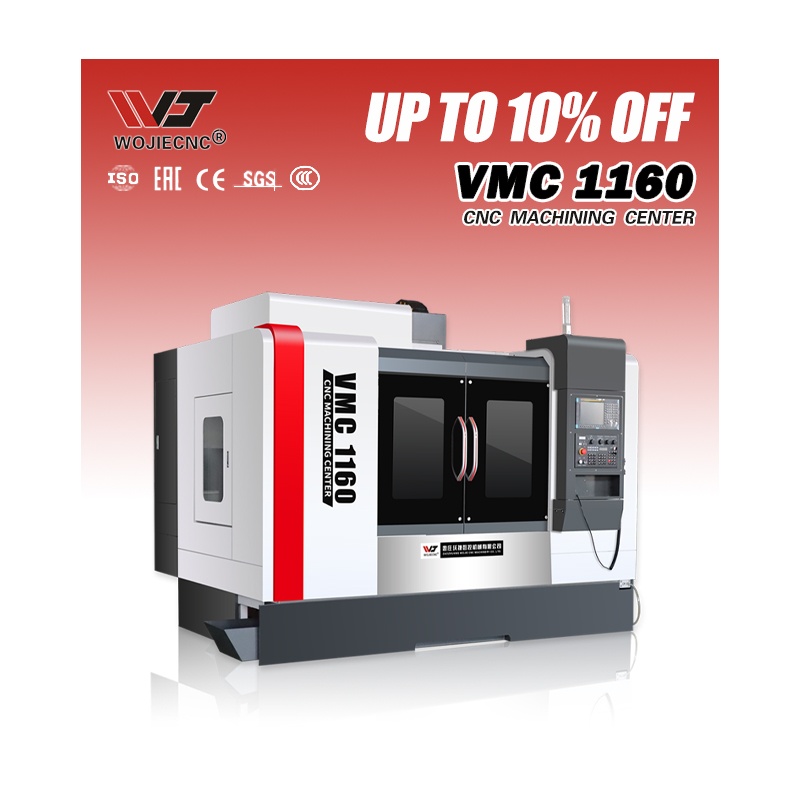
Machining centers are advanced manufacturing systems designed to perform multiple cutting and shaping operations on a single workpiece without manual repositioning. These high-precision machines combine milling, drilling, boring, tapping, and contouring capabilities into one automated unit, significantly streamlining the production process. Machining centers typically feature an automatic tool changer, a rigid spindle assembly, and a computer numerical control system that coordinates every movement with exceptional accuracy. Modern machining centers are available in vertical and horizontal configurations, each suited to specific part geometries and production volumes. Vertical machining centers are widely used for flat and prismatic components, while horizontal machining centers excel at complex multi-sided parts requiring frequent pallet changes. Both types support a broad range of materials, including aluminum, steel, titanium, cast iron, and engineering plastics. Industries such as aerospace, automotive, medical device manufacturing, mold and die production, and electronics rely heavily on machining centers to meet tight dimensional tolerances and high-volume output requirements. The integration of multi-axis motion, typically three to five axes, allows machining centers to create intricate contours and deep cavities that older single-purpose machines could never achieve. Built-in probing systems, thermal compensation technology, and high-speed spindles further enhance repeatability and surface finish quality. Whether a manufacturer needs prototype work or full-scale production runs, machining centers deliver consistent results that directly support quality standards and competitive lead times. Their versatility and automation capability make machining centers an essential investment for any serious precision manufacturing operation.

 EN
EN