Complete Guide to Types of CNC Machine: Features, Benefits, and Applications

Get a Free Quote

Our representative will contact you soon.
Email
Mobile/WhatsApp
Name
Company Name
Message
0/1000

types of cnc machine

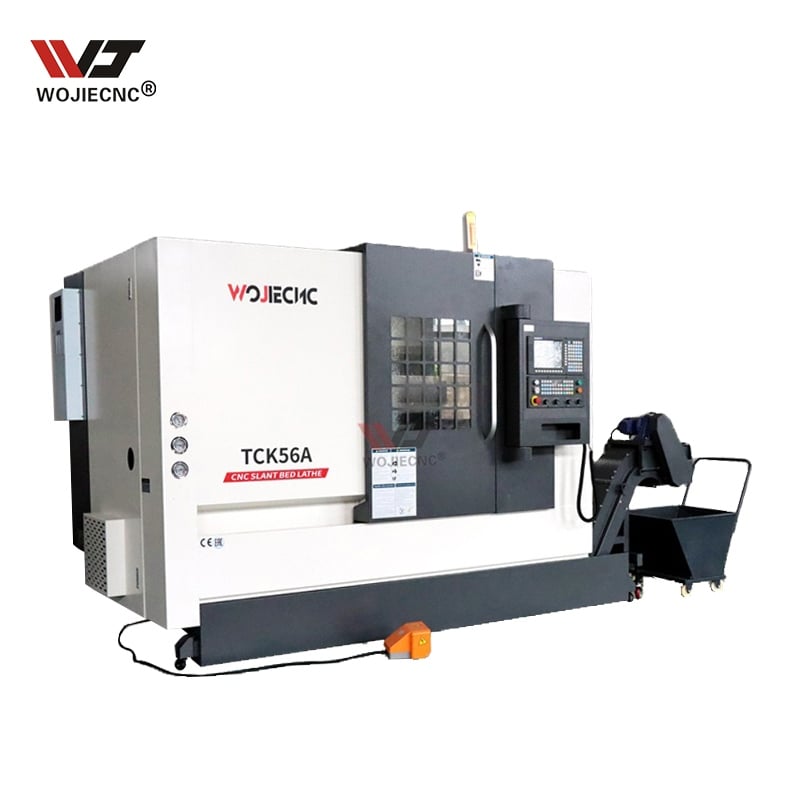
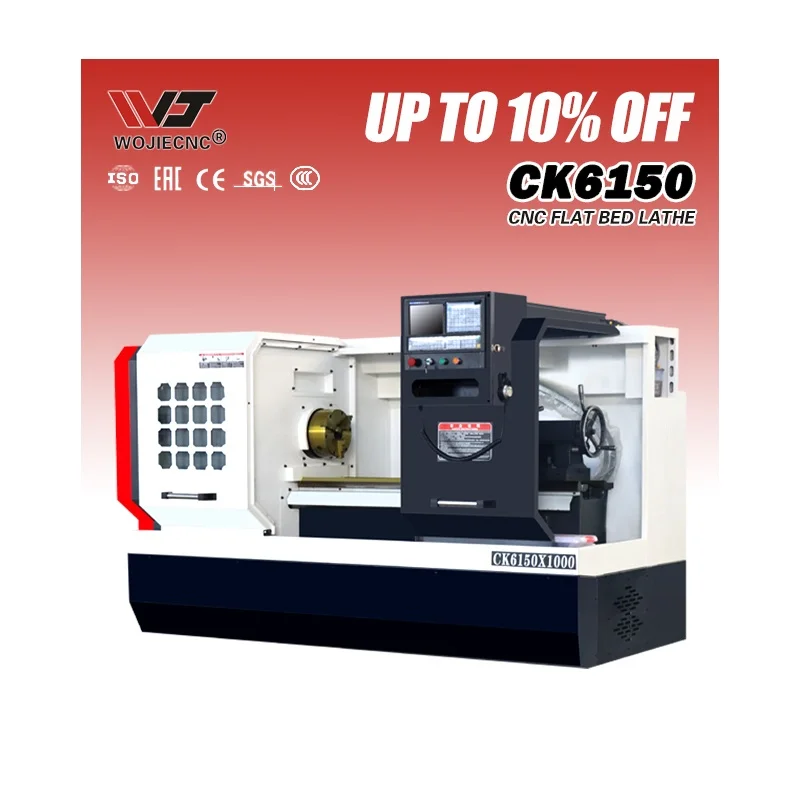
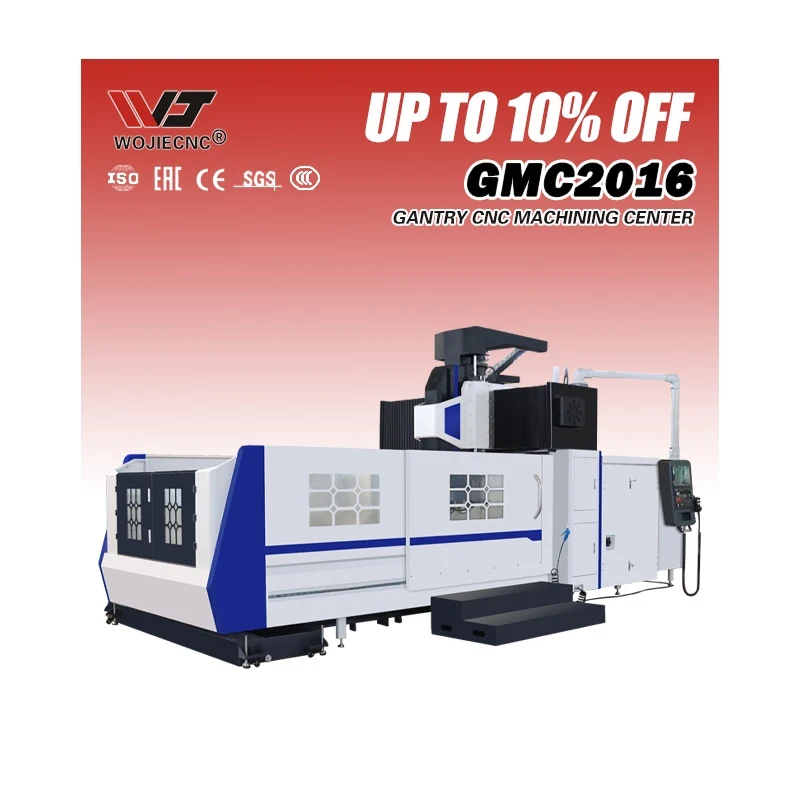
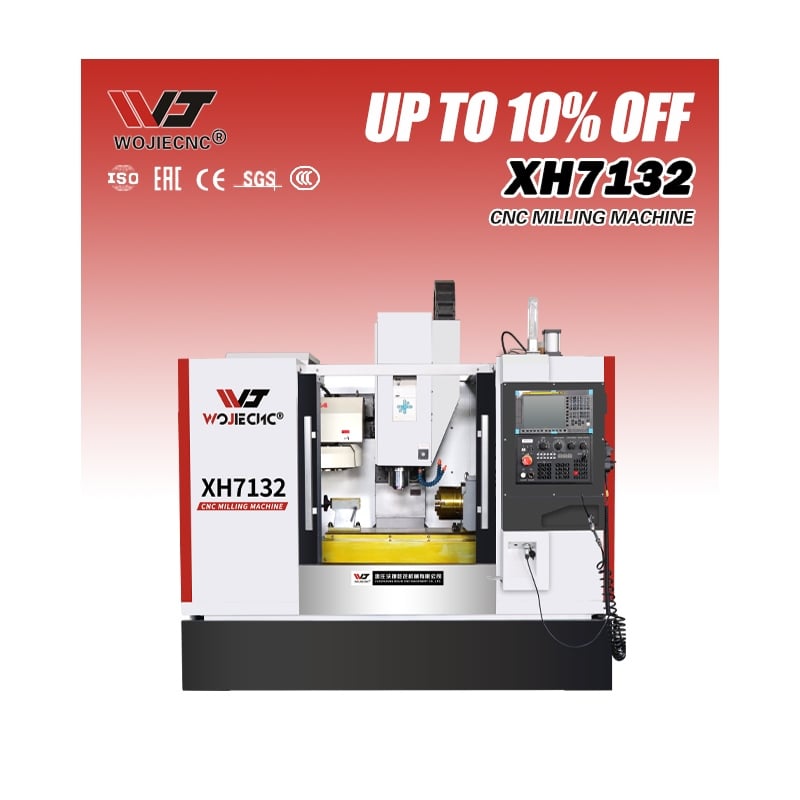
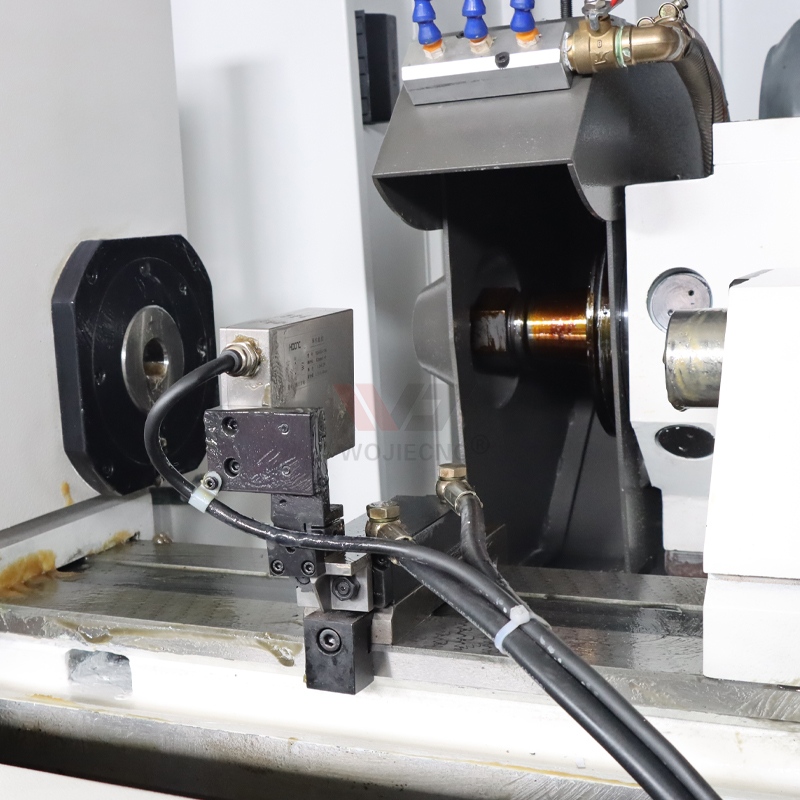
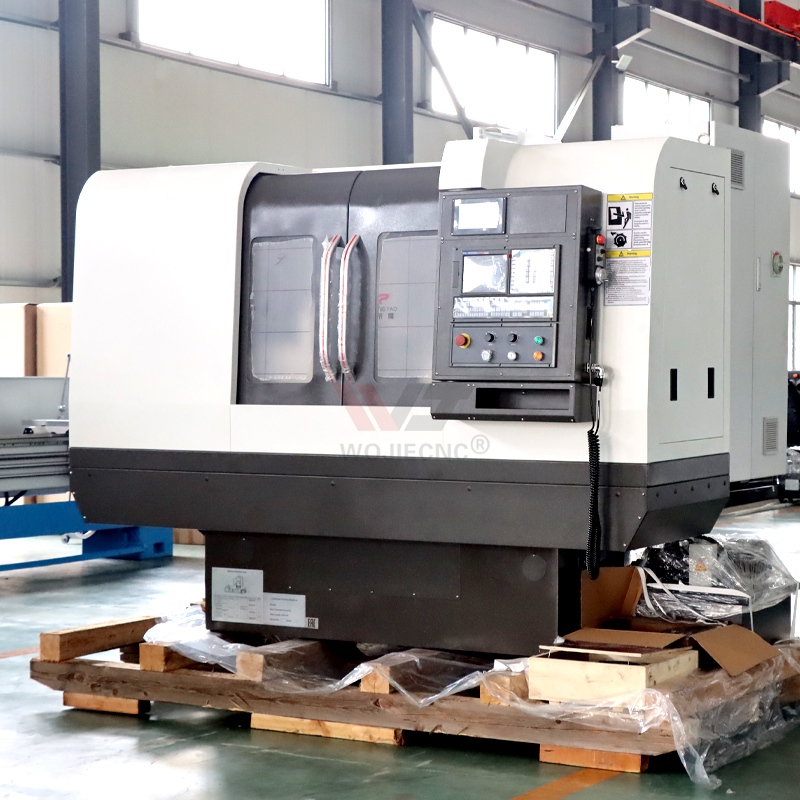
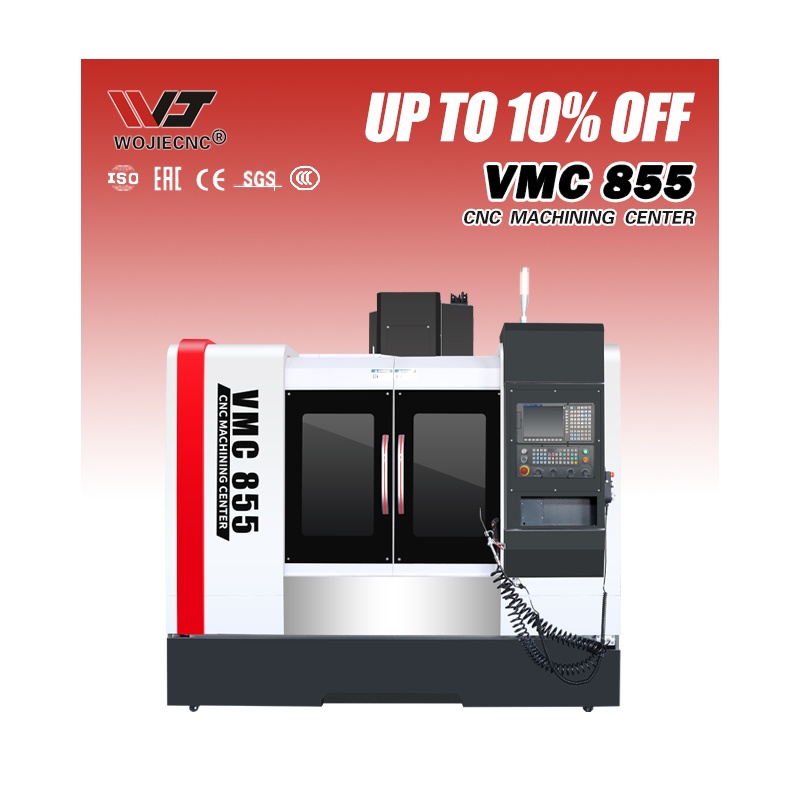
Understanding the different types of CNC machine is crucial for manufacturers seeking precision automation solutions in modern production environments. Computer Numerical Control technology has revolutionized manufacturing by transforming traditional manual processes into automated, accurate operations. The various types of CNC machine available today serve diverse industrial applications, each designed with specific capabilities to meet particular manufacturing requirements. CNC milling machines represent one of the most versatile types of CNC machine, utilizing rotating cutting tools to remove material from workpieces. These machines excel at creating complex geometries, slots, holes, and intricate surface features across multiple axes of movement. Their technological features include programmable tool changers, high-speed spindles, and advanced control systems that ensure repeatable accuracy within tight tolerances. CNC turning machines, another essential category among types of CNC machine, specialize in cylindrical part production by rotating workpieces against stationary cutting tools. These machines incorporate live tooling capabilities, allowing for secondary operations like drilling and milling without part repositioning. CNC plasma cutting machines utilize electrically conductive gas to cut through thick metal materials, making them invaluable for heavy fabrication industries. Their technological features include automated height control systems and precision torch positioning mechanisms. CNC laser cutting machines offer exceptional precision for thin to medium thickness materials, incorporating advanced beam delivery systems and sophisticated motion control algorithms. Wire EDM machines represent specialized types of CNC machine that use electrical discharge to cut intricate shapes through conductive materials, featuring submicron positioning accuracy and complex path generation capabilities. CNC grinding machines provide superior surface finishes and dimensional accuracy for hardened materials, incorporating adaptive control systems and thermal compensation features. Each type serves specific applications ranging from aerospace component manufacturing to automotive part production, medical device fabrication, and precision tooling creation, demonstrating the versatility and importance of understanding different types of CNC machine for optimal manufacturing solutions.

Popular Products

The advantages of different types of CNC machine extend far beyond basic automation, delivering transformative benefits that directly impact manufacturing efficiency and profitability. Enhanced precision stands as the primary advantage, with most types of CNC machine achieving tolerances within 0.001 inches consistently. This level of accuracy eliminates human error variables that plague manual machining operations, ensuring every produced part meets exact specifications. Cost reduction emerges as another significant benefit, as types of CNC machine operate continuously with minimal supervision, reducing labor costs while maximizing production output. The ability to run unmanned during night shifts and weekends multiplies manufacturing capacity without proportional increases in operational expenses. Improved safety represents a critical advantage, since operators work at safe distances from cutting operations, and automated systems include built-in safety protocols that prevent accidents. Types of CNC machine also deliver superior repeatability, producing identical parts regardless of production volume, which proves essential for industries requiring consistent quality standards. Flexibility constitutes another major benefit, as the same machine can produce entirely different parts simply by loading new programs, eliminating the need for multiple specialized machines. This versatility reduces equipment investment while expanding manufacturing capabilities. Speed advantages become apparent when comparing types of CNC machine to manual alternatives, with automated operations completing complex tasks in fractions of the time required for traditional methods. Material waste reduction occurs because precise programming minimizes errors that result in scrapped parts, improving material utilization rates significantly. Documentation and traceability benefits emerge through integrated data collection systems that track production parameters, enabling quality control and process optimization. Remote monitoring capabilities allow operators to oversee multiple machines simultaneously, further improving operational efficiency. The scalability advantage means manufacturers can easily adjust production volumes by modifying programs rather than reconfiguring entire production lines. Integration capabilities enable types of CNC machine to connect with existing manufacturing systems, creating seamless production workflows that enhance overall facility productivity and competitiveness in modern manufacturing environments.

Tips And Tricks

Zaozhuang Wojie CNC Machinery Co., Ltd.: 30+ Years of CNC Mastery, Your Global Trusted Partner

03

Nov

Zaozhuang Wojie CNC Machinery Co., Ltd.: 30+ Years of CNC Mastery, Your Global Trusted Partner

View More
Wojie CNC Shines at International Machine Tool Exhibitions: Forging Global Partnerships with CNC Expertise

30

Oct

Wojie CNC Shines at International Machine Tool Exhibitions: Forging Global Partnerships with CNC Expertise

View More
Wojie CNC Hot-Selling Machines: Full-Scene Precision Machining Solutions for Global Manufacturers

30

Oct

Wojie CNC Hot-Selling Machines: Full-Scene Precision Machining Solutions for Global Manufacturers

View More

Get a Free Quote

Our representative will contact you soon.
Email
Mobile/WhatsApp
Name
Company Name
Message
0/1000

types of cnc machine

Multi-Axis Precision Manufacturing Capabilities

Multi-Axis Precision Manufacturing Capabilities

The multi-axis precision manufacturing capabilities represent the most significant technological advancement among different types of CNC machine, fundamentally transforming how complex components are produced in modern manufacturing facilities. This sophisticated feature enables simultaneous movement across multiple planes, allowing manufacturers to create intricate geometries that would be impossible or extremely time-consuming using conventional machining methods. Five-axis CNC machines exemplify this capability by providing unrestricted access to workpiece surfaces from virtually any angle, eliminating the need for multiple setups and repositioning operations that traditionally introduced dimensional variations and extended production cycles. The technological foundation of multi-axis systems relies on advanced interpolation algorithms that coordinate simultaneous movement across rotary and linear axes while maintaining precise tool path accuracy throughout complex machining operations. This coordination ensures consistent surface finishes and dimensional accuracy across all machined features, regardless of their geometric complexity or spatial orientation. The practical benefits for manufacturers include dramatic reductions in setup times, as complex parts that previously required multiple operations can now be completed in single setups, minimizing handling-related errors and improving overall part accuracy. Industries such as aerospace, medical device manufacturing, and automotive rely heavily on these capabilities for producing critical components with stringent tolerance requirements and complex geometries. The economic impact extends beyond initial production efficiency, as reduced setup requirements translate to lower labor costs and increased machine utilization rates. Quality improvements occur because continuous machining eliminates cumulative errors that typically accumulate during multiple setup operations, resulting in superior part consistency and reduced reject rates. The flexibility inherent in multi-axis capabilities allows manufacturers to adapt quickly to design changes without significant tooling modifications or process reengineering, providing competitive advantages in rapidly evolving markets. Advanced multi-axis types of CNC machine also incorporate sophisticated collision detection systems and simulation capabilities that prevent costly programming errors and equipment damage, ensuring reliable operation in high-value production environments where downtime costs can be substantial.
Automated Tool Management and Quick-Change Systems

Automated Tool Management and Quick-Change Systems

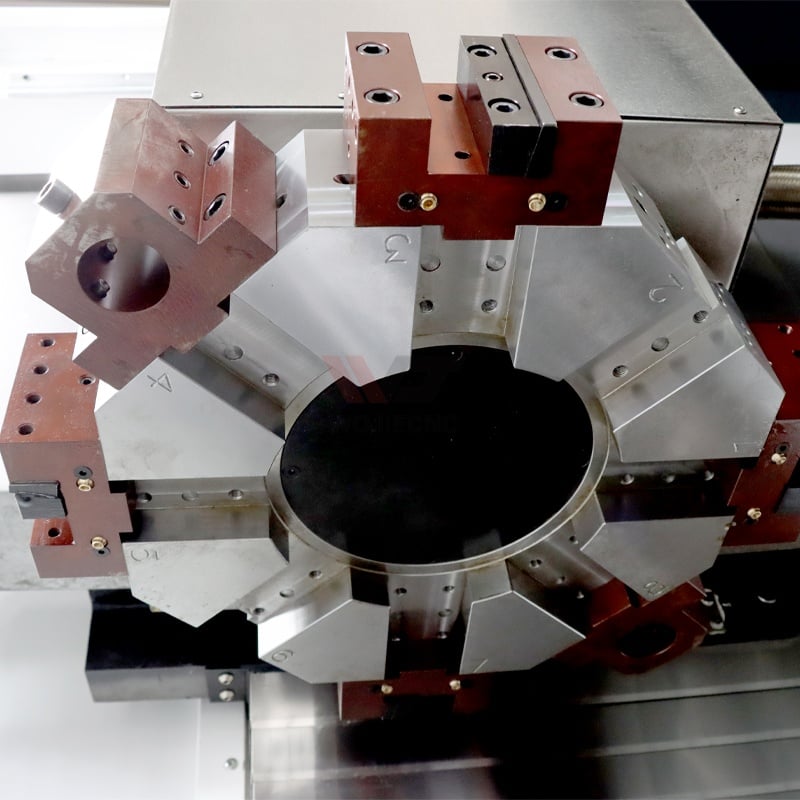
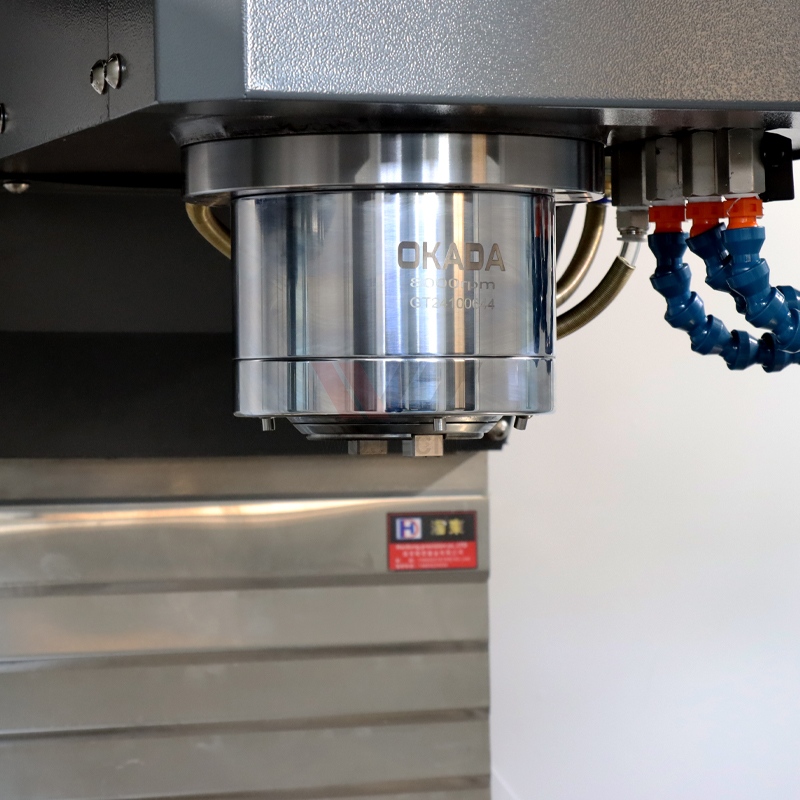
Automated tool management and quick-change systems represent revolutionary efficiency enhancements that distinguish advanced types of CNC machine from conventional manufacturing equipment, delivering unprecedented productivity improvements through intelligent automation of traditionally manual processes. These sophisticated systems incorporate high-capacity tool magazines that can store hundreds of cutting tools, each precisely identified through advanced coding systems that track tool geometry, wear conditions, and remaining service life. The technological infrastructure includes servo-driven tool changers capable of executing tool swaps in seconds, dramatically reducing non-productive time that traditionally consumed significant portions of machining cycles. Integrated tool monitoring systems continuously evaluate cutting conditions and tool performance, automatically triggering tool changes when predetermined wear criteria are exceeded, preventing quality issues and maintaining consistent production standards without operator intervention. The practical implications for manufacturers include substantial increases in operational efficiency, as machines can operate continuously for extended periods without manual intervention, maximizing equipment utilization rates and enabling unmanned production during off-shifts. Advanced tool management systems also incorporate predictive maintenance algorithms that analyze cutting data to forecast tool replacement requirements, allowing proactive scheduling that prevents unexpected production interruptions. The economic benefits extend throughout manufacturing operations, as automated systems reduce labor requirements while maintaining higher production rates and improved quality consistency. Tool inventory management becomes more sophisticated through integrated database systems that track tool usage patterns, enabling optimized purchasing decisions and reduced inventory carrying costs. The quick-change capabilities prove particularly valuable in job shop environments where frequent part changeovers require rapid reconfiguration, as automated systems can execute complete tool setups in minutes rather than hours required for manual operations. Quality improvements result from consistent tool positioning accuracy and automated compensation for tool wear, eliminating variations that occur with manual tool handling. These systems also incorporate advanced safety features that prevent incorrect tool installations and automatically verify tool integrity before machining operations commence, protecting both equipment and workpieces from damage caused by tool failures or improper setups, making them indispensable components of modern types of CNC machine installations.
Integrated Quality Control and Real-Time Monitoring

Integrated Quality Control and Real-Time Monitoring

Integrated quality control and real-time monitoring systems represent the pinnacle of manufacturing intelligence embedded within modern types of CNC machine, fundamentally transforming quality assurance from reactive inspection processes to proactive prevention methodologies that ensure consistent production excellence. These sophisticated systems incorporate multiple sensor technologies including laser measurement devices, touch probes, and vision systems that continuously monitor dimensional accuracy, surface quality, and geometric conformance throughout machining operations. The technological foundation relies on advanced data acquisition systems that collect thousands of measurement points per second, processing this information through statistical algorithms that detect deviation trends before they result in out-of-tolerance conditions. Real-time feedback loops automatically adjust cutting parameters, tool paths, and compensation values to maintain optimal performance, effectively creating self-correcting manufacturing processes that adapt to changing conditions without human intervention. The practical benefits for manufacturers include dramatic reductions in scrap rates and rework requirements, as potential quality issues are identified and corrected before defective parts are produced. Comprehensive data logging capabilities create detailed production records that support traceability requirements and enable continuous process improvement through statistical analysis of production trends and performance patterns. The economic impact proves substantial, as prevention-based quality control eliminates costs associated with inspection labor, rework operations, and material waste while improving customer satisfaction through consistent delivery of high-quality products. Integration with enterprise resource planning systems enables seamless data flow between production and business systems, facilitating real-time production scheduling adjustments and inventory management decisions based on actual manufacturing performance rather than estimates. Advanced monitoring systems also incorporate machine learning algorithms that continuously refine process parameters based on historical performance data, progressively improving production efficiency and quality outcomes over time. Predictive analytics capabilities enable early detection of potential equipment issues, allowing proactive maintenance scheduling that prevents unexpected downtime and maintains consistent production capacity. These systems prove particularly valuable in regulated industries where comprehensive documentation and process control are mandatory requirements, as automated data collection and analysis capabilities ensure compliance while reducing administrative burden on operational staff, making integrated quality control an essential feature of competitive types of CNC machine installations.
Complete Guide to Types of CNC Machine: Features, Benefits, and Applications

Get a Free Quote

Our representative will contact you soon.
Email
Mobile/WhatsApp
Name
Company Name
Message
0/1000
email goToTop