vertical cnc machining center
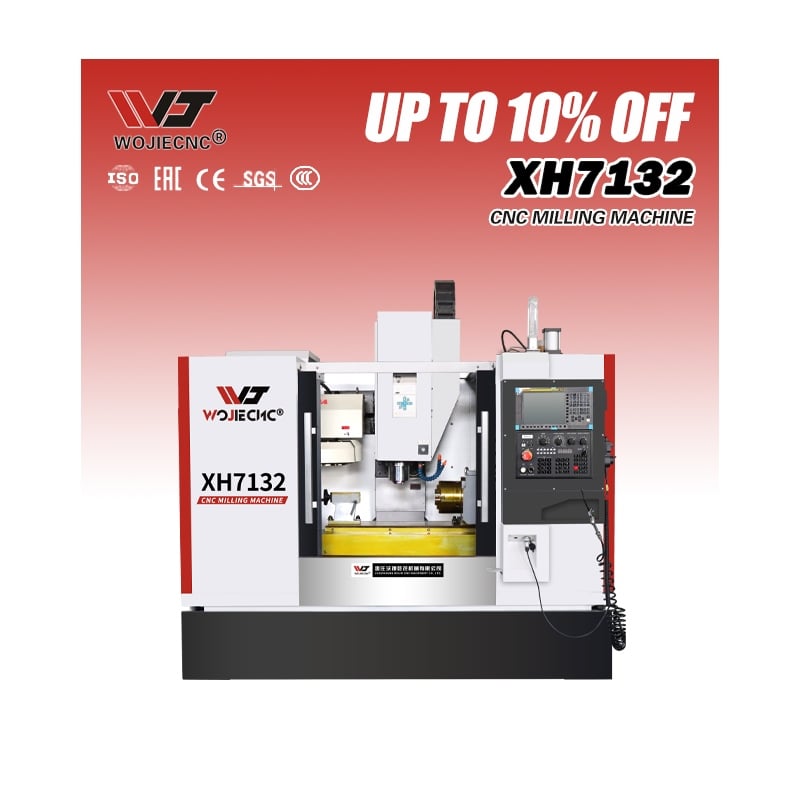
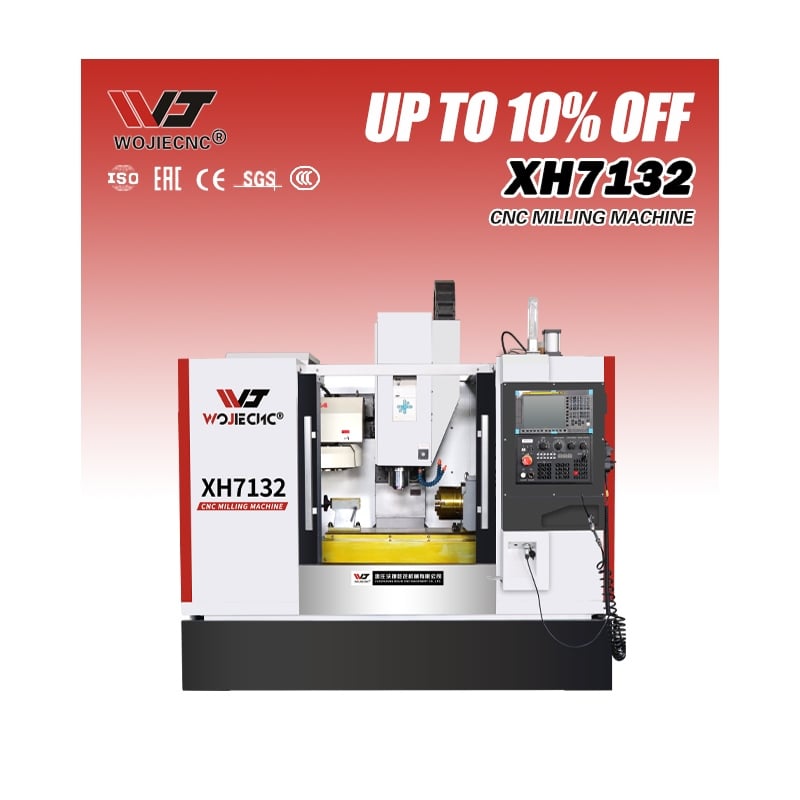
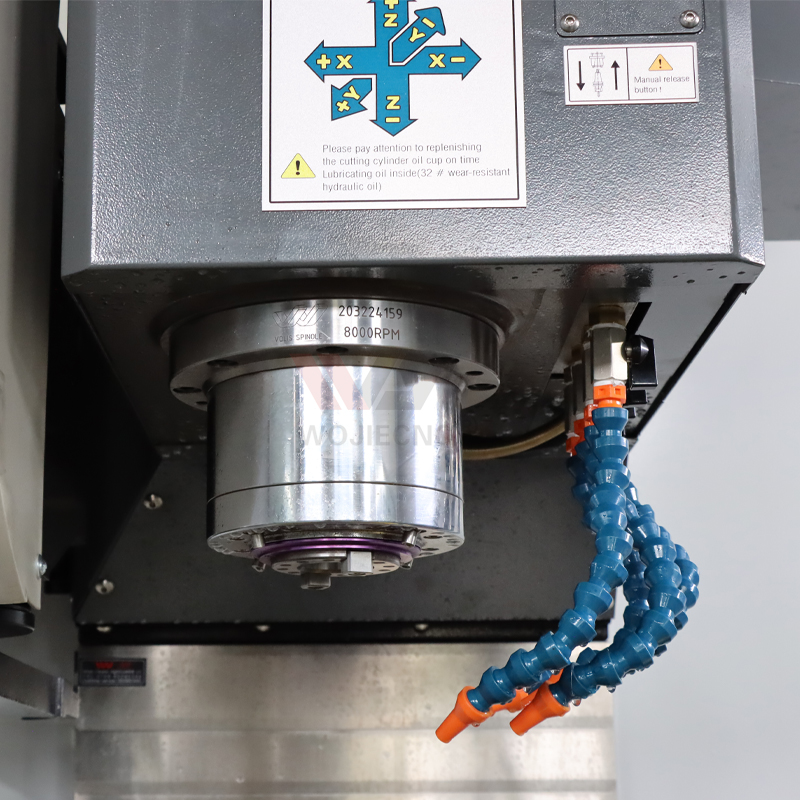
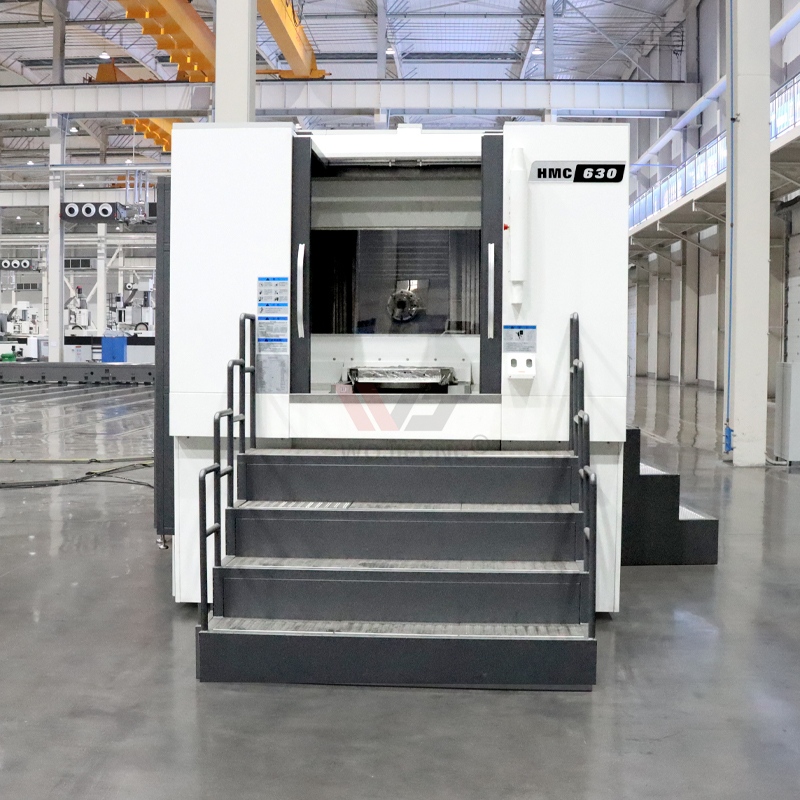
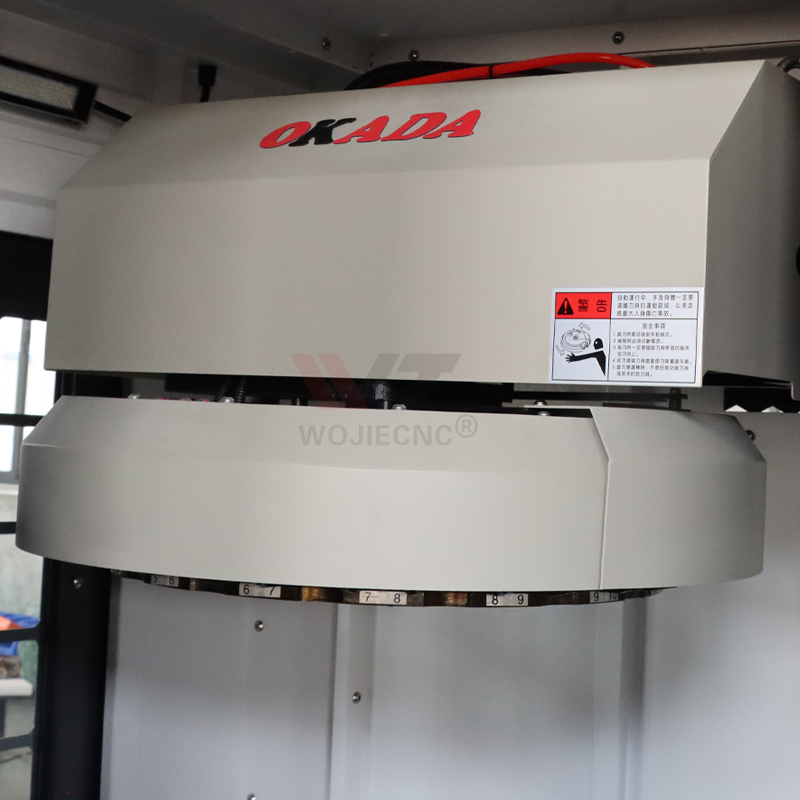
A vertical cnc machining center is a computer-controlled machine tool where the spindle axis runs vertically, allowing cutting tools to move up and down against a workpiece mounted on a horizontal table. This configuration gives operators clear visibility of the cutting zone and makes setup straightforward for a wide range of parts. The vertical cnc machining center performs milling, drilling, boring, tapping, and contouring operations within a single setup, eliminating the need to transfer parts between multiple machines. Modern units feature multi-axis control, typically three to five axes, enabling complex contoured surfaces and precise angular features to be produced in one clamping. High-speed spindles, automatic tool changers holding twenty or more tools, and rigid cast-iron or polymer-composite frames combine to deliver both speed and dimensional accuracy. The control system uses G-code programs generated by CAM software, so engineers can go from a digital model to a finished part quickly and repeatably. Coolant delivery systems, chip conveyors, and enclosed guarding are standard on today's vertical cnc machining center, keeping the work environment safe and reducing downtime for cleaning. Probing cycles allow in-process measurement, catching errors before they become scrap. Industries such as aerospace, automotive, medical device manufacturing, mold making, and general precision engineering all depend on this technology daily. Whether producing a single prototype or a high-volume production run, the vertical cnc machining center delivers consistent quality, tight tolerances often within a few microns, and fast cycle times that keep manufacturing costs competitive. It is widely regarded as the most versatile and accessible CNC platform available today.

 EN
EN