what is cnc milling
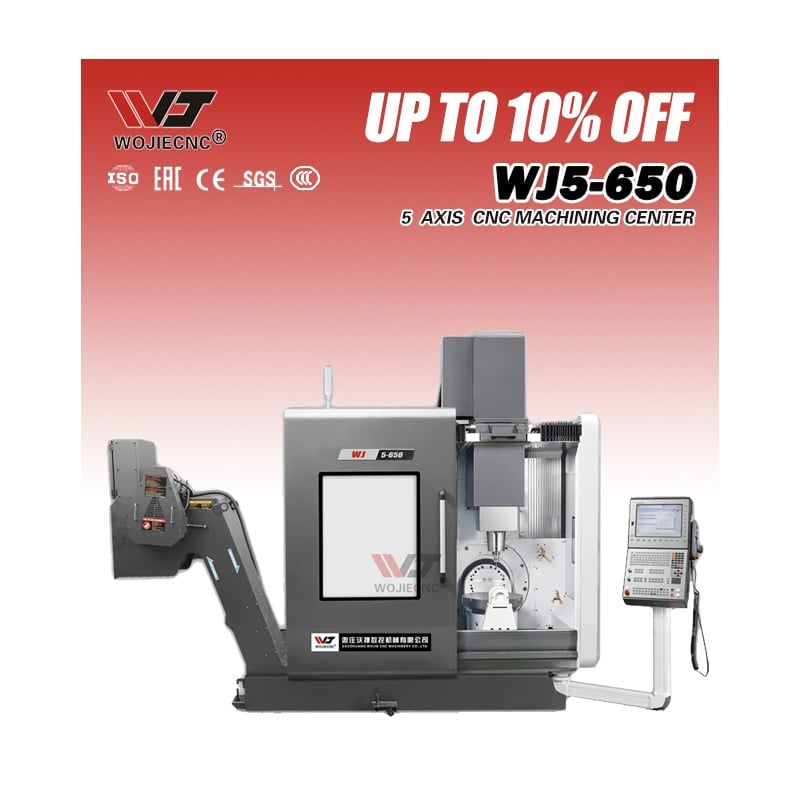
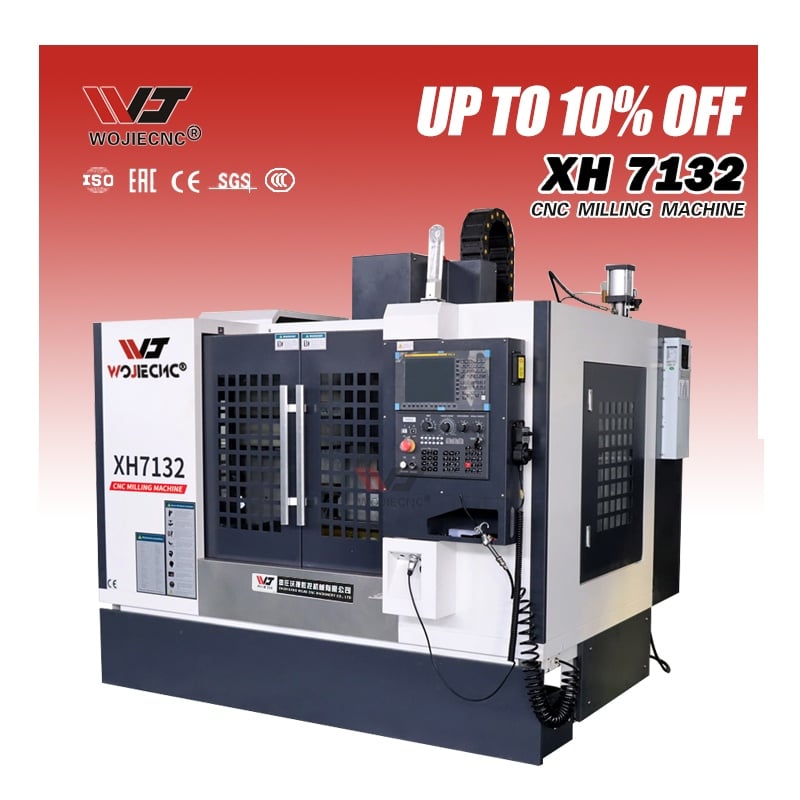
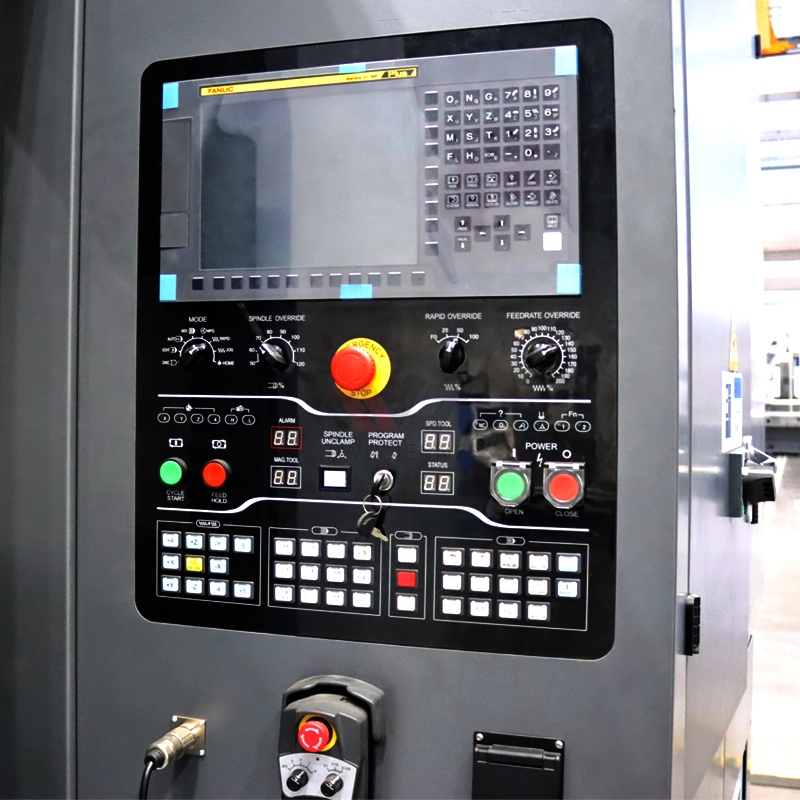
What is CNC milling? It is a computer-controlled manufacturing process that uses rotating cutting tools to remove material from a solid workpiece, shaping it into a precisely defined part. Understanding what is CNC milling starts with recognizing that CNC stands for Computer Numerical Control, meaning every movement of the cutting tool is guided by programmed digital instructions rather than manual operation. This eliminates human error and delivers consistent, repeatable results across large production runs. The process begins with a CAD model, which is converted into machine-readable G-code. The milling machine then executes thousands of precise movements, cutting along multiple axes to produce complex geometries, slots, holes, and contoured surfaces. Modern CNC milling centers operate on three to five axes simultaneously, allowing manufacturers to create intricate components that would be impossible to achieve by hand. What is CNC milling used for in terms of materials? The process handles metals such as aluminum, steel, and titanium, as well as plastics, composites, and wood. Tolerances as tight as 0.001 inches are routinely achieved, making the process ideal for aerospace, medical, automotive, and electronics industries. Speeds, feed rates, and tool paths are all optimized through software before cutting begins, reducing waste and maximizing efficiency. Because the machine follows a digital program, parts can be reproduced identically at any time, supporting both prototype development and full-scale manufacturing. What is CNC milling if not the foundation of modern precision manufacturing, combining software intelligence with mechanical power to deliver parts that meet the most demanding specifications.

 EN
EN