cnc turning and milling center
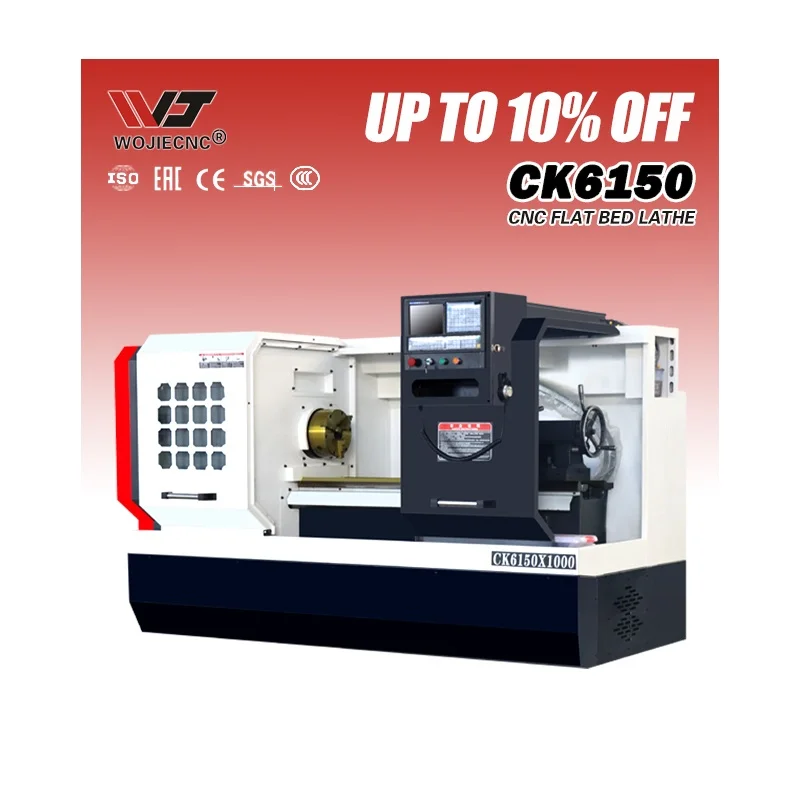
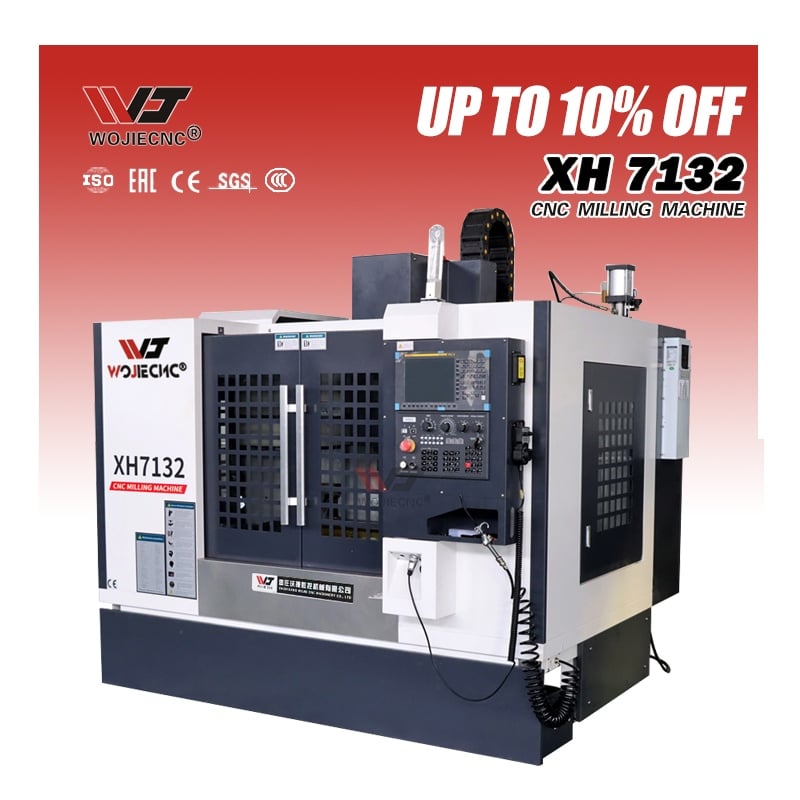
A cnc turning and milling center is a sophisticated piece of manufacturing equipment that combines turning and milling operations into a single, highly capable machine platform. Unlike traditional setups that require multiple machines and manual part transfers, this integrated system performs both rotational cutting and multi-axis milling in one continuous workflow. The machine typically features a high-speed spindle, live tooling capability, a sub-spindle or tailstock, and a C-axis or Y-axis for complex contouring. These components work together to produce precision parts with tight tolerances and excellent surface finishes. The cnc turning and milling center uses advanced CNC control systems to coordinate tool paths, spindle speeds, and feed rates automatically, reducing the need for manual intervention. Modern versions support multi-tasking operations, enabling simultaneous machining on different sections of a workpiece. This capability dramatically shortens cycle times and improves part consistency. Common materials processed include aluminum, steel, titanium, brass, and engineering plastics. Industries that rely on this equipment include aerospace, automotive, medical device manufacturing, oil and gas, and precision engineering. The cnc turning and milling center is particularly valuable when producing complex components with cylindrical, prismatic, or asymmetric geometries that would otherwise require separate setups. With built-in tool changers, probing systems, and chip conveyors, these machines are designed for high-volume production environments as well as small-batch precision work. Overall, the cnc turning and milling center represents a cornerstone technology in modern machining, delivering speed, accuracy, and versatility under one roof.

 EN
EN