Professional Vertical Milling Centers - Precision CNC Machining Solutions for Manufacturing Excellence

Get a Free Quote

Our representative will contact you soon.
Email
Mobile/WhatsApp
Name
Company Name
Message
0/1000

vertical milling center

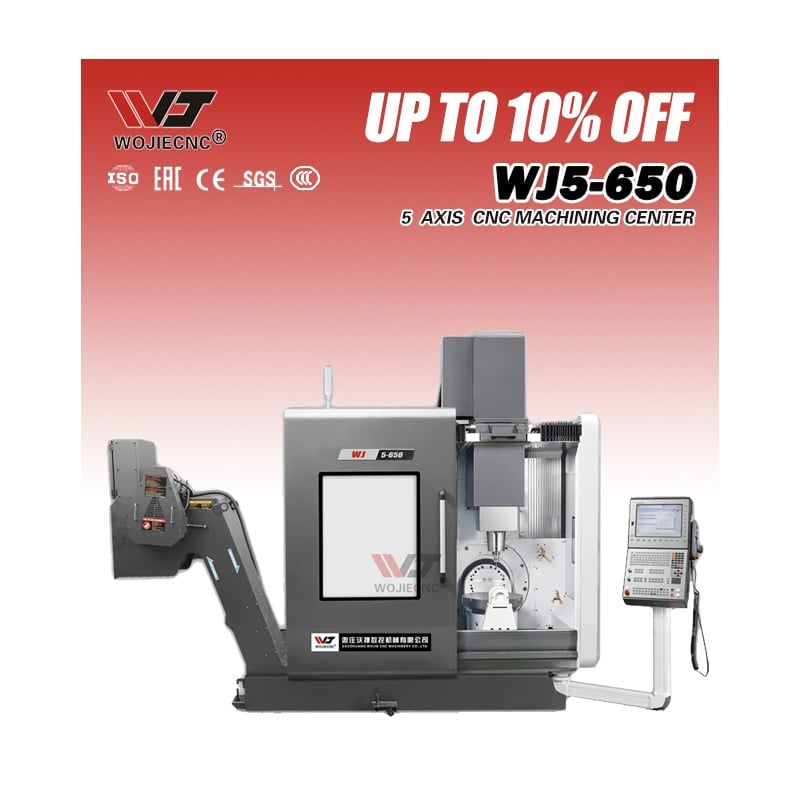
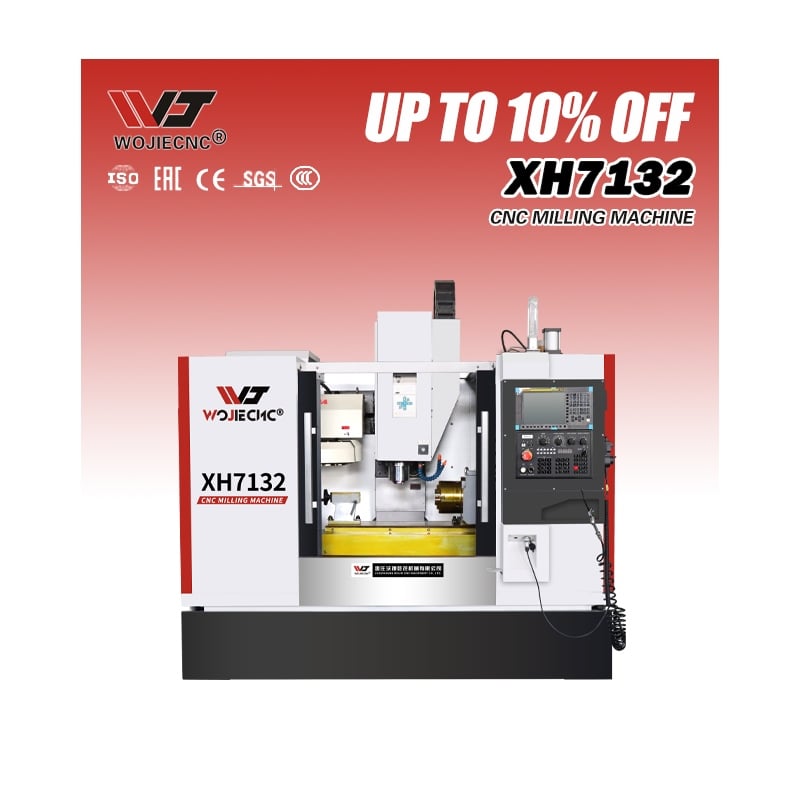
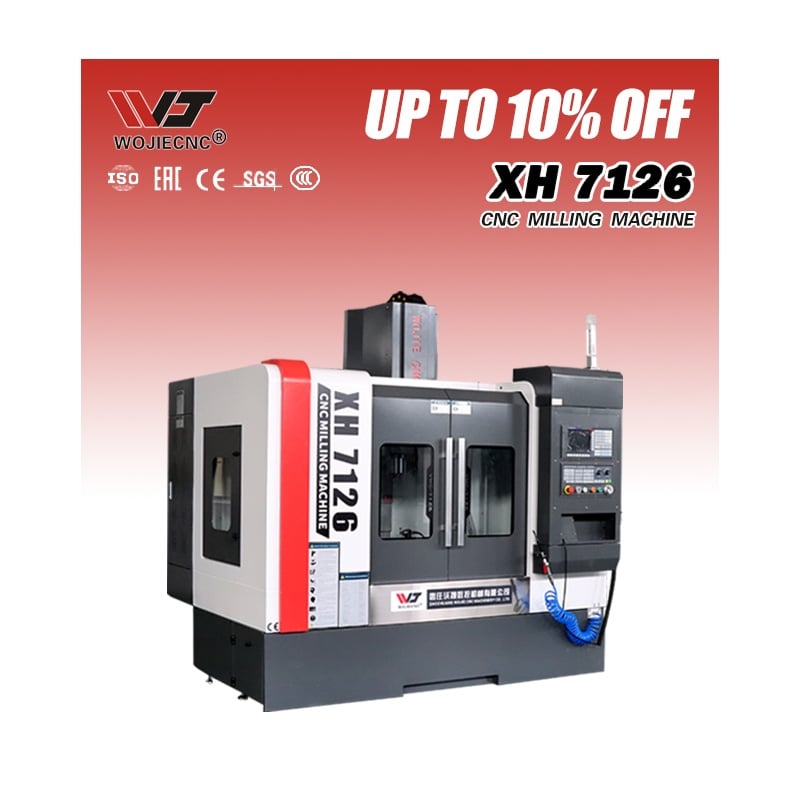
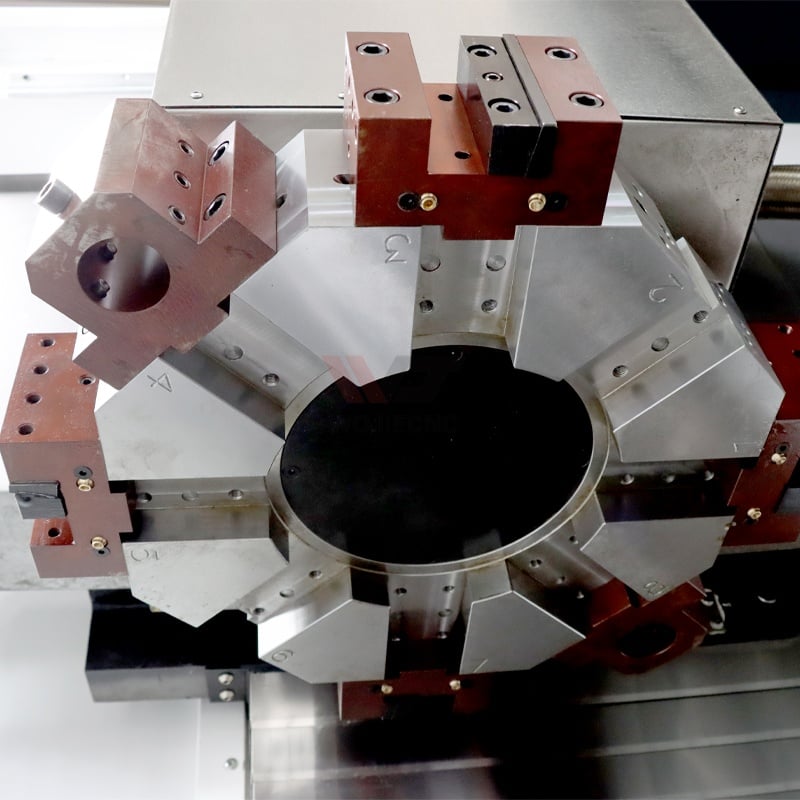
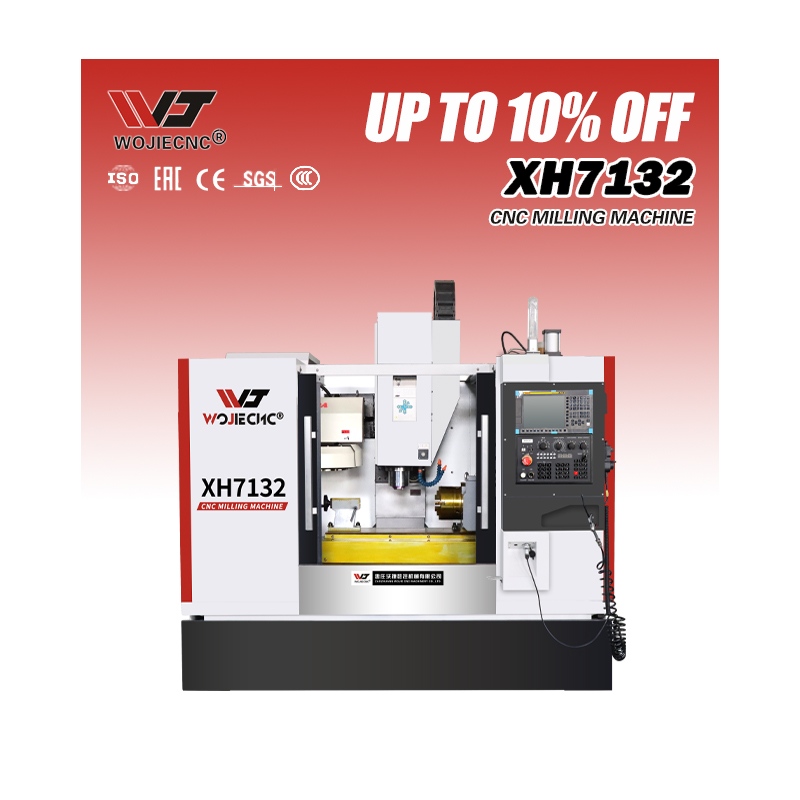
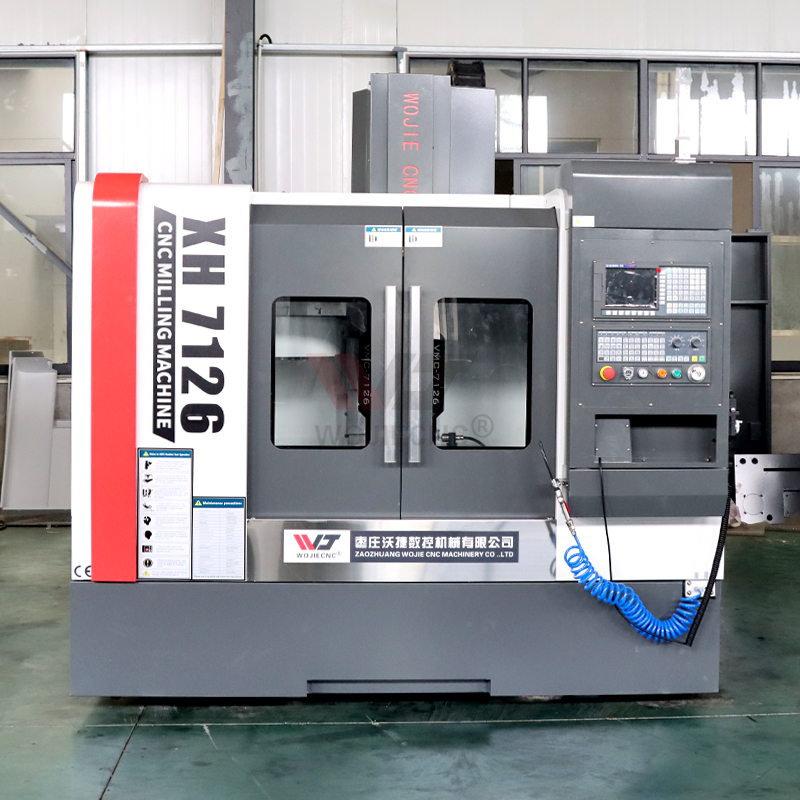
A vertical milling center represents one of the most versatile and essential pieces of equipment in modern manufacturing facilities. This sophisticated machine tool combines the functionality of traditional milling operations with computer numerical control (CNC) technology to deliver precise, efficient, and repeatable machining results. The vertical milling center features a spindle that operates in a vertical orientation, positioning the cutting tool perpendicular to the workpiece table, which allows for exceptional accessibility and visibility during machining operations. The primary functions of a vertical milling center encompass a wide range of material removal processes, including face milling, end milling, drilling, boring, tapping, and contouring operations. These machines excel at creating complex geometries, precise holes, slots, pockets, and intricate surface features on various materials ranging from aluminum and steel to exotic alloys and composites. The technological features that distinguish modern vertical milling centers include high-speed spindles capable of reaching rotational speeds exceeding 20,000 RPM, advanced tool changing systems that can accommodate dozens of cutting tools, sophisticated coolant delivery systems, and integrated measurement probes for in-process quality control. Many vertical milling centers incorporate multi-axis capabilities, allowing simultaneous movement along X, Y, and Z axes, with some models offering additional rotary axes for enhanced flexibility. The control systems utilize state-of-the-art CNC technology with user-friendly interfaces, enabling operators to program complex machining sequences with remarkable precision. Applications for vertical milling centers span across numerous industries, including aerospace, automotive, medical device manufacturing, electronics, and general machining shops. These machines prove invaluable for prototype development, small-batch production, and high-volume manufacturing scenarios where consistency and quality remain paramount concerns for manufacturers seeking competitive advantages in their respective markets.

New Products

Vertical milling centers offer numerous compelling advantages that make them indispensable tools for modern manufacturing operations. These machines deliver exceptional precision and accuracy, consistently producing parts that meet tight tolerances and exacting specifications. The vertical orientation of the spindle provides operators with excellent visibility of the cutting process, allowing for real-time monitoring and immediate adjustments when necessary. This enhanced visibility reduces the likelihood of errors and improves overall part quality while minimizing material waste. The versatility of vertical milling centers enables manufacturers to perform multiple operations on a single machine, eliminating the need to transfer workpieces between different tools and reducing setup time significantly. This consolidation of operations streamlines production workflows and increases overall efficiency. The automated tool changing capabilities of these machines further enhance productivity by reducing manual intervention and enabling lights-out manufacturing scenarios where machines can operate unattended for extended periods. Vertical milling centers also offer superior surface finishes compared to many alternative machining methods, reducing or eliminating the need for secondary finishing operations. The rigid construction and advanced vibration dampening systems ensure stable cutting conditions, even when working with challenging materials or performing heavy-duty operations. The programmable nature of these machines allows manufacturers to store and recall machining programs, ensuring consistent results across multiple production runs and reducing the skill requirements for operators. Cost-effectiveness represents another significant advantage, as vertical milling centers can handle a wide variety of jobs without requiring specialized tooling or extensive setup procedures. The ability to machine complex geometries in a single setup reduces labor costs and improves delivery times for customers. Additionally, the longevity and reliability of modern vertical milling centers provide excellent return on investment, with many machines operating effectively for decades with proper maintenance. The integration capabilities with modern manufacturing systems, including CAD/CAM software and enterprise resource planning systems, enable seamless data flow and improved production planning. These advantages collectively position vertical milling centers as essential investments for manufacturers seeking to enhance their competitive position in increasingly demanding markets.

Latest News

Zaozhuang Wojie CNC Machinery Co., Ltd.: 30+ Years of CNC Mastery, Your Global Trusted Partner

03

Nov

Zaozhuang Wojie CNC Machinery Co., Ltd.: 30+ Years of CNC Mastery, Your Global Trusted Partner

View More
Wojie CNC Shines at International Machine Tool Exhibitions: Forging Global Partnerships with CNC Expertise

30

Oct

Wojie CNC Shines at International Machine Tool Exhibitions: Forging Global Partnerships with CNC Expertise

View More
Wojie CNC Hot-Selling Machines: Full-Scene Precision Machining Solutions for Global Manufacturers

30

Oct

Wojie CNC Hot-Selling Machines: Full-Scene Precision Machining Solutions for Global Manufacturers

View More

Get a Free Quote

Our representative will contact you soon.
Email
Mobile/WhatsApp
Name
Company Name
Message
0/1000

vertical milling center

Advanced Multi-Axis Machining Capabilities

Advanced Multi-Axis Machining Capabilities

The multi-axis machining capabilities of modern vertical milling centers represent a revolutionary advancement that transforms manufacturing possibilities and opens new opportunities for complex part production. These sophisticated machines can simultaneously coordinate movement across multiple axes, typically including the standard X, Y, and Z linear axes, along with additional rotary axes such as A and B axes for enhanced positioning flexibility. This multi-axis functionality enables manufacturers to machine intricate geometries that would be impossible or extremely difficult to achieve with conventional three-axis machines. The ability to approach workpieces from multiple angles eliminates the need for complex fixturing arrangements and reduces the number of setups required to complete complex parts. This capability proves particularly valuable when manufacturing aerospace components, medical implants, automotive parts, and precision instruments that demand complex curved surfaces, undercuts, and angular features. The simultaneous multi-axis movement also improves surface quality by maintaining optimal cutting tool geometry throughout the machining process, resulting in superior finishes and reduced tool wear. Advanced interpolation algorithms ensure smooth motion transitions between axes, eliminating potential discontinuities that could affect part quality. The programming capabilities of modern vertical milling centers support sophisticated toolpath strategies that optimize cutting conditions and minimize cycle times while maintaining exceptional accuracy. Manufacturers benefit from reduced lead times, improved part quality, and enhanced design flexibility when utilizing these advanced multi-axis capabilities. The investment in multi-axis vertical milling centers pays dividends through increased productivity, reduced secondary operations, and the ability to accept more challenging and profitable contracts that competitors with limited capabilities cannot handle effectively.
Intelligent Tool Management Systems

Intelligent Tool Management Systems

Intelligent tool management systems integrated into vertical milling centers represent a significant technological advancement that dramatically improves operational efficiency and reduces manufacturing costs. These sophisticated systems automatically monitor tool condition, track tool usage, and optimize tool selection throughout the machining process. The tool management system maintains a comprehensive database of all available cutting tools, including their specifications, remaining tool life, and performance characteristics. Advanced sensors continuously monitor cutting forces, vibration levels, and acoustic emissions to detect tool wear and potential failure before they impact part quality. When the system detects that a tool is approaching its wear limit, it automatically schedules tool changes at optimal points in the machining cycle, minimizing interruptions and maintaining consistent part quality. The predictive capabilities of these systems enable proactive tool replacement strategies that prevent catastrophic tool failures and associated workpiece damage. Tool life optimization algorithms analyze cutting parameters and adjust feeds, speeds, and cutting paths to maximize tool performance and extend service life. The automated tool changing mechanisms can access tool libraries containing hundreds of cutting tools, enabling lights-out manufacturing operations where machines can run unattended for extended periods. Inventory management features track tool consumption patterns and generate alerts when tool supplies run low, ensuring continuous production without unexpected delays. The system also maintains detailed records of tool performance, enabling data-driven decisions about tool selection and replacement strategies. Quality control benefits include consistent cutting conditions throughout production runs and reduced variability in part dimensions and surface finishes. Cost savings accumulate through optimized tool utilization, reduced scrap rates, and decreased labor requirements for tool management activities. These intelligent systems also support lean manufacturing principles by minimizing inventory requirements and eliminating waste associated with premature tool replacement or unexpected tool failures.
Precision Control and Quality Assurance Integration

Precision Control and Quality Assurance Integration

The precision control systems and integrated quality assurance capabilities of vertical milling centers establish new standards for manufacturing accuracy and consistency that exceed traditional machining approaches. These advanced control systems utilize high-resolution feedback devices, including linear encoders and rotary encoders, to monitor machine position with sub-micron accuracy throughout the entire machining envelope. The closed-loop control architecture continuously compares commanded positions with actual positions and makes instantaneous corrections to maintain precise tool positioning. Thermal compensation systems monitor machine temperature variations and automatically adjust machine geometry to compensate for thermal expansion effects that could compromise part accuracy. Integrated measurement probes enable in-process quality verification, allowing operators to check critical dimensions without removing workpieces from the machine setup. This capability eliminates setup errors and enables immediate corrections if dimensions drift outside acceptable tolerances. Statistical process control integration captures measurement data automatically and generates real-time quality reports that identify trends and potential issues before they result in non-conforming parts. The precision control systems also support adaptive machining strategies that automatically adjust cutting parameters based on material variations or tool wear conditions to maintain consistent part quality. Advanced interpolation algorithms ensure smooth tool motion along complex curved paths while maintaining programmed feed rates and achieving specified surface finishes. Vibration monitoring systems detect and compensate for dynamic disturbances that could affect machining accuracy, ensuring stable cutting conditions even during high-speed operations. The quality assurance integration extends to documentation and traceability features that automatically record machining parameters, tool usage, and measurement results for each part produced. This comprehensive data collection supports quality audits and enables rapid investigation of any quality issues that may arise. Manufacturers benefit from reduced inspection requirements, improved first-pass yield rates, and enhanced customer confidence in product quality when utilizing these advanced precision control and quality assurance capabilities.
Professional Vertical Milling Centers - Precision CNC Machining Solutions for Manufacturing Excellence

Get a Free Quote

Our representative will contact you soon.
Email
Mobile/WhatsApp
Name
Company Name
Message
0/1000
email goToTop