Industrial CNC Milling Machine Solutions

Get a Free Quote

Our representative will contact you soon.
Email
Mobile/WhatsApp
Name
Company Name
Message
0/1000

industrial cnc milling machine

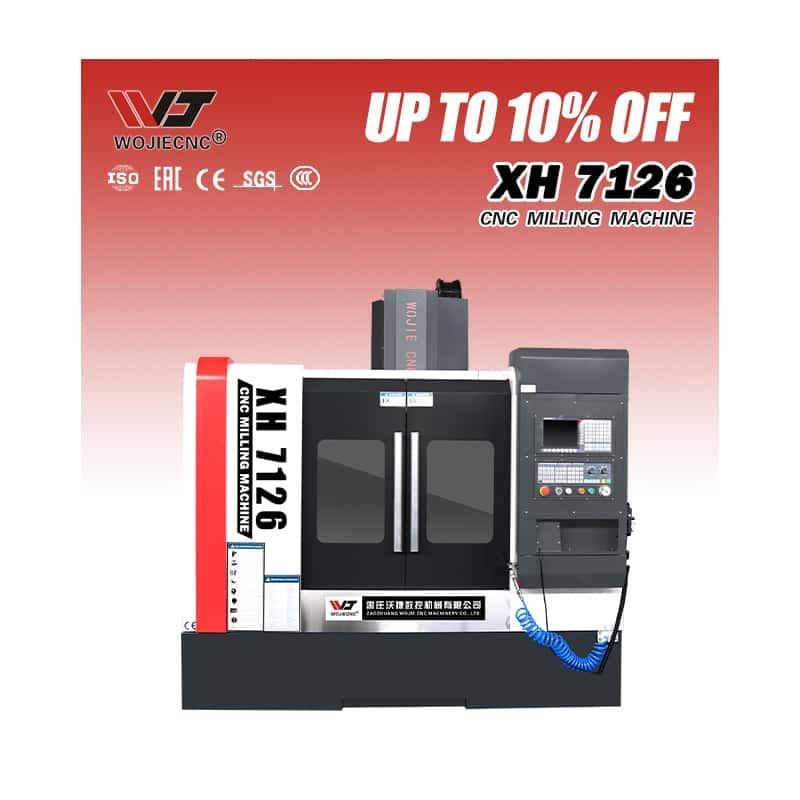
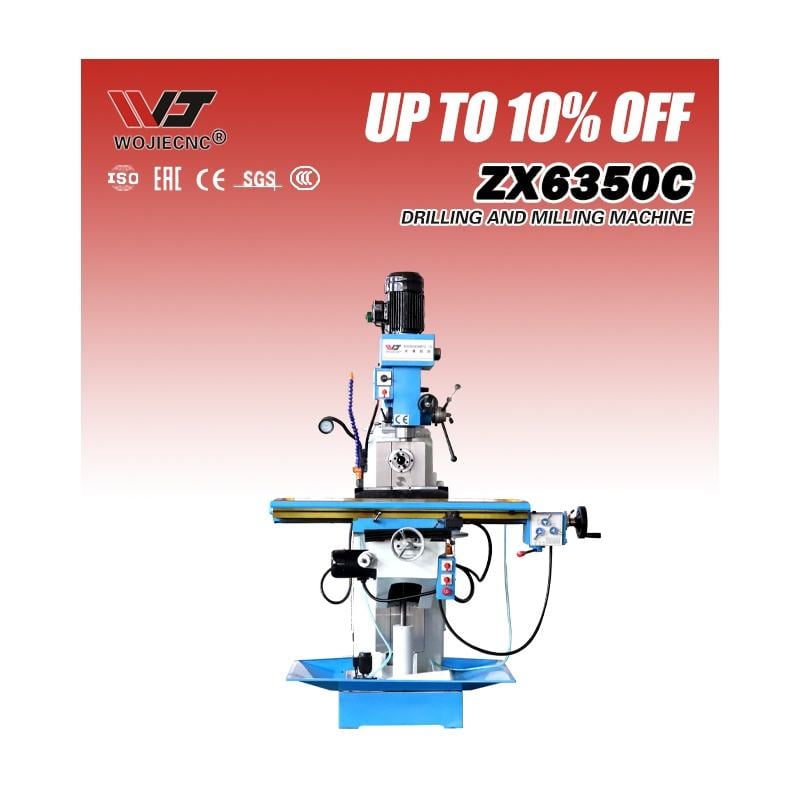
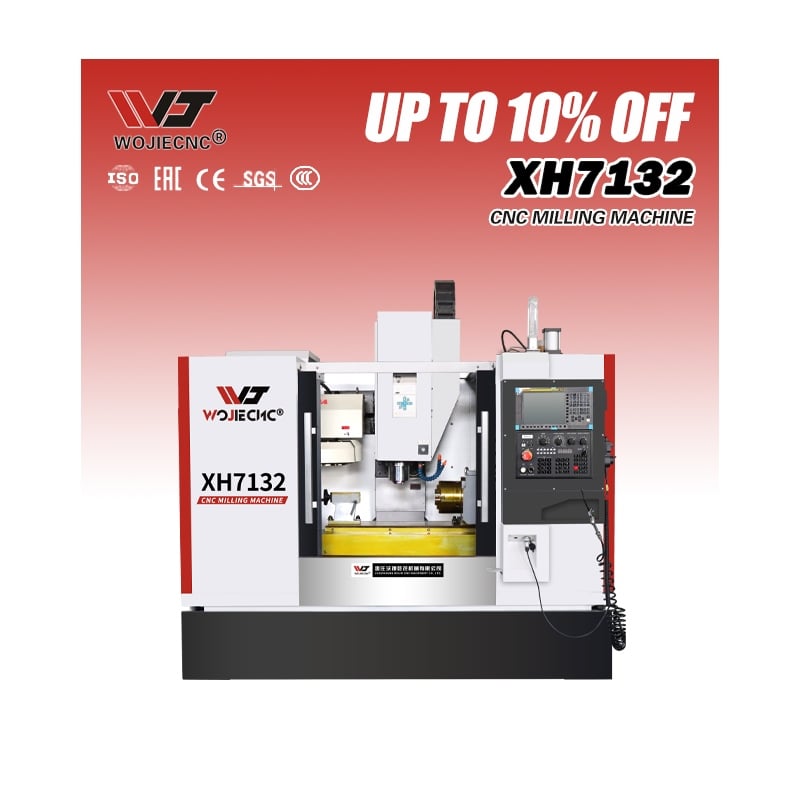
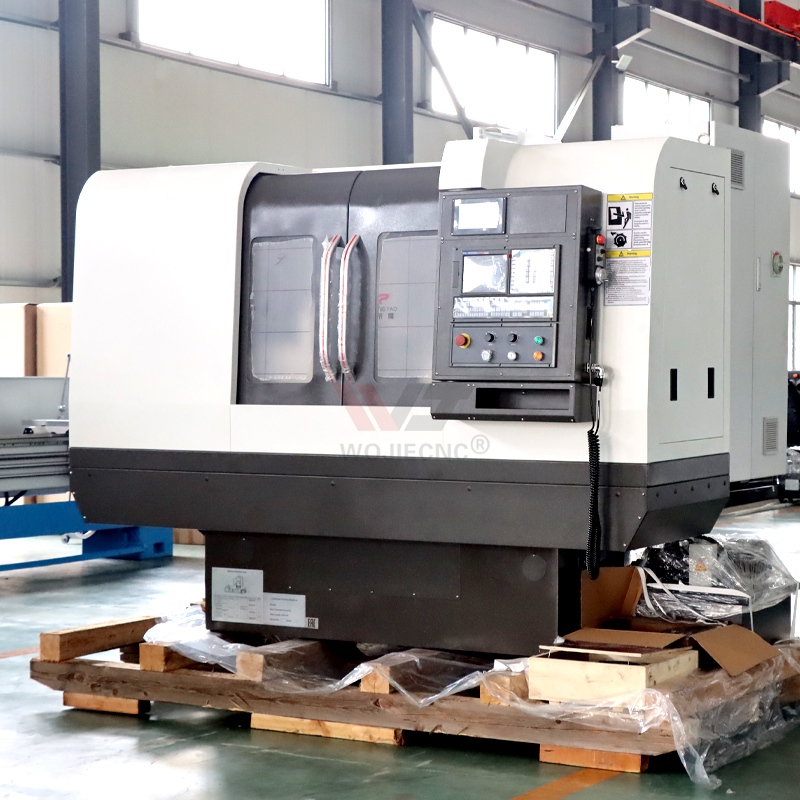
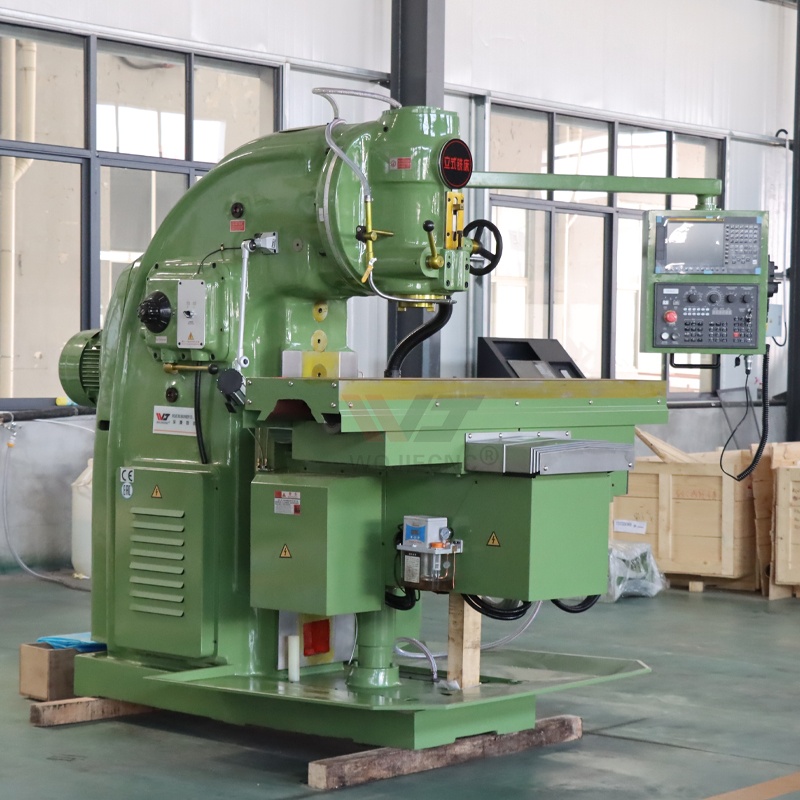
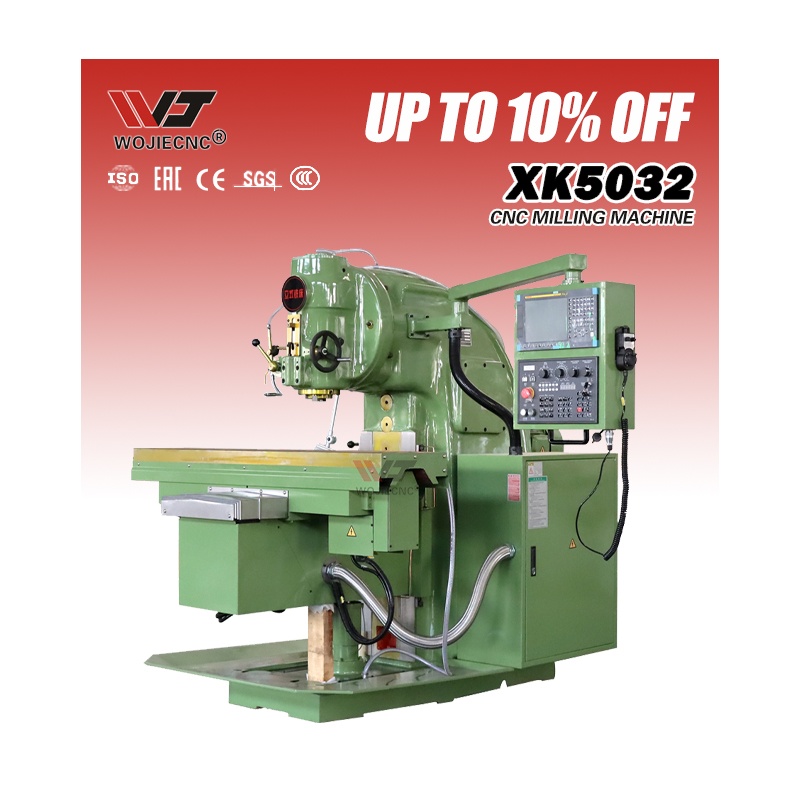
An industrial cnc milling machine is a computer-controlled cutting system designed to shape metal, plastic, wood, and composite materials with exceptional accuracy. Using programmed instructions, the machine directs cutting tools along multiple axes, removing material to produce complex components with tight tolerances. Modern industrial cnc milling machines typically operate on three to five axes, enabling manufacturers to create intricate geometries that manual machining simply cannot replicate. Core functions include face milling, profile milling, slot cutting, drilling, and contouring. Advanced spindle technology delivers high rotational speeds, while rigid cast-iron or welded steel frames absorb vibration to maintain dimensional stability throughout long production runs. Control systems from leading brands such as Fanuc, Siemens, and Mitsubishi allow operators to load G-code programs, monitor real-time tool wear, and adjust feed rates without halting production. Automatic tool changers store dozens of cutting tools, reducing setup time significantly. Coolant delivery systems flush chips away and control heat buildup, extending tool life and protecting surface finishes. Industrial cnc milling machines are deployed across aerospace, automotive, medical device, mold-making, and electronics manufacturing sectors. Whether a facility needs low-volume prototyping or high-volume production, these machines scale to meet output demands efficiently. With built-in diagnostics and network connectivity, an industrial cnc milling machine integrates smoothly into smart factory environments, supporting data collection for predictive maintenance and quality assurance. Investing in this technology gives manufacturers a competitive edge through consistent output, reduced scrap rates, and faster time-to-market cycles.

New Products

Choosing an industrial cnc milling machine delivers measurable benefits that directly impact your bottom line. First, precision is built into every cycle. Because the machine follows digital instructions rather than relying on operator skill, part dimensions stay consistent from the first piece to the ten-thousandth. That consistency cuts inspection time and reduces costly rework, which means your team ships orders on schedule. Second, an industrial cnc milling machine runs lights-out. Once a program is loaded and material is fixtured, the machine operates unattended through nights and weekends, multiplying output without adding headcount. Manufacturers report capacity increases of 30 to 60 percent after switching from conventional equipment to CNC milling centers. Third, flexibility is a major selling point. Changing from one product to another requires only a new program and the appropriate tooling. Small shops benefit because they can accept diverse job orders without investing in dedicated fixtures for every part. Larger facilities appreciate the ability to switch product lines quickly in response to shifting customer demand. Fourth, safety improves dramatically. Operators interact with the workpiece during setup only, then step back while the enclosure protects them from chips and coolant spray. Fewer accidents mean lower insurance costs and higher workforce morale. Fifth, an industrial cnc milling machine connects to manufacturing execution systems and ERP software, giving managers real-time visibility into cycle times, tool consumption, and machine utilization. That data supports smarter scheduling and leaner inventory practices. Finally, modern machines consume energy more efficiently than older equipment, lowering utility bills and helping facilities meet sustainability targets. When you evaluate total cost of ownership, the industrial cnc milling machine consistently outperforms alternatives, making it the practical choice for growth-oriented manufacturers at every scale.

Latest News

What specifications influence punching accuracy and stability?

15

Apr

What specifications influence punching accuracy and stability?

In precision metal fabrication, understanding what specifications influence punching accuracy and stability is fundamental to achieving consistent, high-quality results. While punching machine operations appear straightforward, the dimensional precis...
View More
Is CNC milling suitable for both prototyping and mass manufacturing projects?

08

May

Is CNC milling suitable for both prototyping and mass manufacturing projects?

When engineers and procurement managers evaluate manufacturing methods, one of the most common questions that arises is whether a single process can serve both early-stage development and full-scale production. cnc milling stands out as one of the fe...
View More
Is automated control on a grinding machine worth the investment for manufacturers?

25

May

Is automated control on a grinding machine worth the investment for manufacturers?

For manufacturers operating in precision-driven industries, the decision to invest in automated control on a grinding machine is rarely straightforward. The upfront cost, the integration complexity, and the learning curve for operators all weigh heav...
View More
How do manufacturers select a hydraulic press machine for metal stamping?

01

Jun

How do manufacturers select a hydraulic press machine for metal stamping?

Selecting the right hydraulic press machine for metal stamping is one of the most consequential decisions a manufacturer can make. The hydraulic press machine sits at the heart of stamping operations, directly influencing part quality, cycle time, to...
View More

Get a Free Quote

Our representative will contact you soon.
Email
Mobile/WhatsApp
Name
Company Name
Message
0/1000

industrial cnc milling machine

Multi-Axis Precision Machining for Complex Geometry

Multi-Axis Precision Machining for Complex Geometry

The industrial cnc milling machine excels at producing parts with complex contours, deep pockets, and undercut features that traditional machines cannot achieve in a single setup. Five-axis configurations tilt and rotate the workpiece or the cutting head simultaneously, allowing the tool to approach surfaces from virtually any angle. This capability eliminates multiple repositioning steps, cutting total machining time by up to 40 percent while improving surface finish quality. Aerospace brackets, turbine blades, and orthopedic implants all require this level of geometric freedom. Rigid linear guideways and precision ballscrews translate motor commands into cutting motion with sub-micron repeatability, ensuring that every part leaving the machine meets engineering drawings exactly. Built-in probing cycles verify workpiece position before cutting begins, catching fixturing errors automatically and preventing scrap before it happens.
High-Speed Spindle Technology for Faster Material Removal

High-Speed Spindle Technology for Faster Material Removal

At the heart of every industrial cnc milling machine is its spindle, and modern designs push speeds beyond 20,000 RPM to tackle aluminum, titanium, hardened steel, and engineering plastics without sacrificing accuracy. Ceramic bearings reduce friction and heat generation, extending spindle service intervals and lowering maintenance costs. High-frequency spindle motors paired with vector control drives deliver constant torque across the entire speed range, so the machine maintains cutting performance whether roughing large volumes of material or finishing delicate thin-walled features. Integrated thermal compensation software monitors spindle temperature and automatically offsets the tool position to counteract thermal growth, preserving dimensional accuracy during extended shifts. This combination of speed, power, and thermal management means faster cycle times, superior surface finishes, and longer tool life, all of which reduce per-part production costs considerably.
Smart Controls and Connectivity for Industry 4.0 Integration

Smart Controls and Connectivity for Industry 4.0 Integration

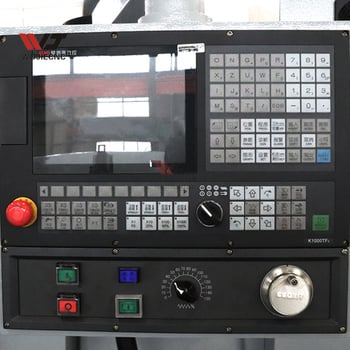
Today's industrial cnc milling machine ships with intelligent control platforms that do far more than execute G-code. Touchscreen HMI panels give operators intuitive access to program management, tool offset libraries, and diagnostic dashboards. OPC-UA and MTConnect communication protocols let the machine share live performance data with factory networks, enabling supervisors to monitor utilization rates, detect anomalies, and schedule maintenance before breakdowns occur. Adaptive control algorithms adjust feed rates in real time based on cutting force feedback, protecting tools from sudden overload and maximizing material removal rates simultaneously. Remote access features allow engineers to upload new programs, review alarm histories, and fine-tune parameters from any networked device. These smart capabilities transform the industrial cnc milling machine from a standalone cutter into a connected production asset that drives continuous improvement across the entire manufacturing operation.
Industrial CNC Milling Machine Solutions

Get a Free Quote

Our representative will contact you soon.
Email
Mobile/WhatsApp
Name
Company Name
Message
0/1000
email goToTop