Precision CNC Milling Services and Solutions

Get a Free Quote

Our representative will contact you soon.
Email
Mobile/WhatsApp
Name
Company Name
Message
0/1000

cnc milling

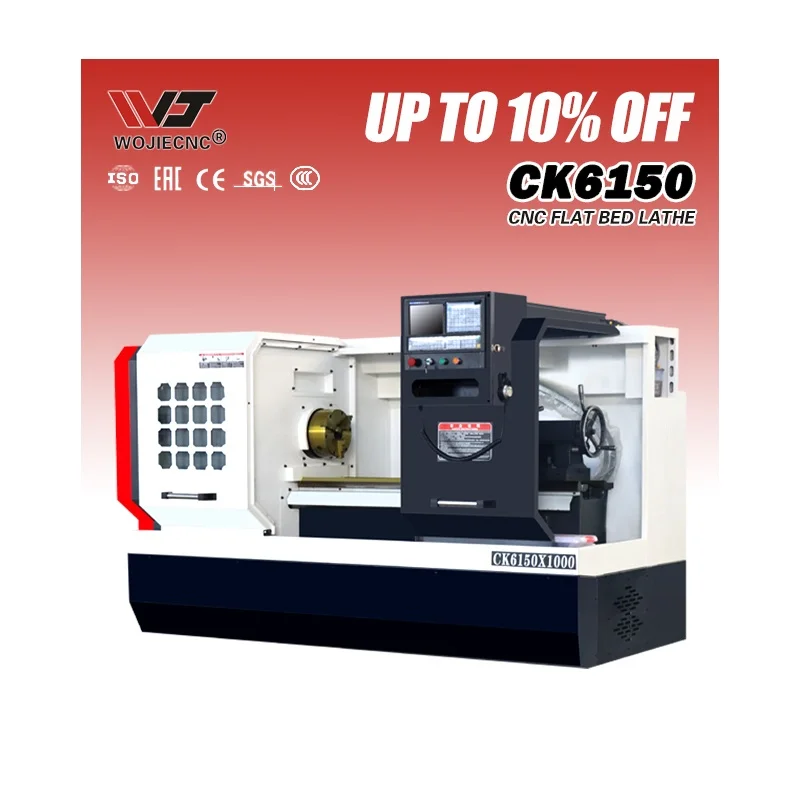
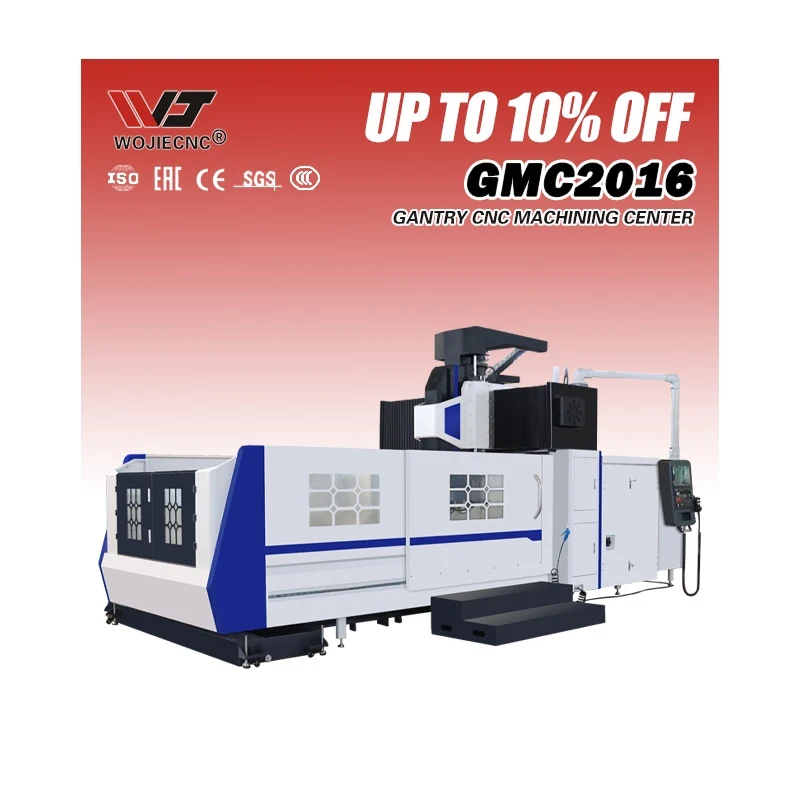
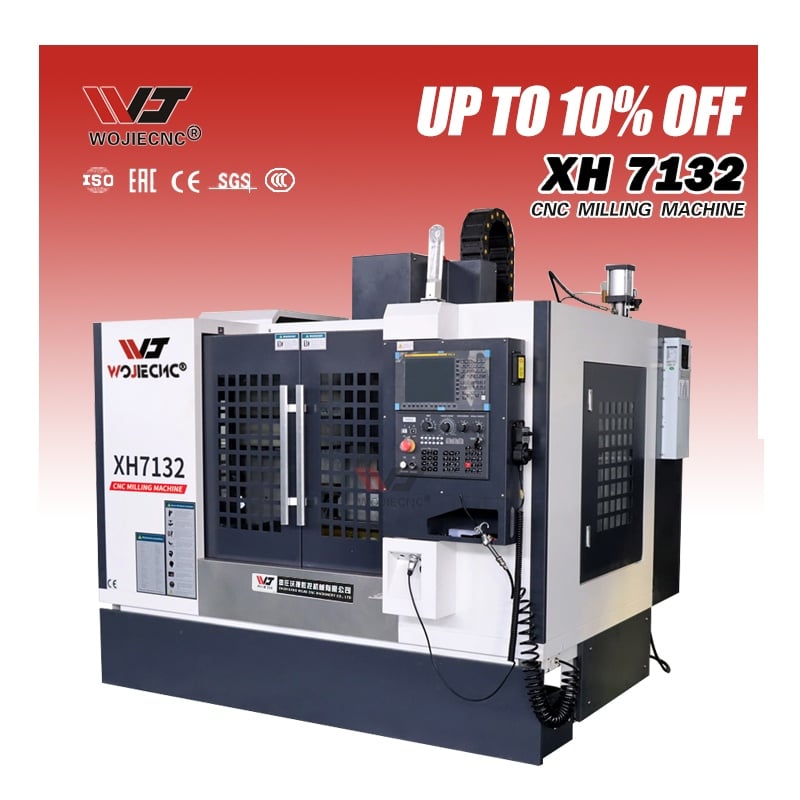
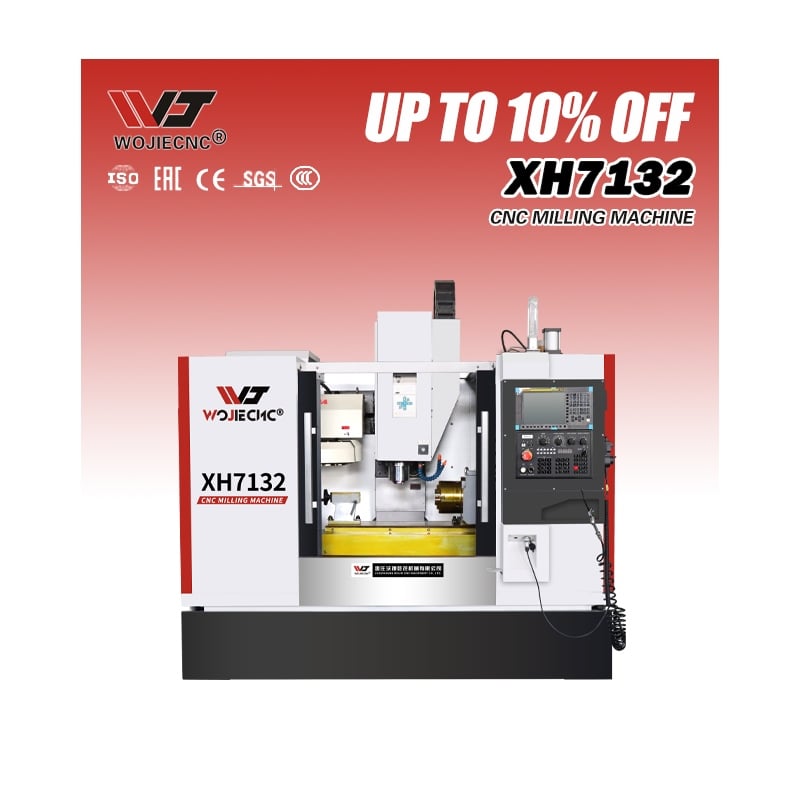
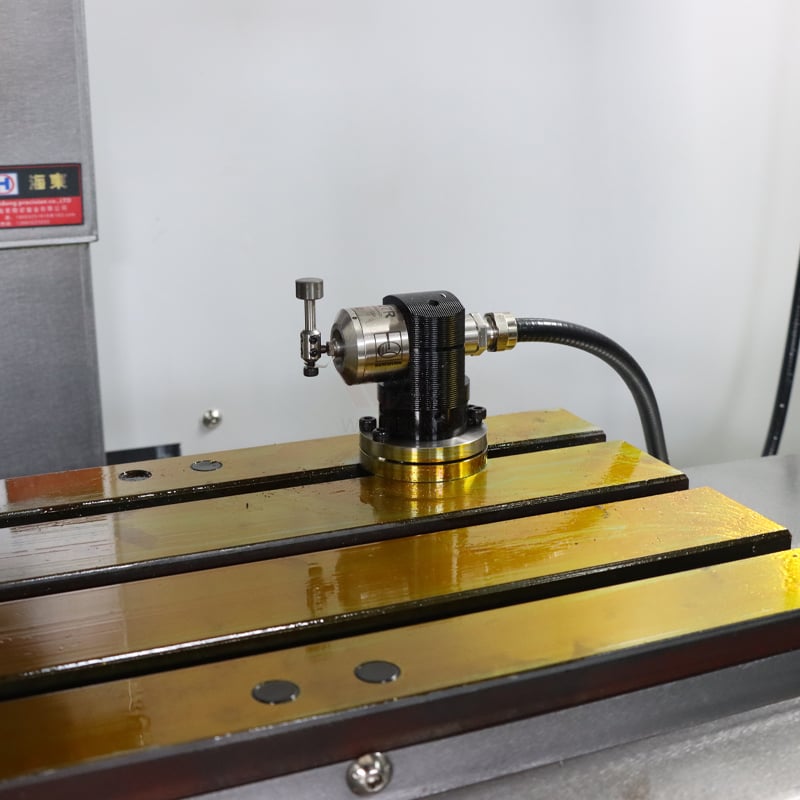
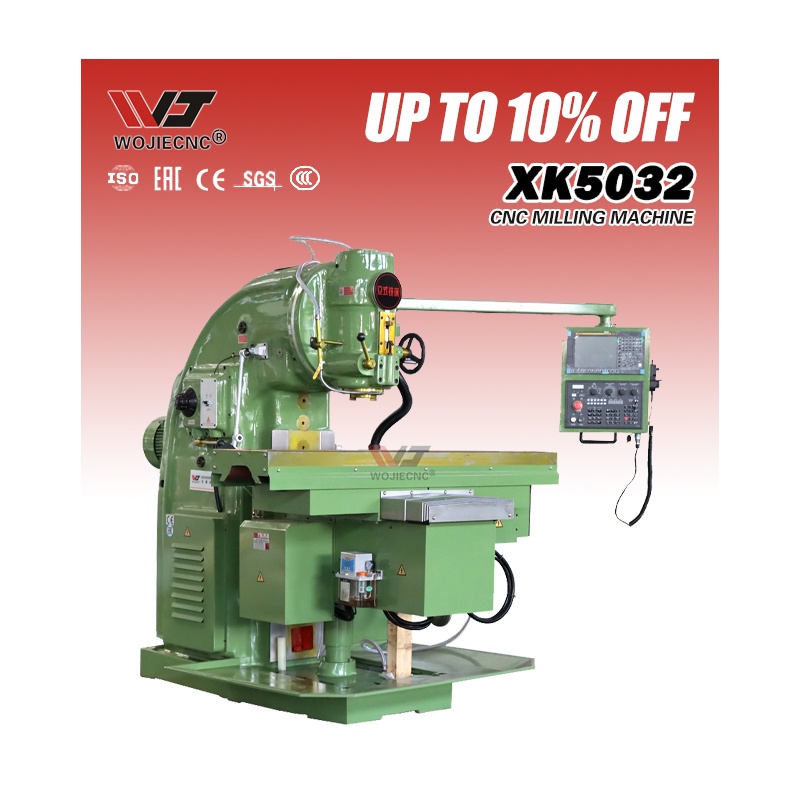
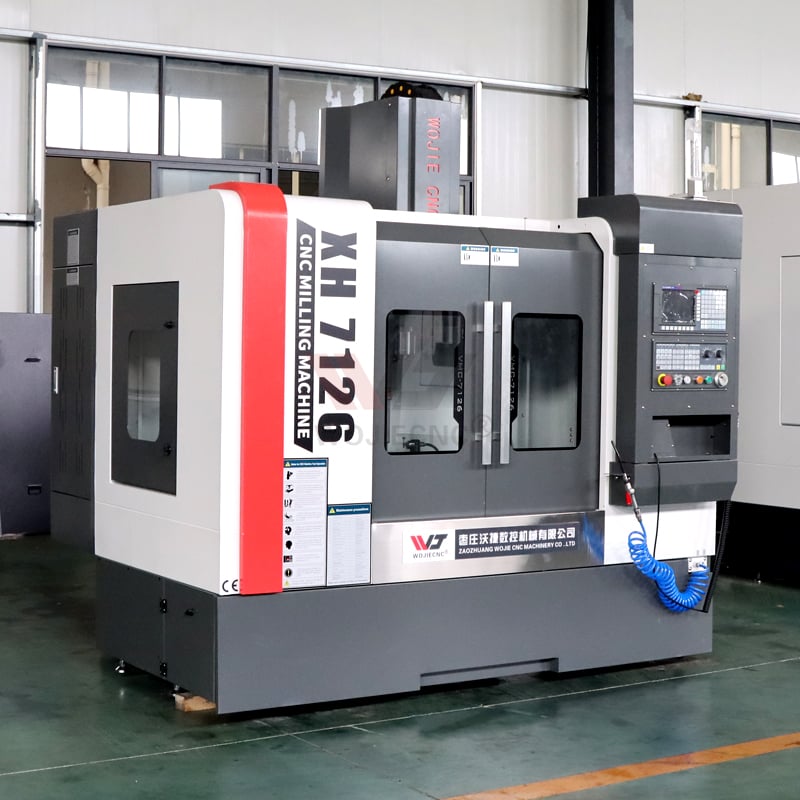
CNC milling is a computer-controlled manufacturing process that uses rotating cutting tools to remove material from a workpiece, shaping it into a precise, finished part. The process relies on pre-programmed software instructions to guide multi-axis machines with exceptional accuracy, making cnc milling one of the most reliable and versatile subtractive manufacturing methods available today. At its core, cnc milling translates digital design files into physical components by directing spindle movement across X, Y, and Z axes, and often additional rotational axes for complex geometries. This technology supports a wide range of materials, including aluminum, steel, titanium, plastics, and composites, allowing manufacturers to serve industries from aerospace and automotive to medical devices and consumer electronics. The technological backbone of cnc milling includes high-speed spindles, precision ball screws, advanced servo motors, and sophisticated CAM software that optimizes tool paths for speed and surface quality. Modern machines feature automatic tool changers, real-time monitoring systems, and closed-loop feedback controls that minimize errors and reduce downtime. These capabilities allow cnc milling centers to produce complex contours, deep cavities, fine threads, and tight tolerances that manual machining simply cannot match. Whether producing a single prototype or thousands of identical parts, cnc milling delivers consistent dimensional accuracy and repeatable results. Engineers, product designers, and procurement specialists rely on this process when quality, speed, and cost efficiency must align. As digital manufacturing continues to evolve, cnc milling remains a foundational technology that bridges design innovation with real-world production demands.

New Product Releases

CNC milling gives manufacturers a clear edge when precision, speed, and consistency all matter at once. Unlike manual machining, cnc milling runs on programmed instructions that eliminate human error during cutting, which means every part comes out the same whether you produce ten or ten thousand units. That repeatability alone saves significant time and money by reducing scrap rates and rework costs. From a practical standpoint, cnc milling handles complex part geometries that would be impossible or prohibitively slow with conventional tools. Operators can machine intricate contours, pockets, slots, and angled surfaces in a single setup, cutting production time dramatically. Fewer setups also mean less handling, which lowers the risk of part damage and measurement error. For buyers, this translates directly into faster delivery and lower per-unit costs on medium-to-high volume runs. CNC milling is also highly adaptable. You can switch between part designs simply by loading a new program, making it ideal for manufacturers who run diverse product lines or respond frequently to custom orders. This flexibility supports rapid prototyping, short-run production, and full-scale manufacturing within the same equipment. Material versatility is another strong advantage. CNC milling works effectively across metals, engineering plastics, and composite materials, so one machine can serve multiple departments or customer segments without requiring additional capital investment. Safety also improves because operators interact less directly with cutting zones during active machining cycles. Finally, cnc milling integrates smoothly with quality control systems, enabling in-process measurement and real-time adjustments that keep parts within specification. For any business that needs reliable output, scalable production, and competitive lead times, cnc milling delivers measurable, practical value at every stage of the manufacturing process.

Tips And Tricks

How can a punching machine reduce production time for repetitive tasks?

08

Apr

How can a punching machine reduce production time for repetitive tasks?

In modern manufacturing environments where speed and precision determine competitive advantage, reducing production time for repetitive tasks has become a critical objective for operations managers and production engineers. A punching machine offers ...
View More
What specifications influence punching accuracy and stability?

15

Apr

What specifications influence punching accuracy and stability?

In precision metal fabrication, understanding what specifications influence punching accuracy and stability is fundamental to achieving consistent, high-quality results. While punching machine operations appear straightforward, the dimensional precis...
View More
Which CNC milling features matter most for buyers seeking long-term stability?

22

Apr

Which CNC milling features matter most for buyers seeking long-term stability?

When industrial buyers evaluate machine tool investments, the decision extends far beyond initial purchase price or catalog specifications. The features that define a cnc milling system's ability to deliver consistent value over years of production u...
View More
Is CNC milling suitable for both prototyping and mass manufacturing projects?

08

May

Is CNC milling suitable for both prototyping and mass manufacturing projects?

When engineers and procurement managers evaluate manufacturing methods, one of the most common questions that arises is whether a single process can serve both early-stage development and full-scale production. cnc milling stands out as one of the fe...
View More

Get a Free Quote

Our representative will contact you soon.
Email
Mobile/WhatsApp
Name
Company Name
Message
0/1000

cnc milling

Unmatched Precision and Repeatability

Unmatched Precision and Repeatability

One of the strongest reasons manufacturers choose cnc milling is its ability to hold extremely tight tolerances across every single part in a production run. CNC milling machines follow programmed tool paths down to fractions of a millimeter, ensuring that the first part and the ten-thousandth part share identical dimensions. This level of precision is critical in industries like aerospace, medical device manufacturing, and automotive engineering, where dimensional variation can cause assembly failures or safety risks. The closed-loop control systems built into modern cnc milling centers continuously monitor spindle position and feed rate, making micro-corrections in real time to compensate for thermal expansion or tool wear. As a result, buyers receive components that meet drawing specifications consistently, reducing inspection overhead and supplier qualification risk. For procurement teams managing strict quality requirements, this reliability makes cnc milling the dependable choice.
Multi-Axis Capability for Complex Geometries

Multi-Axis Capability for Complex Geometries

Modern cnc milling machines operate across three, four, or five axes simultaneously, enabling the production of highly complex part shapes without multiple setups or manual repositioning. This multi-axis capability allows cutting tools to approach a workpiece from virtually any angle, carving undercuts, compound curves, and intricate internal features that traditional two-axis machines cannot reach. Fewer setups mean shorter cycle times, lower labor costs, and reduced opportunity for fixture-related errors. Industries producing turbine blades, orthopedic implants, mold cavities, and precision housings benefit enormously from this feature. By consolidating operations that once required several machines, five-axis cnc milling dramatically improves throughput while maintaining surface quality. For customers evaluating machining partners or purchasing their own equipment, multi-axis cnc milling represents a forward-compatible investment that handles current complexity and scales to meet future design demands without additional capital outlay.
Seamless Integration with Digital Manufacturing Workflows

Seamless Integration with Digital Manufacturing Workflows

CNC milling fits naturally into modern digital manufacturing ecosystems because it operates directly from CAD and CAM data. Engineers design parts in 3D modeling software, generate optimized tool paths through CAM programs, and transfer those instructions to the cnc milling machine with minimal manual intervention. This digital continuity reduces programming errors, shortens setup time, and accelerates the path from concept to finished component. As manufacturing becomes more data-driven, cnc milling centers increasingly connect to factory networks, enabling remote monitoring, predictive maintenance alerts, and production analytics that improve uptime and planning accuracy. For businesses adopting Industry 4.0 practices, this connectivity transforms cnc milling from a standalone process into an integrated node within a smart production environment. Customers gain full traceability, faster iteration cycles during product development, and the ability to respond quickly to design changes without scrapping tooling or retooling fixtures.
Precision CNC Milling Services and Solutions

Get a Free Quote

Our representative will contact you soon.
Email
Mobile/WhatsApp
Name
Company Name
Message
0/1000
email goToTop