mill vs lathe
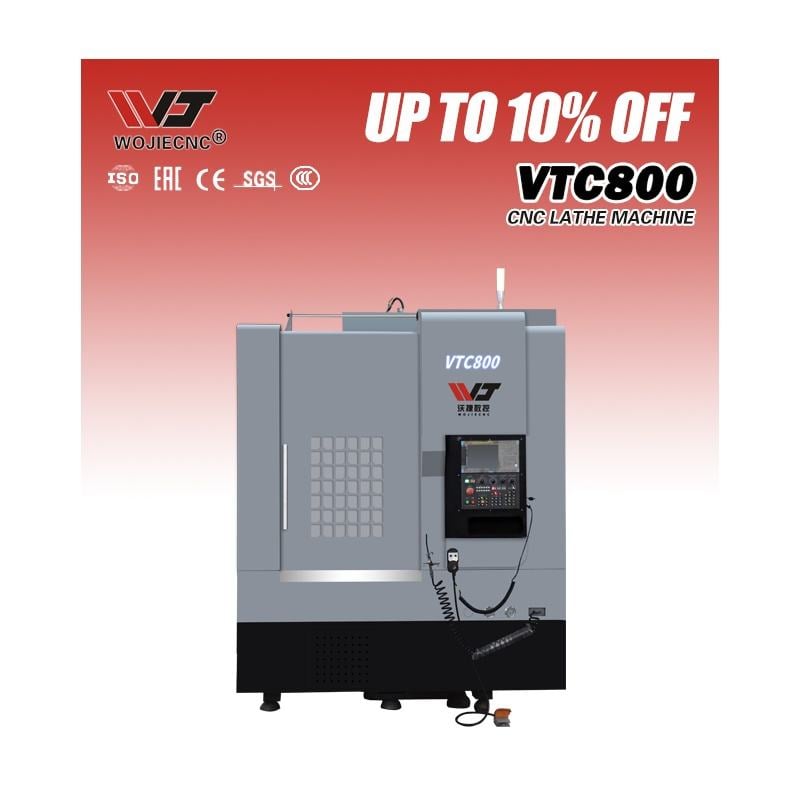
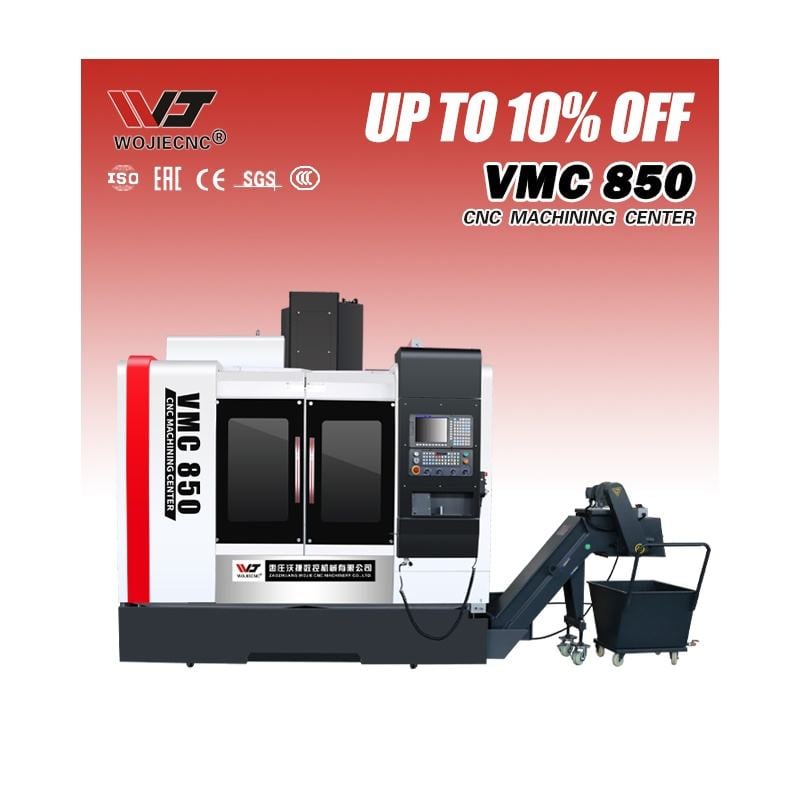
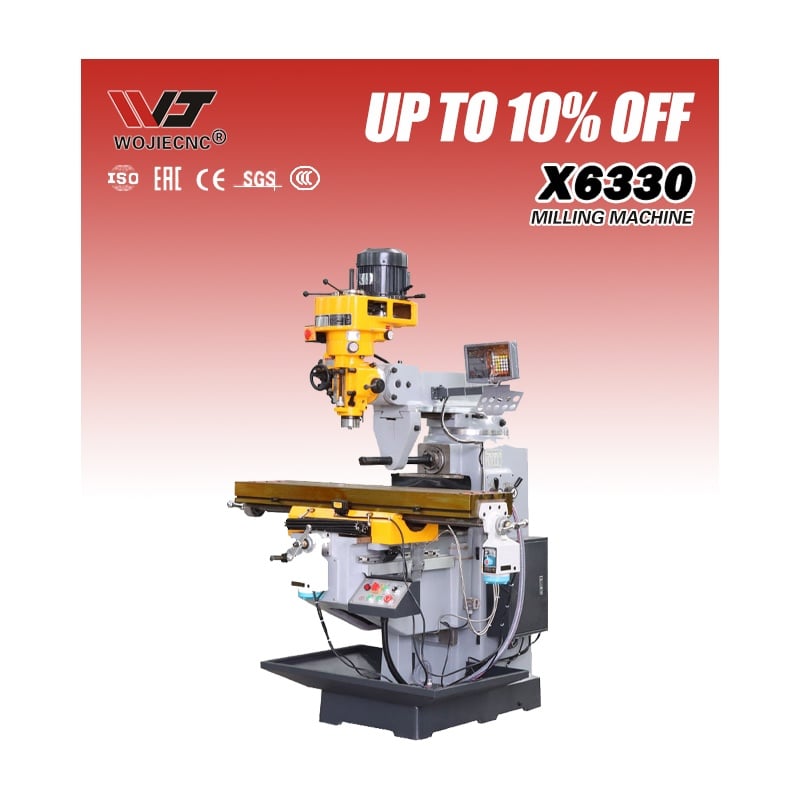
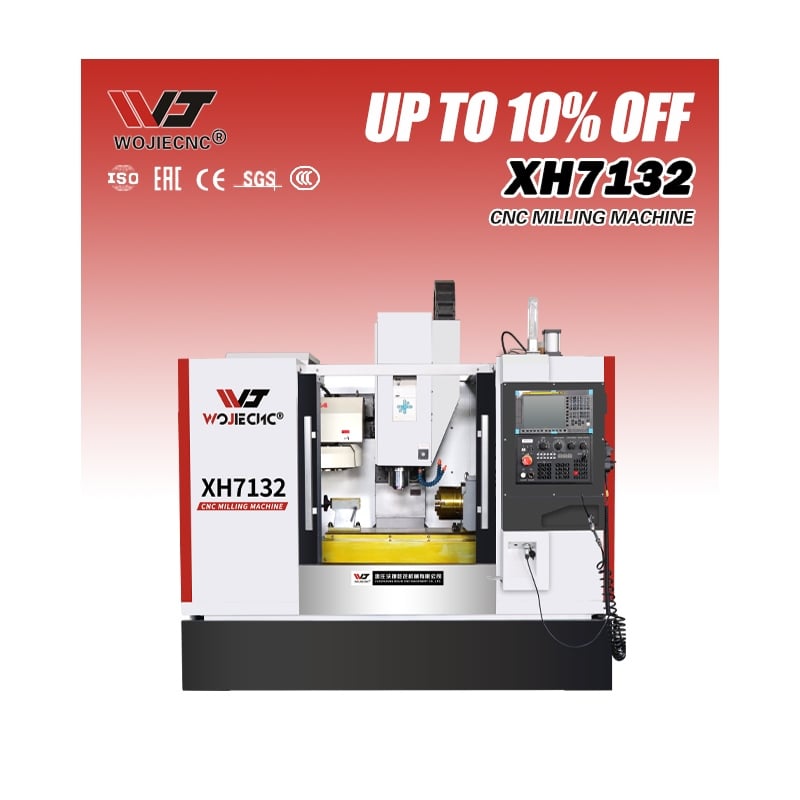
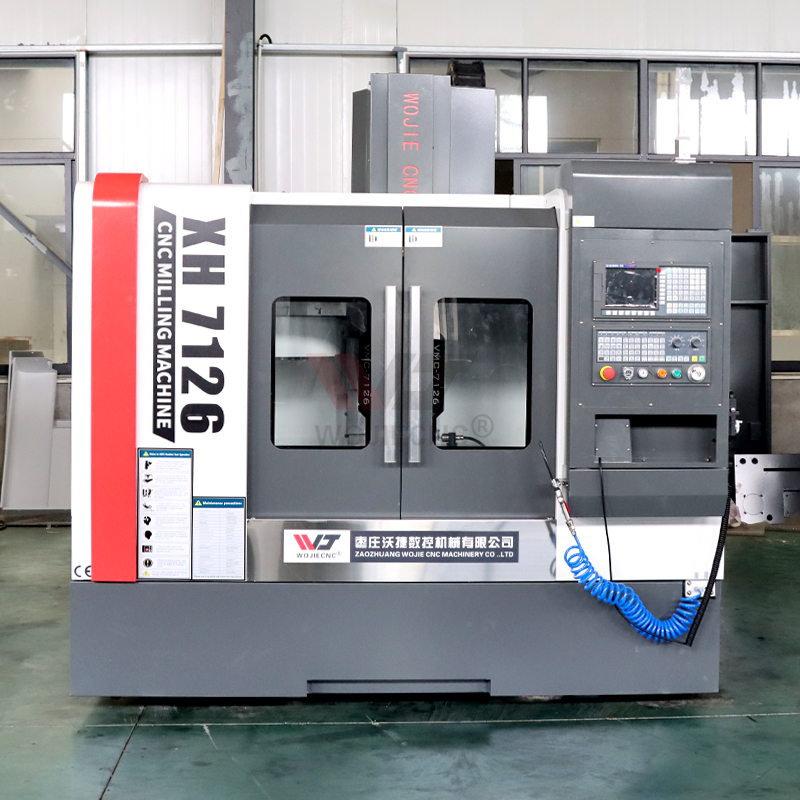
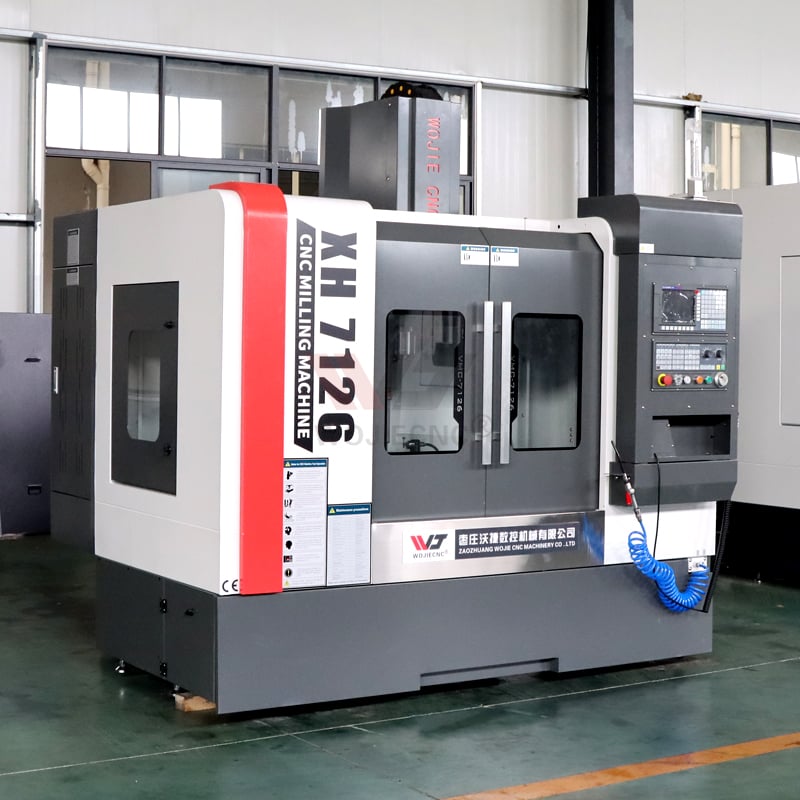
Understanding the mill vs lathe comparison is essential for anyone working in manufacturing, machining, or fabrication. Both machines are fundamental tools in modern workshops, yet they serve very different purposes and excel in distinct scenarios. A lathe rotates the workpiece against a stationary cutting tool, making it ideal for producing cylindrical shapes such as shafts, bushings, and threaded components. A milling machine, by contrast, keeps the workpiece stationary while a rotating cutter moves across it, enabling the creation of flat surfaces, slots, pockets, and complex contours. When evaluating the mill vs lathe, it is important to consider the geometry of the parts you need to produce. Lathes are purpose-built for round, symmetrical parts and deliver exceptional precision along a central axis. Mills handle asymmetrical, multi-sided, or prismatic components that require material removal from multiple directions. Technologically, modern CNC systems have advanced both machine types considerably. CNC lathes offer live tooling and sub-spindle capabilities, while CNC machining centers provide multi-axis movement and automatic tool changers. The mill vs lathe decision also involves practical factors such as floor space, tooling cost, material compatibility, and production volume. Both machines support a wide range of materials including steel, aluminum, brass, plastics, and composites. Industries spanning aerospace, automotive, medical device manufacturing, and general engineering rely on these tools daily. Choosing the right machine starts with clearly defining your part requirements, production goals, and budget constraints. A thorough understanding of the mill vs lathe distinction positions you to invest wisely and produce higher-quality results.

 EN
EN