cnc milling center
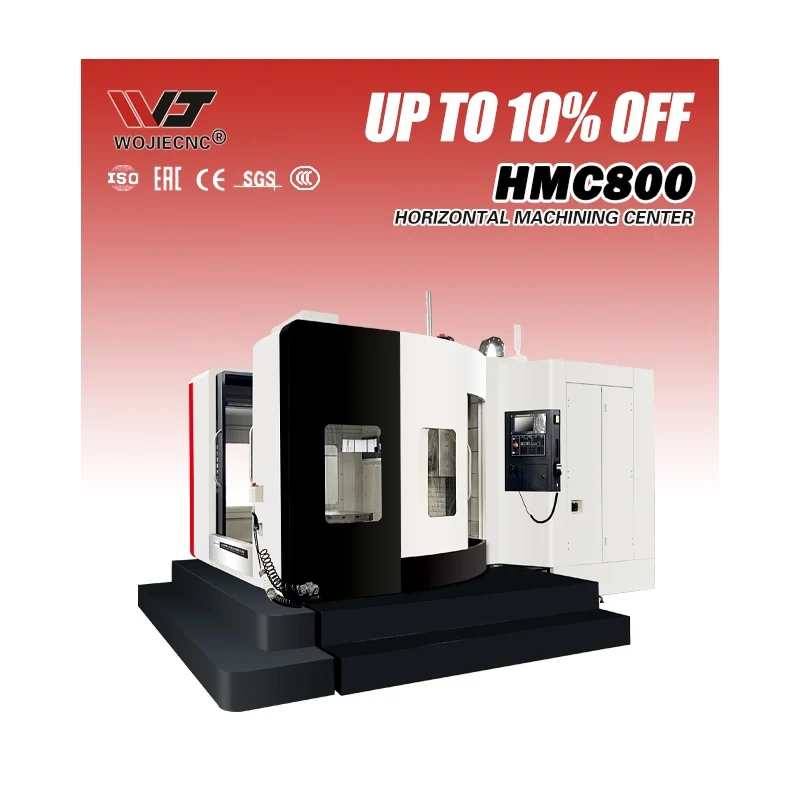
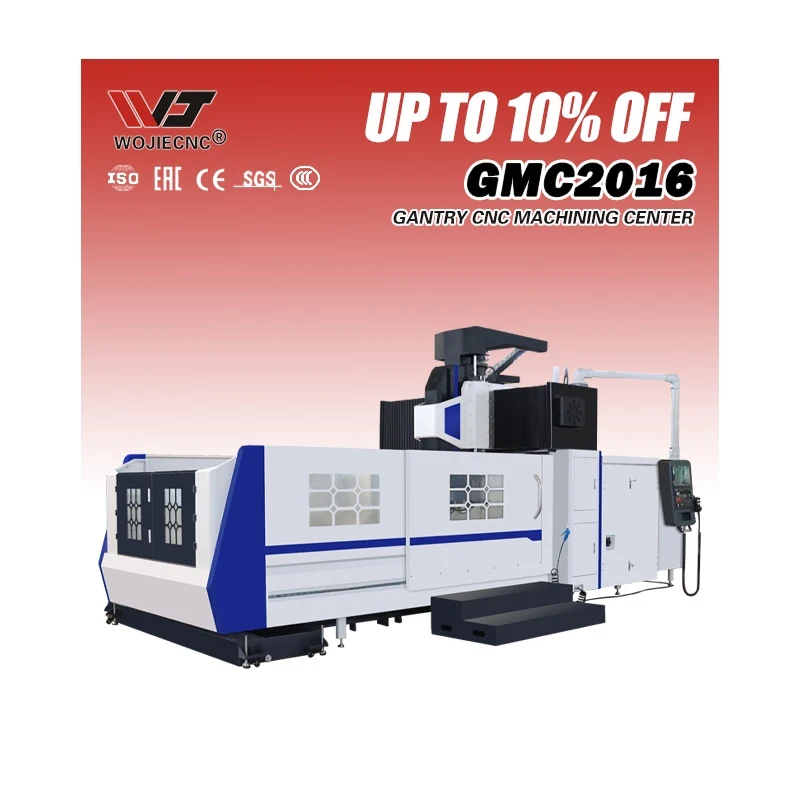
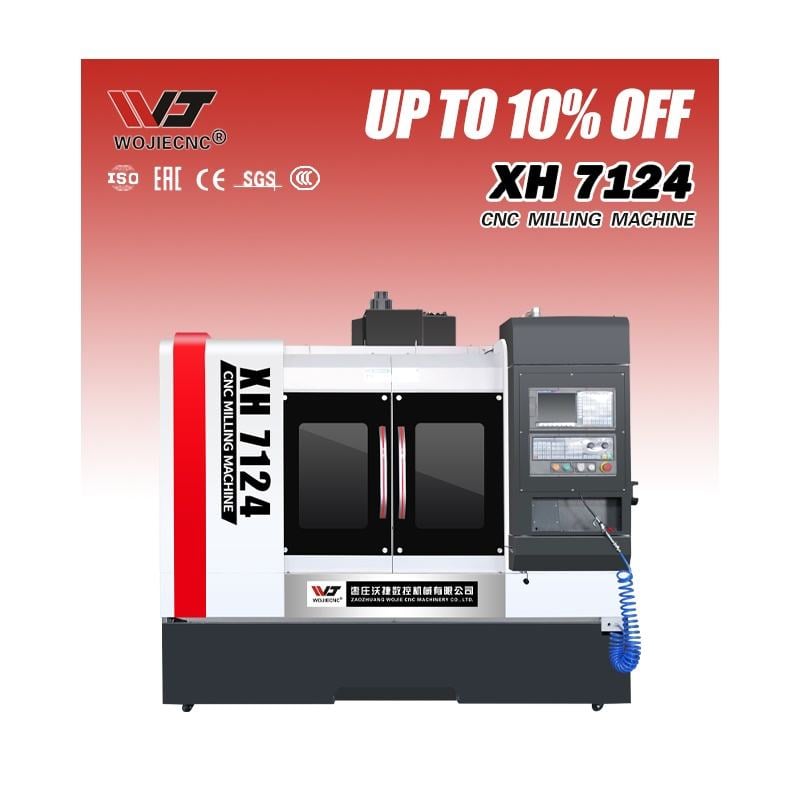
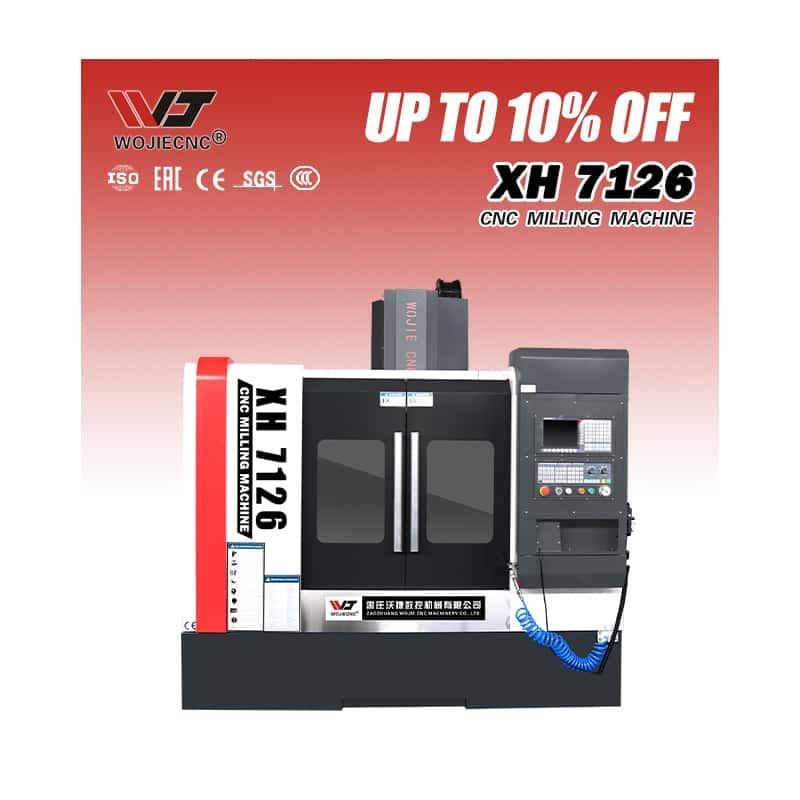
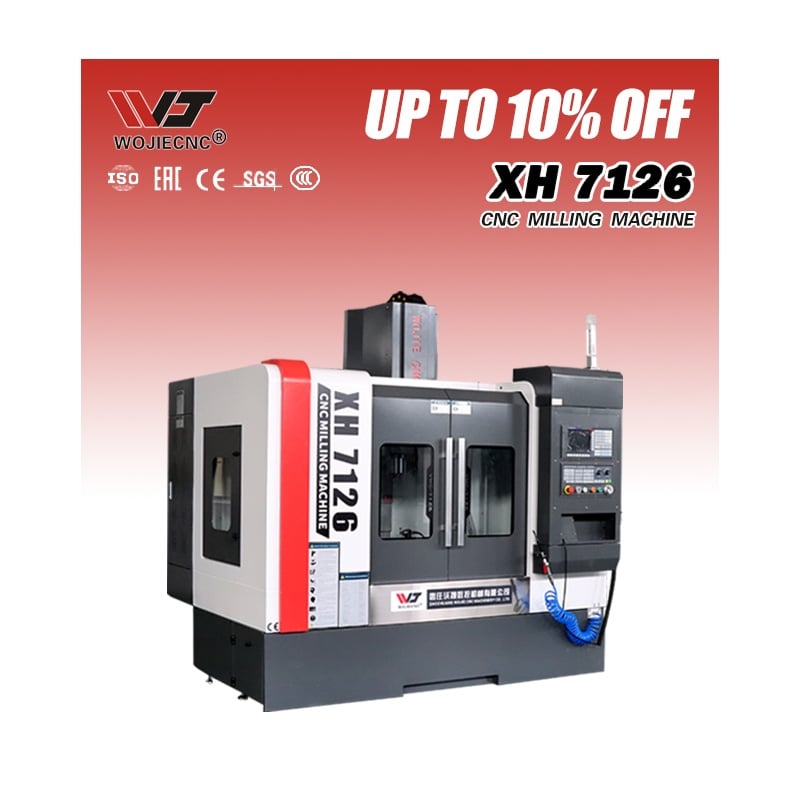
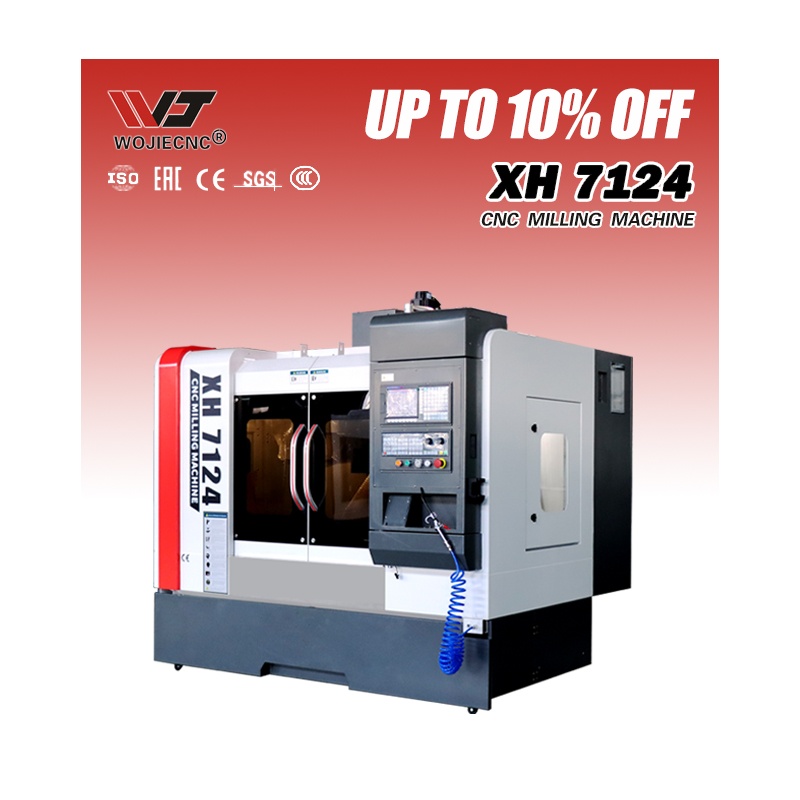
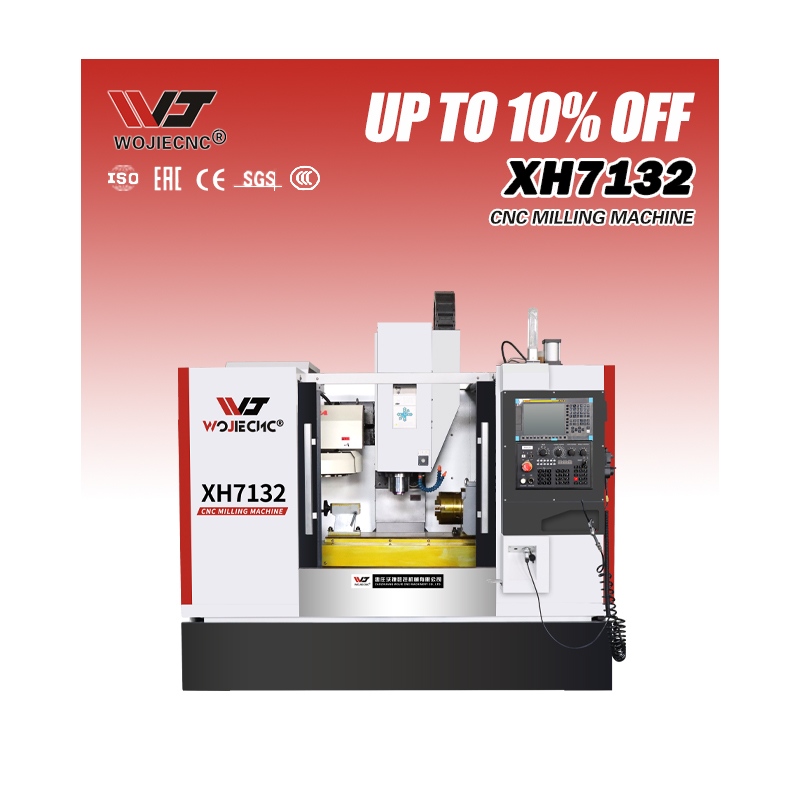
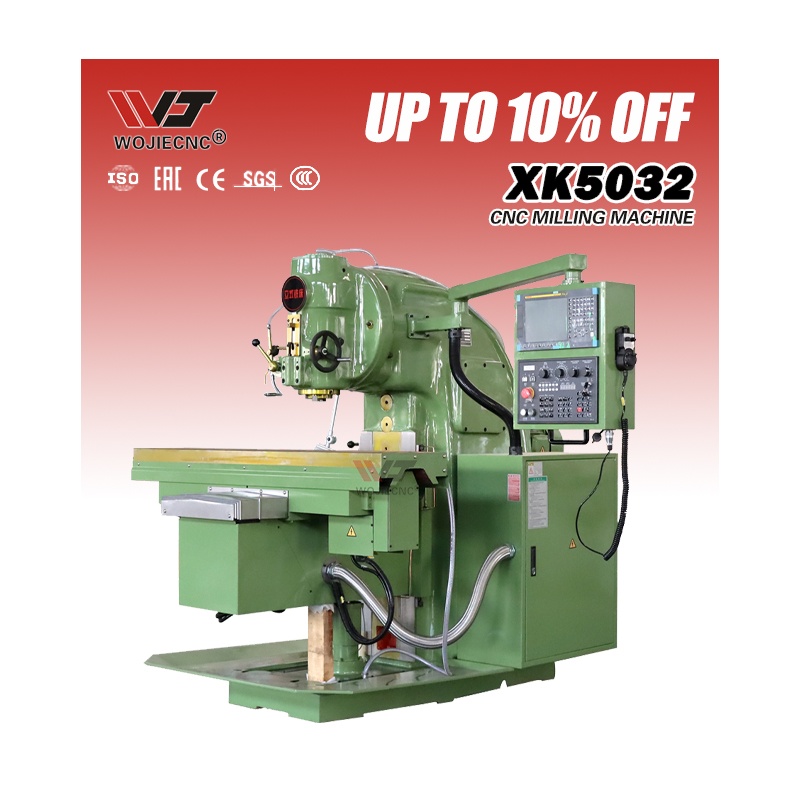
A cnc milling center is a computer-controlled machine tool designed to cut, shape, and finish solid materials with exceptional precision. Unlike conventional milling machines, a cnc milling center follows programmed instructions to execute complex multi-axis movements automatically, removing the need for constant manual intervention. This automation enables manufacturers to produce intricate parts with tight tolerances, consistent quality, and repeatable accuracy across large production runs. The machine works by rotating a cutting tool at high speed while the workpiece is secured to a table that moves along multiple axes. Most modern cnc milling center configurations operate on three to five axes, with five-axis models capable of machining highly complex geometries in a single setup. Common materials processed include aluminum, steel, titanium, plastics, and composites, making the equipment versatile across multiple industries. The control system reads G-code or CAM-generated programs and translates those instructions into precise spindle speeds, feed rates, and tool paths. Advanced models integrate automatic tool changers, probing systems, and in-process measurement capabilities to further reduce cycle times and human error. Industries that rely on a cnc milling center include aerospace, automotive, medical device manufacturing, electronics, and precision engineering. Whether producing a prototype component or a high-volume production batch, a cnc milling center delivers the speed, flexibility, and dimensional accuracy that modern manufacturing demands. Its ability to combine multiple machining operations in one platform reduces setup time and boosts overall workshop efficiency significantly.

 EN
EN