Vertical Machine Center | Precision CNC Milling

Get a Free Quote

Our representative will contact you soon.
Email
Mobile/WhatsApp
Name
Company Name
Message
0/1000

vertical machine center

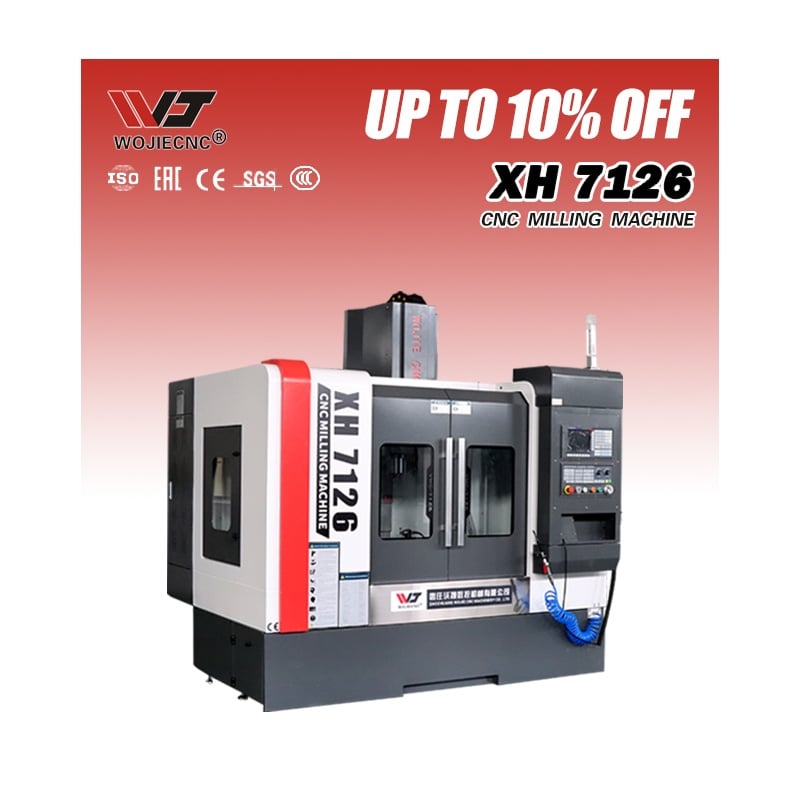
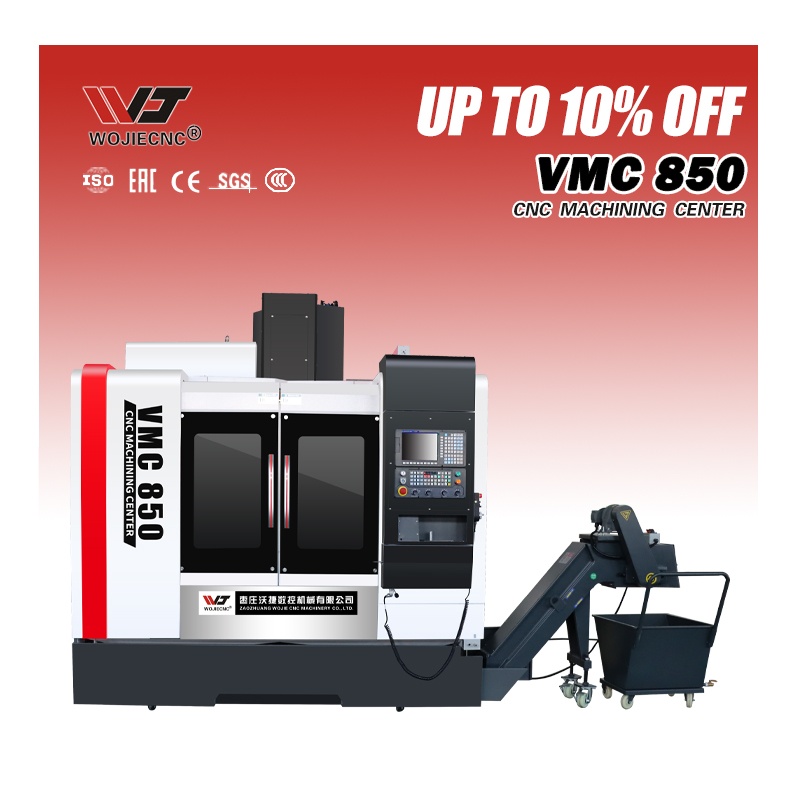
A vertical machine center is a computer-controlled machining solution where the spindle axis runs vertically, allowing cutting tools to move up and down against a workpiece secured on a horizontal table. This configuration gives operators excellent visibility of the cutting area and simplifies setup, making the vertical machine center one of the most widely adopted platforms in precision manufacturing. Modern vertical machine centers integrate multi-axis CNC control, automatic tool changers, high-speed spindles, and advanced coolant systems to deliver consistent, repeatable results across diverse production runs. The spindle typically operates at speeds ranging from 8,000 to 24,000 RPM, enabling fine finishing cuts as well as aggressive material removal on metals, composites, and plastics. Built-in probing systems and in-process measurement tools allow the vertical machine center to self-verify dimensional accuracy without removing the part from the table, dramatically reducing scrap rates. Rigid cast-iron or polymer-composite frames absorb vibration, preserving surface quality even during heavy-duty operations. Servo-driven linear guides and precision ball screws deliver rapid traverse rates while maintaining tight positional tolerances, often within plus or minus two microns. Industries ranging from aerospace and automotive to medical device manufacturing and electronics rely on the vertical machine center for producing molds, fixtures, housings, and structural components. Whether running prototype quantities or high-volume production, this platform combines flexibility with reliability, giving manufacturers the confidence to meet demanding dimensional and surface-finish requirements every time a part leaves the machine.

Popular Products

Choosing a vertical machine center delivers real, measurable value across every stage of the manufacturing process. First, the open vertical configuration makes it easy to load and unload parts, reducing non-cutting time and boosting overall throughput. Operators can see exactly what the tool is doing, which shortens the learning curve for new staff and reduces costly setup errors before production begins. Second, a vertical machine center supports a broad range of operations, including drilling, tapping, contouring, pocketing, and surface milling, all within a single clamping. Consolidating multiple steps into one setup eliminates repositioning errors and cuts total cycle time, directly improving part quality and reducing labor costs. Third, modern vertical machine centers are designed with energy efficiency in mind. Servo motors recover braking energy, LED lighting replaces older fluorescent systems, and smart coolant pumps activate only when cutting is active, lowering utility bills without sacrificing output. Fourth, the compact footprint of a vertical machine center fits comfortably into most shop floors, even in facilities with limited square footage. Unlike large horizontal platforms, vertical configurations require minimal crane access or pit installation, keeping facility modification costs low. Fifth, scalable automation options such as pallet changers, robotic loaders, and lights-out production software transform a standalone vertical machine center into a flexible manufacturing cell. This adaptability lets small shops compete with larger facilities by maximizing machine utilization around the clock. Finally, strong global support networks, readily available spare parts, and intuitive control interfaces mean that downtime stays short whenever maintenance is required. Together, these advantages make the vertical machine center the go-to choice for manufacturers who need productive, accurate, and cost-effective machining every day.

Practical Tips

Why should factories consider automation when upgrading their punching machines?

01

Apr

Why should factories consider automation when upgrading their punching machines?

Modern manufacturing environments demand higher productivity, tighter tolerances, and lower operational costs than ever before. As factories evaluate equipment upgrades, the decision to integrate automation into punching machine operations has become...
View More
How do workshops decide the right CNC milling system for diversified machining?

22

May

How do workshops decide the right CNC milling system for diversified machining?

Choosing the right cnc milling system is one of the most consequential decisions a workshop can make, especially when the production floor handles a wide variety of part geometries, materials, and batch sizes. Unlike single-purpose machining environm...
View More
How does a drilling machine support mixed-material machining requirements?

28

May

How does a drilling machine support mixed-material machining requirements?

In modern manufacturing environments, the ability to work across multiple material types within a single production cycle has become a defining requirement for competitiveness. A drilling machine that can accommodate this kind of material diversity i...
View More
Which CNC machining center specs matter most for factories upgrading equipment?

08

Jun

Which CNC machining center specs matter most for factories upgrading equipment?

Factory managers evaluating equipment upgrades face a critical decision: which cnc machining center specifications genuinely impact production capacity, and which represent marketing embellishments? Understanding the distinction determines whether yo...
View More

Get a Free Quote

Our representative will contact you soon.
Email
Mobile/WhatsApp
Name
Company Name
Message
0/1000

vertical machine center

High-Speed Spindle Performance

High-Speed Spindle Performance

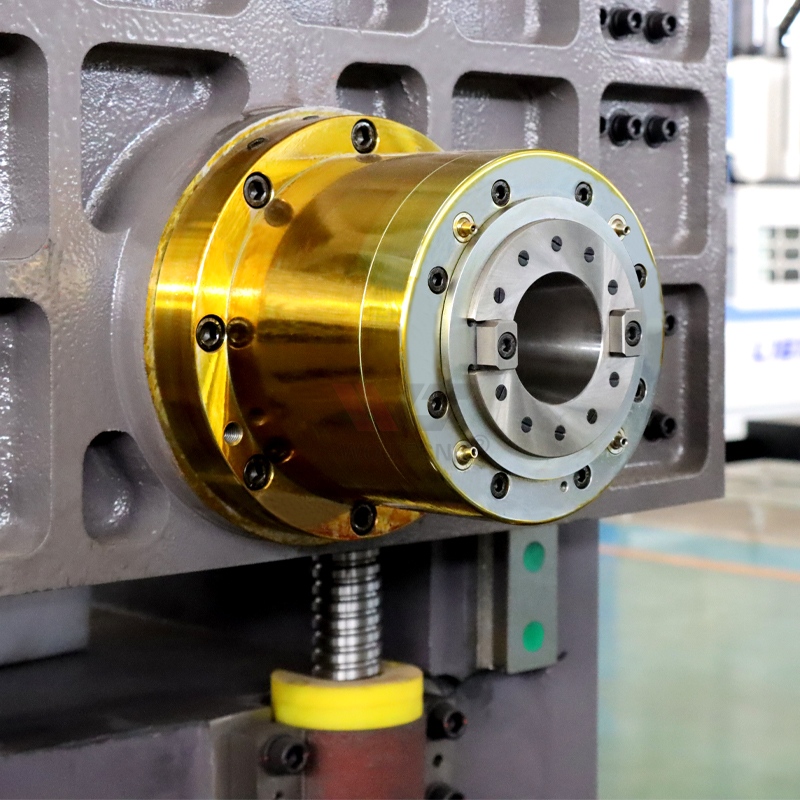
The spindle is the heart of any vertical machine center, and today's designs push performance boundaries further than ever before. Precision-balanced spindles operating between 12,000 and 24,000 RPM allow manufacturers to achieve mirror-quality surface finishes on hardened steel, aluminum alloys, and titanium components without secondary polishing operations. Direct-drive or built-in motor spindle technology eliminates gear-induced vibration, ensuring that delicate features such as thin walls and fine threads are machined with exceptional accuracy. Integrated thermal compensation software continuously monitors spindle temperature and adjusts axis offsets in real time, preventing dimensional drift during long production runs. For customers producing molds, dies, or aerospace structural parts, this level of spindle stability in a vertical machine center translates directly into fewer rejected parts, shorter inspection cycles, and faster delivery times, giving businesses a concrete competitive edge in markets where tolerance requirements are tightening every year.
Flexible Multi-Axis CNC Control

Flexible Multi-Axis CNC Control

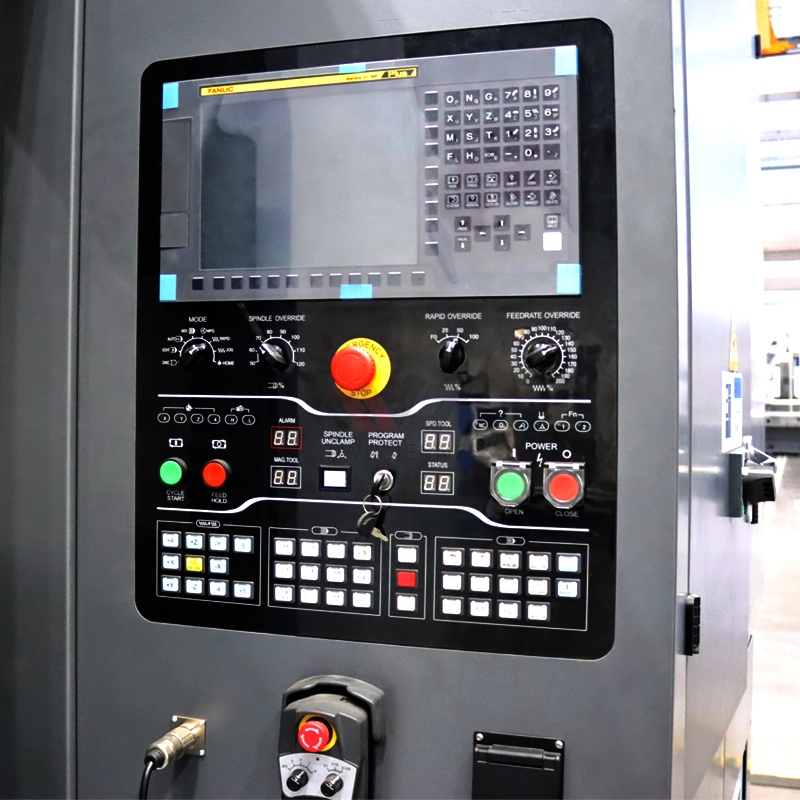
A modern vertical machine center equipped with four- or five-axis CNC control dramatically expands the range of geometries a shop can produce without investing in multiple dedicated machines. By tilting and rotating the workpiece or the spindle head, complex contoured surfaces, undercuts, and compound angles become accessible in a single setup, eliminating the fixturing complexity that traditional three-axis machining requires. Intuitive conversational programming interfaces and compatibility with industry-standard CAM software shorten programming time, allowing engineers to move quickly from digital model to finished part. Built-in collision detection algorithms simulate the entire toolpath before cutting begins, protecting both the machine and expensive workpieces. For job shops and contract manufacturers, this versatility means a single vertical machine center can serve customers across aerospace, medical, and consumer electronics industries simultaneously, maximizing asset utilization and strengthening the business case for capital investment.
Smart Automation and Connectivity

Smart Automation and Connectivity

Integrating automation into a vertical machine center unlocks productivity gains that manual operation simply cannot match. Automatic tool changers holding 24 to 120 tools allow uninterrupted multi-operation runs, while pallet changer systems enable one part to be loaded and inspected while another is actively being machined. Built-in IoT connectivity lets production managers monitor spindle load, thermal conditions, tool wear, and cycle status from a tablet or desktop dashboard in real time, enabling proactive maintenance before breakdowns occur. Open communication protocols such as MTConnect and OPC-UA ensure the vertical machine center integrates seamlessly into existing factory networks and MES platforms. Lights-out production capability means the machine continues generating revenue through overnight and weekend shifts with minimal human supervision, dramatically improving the return on investment and giving forward-thinking manufacturers the agility to respond quickly to fluctuating customer demand.
Vertical Machine Center | Precision CNC Milling

Get a Free Quote

Our representative will contact you soon.
Email
Mobile/WhatsApp
Name
Company Name
Message
0/1000
email goToTop