Advanced Horizontal Machining Centers: Precision Manufacturing Solutions for Industrial Excellence

Get a Free Quote

Our representative will contact you soon.
Email
Mobile/WhatsApp
Name
Company Name
Message
0/1000

horizontal machining centers

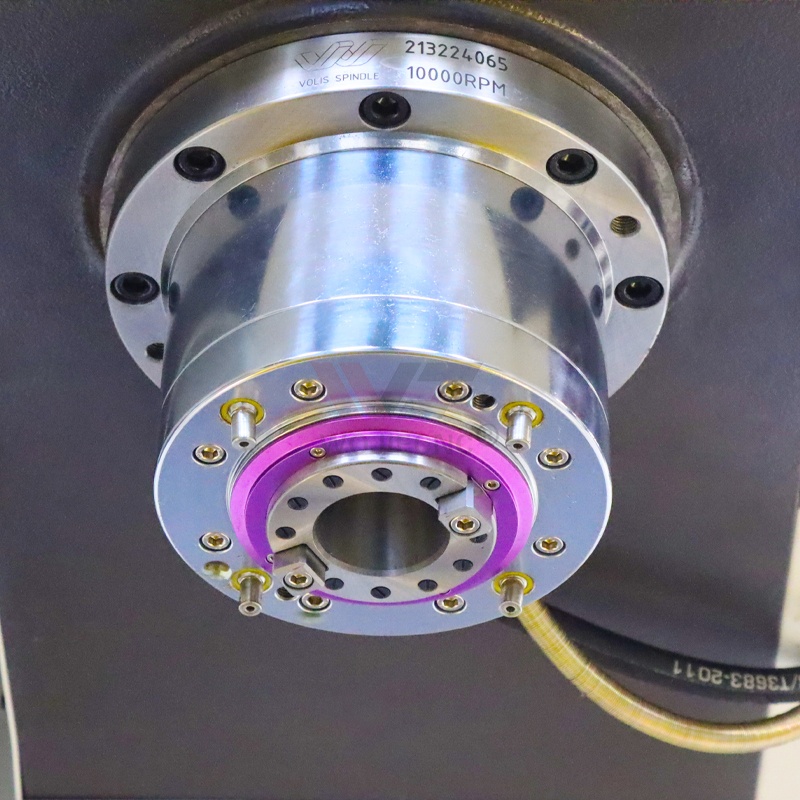
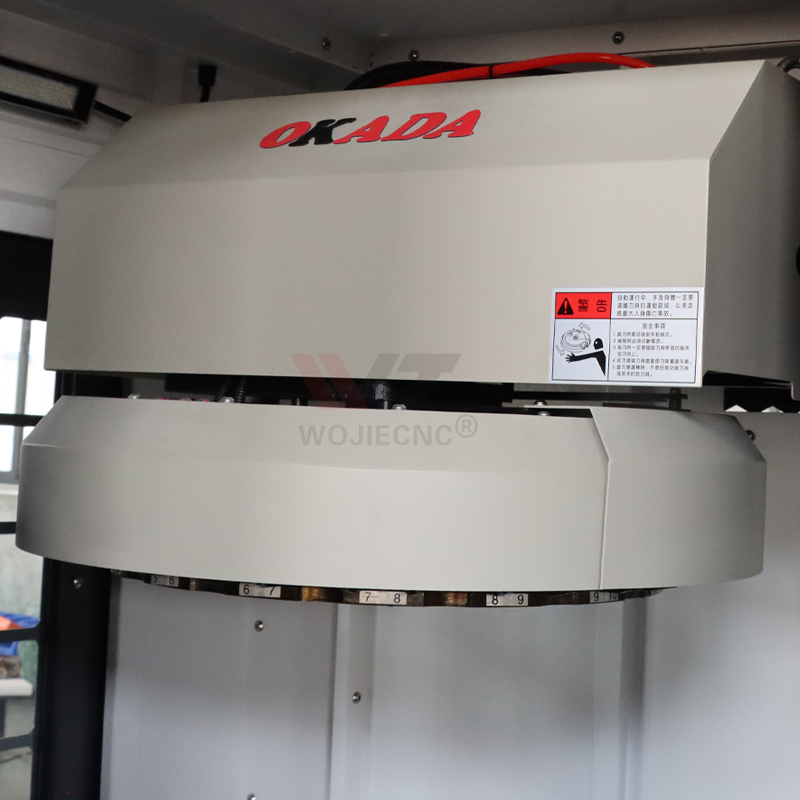
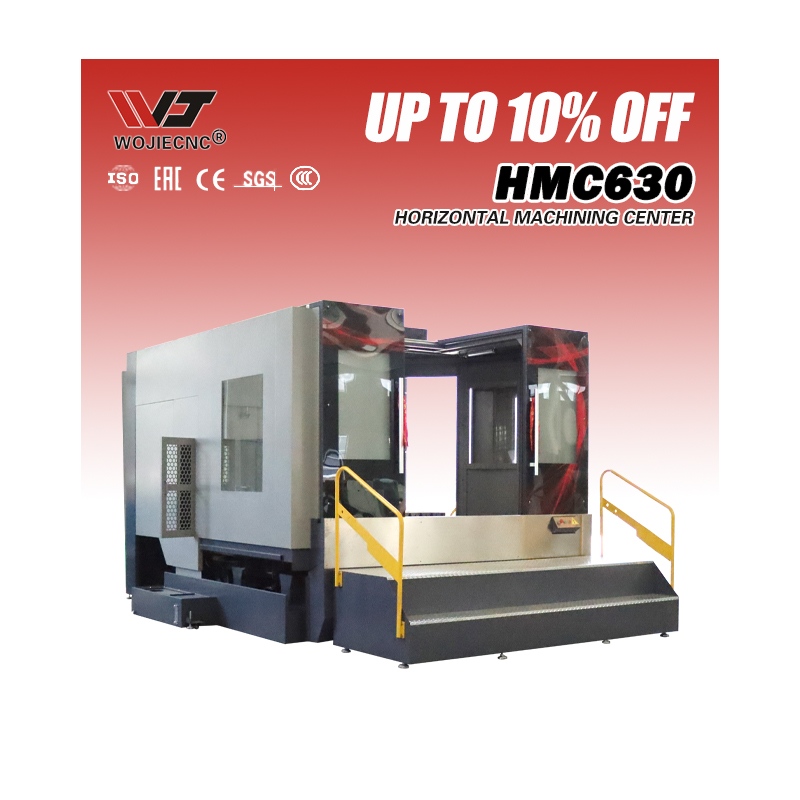
Horizontal machining centers represent a cornerstone of modern manufacturing technology, designed to deliver exceptional precision and efficiency in complex machining operations. These sophisticated machines feature a horizontally oriented spindle that rotates parallel to the floor, distinguishing them from their vertical counterparts. The fundamental design of horizontal machining centers enables manufacturers to achieve superior surface finishes and maintain tighter tolerances across diverse materials and components. These machines excel in high-volume production environments where consistency and reliability are paramount. The horizontal configuration provides optimal chip evacuation, allowing gravity to assist in removing debris from the cutting zone, which significantly reduces the risk of re-cutting chips and extends tool life. Modern horizontal machining centers incorporate advanced CNC control systems that enable operators to execute intricate programming sequences with remarkable accuracy. The robust construction of these machines ensures stability during heavy-cut operations, making them ideal for processing large workpieces and complex geometries. Multi-axis capabilities allow simultaneous machining operations, dramatically reducing cycle times and improving overall productivity. The technological features of horizontal machining centers include automatic tool changers that can accommodate extensive tool libraries, enabling continuous operation without manual intervention. Workpiece handling systems, including pallet changers and rotary tables, facilitate seamless part transitions and unmanned operation periods. Advanced coolant systems maintain optimal cutting temperatures while providing excellent chip removal capabilities. The applications of horizontal machining centers span numerous industries, including aerospace, automotive, energy, and medical device manufacturing. These machines excel in producing engine blocks, transmission cases, structural components, and precision parts requiring multiple machining operations. The versatility of horizontal machining centers makes them indispensable for manufacturers seeking to optimize their production capabilities while maintaining the highest quality standards.

Popular Products

Horizontal machining centers deliver substantial benefits that directly impact manufacturing efficiency and profitability. The most significant advantage lies in superior chip evacuation capabilities, where gravity naturally assists in removing metal chips from the cutting zone. This feature prevents chip re-cutting, which can damage both the workpiece and cutting tools, ultimately extending tool life by up to forty percent compared to vertical configurations. The horizontal spindle orientation enables manufacturers to achieve better surface finishes on vertical surfaces, eliminating the need for secondary finishing operations in many cases. This capability translates into immediate cost savings and faster delivery times for customers. The robust design of horizontal machining centers provides exceptional rigidity during heavy cutting operations, allowing manufacturers to take deeper cuts at higher feed rates without compromising accuracy. This increased metal removal rate can improve productivity by thirty to fifty percent over traditional machining methods. Multi-pallet systems available on many horizontal machining centers enable continuous operation by allowing operators to load new workpieces while the machine processes current parts. This feature maximizes spindle utilization and can increase overall equipment effectiveness significantly. The horizontal configuration also facilitates better access to multiple sides of a workpiece without repositioning, reducing setup times and improving dimensional accuracy across complex geometries. Modern horizontal machining centers incorporate advanced automation features that reduce labor requirements and minimize human error. Automatic tool changers with large capacity magazines enable lights-out operation, allowing production to continue during off-shifts and weekends. The precision and repeatability of these machines ensure consistent part quality, reducing scrap rates and inspection requirements. Energy efficiency improvements in newer horizontal machining centers help manufacturers reduce operating costs while meeting sustainability goals. The combination of faster cycle times, reduced setup requirements, and improved tool life creates a compelling return on investment that typically pays for itself within two to three years. These practical benefits make horizontal machining centers an essential investment for manufacturers seeking competitive advantages in today's demanding marketplace.

Latest News

Zaozhuang Wojie CNC Machinery Co., Ltd.: 30+ Years of CNC Mastery, Your Global Trusted Partner

03

Nov

Zaozhuang Wojie CNC Machinery Co., Ltd.: 30+ Years of CNC Mastery, Your Global Trusted Partner

View More
Wojie CNC Shines at International Machine Tool Exhibitions: Forging Global Partnerships with CNC Expertise

30

Oct

Wojie CNC Shines at International Machine Tool Exhibitions: Forging Global Partnerships with CNC Expertise

View More
Wojie CNC Hot-Selling Machines: Full-Scene Precision Machining Solutions for Global Manufacturers

30

Oct

Wojie CNC Hot-Selling Machines: Full-Scene Precision Machining Solutions for Global Manufacturers

View More

Get a Free Quote

Our representative will contact you soon.
Email
Mobile/WhatsApp
Name
Company Name
Message
0/1000

horizontal machining centers

Advanced Multi-Axis Machining Capabilities

Advanced Multi-Axis Machining Capabilities

The multi-axis machining capabilities of horizontal machining centers represent a revolutionary approach to complex part manufacturing that transforms how manufacturers approach intricate geometries and tight tolerances. These sophisticated machines typically offer four or five-axis simultaneous machining, enabling manufacturers to complete complex parts in a single setup that would traditionally require multiple operations across different machines. This capability eliminates the accumulation of setup errors and positioning tolerances that occur when transferring parts between machines, resulting in superior accuracy and consistency. The simultaneous multi-axis movement allows cutting tools to maintain optimal angles relative to the workpiece surface throughout the entire machining process, ensuring superior surface finishes and extended tool life. Advanced interpolation algorithms coordinate the movement of multiple axes with incredible precision, enabling the creation of complex curved surfaces and intricate features that would be impossible or extremely difficult to achieve with conventional three-axis machining. The horizontal configuration particularly excels when machining parts with deep cavities or complex internal features, as the spindle can access multiple surfaces without requiring workpiece repositioning. This capability is especially valuable in aerospace and medical device manufacturing, where complex titanium and stainless steel components demand exceptional precision and surface quality. The multi-axis functionality also enables manufacturers to machine complete parts in single operations, dramatically reducing lead times and work-in-process inventory. Programming sophistication has evolved to match machine capabilities, with advanced CAM software automatically generating optimized tool paths that take full advantage of multi-axis capabilities while avoiding collisions and maintaining optimal cutting conditions. The time savings achieved through multi-axis machining often exceed fifty percent compared to traditional sequential machining approaches, while simultaneously improving part quality and reducing handling damage risks. These capabilities position horizontal machining centers as essential equipment for manufacturers producing high-value, complex components where precision and efficiency are critical success factors.
Superior Workpiece Handling and Automation Systems

Superior Workpiece Handling and Automation Systems

The workpiece handling and automation systems integrated into modern horizontal machining centers deliver unprecedented levels of productivity and operational efficiency that transform manufacturing operations from labor-intensive processes into highly automated production systems. These sophisticated systems typically feature dual or multiple pallet configurations that enable continuous machining operations while operators load and unload parts on secondary pallets away from the active cutting zone. This design philosophy eliminates the traditional bottleneck of machine downtime during part changes, potentially doubling or tripling overall productivity depending on part complexity and cycle times. Advanced pallet systems incorporate precision locating mechanisms and automated clamping systems that ensure repeatable part positioning with micron-level accuracy, maintaining consistent quality across production runs. The horizontal orientation facilitates the integration of robotic loading systems and conveyor-based material handling equipment that can operate continuously without human intervention for extended periods. These automation capabilities enable manufacturers to achieve lights-out production, where machines operate unattended during nights, weekends, and holidays, maximizing return on equipment investment. The workpiece handling systems also incorporate sophisticated monitoring and quality control features, including in-process measurement systems that can verify dimensional accuracy without removing parts from the machine. This capability enables real-time process adjustments and prevents the production of non-conforming parts, reducing scrap rates and inspection costs. Modern horizontal machining centers often integrate with factory automation systems and enterprise resource planning software, providing real-time production data and enabling predictive maintenance scheduling. The automation systems are designed with flexibility in mind, accommodating various part sizes and configurations without extensive changeover procedures. Safety systems ensure operator protection while maintaining high productivity levels, with light curtains, presence sensors, and automated door systems preventing accidents while minimizing cycle time interruptions. These comprehensive automation capabilities enable manufacturers to achieve consistent quality, reduce labor costs, improve delivery performance, and respond quickly to changing production demands, making horizontal machining centers indispensable for competitive manufacturing operations.
Enhanced Precision and Surface Quality Performance

Enhanced Precision and Surface Quality Performance

The precision and surface quality performance delivered by horizontal machining centers establishes new benchmarks for manufacturing excellence that directly translate into superior product performance and customer satisfaction. The horizontal spindle configuration provides inherent advantages in achieving exceptional surface finishes, particularly on vertical workpiece surfaces where gravity assists in chip removal and prevents built-up edge formation on cutting tools. This natural chip evacuation capability enables manufacturers to achieve surface finishes that often eliminate secondary polishing or grinding operations, reducing production costs and cycle times significantly. The structural rigidity of horizontal machining centers, achieved through robust casting designs and strategic ribbing patterns, minimizes vibration and deflection during cutting operations, ensuring consistent dimensional accuracy across extended production runs. Advanced spindle systems incorporate high-precision bearings and sophisticated balancing techniques that maintain concentricity within tenths of microns, enabling the production of precision holes, bores, and cylindrical features with exceptional accuracy. Temperature compensation systems actively monitor and adjust for thermal growth in machine structures, maintaining accuracy even during extended production cycles when machines reach thermal equilibrium. The horizontal configuration also facilitates better coolant application and heat dissipation, maintaining optimal cutting temperatures that preserve tool life and surface integrity. Modern horizontal machining centers employ advanced feedback systems that continuously monitor spindle performance, axis positioning, and cutting forces, making real-time adjustments to maintain optimal cutting conditions. These systems can detect tool wear progression and automatically adjust cutting parameters or trigger tool changes before quality degradation occurs. The precision capabilities extend to complex geometric features, with advanced interpolation algorithms ensuring smooth surface transitions and accurate radii even at high machining speeds. Quality assurance features include in-process measurement capabilities using touch probes and laser scanning systems that verify dimensions without removing parts from the machine setup. This integration of measurement and machining eliminates setup variations and enables immediate corrections when dimensions drift from specifications. The combination of structural rigidity, advanced control systems, and optimal chip management creates manufacturing capabilities that consistently achieve tolerances within plus or minus two microns while maintaining surface finishes of eight micro-inches or better, establishing horizontal machining centers as the preferred choice for precision manufacturing applications.
Advanced Horizontal Machining Centers: Precision Manufacturing Solutions for Industrial Excellence

Get a Free Quote

Our representative will contact you soon.
Email
Mobile/WhatsApp
Name
Company Name
Message
0/1000
email goToTop