Precision Machining Centre Solutions

Get a Free Quote

Our representative will contact you soon.
Email
Mobile/WhatsApp
Name
Company Name
Message
0/1000

machining centre

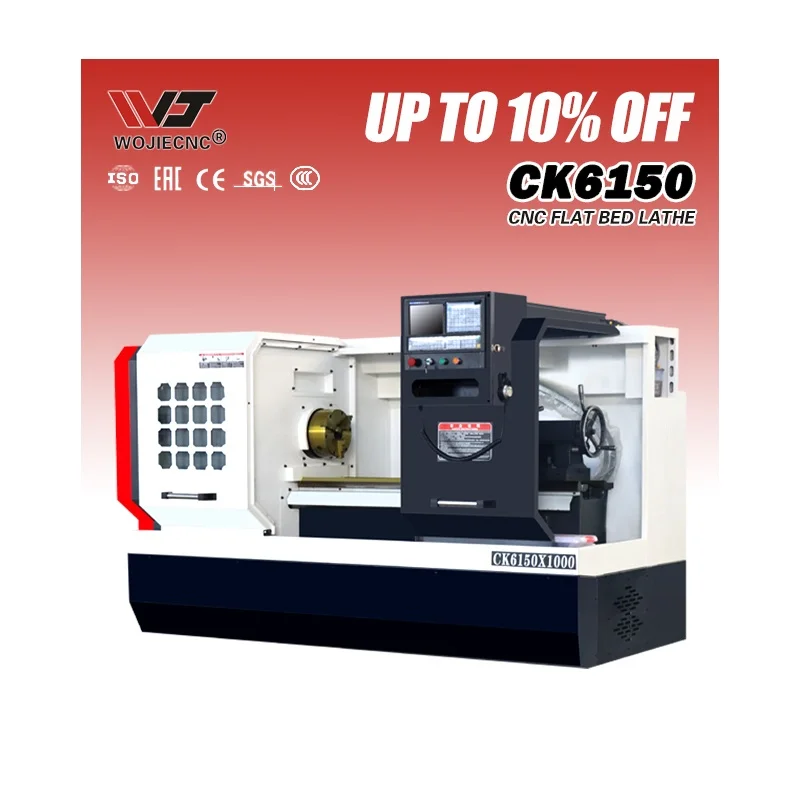
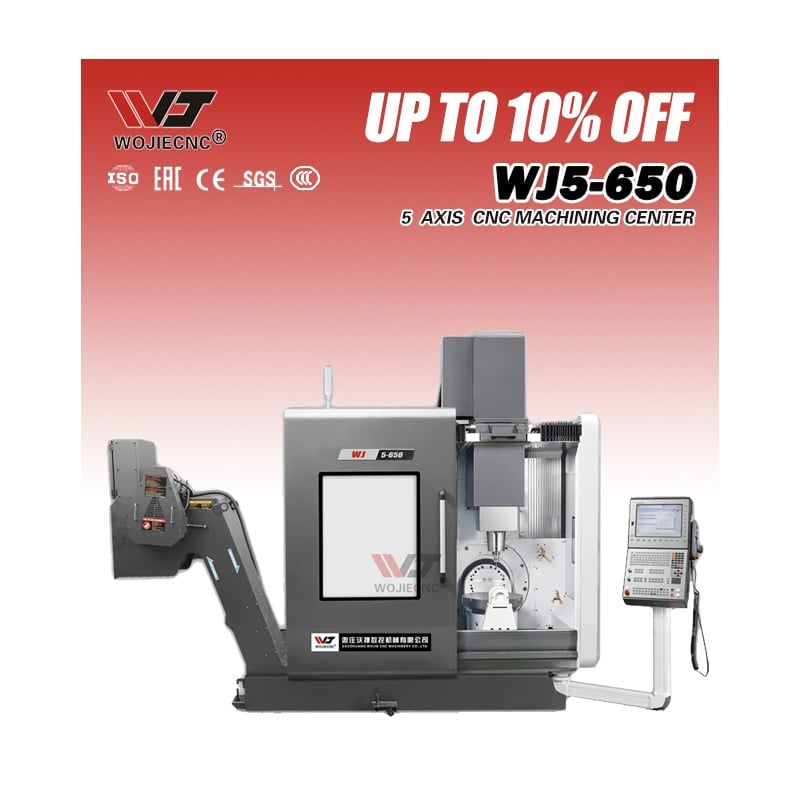
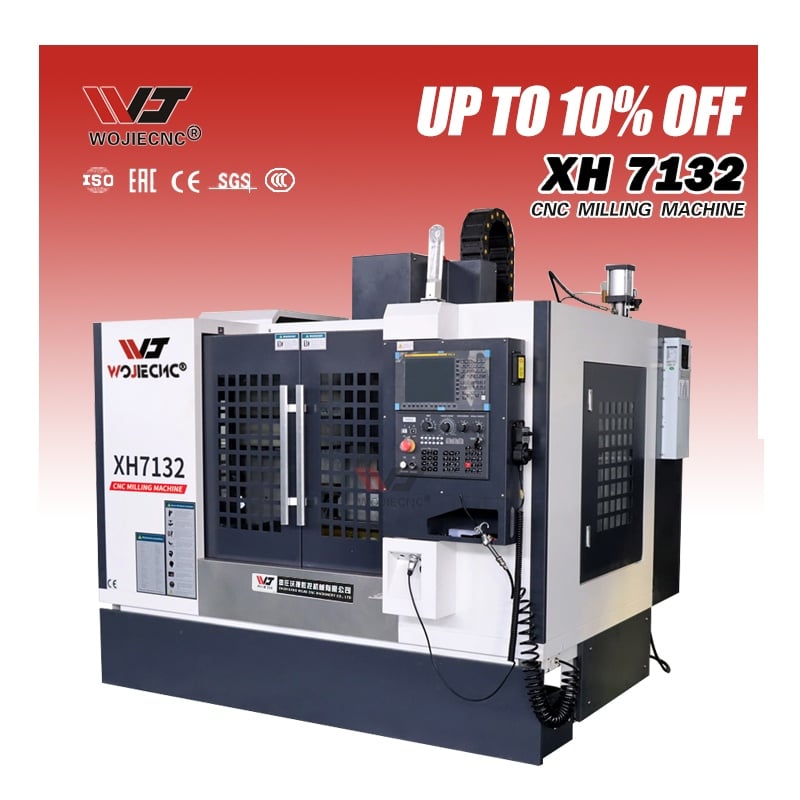
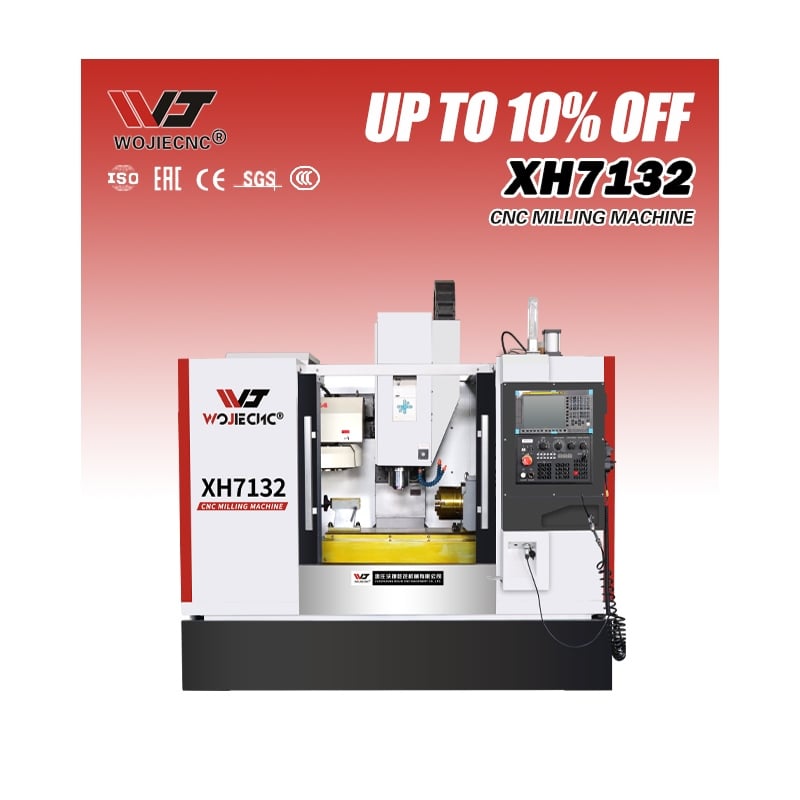
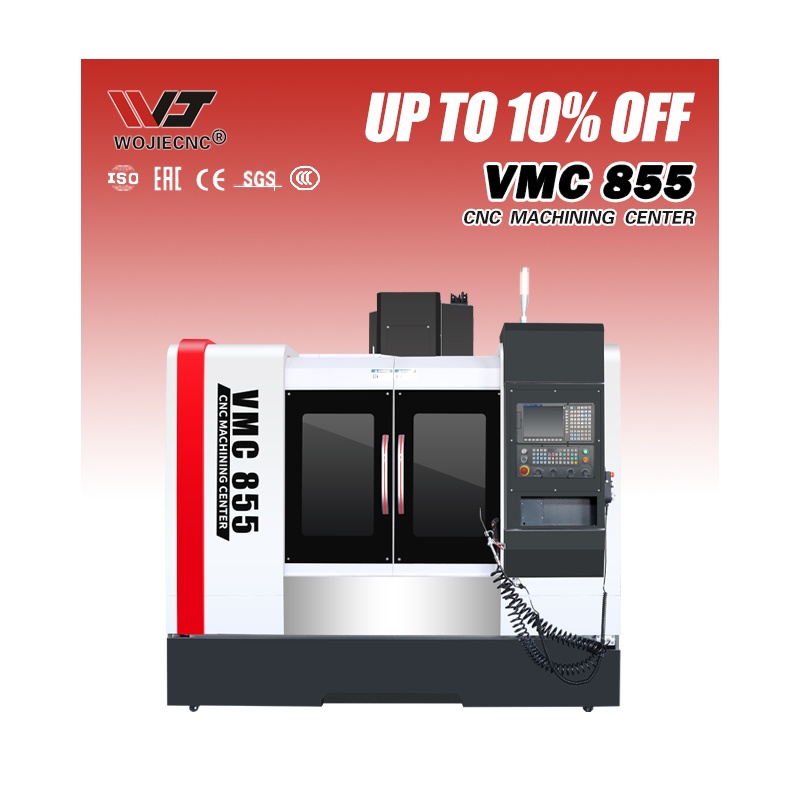
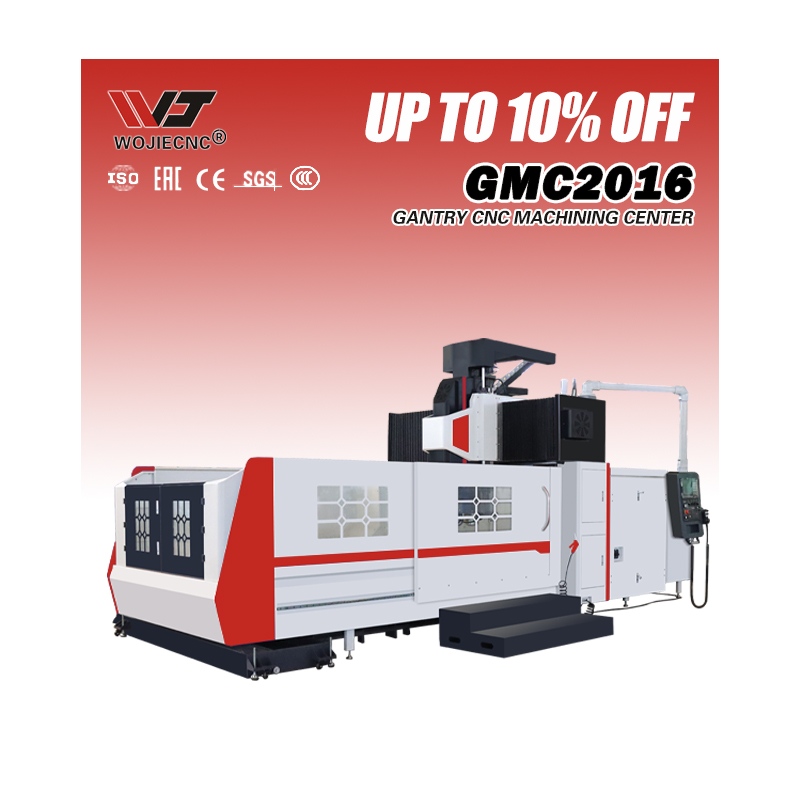
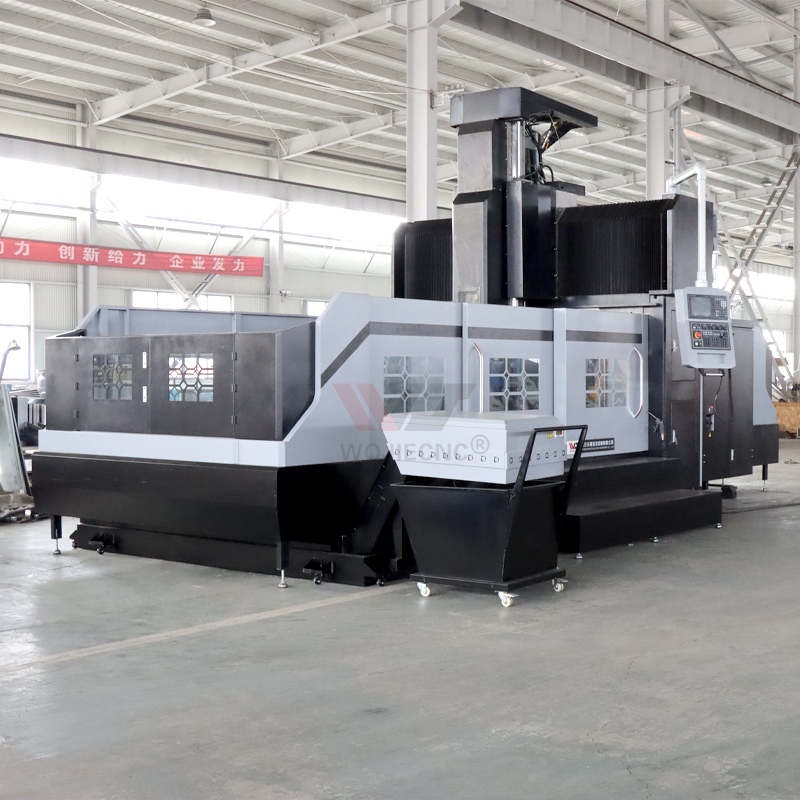
A machining centre is a highly versatile, computer-controlled machine tool designed to perform multiple cutting operations in a single setup. By combining milling, drilling, boring, tapping, and contouring into one automated platform, a machining centre eliminates the need to transfer workpieces between separate machines, significantly reducing production time and handling errors. At its core, a machining centre relies on CNC technology to execute precise tool movements along multiple axes, typically three to five, enabling the creation of complex geometries with tight tolerances. Automatic tool changers allow the machine to switch between dozens of cutting tools within seconds, maintaining workflow continuity and boosting throughput. Modern machining centre models feature high-speed spindles, rigid cast-iron frames, and advanced cooling systems that manage heat during intensive cutting cycles. Integrated probing systems and real-time monitoring further enhance dimensional accuracy. The machining centre serves a broad spectrum of industries, including aerospace, automotive, medical device manufacturing, mold making, and general engineering. Vertical and horizontal configurations address different workpiece sizes and production volumes, giving manufacturers flexibility in floor space usage and fixturing strategies. Whether producing prototype components or high-volume production runs, the machining centre delivers repeatable quality, reduced scrap rates, and lower per-part costs. Its ability to consolidate operations, respond to CAD/CAM programming, and integrate with automated loading systems makes it a cornerstone of modern manufacturing environments seeking efficiency, precision, and competitive output.

New Product Recommendations

Choosing a machining centre delivers clear, measurable benefits that directly impact your production quality and bottom line. First, a machining centre dramatically cuts cycle time by performing milling, drilling, and tapping in one uninterrupted sequence. Operators no longer move parts between stations, which removes alignment errors and slashes labor hours. This single-setup approach means each component is finished faster, giving your team more capacity to handle growing order volumes without adding floor space or headcount. Second, accuracy improves noticeably. Because a machining centre holds the workpiece in one position throughout all operations, cumulative positioning errors are eliminated. Consistent spindle speeds, rigid tool holding, and closed-loop feedback keep dimensions within micron-level tolerances across an entire batch. Customers in aerospace and medical sectors particularly value this reliability, since rejected parts cost far more than the machining time saved by cutting corners. Third, a machining centre supports a wide range of materials. Aluminum alloys, steel, titanium, cast iron, and engineering plastics all respond well to the controlled cutting parameters available on a CNC machining centre. This flexibility means one investment covers diverse product families rather than requiring dedicated equipment for each material type. Fourth, operating costs fall over time. Automatic tool changers reduce manual intervention, while modern spindle designs and energy-efficient servo drives lower electricity consumption. Preventive maintenance alerts built into the control system protect uptime and avoid costly unplanned downtime. Fifth, the machining centre integrates smoothly with your existing digital workflow. CAD/CAM files translate directly into machine programs, shortening programming time and enabling rapid design changes. For any manufacturer aiming to raise output quality, meet tighter delivery windows, and stay competitive, the machining centre is a smart, future-ready investment.

Tips And Tricks

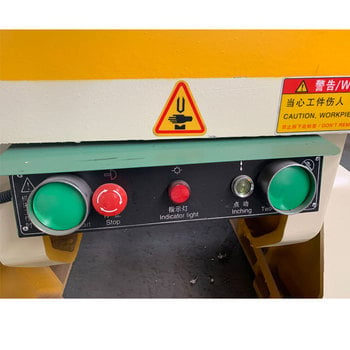
Why should factories consider automation when upgrading their punching machines?

01

Apr

Why should factories consider automation when upgrading their punching machines?

Modern manufacturing environments demand higher productivity, tighter tolerances, and lower operational costs than ever before. As factories evaluate equipment upgrades, the decision to integrate automation into punching machine operations has become...
View More
Which CNC milling features matter most for buyers seeking long-term stability?

22

Apr

Which CNC milling features matter most for buyers seeking long-term stability?

When industrial buyers evaluate machine tool investments, the decision extends far beyond initial purchase price or catalog specifications. The features that define a cnc milling system's ability to deliver consistent value over years of production u...
View More
Does CNC milling deliver better repeatability compared with conventional cutting?

15

May

Does CNC milling deliver better repeatability compared with conventional cutting?

When manufacturers evaluate machining processes for high-volume or precision-critical production, repeatability becomes one of the most decisive factors. The question of whether cnc milling delivers better repeatability compared with conventional cut...
View More
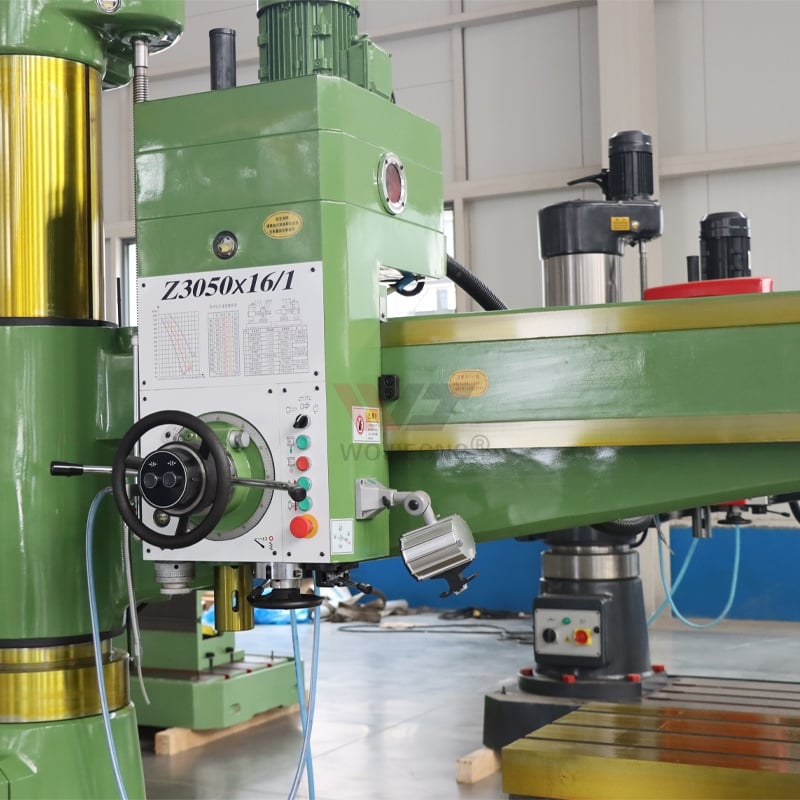
What safety elements must operators check before using a drilling machine?

22

May

What safety elements must operators check before using a drilling machine?

Before any operator powers up a drilling machine, a structured pre-operation safety check is not optional — it is a professional obligation. Industrial environments demand that every person working with a drilling machine understands the mechanical, ...
View More

Get a Free Quote

Our representative will contact you soon.
Email
Mobile/WhatsApp
Name
Company Name
Message
0/1000

machining centre

Multi-Axis Precision for Complex Components

Multi-Axis Precision for Complex Components

A machining centre equipped with four or five-axis simultaneous motion gives manufacturers the ability to cut complex contoured surfaces, undercuts, and compound angles in a single clamping. Traditional setups require multiple fixtures and manual repositioning, each step introducing potential misalignment. With multi-axis capability, the machining centre traces intricate tool paths guided by high-resolution encoders and real-time servo feedback, holding tolerances as tight as a few microns across the full part surface. This precision is critical for turbine blades, orthopedic implants, and precision mold cavities where surface quality and dimensional accuracy are non-negotiable. Manufacturers gain shorter lead times, reduced fixture inventory, and fewer quality escapes, all of which translate into lower per-part costs and stronger customer confidence. Investing in multi-axis machining centre technology positions a shop to take on higher-value work that competitors with simpler equipment simply cannot quote.
High-Speed Spindle Technology for Superior Output

High-Speed Spindle Technology for Superior Output

The spindle is the heart of any machining centre, and modern high-speed spindle designs fundamentally change what is achievable in daily production. Spindle speeds reaching 15,000 RPM or higher allow very light, fast cuts in aluminum and non-ferrous alloys, producing mirror-like finishes without secondary polishing operations. For steel and hardened materials, robust spindle bearings and active cooling maintain rigidity and thermal stability throughout long cutting cycles. The machining centre uses this combination of speed and stiffness to reduce vibration, which directly improves surface finish and extends tool life. Longer tool life lowers consumable costs and reduces machine stoppages for tool changes. High-speed spindle capability also enables hard milling of hardened tool steels, allowing the machining centre to replace EDM in many mold-making applications and cutting weeks from typical mold delivery schedules.
Seamless Automation and Smart Production Integration

Seamless Automation and Smart Production Integration

Today's machining centre is designed to work as part of a connected manufacturing cell rather than as a standalone unit. Built-in automation interfaces allow integration with robotic part loaders, pallet changers, and conveyor systems, enabling lights-out machining overnight or across weekends. A pallet changer allows one pallet to be loaded and fixtured while the machining centre continues cutting on a second pallet, virtually eliminating idle spindle time between jobs. Smart control platforms collect real-time data on spindle load, temperature, and vibration, feeding dashboards that help production managers spot wear trends and schedule maintenance before breakdowns occur. Remote monitoring apps give engineers visibility from anywhere, enabling faster decisions. This level of integration transforms the machining centre from a single productive asset into a data-driven manufacturing hub that scales output, lowers labor dependency, and supports continuous improvement across the entire production workflow.
Precision Machining Centre Solutions

Get a Free Quote

Our representative will contact you soon.
Email
Mobile/WhatsApp
Name
Company Name
Message
0/1000
email goToTop