vertical machining centers
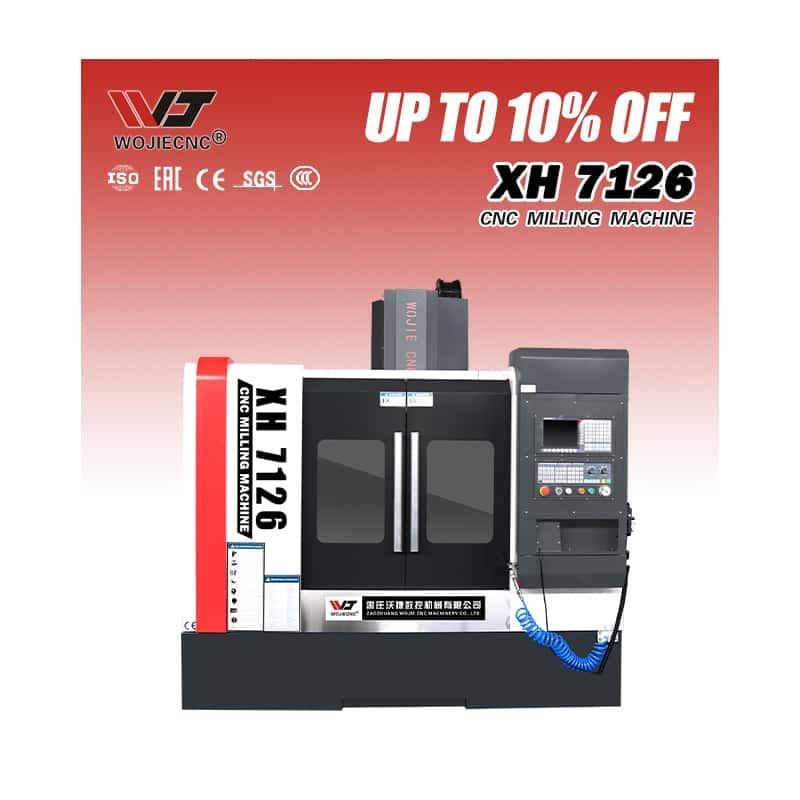
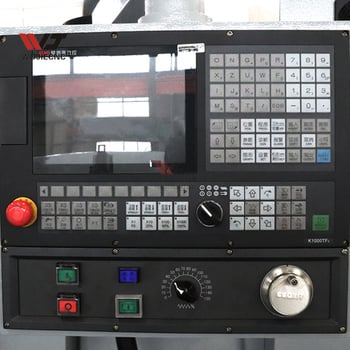
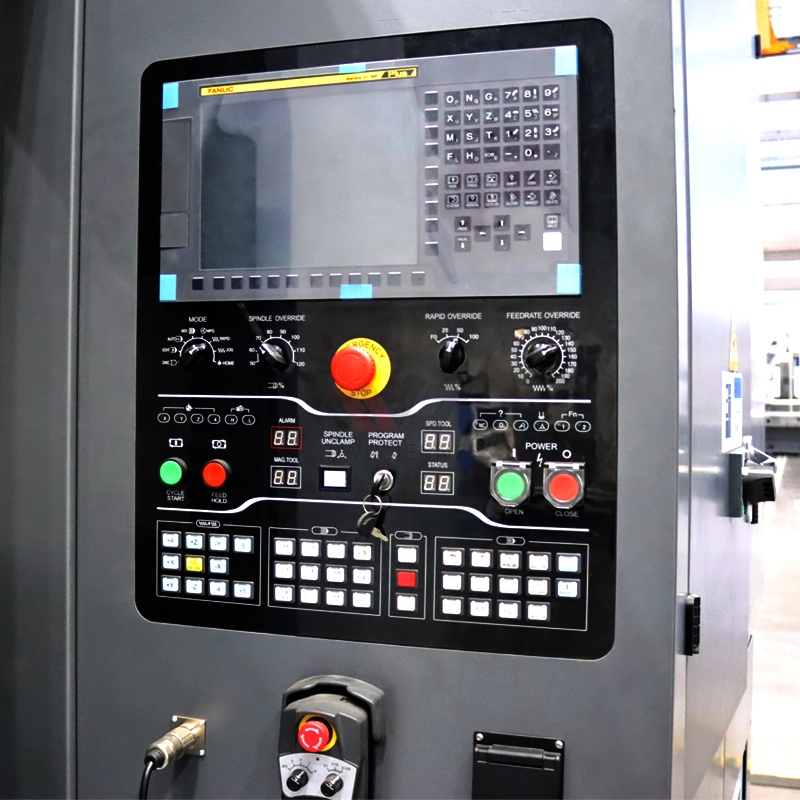
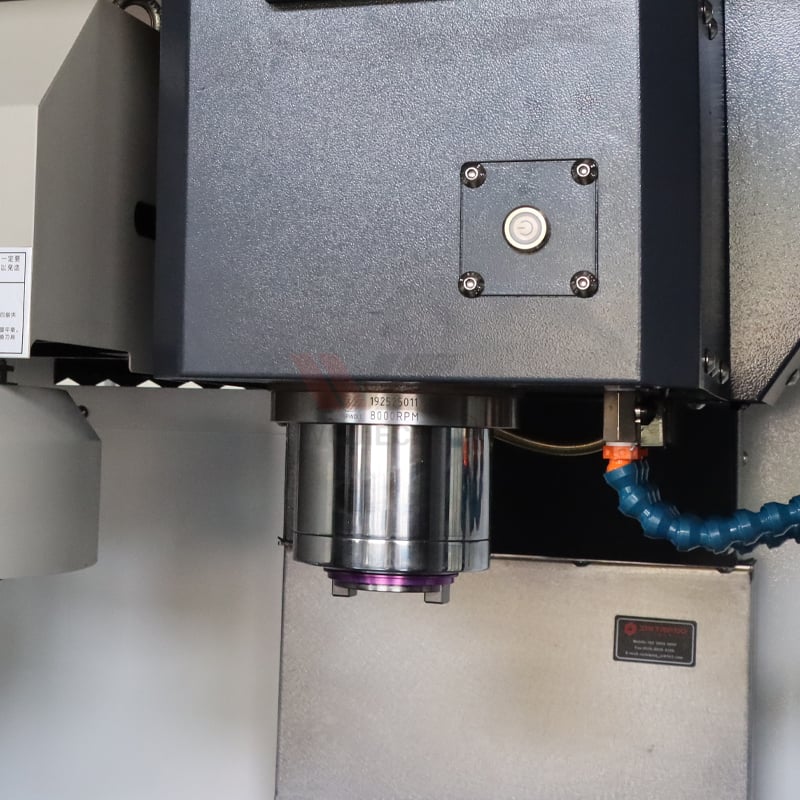
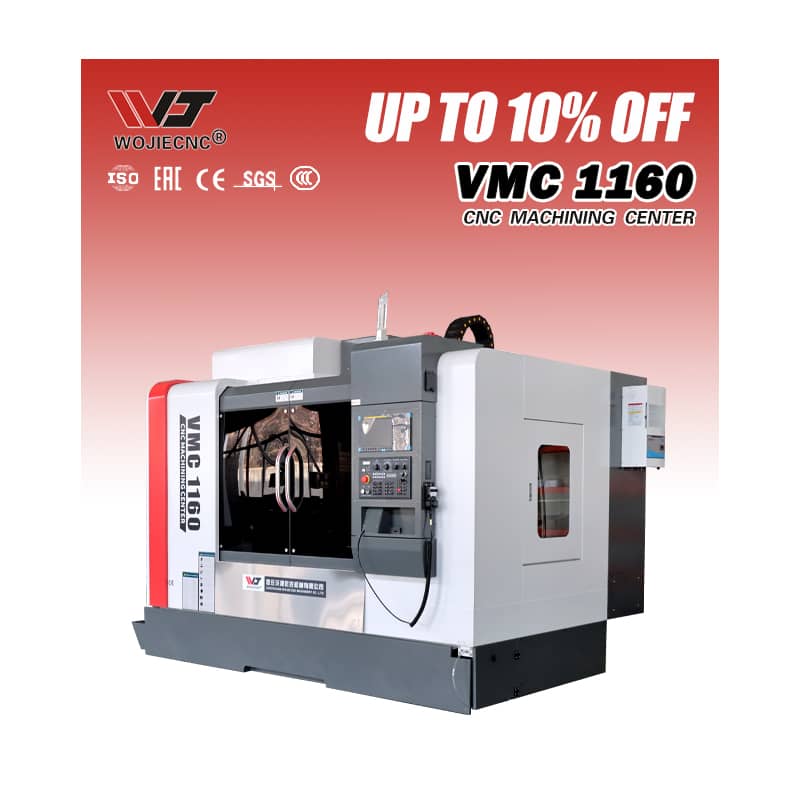
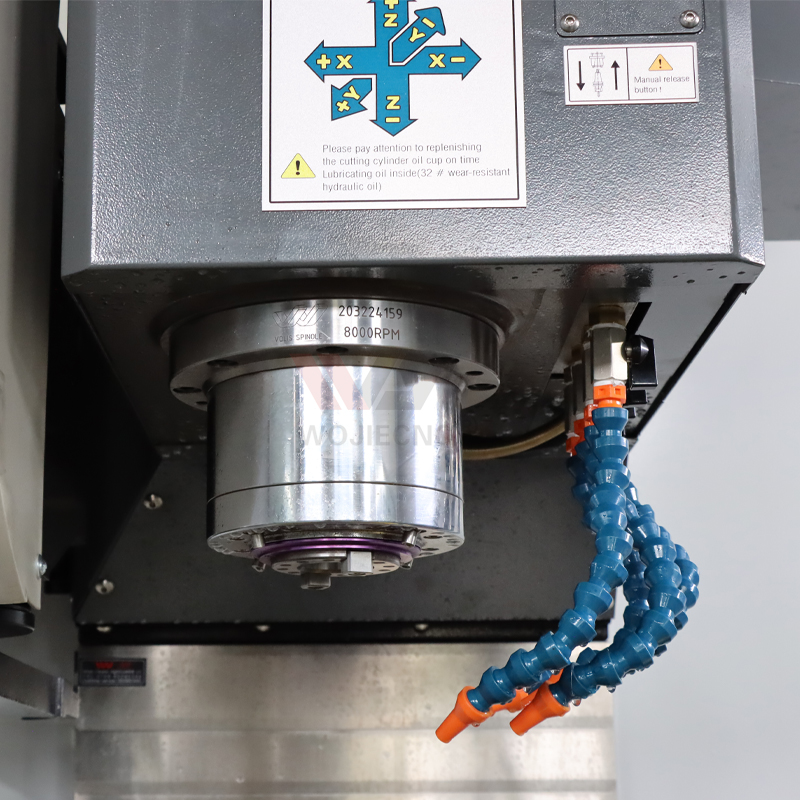
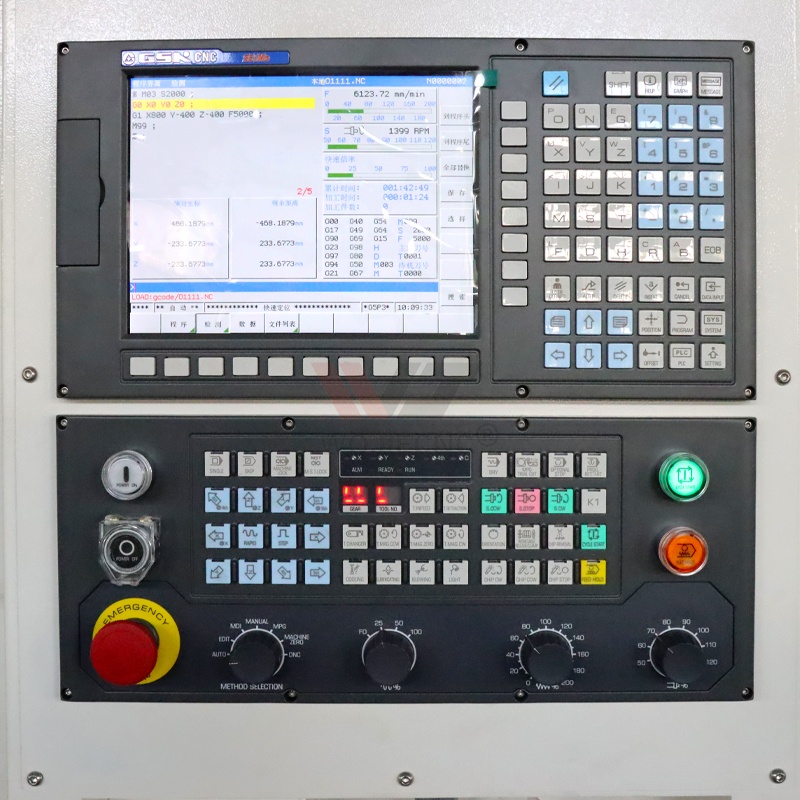
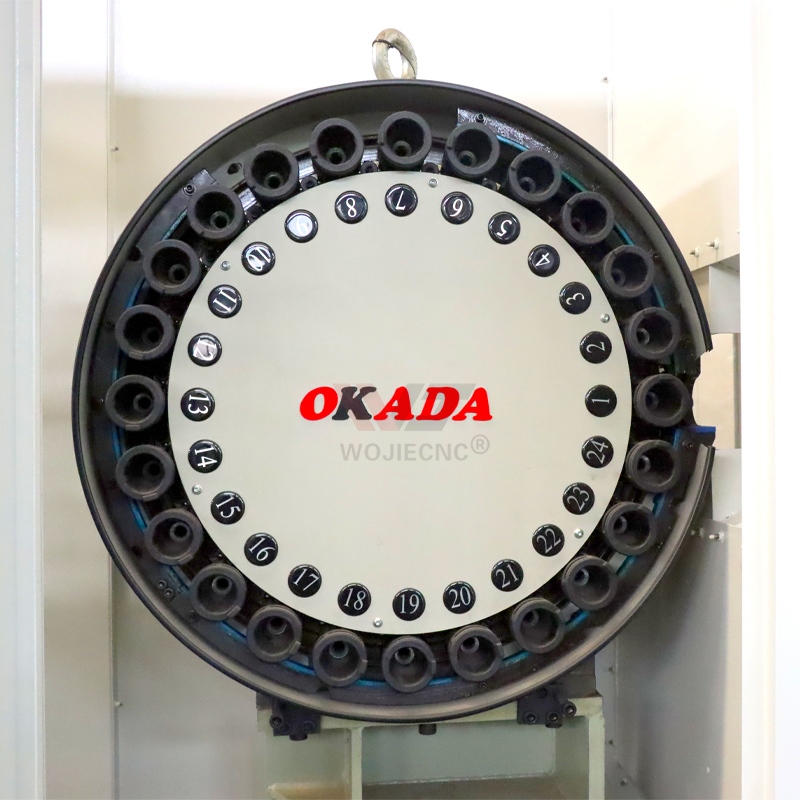
Vertical machining centers are high-precision manufacturing machines designed to perform milling, drilling, boring, and tapping operations on a wide range of workpieces. In a vertical machining center, the spindle axis runs vertically, allowing cutting tools to approach the workpiece from above. This configuration provides excellent visibility of the cutting zone, simplifies chip evacuation, and supports a broad variety of part geometries. Modern vertical machining centers are equipped with computer numerical control systems that automate tool paths, feed rates, and spindle speeds with remarkable accuracy. Most machines feature automatic tool changers that hold anywhere from 16 to 30 or more tools, enabling complex multi-operation jobs to run without manual intervention. The working table typically moves along the X and Y axes while the spindle travels along the Z axis, creating a three-axis motion system that covers the majority of prismatic machining requirements. Advanced vertical machining centers can be configured with a fourth or fifth axis to handle angled surfaces and contoured features. Industries that rely on vertical machining centers include aerospace, automotive, medical device manufacturing, mold and die production, and general precision engineering. These machines handle materials ranging from aluminum and steel to titanium and engineering plastics. Whether a shop needs to produce a single prototype or run a high-volume production batch, vertical machining centers deliver consistent dimensional accuracy and surface finish quality. Their compact footprint relative to horizontal alternatives makes them a practical choice for facilities of every size, from small job shops to large-scale production environments.

 EN
EN