Small Horizontal Machining Center Solutions

Get a Free Quote

Our representative will contact you soon.
Email
Mobile/WhatsApp
Name
Company Name
Message
0/1000

small horizontal machining center

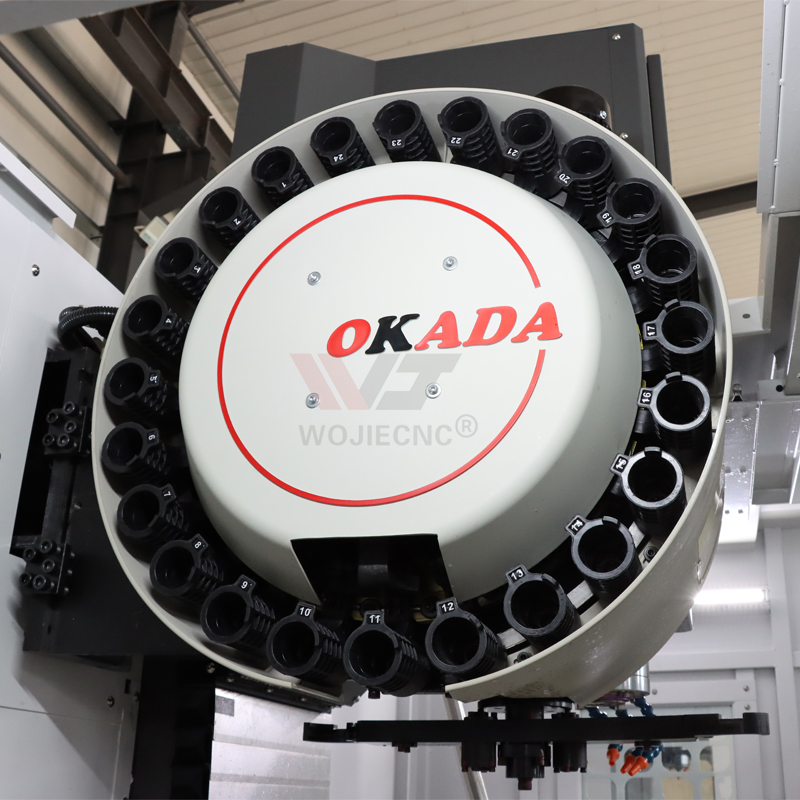
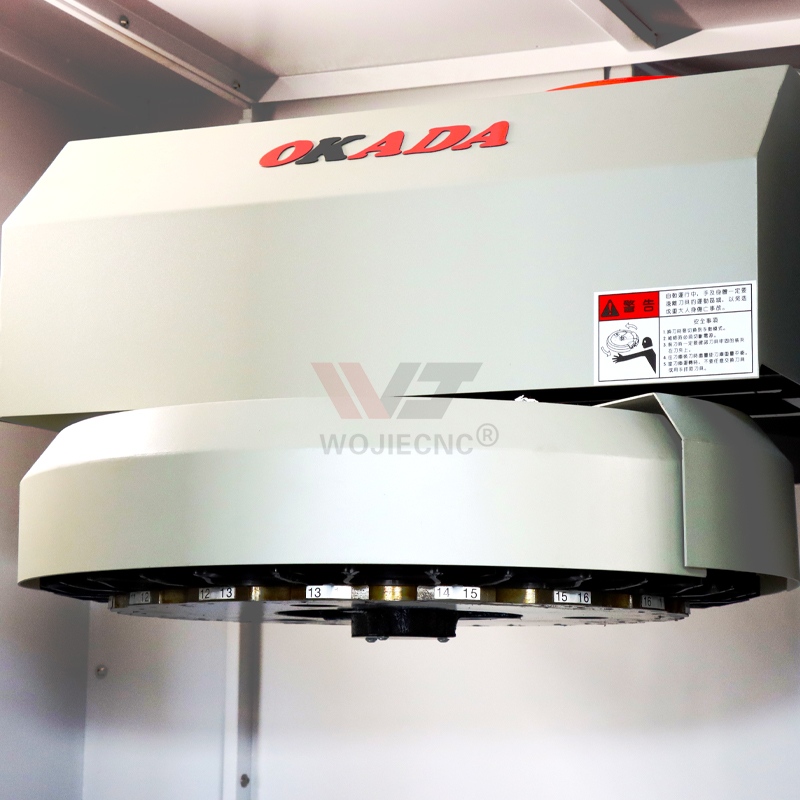
A small horizontal machining center is a compact, high-performance CNC machine tool designed to deliver precision machining in a space-efficient footprint. Unlike vertical configurations, this type of machine positions the spindle horizontally, allowing chips to fall away from the workpiece naturally and enabling multi-face machining in a single setup. These machines are engineered for manufacturers who need reliable, accurate production without dedicating large floor space to heavy equipment. The small horizontal machining center typically features a rotary pallet system or a B-axis rotary table, giving operators the ability to machine four or more faces of a part without repositioning. This dramatically reduces setup time and improves dimensional consistency across production runs. Core technologies integrated into a small horizontal machining center include high-speed spindles ranging from 8,000 to 20,000 RPM, rigid box-way or linear guide systems, automatic tool changers with 30 to 60 tool pockets, and advanced CNC controllers supporting multi-axis simultaneous operation. Coolant-through-spindle systems and chip conveyors further enhance cutting performance and machine cleanliness. Applications span a wide range of industries, including automotive component manufacturing, aerospace structural parts, hydraulic valve bodies, pump housings, gear carriers, and medical device components. Manufacturers in job shop environments and high-volume production lines alike benefit from the versatility and throughput that a small horizontal machining center delivers. Whether producing complex aluminum castings or hardened steel parts, this machine type consistently meets tight tolerances and surface finish requirements, making it an indispensable asset in modern precision manufacturing environments.

New Products

Choosing a small horizontal machining center gives manufacturers a genuine competitive edge in day-to-day production. Here are the practical benefits that matter most to buyers making real purchasing decisions. First, you save valuable floor space without sacrificing capability. A small horizontal machining center fits into compact workshops and lean manufacturing cells while still handling multi-face part processing that would otherwise require multiple machine setups. This directly lowers your overhead and maximizes the productivity of every square foot in your facility. Second, you cut cycle times significantly. The horizontal spindle orientation lets chips fall freely by gravity, reducing chip re-cutting and tool wear. Combined with a rotary table, a small horizontal machining center allows you to complete four or five faces of a part in one clamping, eliminating the repositioning delays that eat into your shift output. Third, you improve part quality and repeatability. Every time you re-clamp a workpiece on a separate machine, you introduce potential alignment error. A small horizontal machining center removes those extra handlings, so your dimensional accuracy stays consistent from the first part to the thousandth. Fourth, this machine suits a wide range of production environments. Whether you run small batch jobs for aerospace clients or high-volume automotive components, the flexible tooling capacity and pallet systems of a small horizontal machining center adapt to your workflow without requiring costly reconfigurations. Fifth, the long-term operating cost stays manageable. Efficient chip removal reduces spindle wear, and fewer setups mean less operator labor per part. Buyers consistently report faster return on investment compared to equivalent vertical machining configurations. For any shop targeting tighter tolerances, faster delivery, and lower per-part cost, investing in a small horizontal machining center is a straightforward and well-supported decision.

Tips And Tricks

What specifications influence punching accuracy and stability?

15

Apr

What specifications influence punching accuracy and stability?

In precision metal fabrication, understanding what specifications influence punching accuracy and stability is fundamental to achieving consistent, high-quality results. While punching machine operations appear straightforward, the dimensional precis...
View More
How does a drilling machine support mixed-material machining requirements?

28

May

How does a drilling machine support mixed-material machining requirements?

In modern manufacturing environments, the ability to work across multiple material types within a single production cycle has become a defining requirement for competitiveness. A drilling machine that can accommodate this kind of material diversity i...
View More
Could a CNC lathe machine significantly reduce labor reliance in machining?

08

May

Could a CNC lathe machine significantly reduce labor reliance in machining?

The question of whether a cnc lathe machine can significantly reduce labor reliance in machining is one that manufacturers across industries are actively confronting. As labor costs rise, skilled operator shortages deepen, and production demands grow...
View More
Which CNC machining center specs matter most for factories upgrading equipment?

08

Jun

Which CNC machining center specs matter most for factories upgrading equipment?

Factory managers evaluating equipment upgrades face a critical decision: which cnc machining center specifications genuinely impact production capacity, and which represent marketing embellishments? Understanding the distinction determines whether yo...
View More

Get a Free Quote

Our representative will contact you soon.
Email
Mobile/WhatsApp
Name
Company Name
Message
0/1000

small horizontal machining center

Compact Design with Maximum Machining Power

Compact Design with Maximum Machining Power

One of the strongest selling points of a small horizontal machining center is how it combines a reduced machine footprint with genuinely powerful cutting performance. Many manufacturers assume that compact size means compromised capability, but this machine challenges that assumption directly. Its rigid structural frame, high-torque spindle, and precision linear guides work together to deliver the same material removal rates and tolerance control you would expect from a full-size horizontal machine. For workshops operating in limited floor space, this is a critical advantage. You can install a small horizontal machining center within a standard manufacturing cell, connect it to automation systems, and still achieve the throughput needed for competitive production. The result is a machine that punches well above its physical dimensions, giving small and mid-sized manufacturers access to horizontal machining technology that was once only practical for large-scale facilities.
Multi-Face Machining in a Single Setup

Multi-Face Machining in a Single Setup

The rotary table or pallet system integrated into a small horizontal machining center fundamentally changes how efficiently you can machine complex parts. Instead of moving a workpiece through multiple fixtures and machines, a single clamping allows the operator to index the part and machine up to five faces without interruption. This capability is especially valuable when working with hydraulic manifolds, gearbox housings, pump bodies, and other components that require tight positional relationships between features on different faces. Reducing the number of setups directly reduces cumulative positioning error, which means your finished parts hold tighter tolerances with greater consistency. For job shops handling diverse part geometries and for production lines running the same complex component repeatedly, the multi-face machining capability of a small horizontal machining center translates into measurable gains in both quality and daily output.
Superior Chip Evacuation for Longer Tool Life

Superior Chip Evacuation for Longer Tool Life

The horizontal spindle orientation of a small horizontal machining center creates a natural chip flow advantage that vertical machines simply cannot replicate. When the spindle points horizontally, gravity pulls chips downward and away from the cutting zone continuously throughout the operation. This prevents chips from accumulating around the tool and workpiece, which is one of the leading causes of surface damage and premature tool wear in vertical machining. Built-in chip conveyors and through-spindle coolant systems work alongside this natural gravity advantage to keep the work area clean and the cutting temperature controlled. The practical outcome for operators is longer tool life, fewer interrupted cuts due to chip interference, and more consistent surface finishes on every part. For any facility machining aluminum, cast iron, or steel components in significant volumes, a small horizontal machining center delivers a clear and measurable improvement in tooling costs and overall process reliability.
Small Horizontal Machining Center Solutions

Get a Free Quote

Our representative will contact you soon.
Email
Mobile/WhatsApp
Name
Company Name
Message
0/1000
email goToTop