Small Vertical Machining Center: Precision CNC Solutions for Compact Manufacturing

Get a Free Quote

Our representative will contact you soon.
Email
Mobile/WhatsApp
Name
Company Name
Message
0/1000

small vertical machining center

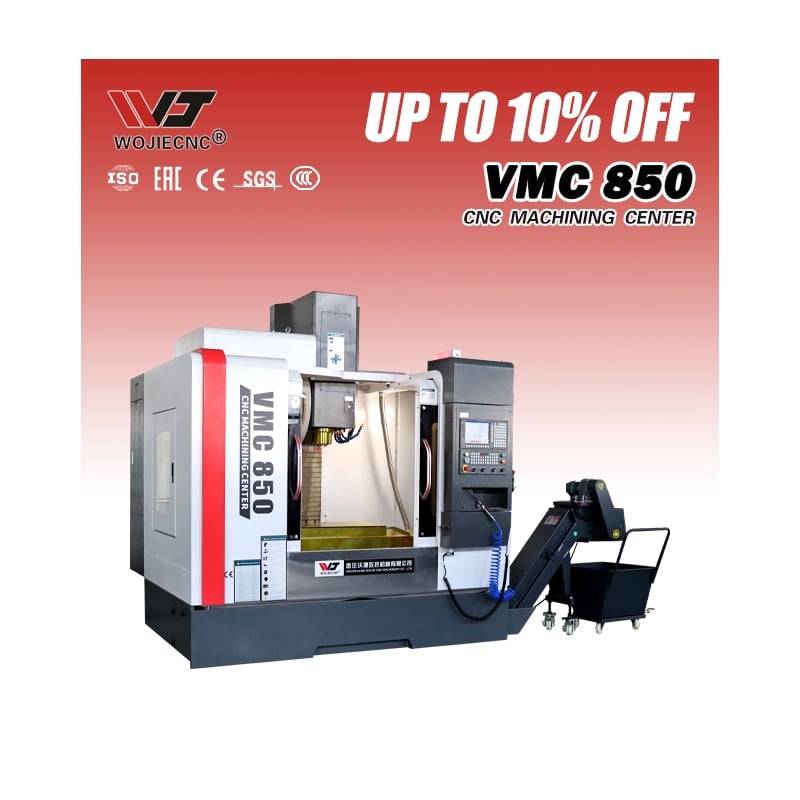
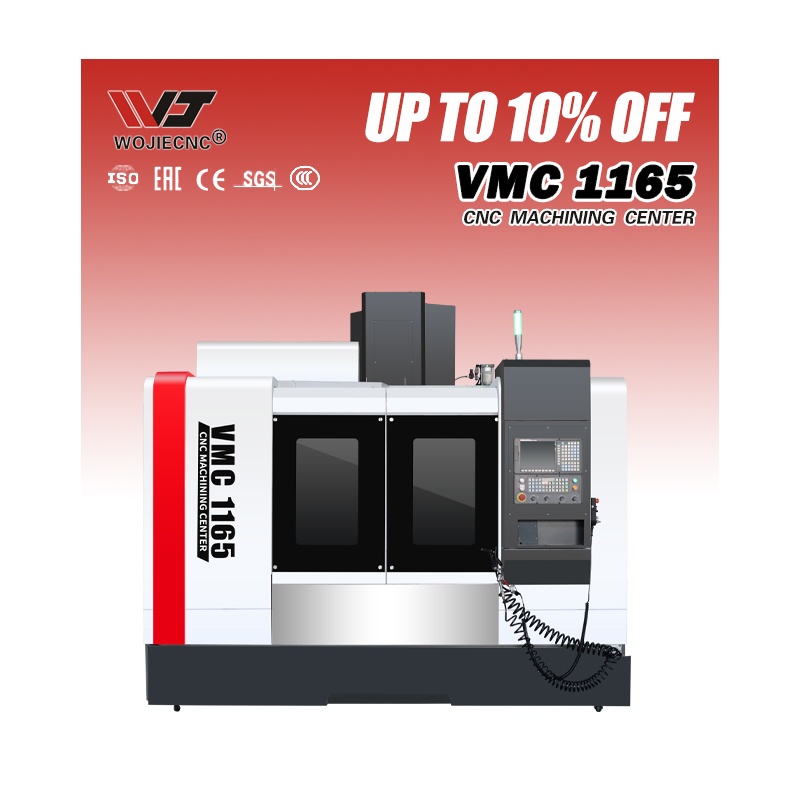
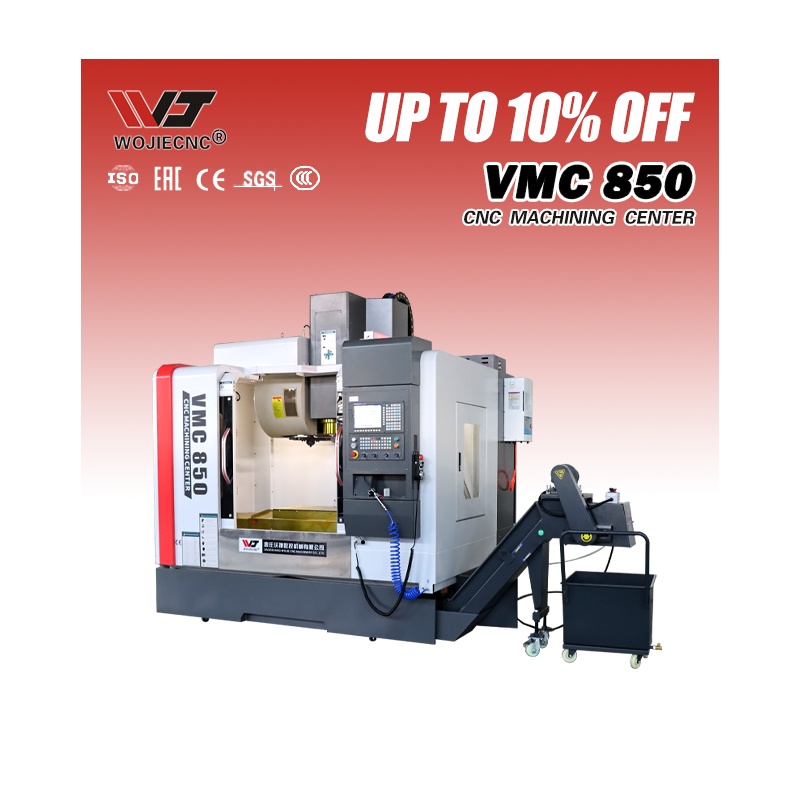
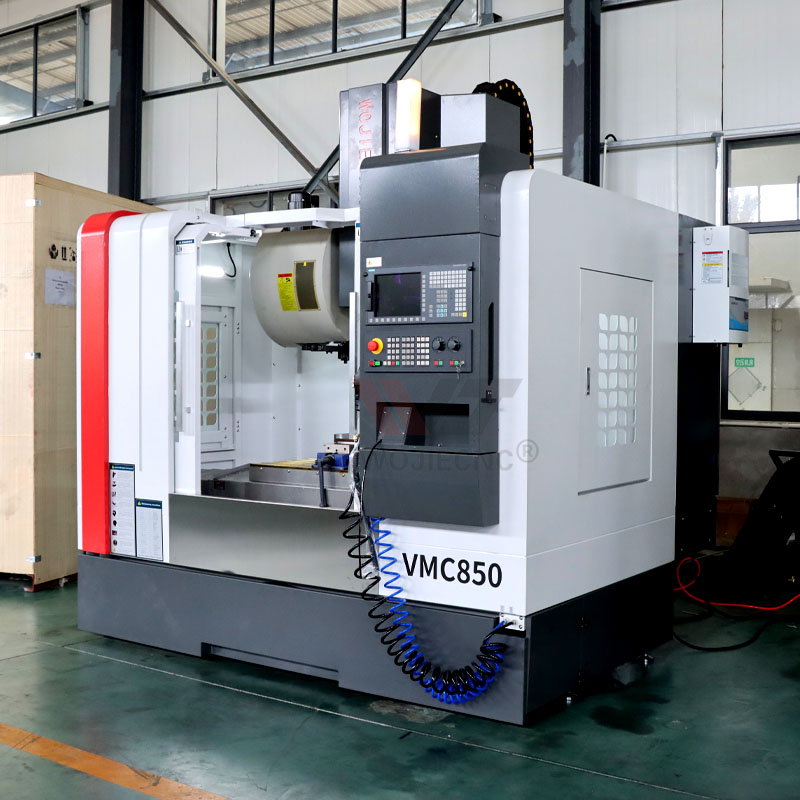
A small vertical machining center represents a compact yet powerful solution for precision manufacturing operations across diverse industries. These sophisticated machines combine computer numerical control (CNC) technology with vertical spindle orientation to deliver exceptional accuracy and versatility in metalworking applications. The small vertical machining center features a vertically mounted spindle that moves along the Z-axis, while the workpiece remains stationary on a table that can move in X and Y directions. This configuration enables operators to perform complex machining operations including milling, drilling, tapping, boring, and contouring with remarkable precision. The compact design makes these machines ideal for workshops with limited floor space while maintaining professional-grade capabilities. Modern small vertical machining centers incorporate advanced control systems that allow for automated tool changes, programmable operations, and real-time monitoring of machining processes. The technological features include high-speed spindles capable of reaching thousands of RPM, precise ball screw drive systems for accurate positioning, and rigid construction that minimizes vibration during operation. These machines typically accommodate workpieces ranging from small components to medium-sized parts, making them suitable for prototype development, small batch production, and custom manufacturing projects. The applications span numerous sectors including automotive parts manufacturing, aerospace component production, medical device fabrication, electronics housing creation, and general machining services. Educational institutions also utilize small vertical machining centers for training purposes, providing students with hands-on experience using industry-standard equipment. The versatility of these machines extends to various materials including aluminum, steel, stainless steel, brass, and certain plastics, enabling manufacturers to diversify their production capabilities within a single machine platform.

New Product Recommendations

Small vertical machining centers offer numerous practical benefits that directly impact manufacturing efficiency and profitability for businesses of all sizes. The space-saving design allows companies to maximize their production capabilities without requiring extensive facility modifications or expansions. These machines typically occupy minimal floor space while delivering performance comparable to larger industrial equipment, making them perfect for small to medium-sized manufacturing operations. The cost-effectiveness represents another significant advantage, as small vertical machining centers provide professional-grade machining capabilities at a fraction of the investment required for full-size industrial machines. This accessibility enables smaller businesses and startups to compete effectively in precision manufacturing markets. The user-friendly operation reduces training requirements and allows operators to become productive quickly, minimizing downtime during implementation. Advanced software interfaces simplify programming tasks, enabling users to create complex machining sequences without extensive CNC programming expertise. The precision and repeatability of small vertical machining centers ensure consistent quality output, reducing waste and rework costs while improving customer satisfaction. These machines maintain tight tolerances across multiple production runs, essential for industries requiring exact specifications. The versatility allows manufacturers to handle diverse projects within a single machine setup, eliminating the need for multiple specialized tools and reducing equipment investment. Quick setup and changeover capabilities enable efficient job switching, supporting flexible manufacturing approaches that respond rapidly to changing market demands. Energy efficiency represents another practical benefit, as small vertical machining centers consume less power than larger industrial machines while maintaining high performance standards. This reduced energy consumption translates to lower operating costs and improved environmental sustainability. The automated features, including tool changers and programmable operations, reduce labor costs while increasing production consistency. Maintenance requirements remain manageable due to the compact design and accessible components, minimizing service costs and maximizing uptime. The reliability of modern small vertical machining centers ensures consistent operation with minimal unexpected breakdowns, supporting predictable production schedules and delivery commitments.

Tips And Tricks

Zaozhuang Wojie CNC Machinery Co., Ltd.: 30+ Years of CNC Mastery, Your Global Trusted Partner

03

Nov

Zaozhuang Wojie CNC Machinery Co., Ltd.: 30+ Years of CNC Mastery, Your Global Trusted Partner

View More
Wojie CNC Shines at International Machine Tool Exhibitions: Forging Global Partnerships with CNC Expertise

30

Oct

Wojie CNC Shines at International Machine Tool Exhibitions: Forging Global Partnerships with CNC Expertise

View More
Wojie CNC Hot-Selling Machines: Full-Scene Precision Machining Solutions for Global Manufacturers

30

Oct

Wojie CNC Hot-Selling Machines: Full-Scene Precision Machining Solutions for Global Manufacturers

View More

Get a Free Quote

Our representative will contact you soon.
Email
Mobile/WhatsApp
Name
Company Name
Message
0/1000

small vertical machining center

Exceptional Space Efficiency and Workshop Integration

Exceptional Space Efficiency and Workshop Integration

The space efficiency of small vertical machining centers transforms workshop layouts and manufacturing capabilities for businesses operating within constrained environments. These machines typically require floor space measurements ranging from 6 to 10 square feet, compared to 20 to 40 square feet needed for full-size machining centers. This compact footprint allows manufacturers to install multiple units within the same space previously occupied by a single large machine, dramatically increasing production capacity and operational flexibility. The vertical configuration optimizes the use of available workshop height while minimizing the horizontal footprint, making these machines ideal for urban manufacturing facilities where real estate costs remain high. Workshop integration becomes seamless due to the manageable size and weight of small vertical machining centers, which typically weigh between 3,000 to 8,000 pounds compared to 15,000 to 30,000 pounds for larger industrial units. This reduced weight eliminates the need for specialized foundation work or floor reinforcement, significantly reducing installation costs and complexity. The accessibility provided by the compact design improves operator safety and efficiency, as all machine controls, tooling, and workpiece areas remain within comfortable reach. Maintenance activities become more manageable since technicians can easily access all machine components without requiring specialized lifting equipment or extensive disassembly procedures. The reduced vibration transmission to surrounding equipment results from the smaller mass and optimized design, allowing these machines to operate effectively in shared workshop environments without disrupting other manufacturing processes. Transportation and relocation flexibility represents another significant benefit, as small vertical machining centers can be moved between facilities or workshop locations using standard material handling equipment. This mobility supports business growth and adaptation to changing facility requirements without the substantial costs associated with relocating larger industrial machines. The energy infrastructure requirements remain minimal, typically requiring standard electrical connections rather than specialized high-voltage installations needed for larger machines, further simplifying integration into existing workshop environments.
Advanced Precision Technology in Compact Design

Advanced Precision Technology in Compact Design

Small vertical machining centers incorporate sophisticated precision technology that rivals larger industrial machines while maintaining the benefits of compact design and accessible operation. The spindle systems typically achieve speeds ranging from 8,000 to 20,000 RPM with precision bearings that maintain accuracy within 0.0001 inches across extended operating periods. These high-speed capabilities enable efficient machining of various materials while achieving superior surface finishes that often eliminate secondary finishing operations. The ball screw drive systems provide positioning accuracy within 0.0002 inches, ensuring consistent dimensional accuracy across multiple production runs and complex geometries. Advanced control systems integrate sophisticated algorithms that compensate for thermal expansion, tool wear, and machine deflection, maintaining precision standards throughout extended machining cycles. The rigid construction utilizes high-grade cast iron or steel components with strategic ribbing and reinforcement that minimizes vibration and maintains dimensional stability during heavy cutting operations. Tool holding systems incorporate precision collets or hydraulic chucks that maintain concentricity within 0.0001 inches, ensuring consistent tool performance and extended tool life. Automatic tool change systems typically accommodate 12 to 30 tools with rapid change cycles completed within 3 to 8 seconds, minimizing non-productive time and supporting complex machining sequences. The enclosed design provides excellent chip evacuation and coolant management, maintaining clean cutting conditions that optimize tool performance and workpiece surface quality. Probing systems enable in-process measurement and automatic compensation for dimensional variations, reducing scrap rates and improving first-pass quality. The thermal stability maintained through strategic design and materials selection ensures consistent accuracy across varying ambient temperatures and extended operating cycles. Linear scale feedback systems provide real-time position verification, enabling closed-loop control that maintains positioning accuracy independent of mechanical wear or thermal effects. These precision technologies combine to deliver machining capabilities that meet the demanding requirements of aerospace, medical device, and precision instrument manufacturing while remaining accessible to smaller manufacturing operations.
Versatile Manufacturing Capabilities and Material Compatibility

Versatile Manufacturing Capabilities and Material Compatibility

The versatile manufacturing capabilities of small vertical machining centers enable businesses to expand their service offerings and tackle diverse projects within a single machine platform, maximizing return on investment and operational flexibility. These machines excel at performing multiple machining operations including face milling, end milling, drilling, reaming, tapping, boring, and complex contouring operations without requiring workpiece repositioning or machine changeover. The 3-axis simultaneous control enables creation of complex geometries including angled features, curved surfaces, and intricate pocket configurations that would require multiple setups on conventional machines. Programming flexibility supports various input methods including conversational programming for simple operations, CAM software integration for complex parts, and direct G-code programming for experienced operators. The workholding systems accommodate diverse workpiece shapes and sizes through standard vises, custom fixtures, rotary tables, and specialized clamping solutions, enabling manufacturers to handle everything from simple brackets to complex aerospace components. Material compatibility spans a broad range including aluminum alloys, carbon steel, stainless steel, tool steels, brass, copper, titanium, and engineering plastics, allowing manufacturers to serve multiple industries with a single machine investment. The spindle power typically ranges from 5 to 20 horsepower with variable speed control that optimizes cutting conditions for each material type and machining operation. Tool compatibility includes standard end mills, face mills, drills, taps, reamers, and specialized cutting tools, providing the flexibility to handle diverse manufacturing requirements. The coolant systems support flood cooling, mist cooling, and high-pressure coolant delivery, optimizing cutting performance across different materials and machining conditions. Workpiece size capacity typically accommodates parts up to 16 inches in X and Y dimensions with Z-axis travel up to 20 inches, supporting a wide range of component sizes from precision miniatures to substantial structural elements. The rapid traverse rates enable efficient positioning between machining operations while maintaining precision, supporting high-productivity manufacturing scenarios. Custom programming capabilities allow manufacturers to develop specialized machining cycles for repetitive operations, reducing cycle times and improving consistency across production runs.
Small Vertical Machining Center: Precision CNC Solutions for Compact Manufacturing

Get a Free Quote

Our representative will contact you soon.
Email
Mobile/WhatsApp
Name
Company Name
Message
0/1000
email goToTop