Vertical Turn Mill Center | Precision Machining

Get a Free Quote

Our representative will contact you soon.
Email
Mobile/WhatsApp
Name
Company Name
Message
0/1000

vertical turn mill center

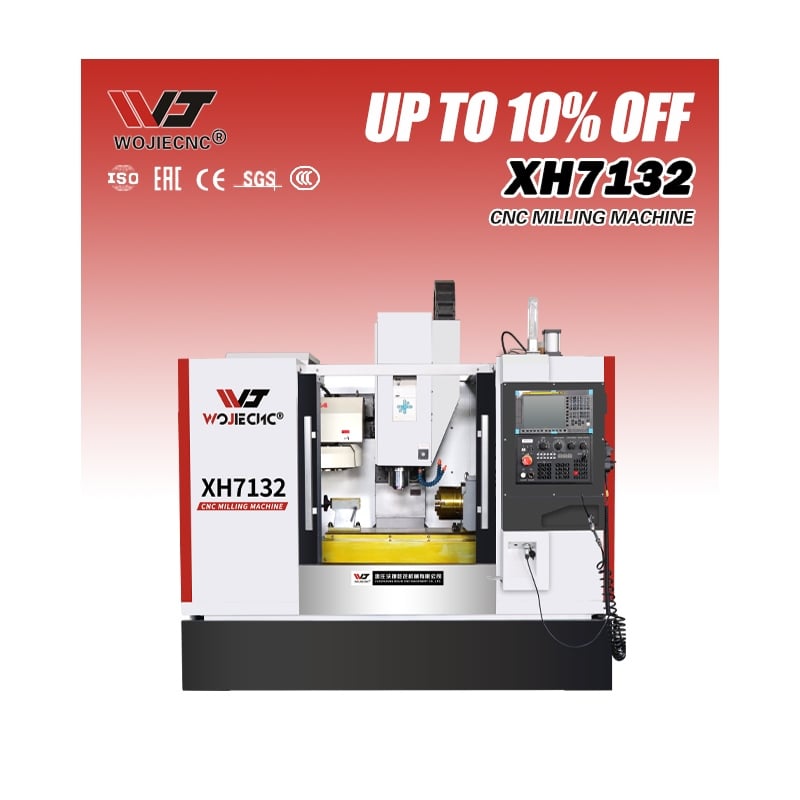
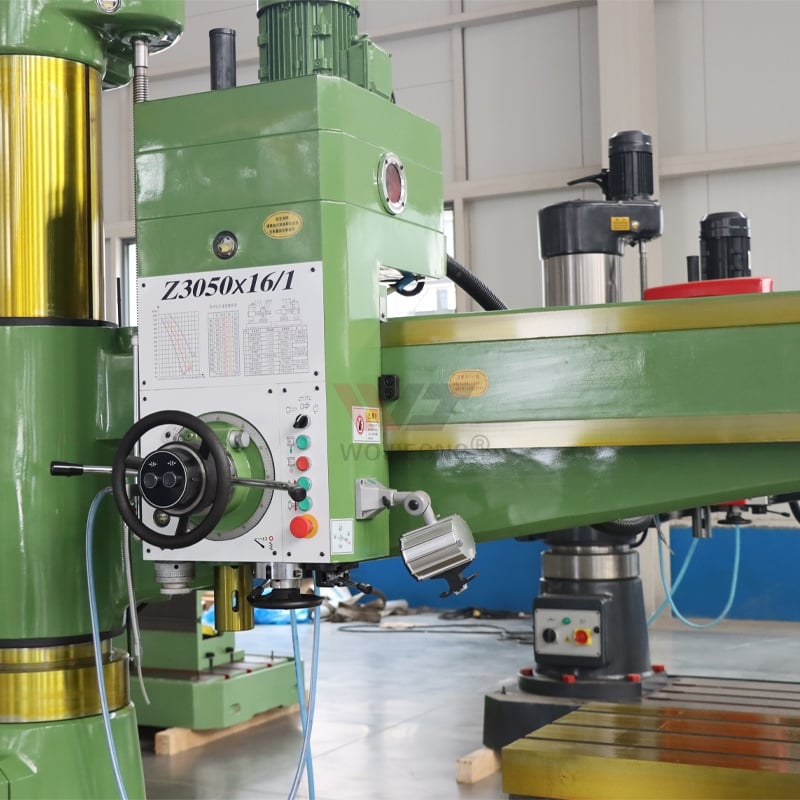
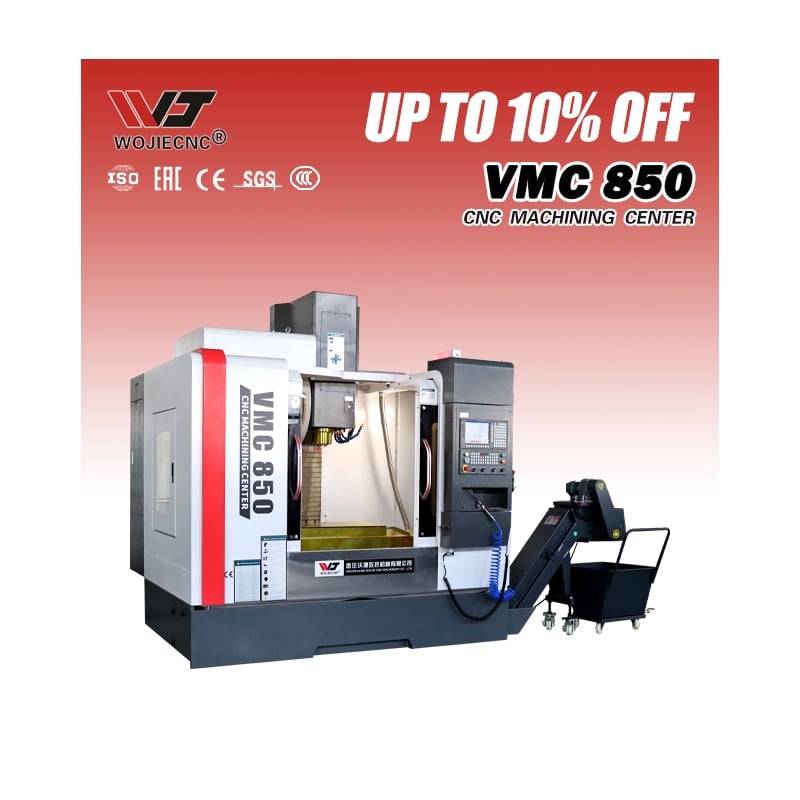
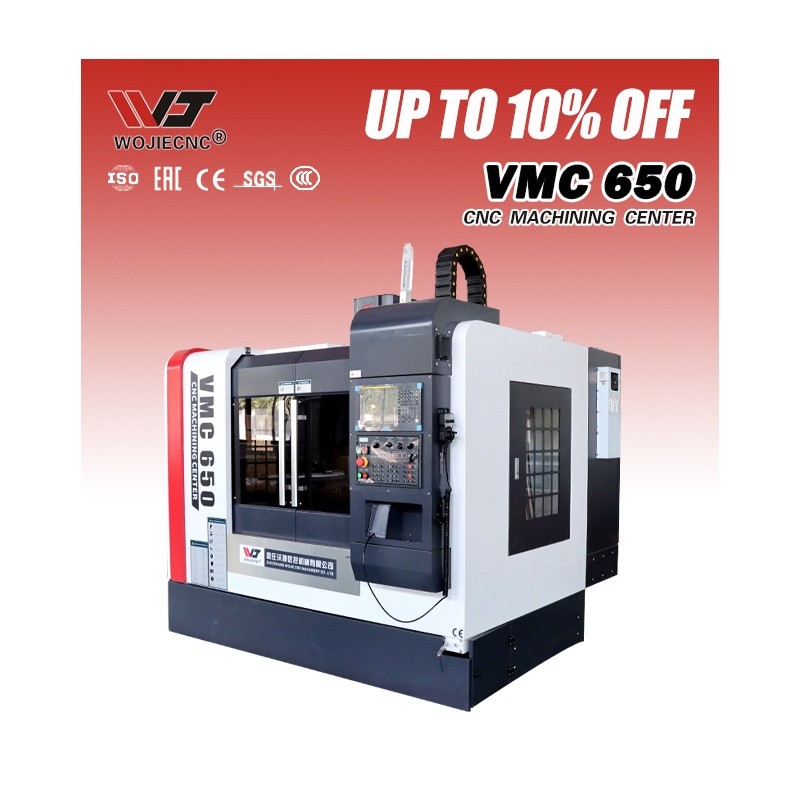
A vertical turn mill center is a high-performance machine tool that combines turning, milling, drilling, and boring operations into a single setup. Unlike conventional lathes or machining centers used separately, the vertical turn mill center integrates multiple cutting processes on one platform, allowing manufacturers to complete complex parts without repositioning the workpiece. This dramatically reduces setup time and improves dimensional accuracy across production runs. The machine features a vertically oriented spindle configuration, which makes it especially well-suited for large, heavy, or disc-shaped components that benefit from gravity-assisted clamping. Advanced CNC control systems govern every axis of movement, enabling precise coordination between the turning table and the milling head. Most modern vertical turn mill center designs include live tooling, B-axis milling capability, and automatic tool changers that support uninterrupted machining cycles. Thermal compensation systems and rigid cast-iron or polymer concrete bases further ensure long-term accuracy under demanding conditions. These machines are widely used in aerospace, automotive, energy, and heavy equipment industries. Typical components produced include turbine housings, pump bodies, flanges, gearboxes, and large bearing rings. The vertical turn mill center handles both small precision parts and oversized workpieces, with table diameters ranging from 500 mm to several meters depending on the model. Real-time monitoring software integrated into current platforms allows operators to track tool wear, spindle load, and cycle performance. This combination of versatility, accuracy, and throughput efficiency makes the vertical turn mill center a critical asset for any facility focused on precision manufacturing at scale.

New Products

Choosing a vertical turn mill center gives your shop a measurable edge in productivity and part quality right from the first production run. Instead of moving workpieces between multiple machines, your team completes turning, milling, drilling, and tapping in a single clamping. That means fewer handling errors, lower scrap rates, and faster cycle times across every job. For shops producing complex components, this translates directly into reduced labor costs and higher throughput without adding floor space or headcount. The vertical turn mill center is built to handle heavy and large-diameter parts with confidence. Its vertical spindle orientation lets gravity do much of the holding work, reducing clamping stress on sensitive parts and minimizing distortion during cutting. This makes it a preferred choice for manufacturers working with aerospace frames, turbine components, hydraulic valve bodies, and industrial pump housings. If your customers demand tight tolerances and repeatable surface finishes, this machine delivers consistently. Operational reliability is another strong point. Built-in thermal compensation, automatic tool changers, and CNC-driven axis coordination mean fewer interruptions and less manual adjustment during production shifts. Operators spend more time cutting and less time troubleshooting. For facilities running lights-out or automated shifts, the vertical turn mill center supports extended unattended operation with real-time monitoring built in. From a purchasing perspective, consolidating multiple machine functions into one vertical turn mill center reduces total capital investment compared to buying separate turning centers and machining centers. Maintenance costs, training overhead, and tooling inventory all shrink as a result. Whether you run high-mix low-volume jobs or dedicated production lines, this machine adapts to changing workloads efficiently. It is a practical, long-term investment that grows with your business requirements and keeps your shop competitive in demanding markets.

Practical Tips

Does CNC milling deliver better repeatability compared with conventional cutting?

15

May

Does CNC milling deliver better repeatability compared with conventional cutting?

When manufacturers evaluate machining processes for high-volume or precision-critical production, repeatability becomes one of the most decisive factors. The question of whether cnc milling delivers better repeatability compared with conventional cut...
View More
What safety elements must operators check before using a drilling machine?

22

May

What safety elements must operators check before using a drilling machine?

Before any operator powers up a drilling machine, a structured pre-operation safety check is not optional — it is a professional obligation. Industrial environments demand that every person working with a drilling machine understands the mechanical, ...
View More
Which CNC machining center specs matter most for factories upgrading equipment?

08

Jun

Which CNC machining center specs matter most for factories upgrading equipment?

Factory managers evaluating equipment upgrades face a critical decision: which cnc machining center specifications genuinely impact production capacity, and which represent marketing embellishments? Understanding the distinction determines whether yo...
View More
What factors influence long-term accuracy in a vertical machining center?

26

Jun

What factors influence long-term accuracy in a vertical machining center?

Long-term accuracy in a vertical machining center is not a fixed property that remains unchanged after installation. It is a dynamic outcome shaped by mechanical design, environmental conditions, operational habits, and maintenance discipline. Unders...
View More

Get a Free Quote

Our representative will contact you soon.
Email
Mobile/WhatsApp
Name
Company Name
Message
0/1000

vertical turn mill center

All-in-One Machining in a Single Setup

All-in-One Machining in a Single Setup

The vertical turn mill center eliminates the need for multiple dedicated machines by combining turning, milling, drilling, and boring into one continuous process. When a component stays in one fixture throughout its entire machining sequence, dimensional relationships between features remain accurate because repositioning errors are removed from the equation. This is especially valuable when producing parts with tight coaxiality, perpendicularity, or angular position requirements. Manufacturers gain faster job completion times and a significantly reduced risk of scrap caused by fixturing inconsistencies. The consolidated workflow also frees floor space previously occupied by standalone machines, reduces WIP inventory between stations, and simplifies production scheduling. For job shops and contract manufacturers, this flexibility means the vertical turn mill center handles a wider variety of components without reconfiguring the production line, giving your facility the agility needed to respond to shifting customer demands efficiently.
Superior Accuracy for Heavy and Complex Parts

Superior Accuracy for Heavy and Complex Parts

Handling large, heavy workpiads with precision is where the vertical turn mill center truly stands apart from horizontal alternatives. The vertical table orientation supports the natural weight of the workpiece, reducing deformation caused by clamping forces and allowing the cutting process to proceed with minimal vibration. Precision-ground guideways, high-resolution encoders, and thermally stable machine bases maintain positional accuracy even during extended cutting cycles at high material removal rates. Integrated B-axis milling heads allow compound-angle features, inclined bores, and curved surfaces to be machined without manual part rotation. For industries like energy, aerospace, and heavy equipment, where component integrity is non-negotiable, this level of accuracy builds customer confidence and reduces inspection rejection rates. The vertical turn mill center delivers repeatable results across batches, which supports quality certifications and long-term supplier relationships with demanding OEM customers.
Smart Controls That Maximize Uptime

Smart Controls That Maximize Uptime

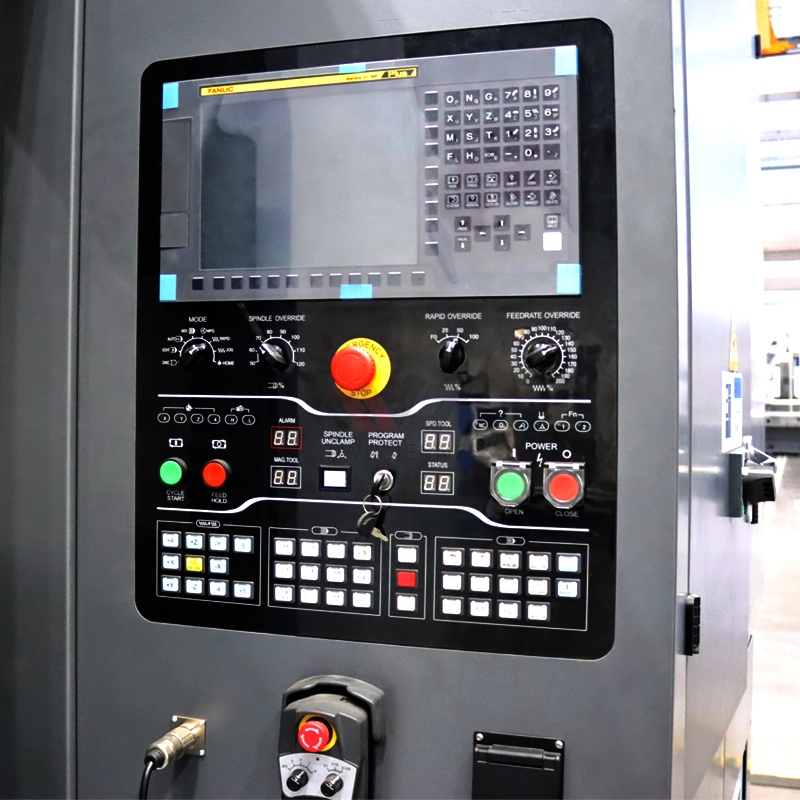
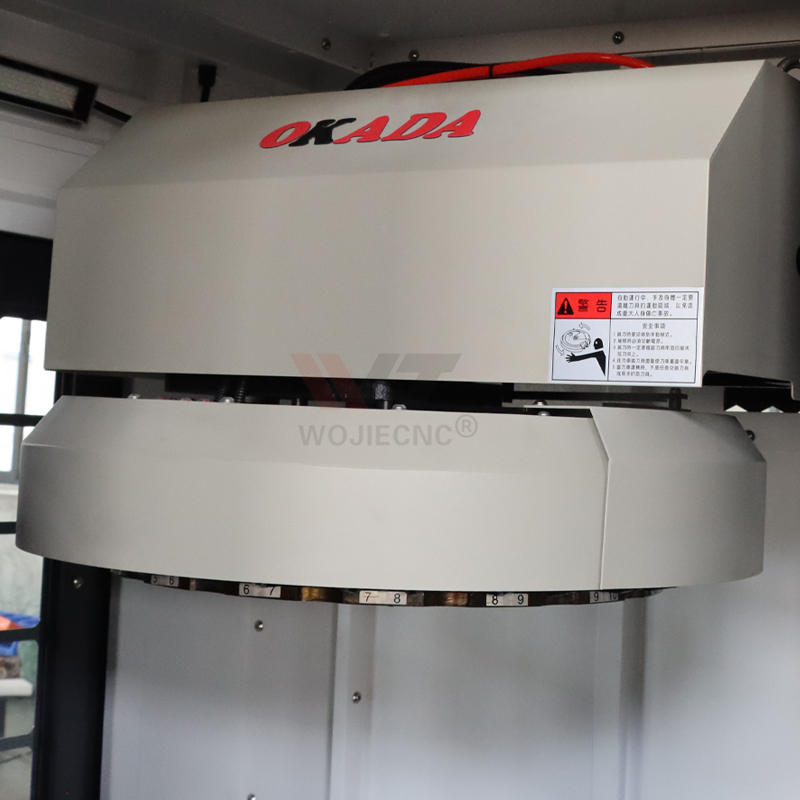
Modern vertical turn mill center platforms come equipped with intelligent CNC control systems that go far beyond basic axis movement. Real-time spindle load monitoring, adaptive feed control, and predictive tool-life management work together to protect the machine, the tooling, and the workpiece simultaneously. Automatic tool changers with large magazines allow complex jobs to run from start to finish without operator intervention, supporting lights-out production and reducing labor dependency during overnight shifts. Thermal compensation algorithms continuously adjust axis positions to counteract heat buildup generated during prolonged cutting, preserving accuracy throughout the full production run. Remote diagnostics and network connectivity enable maintenance teams to identify potential issues before unplanned downtime occurs. For manufacturers focused on maximizing spindle utilization and minimizing cost per part, these smart operational features make the vertical turn mill center a genuinely future-ready investment worth serious consideration.
Vertical Turn Mill Center | Precision Machining

Get a Free Quote

Our representative will contact you soon.
Email
Mobile/WhatsApp
Name
Company Name
Message
0/1000
email goToTop