Precision Machining Center Solutions

Get a Free Quote

Our representative will contact you soon.
Email
Mobile/WhatsApp
Name
Company Name
Message
0/1000

machining center

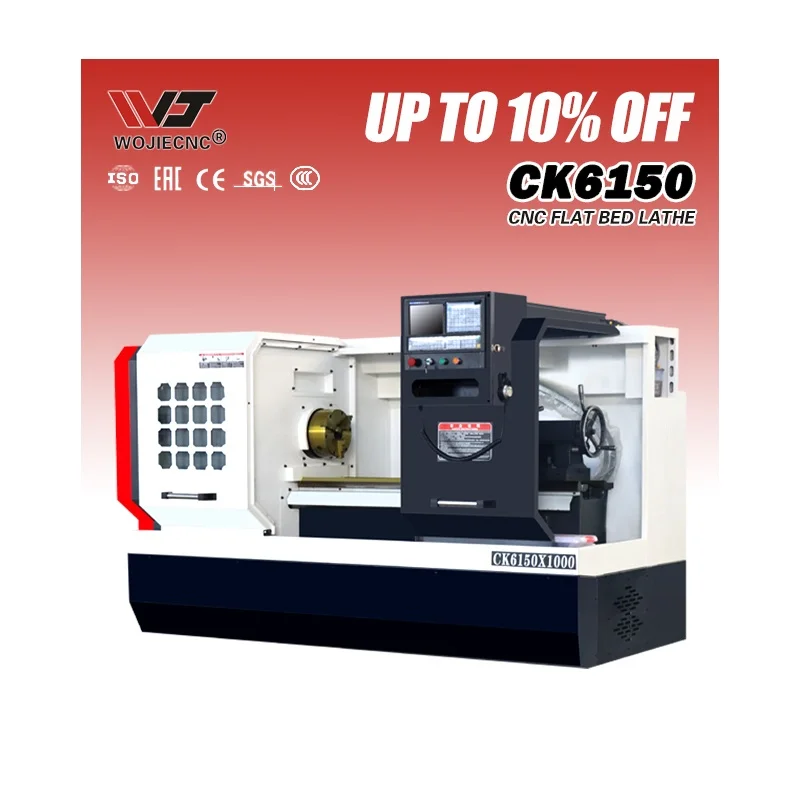
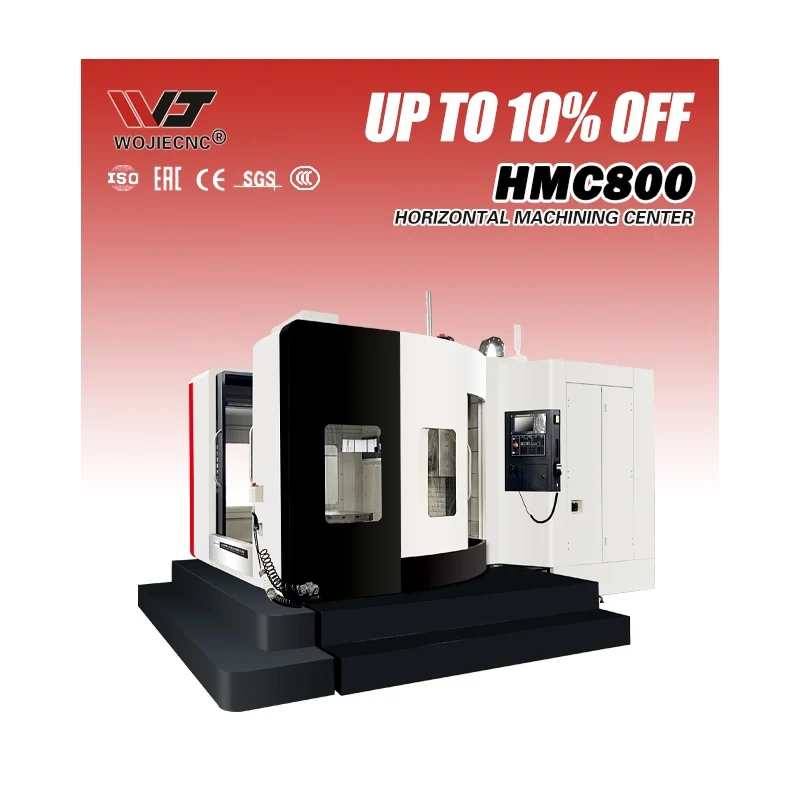
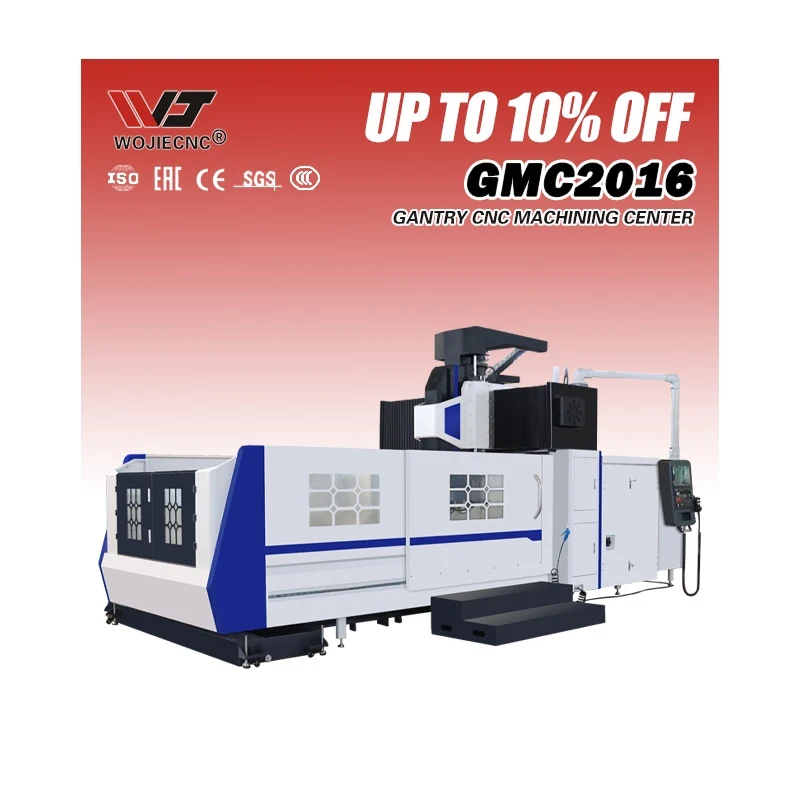
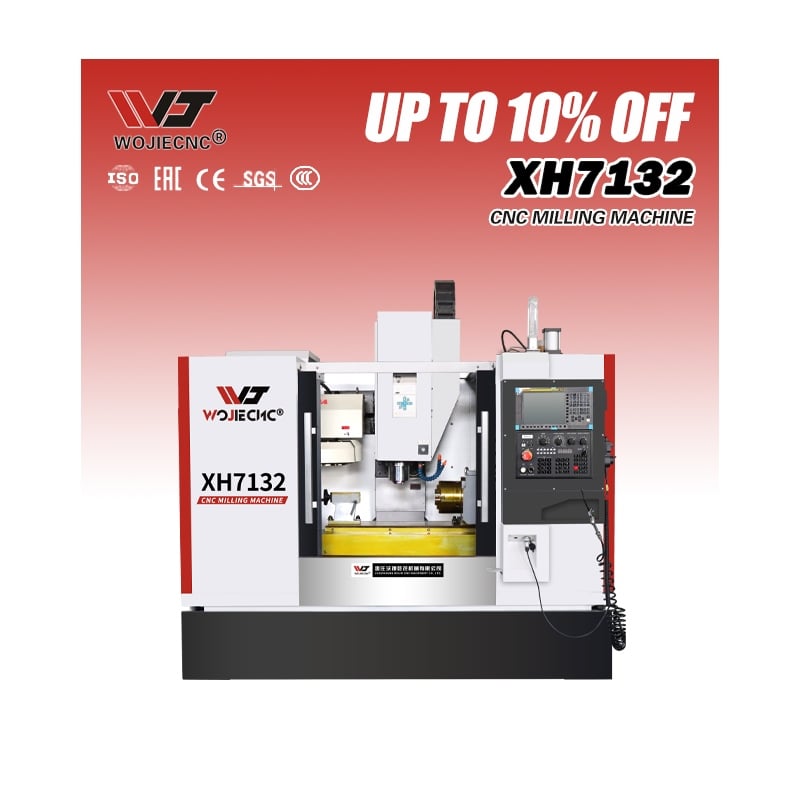
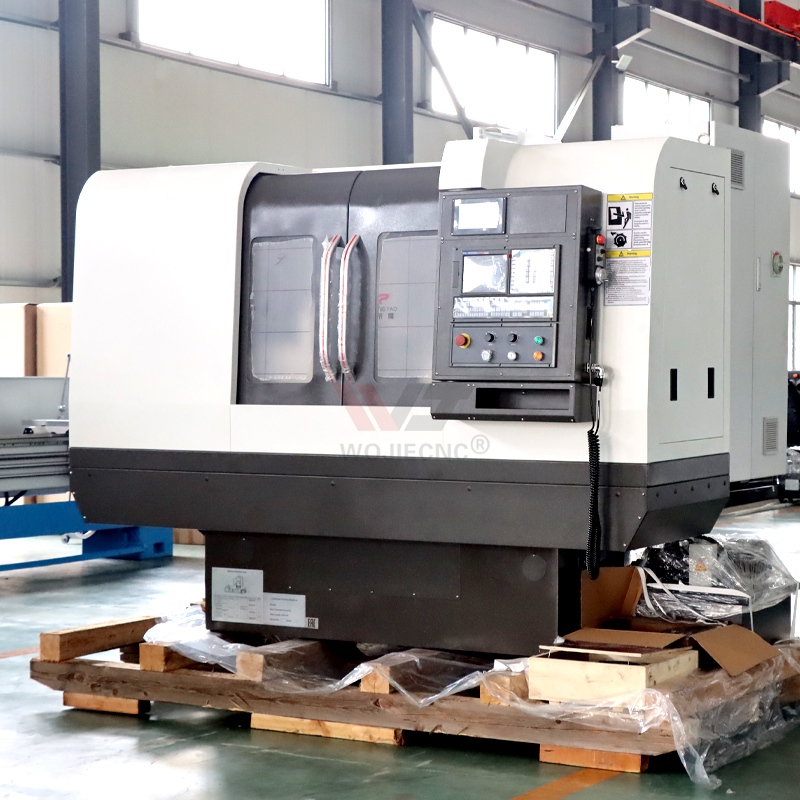
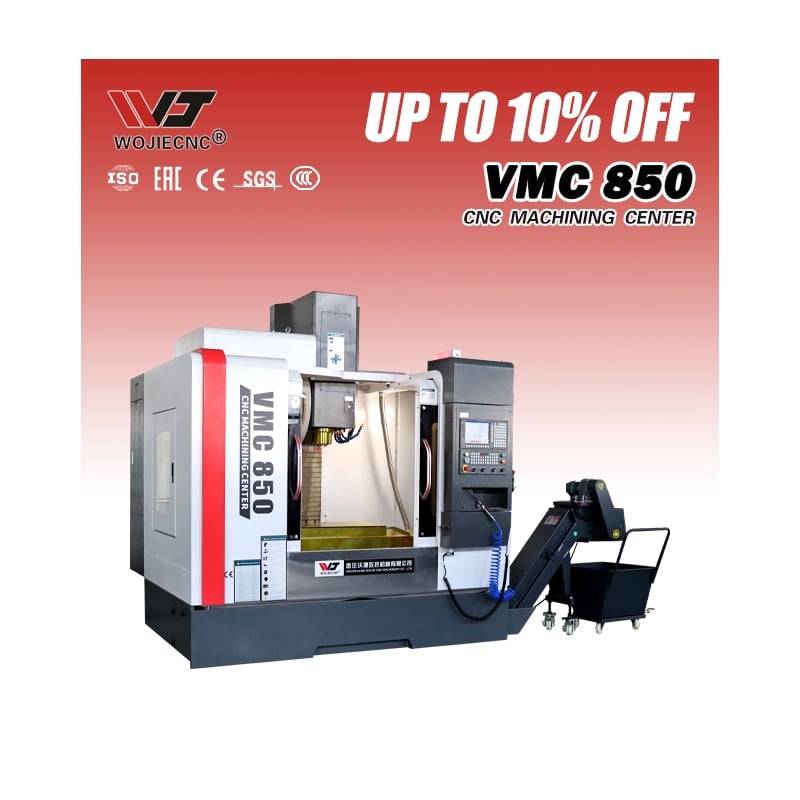
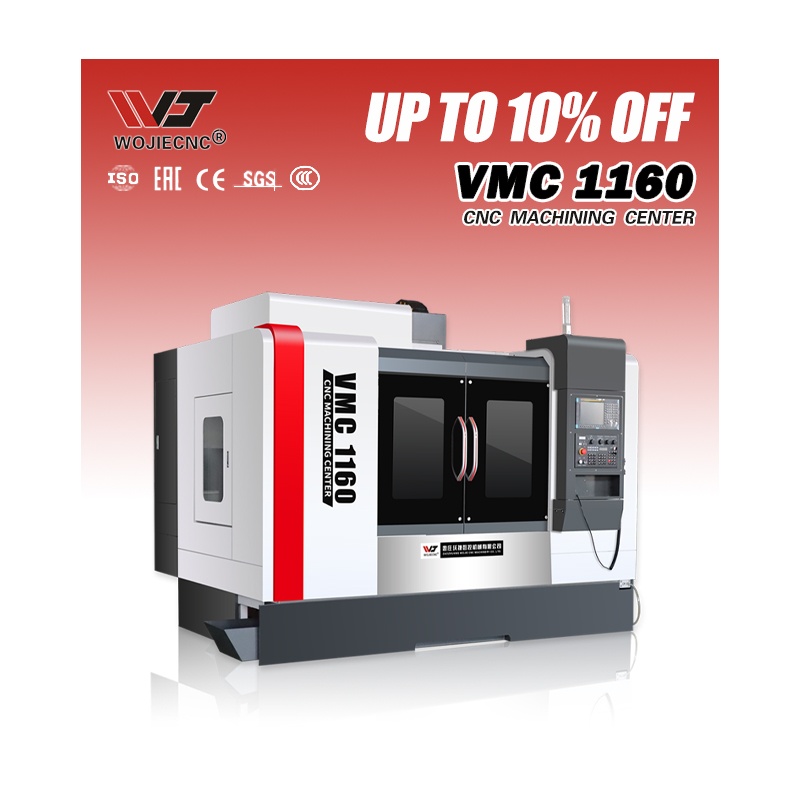
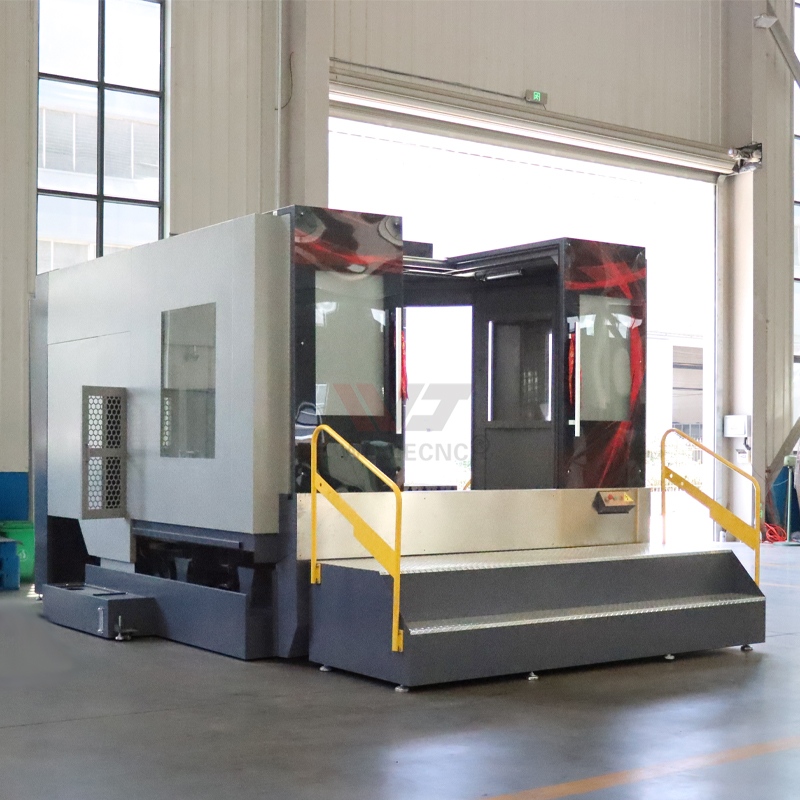
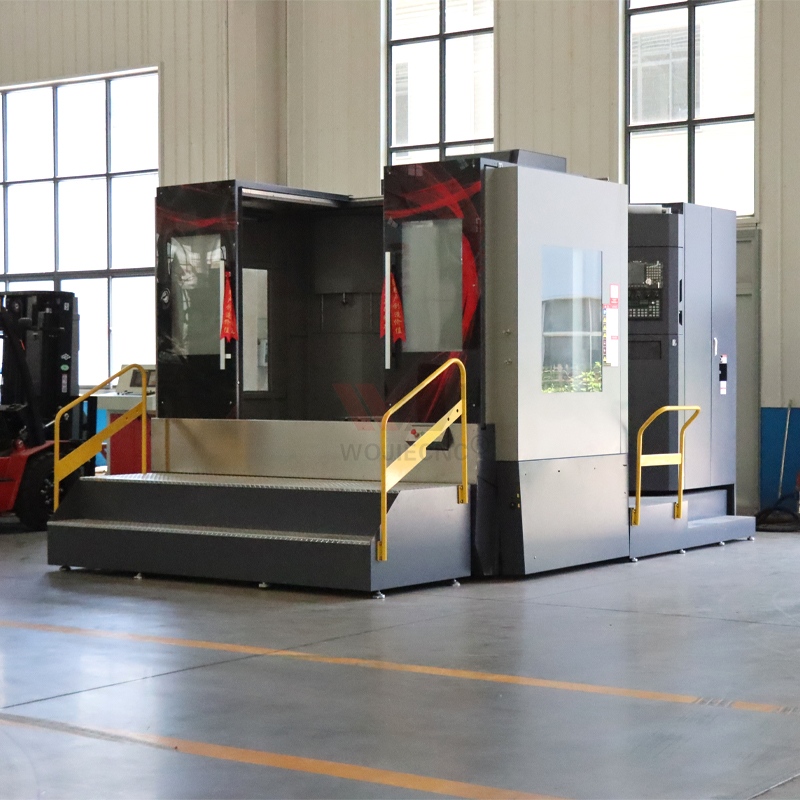
A machining center is a highly versatile, computer-controlled machine tool designed to perform multiple cutting and shaping operations on a single workpiece without requiring manual repositioning. By combining milling, drilling, boring, tapping, and contouring into one automated platform, a machining center dramatically reduces setup time and improves dimensional accuracy across complex part geometries. Modern machining center technology is built around a CNC control system that executes pre-programmed toolpaths with micron-level precision, ensuring consistent output across long production runs. Most configurations feature an automatic tool changer, allowing the machine to swap between dozens of cutting tools in seconds, which keeps spindle uptime high and idle time low. Machining center designs span three primary axis orientations: vertical machining center, horizontal machining center, and multi-axis machining center variants that tilt and rotate the workpiece for five-sided access in a single setup. Each configuration addresses different part shapes, material types, and volume requirements. Industries that rely on a machining center include aerospace, automotive, medical device manufacturing, mold and die production, electronics, and general industrial fabrication. Whether producing aluminum structural components, stainless steel surgical implants, or hardened tool steel molds, the machining center delivers repeatable quality that manual machining simply cannot match. As manufacturing demands evolve toward tighter tolerances, faster cycle times, and leaner operations, the machining center continues to be the cornerstone of modern precision production, offering scalable solutions for both prototype shops and high-volume facilities seeking competitive, reliable, and cost-effective part manufacturing.

New Products

Choosing a machining center gives manufacturers a clear edge in productivity, quality, and cost control. Here is why buyers consistently invest in this technology. First, a machining center consolidates multiple operations into a single setup. Instead of moving parts between separate machines for milling, drilling, and tapping, operators load once and let the machining center handle every step automatically. This reduces handling errors, cuts floor space requirements, and shortens total lead time significantly. Second, precision is built into every cycle. The machining center uses closed-loop CNC feedback to monitor and correct tool position in real time, so each part comes off the machine matching the exact design specification. Manufacturers producing medical components or aerospace assemblies especially benefit from this repeatable accuracy, since tolerance failures carry high costs. Third, the machining center keeps labor demands manageable. Once a program is loaded and verified, a single operator can oversee multiple machines simultaneously, reducing the skilled labor hours needed per part. For facilities facing workforce constraints, this operational leverage is a genuine competitive advantage. Fourth, setup flexibility allows the machining center to switch between part families quickly. Modern pallet changers and modular fixturing systems mean that a job changeover takes minutes rather than hours, making the machining center equally capable for both short prototype runs and large production batches. Fifth, total cost of ownership is favorable over time. Higher upfront investment is offset by lower scrap rates, reduced rework, and faster throughput. When comparing lifetime operating cost, buyers regularly find that a properly specified machining center pays back its purchase price within a realistic production horizon, making it a sound financial decision for shops of every size.

Tips And Tricks

Is CNC milling suitable for both prototyping and mass manufacturing projects?

08

May

Is CNC milling suitable for both prototyping and mass manufacturing projects?

When engineers and procurement managers evaluate manufacturing methods, one of the most common questions that arises is whether a single process can serve both early-stage development and full-scale production. cnc milling stands out as one of the fe...
View More
Is automated control on a grinding machine worth the investment for manufacturers?

25

May

Is automated control on a grinding machine worth the investment for manufacturers?

For manufacturers operating in precision-driven industries, the decision to invest in automated control on a grinding machine is rarely straightforward. The upfront cost, the integration complexity, and the learning curve for operators all weigh heav...
View More
Could a CNC machining center reduce processing steps in your manufacturing line?

15

Jun

Could a CNC machining center reduce processing steps in your manufacturing line?

Manufacturing teams constantly search for ways to cut complexity without sacrificing precision. One of the most direct paths to that goal is integrating a cnc machining center into the production line. A cnc machining center consolidates multiple ope...
View More
What factors influence long-term accuracy in a vertical machining center?

26

Jun

What factors influence long-term accuracy in a vertical machining center?

Long-term accuracy in a vertical machining center is not a fixed property that remains unchanged after installation. It is a dynamic outcome shaped by mechanical design, environmental conditions, operational habits, and maintenance discipline. Unders...
View More

Get a Free Quote

Our representative will contact you soon.
Email
Mobile/WhatsApp
Name
Company Name
Message
0/1000

machining center

Automatic Tool Changer Maximizes Uptime

Automatic Tool Changer Maximizes Uptime

One of the most impactful features of any machining center is its automatic tool changer, commonly referred to as an ATC. This system stores a library of cutting tools in a carousel or chain magazine mounted directly on the machine, allowing the spindle to swap tools in as little as one to three seconds without any operator intervention. The practical effect is enormous: a single machining center run can sequence through end mills, drills, boring bars, reamers, and tapping heads in a fully uninterrupted cycle. Downtime between operations drops to near zero, spindle utilization climbs, and part cycle times shrink measurably. For high-mix production environments where each job calls for a unique combination of tools, the ATC transforms the machining center into a self-sufficient production cell. Shops can load a full shift worth of work, start the program, and trust the machining center to execute every operation correctly from start to finish.
Multi-Axis Capability Expands Part Complexity

Multi-Axis Capability Expands Part Complexity

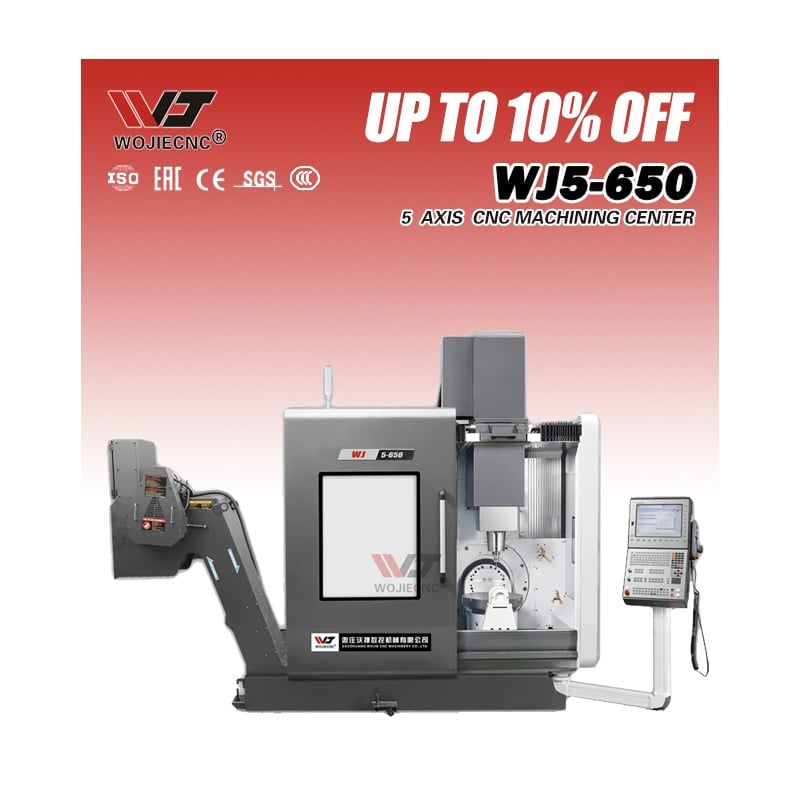
Advanced machining center configurations now offer four-axis and five-axis simultaneous motion, opening up geometry that would be impossible or prohibitively expensive to achieve on conventional three-axis equipment. By tilting and rotating the workpiece or the spindle head, a five-axis machining center reaches undercut surfaces, compound angles, and curved contours in a single setup, eliminating the repositioning errors that accumulate when parts must be manually re-fixtured between operations. This capability is particularly valuable for aerospace structural parts, turbine blades, orthopedic implants, and complex mold cavities where surface finish and dimensional accuracy on multiple faces are non-negotiable. Investing in a multi-axis machining center also reduces the total number of fixtures a shop needs to stock, lowers work-in-process inventory, and compresses delivery lead times, giving manufacturers a meaningful advantage when quoting complex precision components against competitors still relying on older machining approaches.
CNC Precision Delivers Consistent Quality

CNC Precision Delivers Consistent Quality

At the heart of every modern machining center is a sophisticated CNC controller that translates digital design files into precise, repeatable tool movements. Unlike manual machining, where operator skill and fatigue introduce variability, the machining center executes identical toolpaths on every single part across an entire production run. Servo-driven axes, linear scales, and thermal compensation algorithms work together to maintain positional accuracy within a few microns even as the machine warms up during extended operation. For manufacturers supplying industries with strict quality requirements, this consistency means fewer scrapped parts, lower inspection costs, and stronger customer confidence. The CNC platform also supports in-process measurement probing, where the machining center pauses to verify critical dimensions and automatically adjusts offsets if drift is detected, creating a self-correcting quality loop that keeps production on specification without slowing throughput. This integrated precision is what separates a modern machining center from legacy machine tools.
Precision Machining Center Solutions

Get a Free Quote

Our representative will contact you soon.
Email
Mobile/WhatsApp
Name
Company Name
Message
0/1000
email goToTop