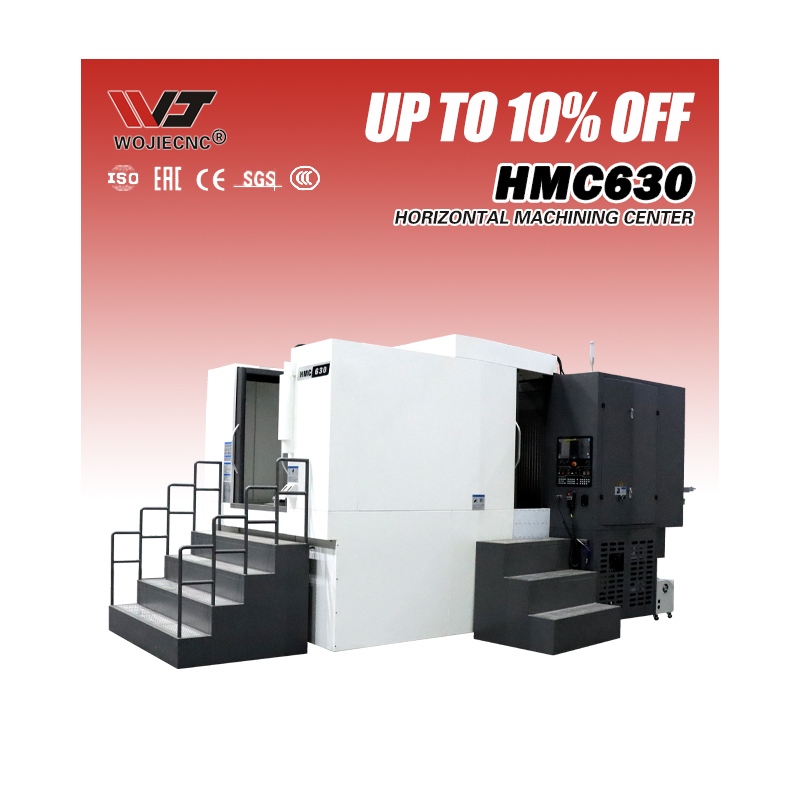
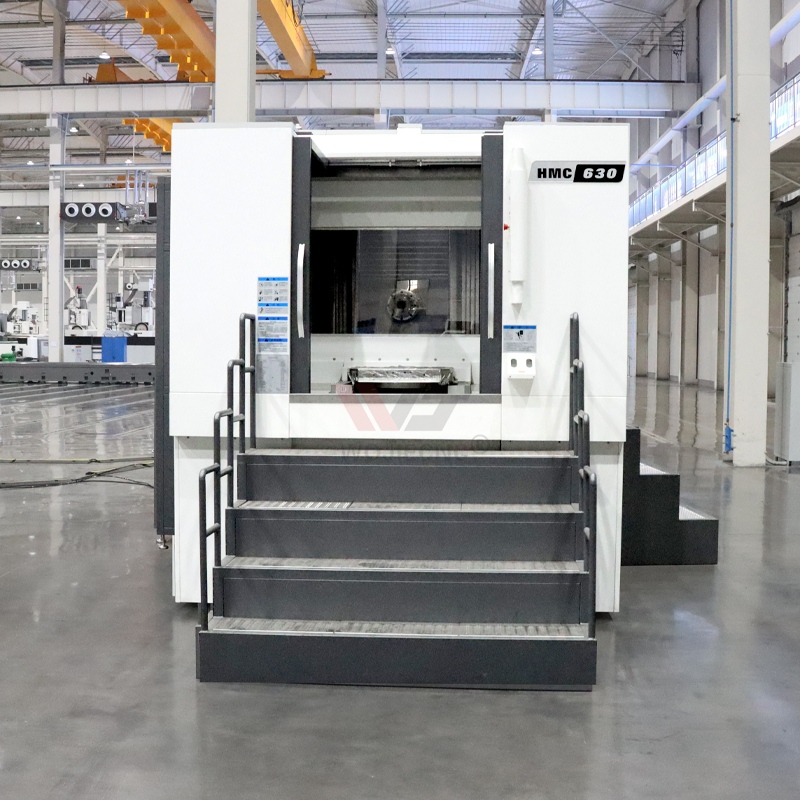
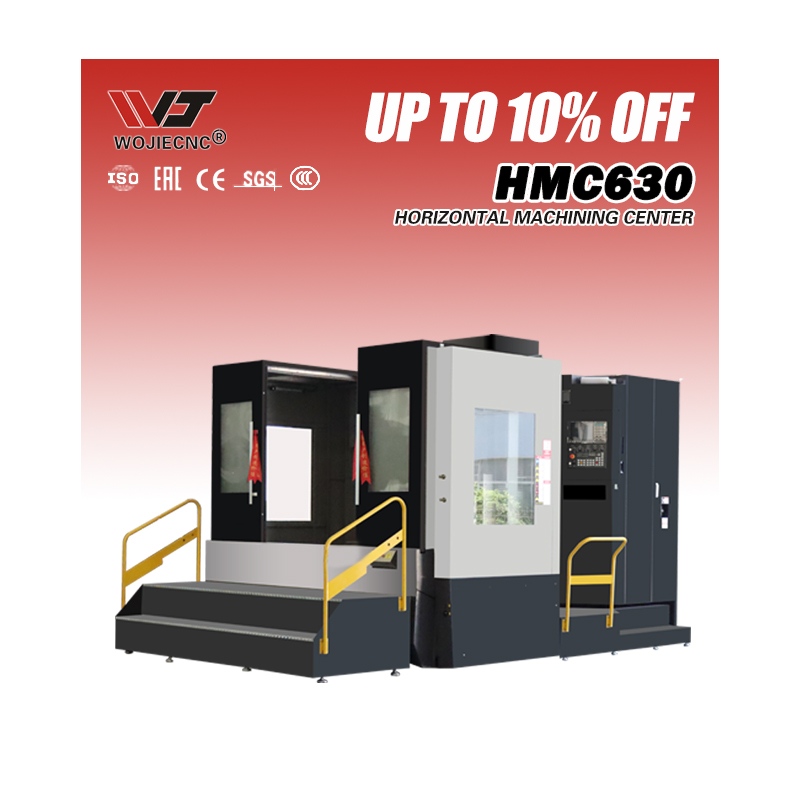
Horizontal Machining Center: Advanced Multi-Axis CNC Manufacturing Solutions

Get a Free Quote

Our representative will contact you soon.
Email
Mobile/WhatsApp
Name
Company Name
Message
0/1000

horizontal machining center

The horizontal machining center represents a pinnacle of precision manufacturing technology, designed to deliver exceptional performance in complex metalworking operations. This sophisticated machine tool features a horizontally oriented spindle that rotates parallel to the floor, distinguishing it from vertical machining centers and offering unique operational advantages. The horizontal machining center incorporates advanced computer numerical control systems that enable precise automation of cutting, drilling, milling, and boring operations across multiple workpiece faces without manual repositioning. The machine's robust construction includes a heavy-duty base structure that provides superior stability during high-speed operations, minimizing vibrations that could compromise surface finish quality. Modern horizontal machining centers integrate automatic pallet changers that facilitate continuous production by allowing operators to load new workpieces while the machine processes current parts. The spindle system delivers exceptional torque and power, enabling efficient material removal rates across various metals including steel, aluminum, titanium, and exotic alloys. These machines feature extensive tool magazines that can accommodate dozens of cutting tools, enabling complex multi-operation sequences without interruption. The horizontal configuration allows gravity to assist in chip evacuation, preventing accumulation around the cutting zone and maintaining optimal cutting conditions. Advanced coolant systems provide precise lubrication and temperature control, extending tool life and improving surface finishes. The horizontal machining center's work envelope typically offers substantial travel distances in all axes, accommodating large workpieces and enabling machining of multiple surfaces in a single setup. Integrated measurement systems and probe technology enable real-time quality control, ensuring dimensional accuracy throughout production runs. These machines excel in processing prismatic parts, complex housings, engine blocks, transmission cases, and aerospace components that require multiple machining operations with tight tolerances and superior surface quality.

Popular Products

The horizontal machining center delivers substantial productivity improvements that directly impact manufacturing efficiency and profitability. These machines reduce setup times significantly by enabling multiple operations on various workpiece surfaces without repositioning, eliminating the need for multiple machine setups and reducing handling time. The horizontal spindle orientation provides superior chip evacuation through gravity assistance, preventing chip accumulation that can cause tool wear, surface defects, and dimensional inaccuracies. This natural chip removal capability maintains cleaner cutting conditions and extends tool life substantially compared to vertical configurations. The robust horizontal design offers enhanced rigidity and stability during heavy cutting operations, enabling higher material removal rates while maintaining dimensional precision. Automatic pallet changers integrated into most horizontal machining centers enable continuous production by allowing operators to prepare workpieces offline while the machine operates, maximizing utilization rates and reducing labor costs. The horizontal configuration provides better access to workpiece surfaces, particularly for complex geometries requiring multi-axis machining operations. Tool life improvements result from optimal chip evacuation and superior coolant access to cutting zones, reducing replacement frequency and associated downtime. The horizontal machining center's ability to process multiple part orientations in a single setup eliminates accumulation of setup tolerances, improving overall part accuracy and reducing scrap rates. Large tool magazines accommodate comprehensive tool sets, enabling complete part processing without tool changes and reducing cycle times. The machine's heavy-duty construction provides excellent dampening characteristics, enabling higher cutting speeds and feeds while maintaining surface finish quality. Automated measurement capabilities integrated into many horizontal machining centers enable real-time quality monitoring, reducing inspection time and ensuring consistent part quality. The horizontal design facilitates integration with automation systems including robotic loading, conveyor systems, and flexible manufacturing cells, enabling lights-out production capabilities. These advantages translate into reduced per-part costs, improved delivery times, enhanced quality consistency, and increased manufacturing flexibility that directly benefit customer operations and competitiveness.

Tips And Tricks

Zaozhuang Wojie CNC Machinery Co., Ltd.: 30+ Years of CNC Mastery, Your Global Trusted Partner

03

Nov

Zaozhuang Wojie CNC Machinery Co., Ltd.: 30+ Years of CNC Mastery, Your Global Trusted Partner

View More
Wojie CNC Shines at International Machine Tool Exhibitions: Forging Global Partnerships with CNC Expertise

30

Oct

Wojie CNC Shines at International Machine Tool Exhibitions: Forging Global Partnerships with CNC Expertise

View More
Wojie CNC Hot-Selling Machines: Full-Scene Precision Machining Solutions for Global Manufacturers

30

Oct

Wojie CNC Hot-Selling Machines: Full-Scene Precision Machining Solutions for Global Manufacturers

View More

Get a Free Quote

Our representative will contact you soon.
Email
Mobile/WhatsApp
Name
Company Name
Message
0/1000

horizontal machining center

Superior Chip Management and Tool Life Enhancement

Superior Chip Management and Tool Life Enhancement

The horizontal machining center's most distinctive advantage lies in its revolutionary approach to chip management through gravity-assisted evacuation systems that fundamentally transform manufacturing efficiency. The horizontal spindle orientation creates a natural downward chip flow that prevents accumulation around cutting tools and workpieces, a critical factor that significantly impacts both tool performance and part quality. Traditional vertical machining centers often struggle with chip removal, particularly during deep cavity machining or high-volume material removal operations, where chips can pack around tools causing heat buildup, tool breakage, and poor surface finishes. The horizontal configuration eliminates these issues by allowing chips to fall away naturally from the cutting zone, maintaining optimal cutting conditions throughout the machining cycle. This superior chip evacuation capability directly translates to extended tool life, often increasing cutting tool longevity by 30-50% compared to vertical alternatives. The enhanced tool life results from reduced heat generation, minimized tool wear from chip contact, and improved coolant access to cutting edges. Coolant systems in horizontal machining centers operate more effectively because they can deliver lubricant directly to cutting zones without interference from accumulated chips, providing better temperature control and lubrication. The horizontal design also enables more effective high-pressure coolant applications, particularly beneficial for difficult-to-machine materials like titanium, Inconel, and hardened steels. Operators experience fewer tool changes, reduced setup interruptions, and more predictable tool wear patterns, enabling better production planning and cost control. The improved chip management system also contributes to better workplace safety by reducing manual chip removal requirements and minimizing slip hazards from accumulated chips around machines. Quality improvements are immediately apparent through enhanced surface finishes, improved dimensional accuracy, and reduced part rejection rates, creating a comprehensive advantage that affects every aspect of the manufacturing process.
Multi-Surface Machining Capability and Setup Reduction

Multi-Surface Machining Capability and Setup Reduction

The horizontal machining center revolutionizes manufacturing efficiency through its exceptional multi-surface machining capabilities that eliminate traditional setup limitations and dramatically reduce production time. This advanced capability stems from the machine's ability to access four or five workpiece surfaces in a single setup, depending on the specific configuration and workholding systems employed. Traditional machining approaches often require multiple setups, part repositioning, and transfer between different machines to complete complex components, each transition introducing potential errors and consuming valuable production time. The horizontal machining center addresses these challenges by incorporating sophisticated rotary tables, indexing systems, and flexible workholding solutions that enable complete part processing without manual intervention. The machine can execute operations on front, back, and side surfaces of workpieces while maintaining precise positional relationships between features, ensuring optimal accuracy and eliminating tolerance stack-up issues common in multi-setup operations. This capability proves particularly valuable for complex prismatic parts such as automotive transmission housings, aerospace structural components, and hydraulic valve bodies that require intricate internal passages, precision bores, and multiple threaded connections across various surfaces. The horizontal configuration facilitates access to workpiece undersides and angled surfaces that would be difficult or impossible to reach with vertical machining centers without extensive part repositioning. Advanced horizontal machining centers incorporate five-axis capabilities that further expand surface access, enabling compound angle machining, complex contouring, and sculptured surface creation in single setups. The setup reduction benefits extend beyond time savings to include improved part accuracy, reduced handling damage risk, and eliminated setup variation between production runs. Quality consistency improves significantly because all machining operations reference the same coordinate system and workholding arrangement, ensuring repeatable dimensional relationships between features. Production scheduling becomes more predictable and flexible because complete parts can be processed in known timeframes without dependencies on multiple machine availability or operator intervention for setup changes.
Heavy-Duty Construction and High-Performance Capabilities

Heavy-Duty Construction and High-Performance Capabilities

The horizontal machining center's robust construction foundation represents a critical engineering advantage that enables superior performance in demanding manufacturing applications requiring exceptional precision, power, and reliability. The machine's heavy-duty base structure incorporates massive castings, reinforced with internal ribbing patterns that provide outstanding rigidity and vibration dampening characteristics essential for maintaining accuracy during aggressive machining operations. This substantial construction approach contrasts sharply with lighter machine designs that may compromise performance when processing large workpieces or executing high material removal operations. The horizontal configuration naturally distributes cutting forces more favorably through the machine structure, with the spindle thrust directed into the machine's most rigid elements rather than creating cantilever loading conditions common in vertical designs. This structural advantage enables the horizontal machining center to maintain dimensional accuracy even during heavy roughing operations that generate substantial cutting forces. The spindle systems incorporated in horizontal machining centers typically deliver exceptional torque output and power ratings, often exceeding 50 horsepower with torque capabilities that enable efficient machining of difficult materials including hardened steels, titanium alloys, and superalloys used in aerospace applications. The substantial thermal mass of the heavy construction provides excellent temperature stability, minimizing thermal growth effects that can compromise dimensional accuracy during extended production runs. Advanced horizontal machining centers incorporate sophisticated temperature compensation systems and thermal management features that further enhance stability and precision. The machine's substantial construction enables integration of large tool magazines, often accommodating 60 to 200 tools or more, facilitating complex manufacturing processes without interruption for tool changes. The robust design also supports high-speed spindle systems that can operate at 15,000 RPM or higher while maintaining exceptional precision, enabling efficient machining of aluminum aerospace components and other applications requiring high surface speeds. Feed system capabilities benefit from the solid construction, with rapid traverse rates exceeding 1,000 inches per minute and positioning accuracy measured in tenths of thousandths of inches. This combination of power, precision, and reliability makes the horizontal machining center ideal for critical applications in aerospace, automotive, energy, and medical device manufacturing where component quality and production efficiency directly impact operational success.
Horizontal Machining Center: Advanced Multi-Axis CNC Manufacturing Solutions

Get a Free Quote

Our representative will contact you soon.
Email
Mobile/WhatsApp
Name
Company Name
Message
0/1000
email goToTop