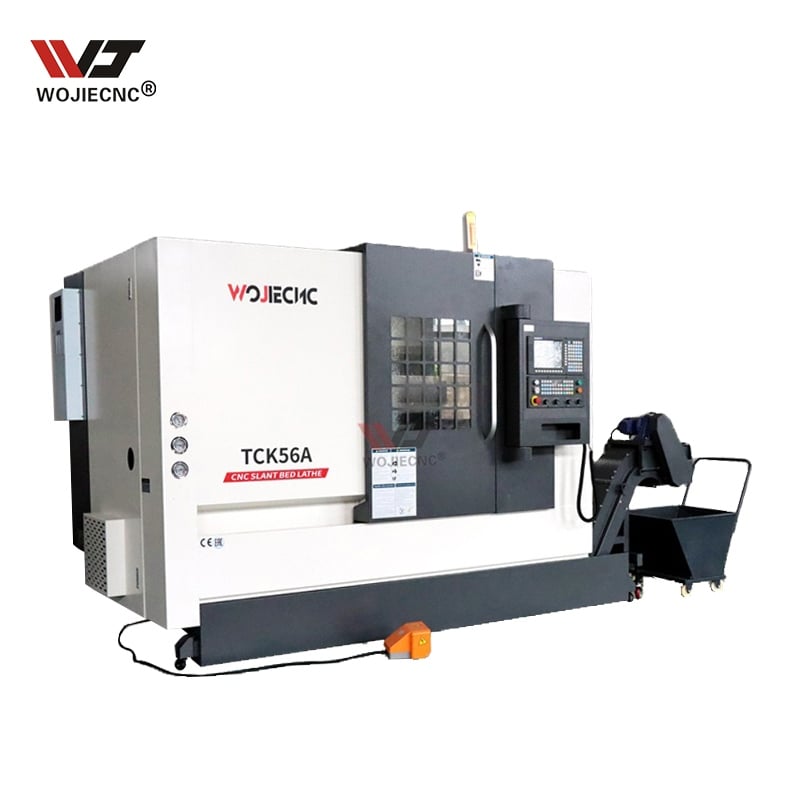
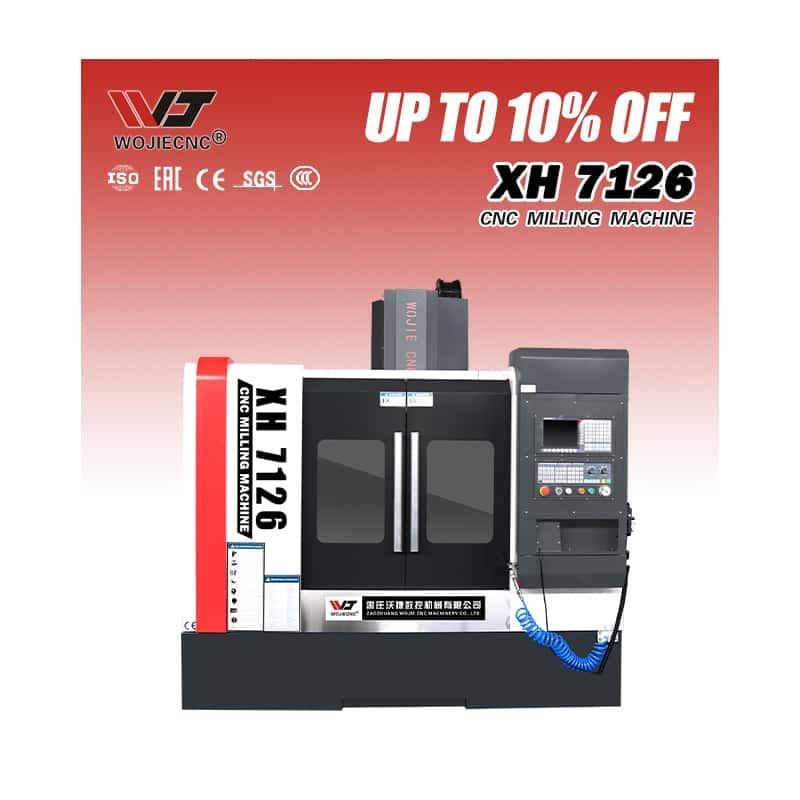
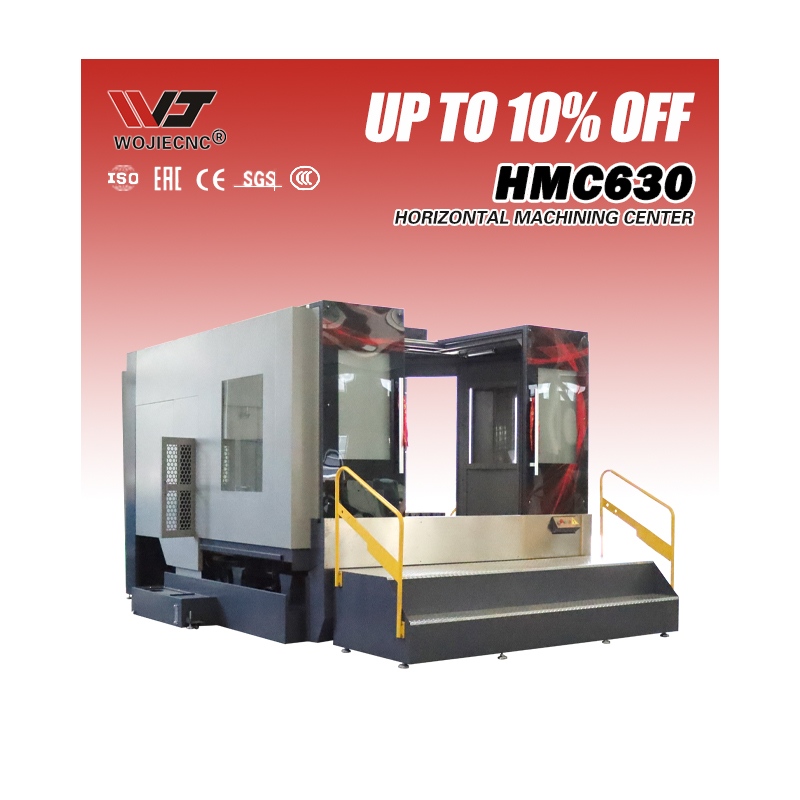
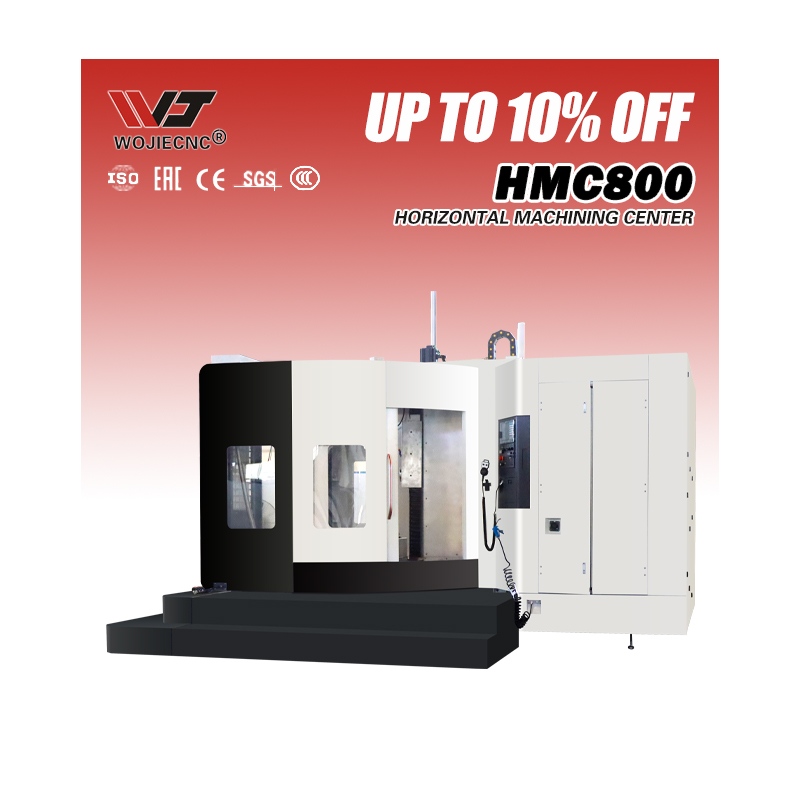
Compact Horizontal Machining Center: Advanced Precision Manufacturing Solutions

Get a Free Quote

Our representative will contact you soon.
Email
Mobile/WhatsApp
Name
Company Name
Message
0/1000

compact horizontal machining center

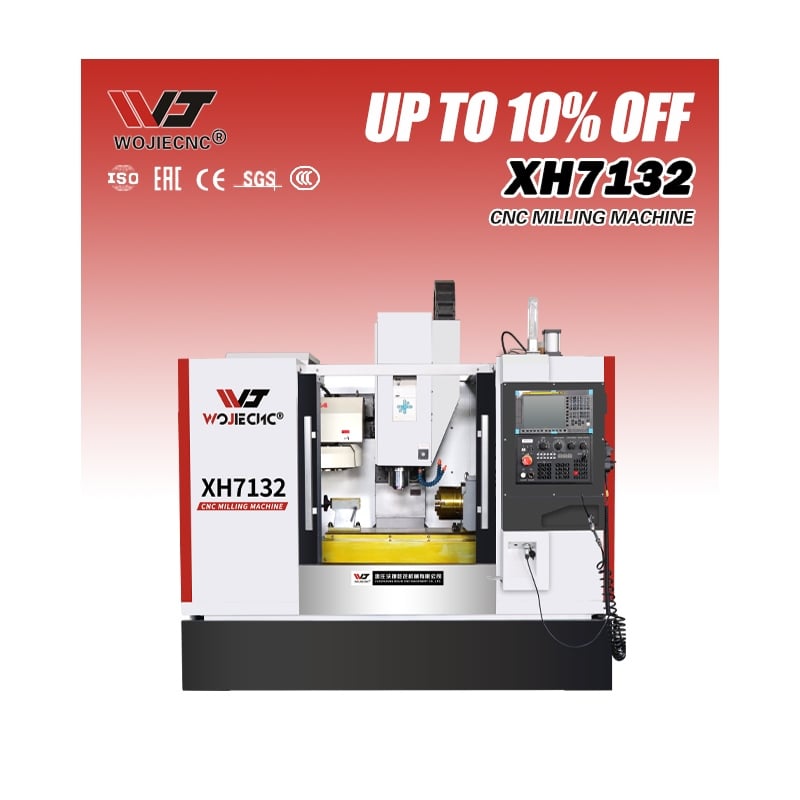
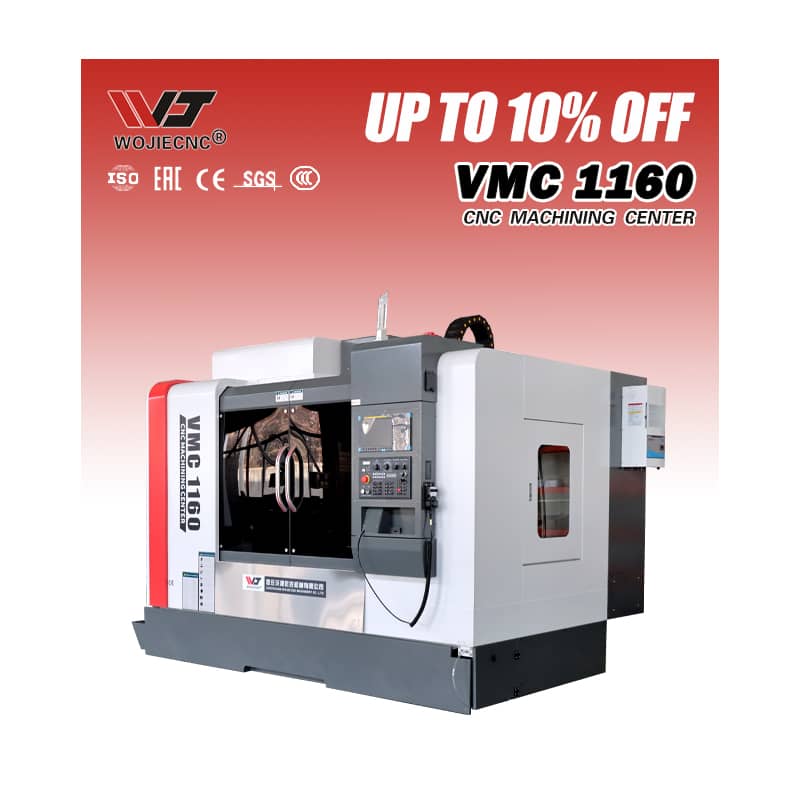
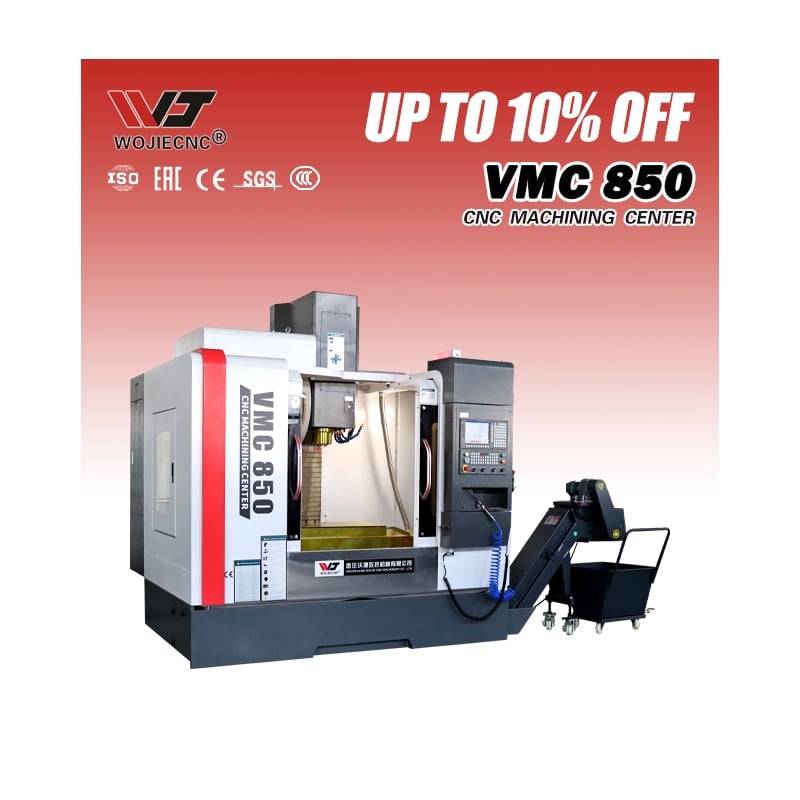
A compact horizontal machining center represents a revolutionary advancement in precision manufacturing technology, designed to deliver exceptional performance while maintaining a smaller footprint than traditional horizontal machining systems. This sophisticated equipment combines the operational advantages of horizontal spindle orientation with space-efficient engineering, making it an ideal solution for manufacturers seeking to optimize their production capabilities without compromising on floor space. The compact horizontal machining center features a horizontal spindle configuration that enables superior chip evacuation and enhanced tool accessibility compared to vertical alternatives. This design allows operators to machine complex workpieces from multiple angles during a single setup, significantly reducing handling time and improving overall productivity. The horizontal orientation facilitates gravity-assisted chip removal, preventing chip buildup that could potentially damage both the workpiece and cutting tools. Modern compact horizontal machining centers incorporate advanced control systems that support sophisticated programming capabilities, enabling precise execution of complex machining operations. These systems typically feature high-resolution encoders, servo-driven axes, and intelligent feedback mechanisms that ensure consistent accuracy across extended production runs. The machines are equipped with automatic tool changers that can accommodate various cutting implements, allowing for seamless transitions between different machining operations without manual intervention. Key technological features include rigid construction using premium materials such as cast iron or welded steel frames that provide exceptional vibration dampening and thermal stability. The compact design does not compromise structural integrity, as manufacturers employ innovative engineering techniques to maximize rigidity while minimizing overall dimensions. Advanced spindle designs deliver high torque and speed capabilities, enabling efficient processing of diverse materials ranging from aluminum and steel to exotic alloys. Applications span multiple industries including aerospace, automotive, medical device manufacturing, and precision component production. The compact horizontal machining center excels in producing complex parts requiring tight tolerances, such as engine blocks, transmission components, surgical instruments, and intricate molds. Its versatility makes it particularly valuable for job shops and small to medium-sized manufacturers who need flexible machining solutions that can adapt to varying production requirements while maintaining consistent quality standards.

New Products

The compact horizontal machining center delivers substantial operational benefits that directly impact manufacturing efficiency and profitability. Space optimization stands as a primary advantage, allowing manufacturers to maximize their production capacity within limited floor space. Unlike larger horizontal machining systems, these compact units require significantly less facility space while maintaining comparable machining capabilities, making them perfect for smaller shops or facilities looking to expand their capabilities without relocating. This space efficiency translates to reduced facility costs and improved workflow organization. Enhanced productivity emerges through the horizontal spindle configuration, which enables superior chip evacuation compared to vertical machining centers. Gravity naturally assists in removing chips from the cutting zone, preventing chip rewelding and extending tool life substantially. This improved chip management reduces machine downtime for cleaning and maintenance while ensuring consistent surface finishes across production runs. The horizontal orientation also provides better access for coolant delivery, ensuring optimal cutting conditions that further enhance productivity and part quality. Reduced setup time represents another significant advantage, as the horizontal design allows operators to access workpieces from multiple sides without repositioning. This accessibility enables complex multi-sided machining operations in a single setup, eliminating the need for multiple machine transfers and reducing potential positioning errors. The time savings from reduced setups directly improves throughput and reduces labor costs while maintaining higher accuracy standards. Cost effectiveness becomes apparent through improved tool utilization and extended tool life. The horizontal machining center design promotes more efficient cutting conditions, reducing tool wear and replacement frequency. Additionally, the ability to perform multiple operations in one setup reduces per-piece machining costs and improves overall equipment effectiveness. Lower maintenance requirements compared to larger systems result in reduced operational expenses and higher machine availability. Quality improvements stem from the enhanced rigidity and stability inherent in compact horizontal machining center designs. The horizontal configuration provides better support for heavy workpieces, reducing deflection and vibration that can compromise dimensional accuracy. This stability ensures consistent part quality across production runs, reducing scrap rates and improving customer satisfaction. The precision capabilities make these machines ideal for applications requiring tight tolerances and superior surface finishes. Energy efficiency represents an often-overlooked advantage, as compact horizontal machining centers typically consume less power than larger alternatives while delivering comparable performance. This efficiency reduces operational costs and supports sustainability initiatives. The smaller thermal mass also means faster warm-up times, enabling quicker production starts and improved scheduling flexibility.

Latest News

Zaozhuang Wojie CNC Machinery Co., Ltd.: 30+ Years of CNC Mastery, Your Global Trusted Partner

03

Nov

Zaozhuang Wojie CNC Machinery Co., Ltd.: 30+ Years of CNC Mastery, Your Global Trusted Partner

View More
Wojie CNC Shines at International Machine Tool Exhibitions: Forging Global Partnerships with CNC Expertise

30

Oct

Wojie CNC Shines at International Machine Tool Exhibitions: Forging Global Partnerships with CNC Expertise

View More
Wojie CNC Hot-Selling Machines: Full-Scene Precision Machining Solutions for Global Manufacturers

30

Oct

Wojie CNC Hot-Selling Machines: Full-Scene Precision Machining Solutions for Global Manufacturers

View More

Get a Free Quote

Our representative will contact you soon.
Email
Mobile/WhatsApp
Name
Company Name
Message
0/1000

compact horizontal machining center

Advanced Spindle Technology and Performance Capabilities

Advanced Spindle Technology and Performance Capabilities

The compact horizontal machining center incorporates cutting-edge spindle technology that delivers exceptional performance across diverse machining applications. The horizontal spindle design provides optimal rigidity and thermal stability, enabling consistent high-precision operations even under demanding cutting conditions. Modern spindle systems feature advanced bearing configurations, often utilizing ceramic or hybrid bearings that offer superior speed capabilities while maintaining extended service life. These spindles typically operate at speeds ranging from 8,000 to 15,000 RPM, with some specialized units achieving even higher rotational speeds for specific applications. The horizontal orientation allows for larger spindle designs within the compact footprint, providing increased torque output compared to similarly sized vertical systems. This enhanced torque capability enables efficient machining of harder materials and allows for more aggressive cutting parameters, directly improving productivity. The spindle cooling systems are engineered to maintain optimal operating temperatures, preventing thermal growth that could compromise machining accuracy. Advanced temperature monitoring and compensation systems ensure consistent dimensional control throughout extended production runs. The direct-drive spindle designs eliminate belt-driven systems, reducing vibration and improving surface finish quality while minimizing maintenance requirements. Tool holding systems integrated with these spindles accommodate various tooling standards, including HSK, CAT, and BT interfaces, providing flexibility for different application requirements. The spindle's horizontal configuration also facilitates superior chip evacuation, as gravity assists in removing chips from the cutting zone, preventing chip rewelding and maintaining optimal cutting conditions. This natural chip flow reduces the risk of workpiece damage and extends tool life significantly. Furthermore, the horizontal spindle design enables better coolant delivery to the cutting zone, ensuring effective heat dissipation and lubrication during machining operations. The spindle housing is constructed from high-grade materials that provide excellent vibration dampening properties, contributing to superior surface finishes and dimensional accuracy. Integrated sensors monitor spindle condition in real-time, providing predictive maintenance capabilities that minimize unexpected downtime and optimize operational efficiency. The compact horizontal machining center spindle technology represents a perfect balance of performance, reliability, and efficiency, making it an invaluable asset for precision manufacturing operations.
Intelligent Control Systems and Automation Integration

Intelligent Control Systems and Automation Integration

The compact horizontal machining center features sophisticated control systems that revolutionize manufacturing efficiency through intelligent automation and advanced programming capabilities. These systems incorporate state-of-the-art CNC controllers that support complex multi-axis interpolation, enabling simultaneous movement across multiple axes for efficient machining of intricate geometries. The control platform typically features user-friendly interfaces with high-resolution touchscreen displays that simplify operation and programming tasks. Advanced programming languages and conversational programming options make these systems accessible to operators with varying skill levels while maintaining professional-grade capabilities. The intelligent control system includes adaptive machining features that automatically adjust cutting parameters based on real-time feedback from sensors monitoring cutting forces, vibration, and tool condition. This adaptive capability optimizes machining performance while protecting both the workpiece and cutting tools from damage due to unexpected conditions. The system continuously monitors spindle load, axis positions, and various operational parameters to ensure optimal performance and prevent potential issues before they occur. Integration capabilities allow seamless connection with existing manufacturing systems, including ERP software, quality management systems, and production scheduling platforms. This connectivity enables real-time data exchange that improves production planning and quality control processes. The compact horizontal machining center control system supports Industry 4.0 initiatives through IoT connectivity, enabling remote monitoring and diagnostics that enhance operational efficiency. Automated features include tool wear compensation, thermal compensation, and workpiece measurement systems that maintain consistent quality without operator intervention. The control system manages complex tool libraries and automatically selects appropriate cutting parameters based on material properties and machining requirements. Advanced simulation capabilities allow operators to verify programs before execution, reducing setup time and minimizing the risk of collisions or programming errors. The system also supports lights-out manufacturing through automated pallet changing systems and comprehensive monitoring capabilities that ensure safe unattended operation. Predictive maintenance features analyze operational data to forecast component wear and schedule maintenance activities proactively, minimizing unexpected downtime. The intuitive programming interface includes graphical programming options, macro capabilities, and customizable operator screens that enhance productivity and reduce training requirements. These intelligent control systems transform the compact horizontal machining center into a highly efficient, autonomous manufacturing solution that delivers consistent results while minimizing operational complexity.
Versatile Workholding and Multi-Axis Machining Capabilities

Versatile Workholding and Multi-Axis Machining Capabilities

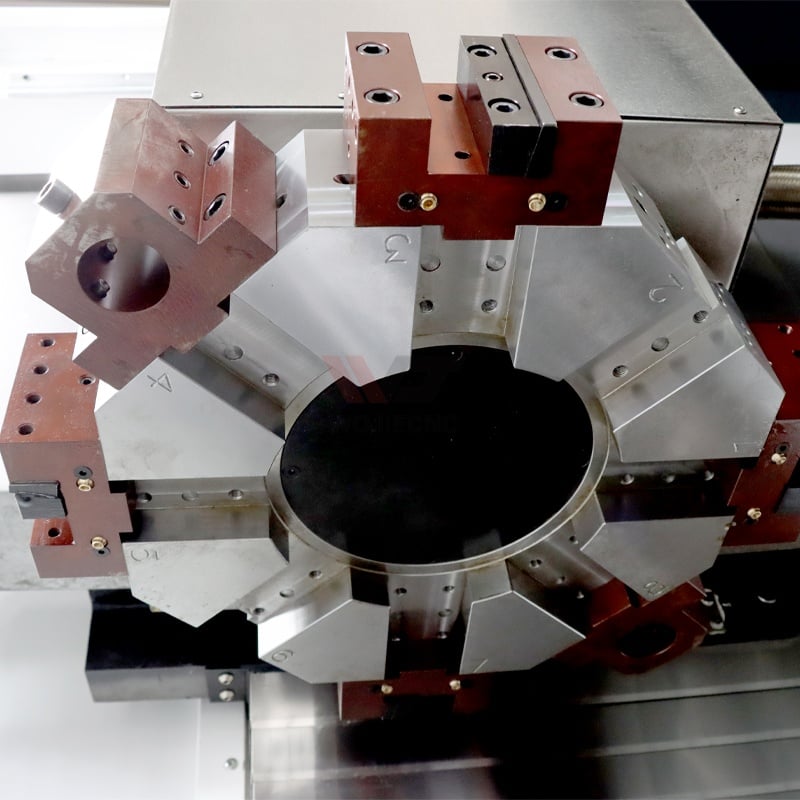
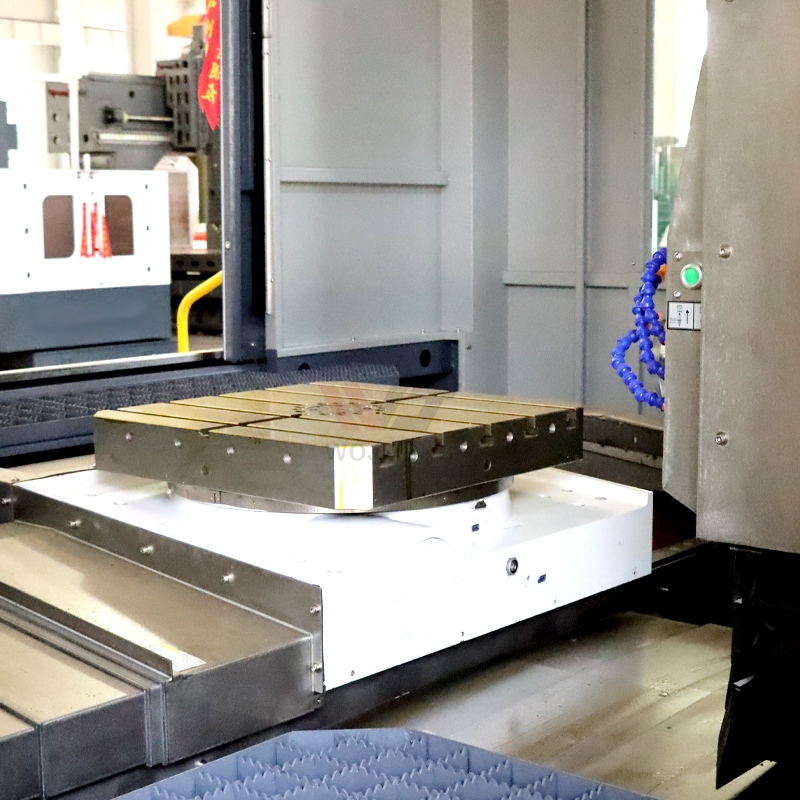
The compact horizontal machining center excels in versatile workholding solutions and multi-axis machining capabilities that enable complex part production with exceptional efficiency. The horizontal configuration provides superior accessibility to workpieces from multiple angles, allowing for comprehensive machining operations in a single setup that would typically require multiple machines or extensive repositioning. The standard workholding systems include rotary tables, indexing heads, and custom fixture solutions that accommodate diverse part geometries and sizes. These systems are engineered to provide exceptional rigidity and accuracy, ensuring consistent positioning throughout machining operations. The horizontal orientation allows for larger and heavier workpieces to be supported more effectively than vertical alternatives, as gravity assists in workpiece stability rather than creating deflection forces. Multi-axis capabilities typically include simultaneous 4-axis or 5-axis machining, enabling the production of complex geometries with undercuts, angled features, and intricate surface profiles. The additional rotary axes are precision-engineered with high-resolution encoders and servo-driven mechanisms that maintain positioning accuracy within arc-seconds. This precision enables the machining of aerospace components, medical implants, and complex molds that require exceptional dimensional control and surface finish quality. The workholding flexibility extends to accommodate various clamping methods, including mechanical clamping, hydraulic workholding, and vacuum fixtures for thin-walled or delicate components. Quick-change pallet systems enable efficient job changeovers, reducing setup time and improving machine utilization rates. These pallet systems maintain exceptional repeatability, ensuring consistent part quality across production runs. The compact horizontal machining center workholding design also facilitates efficient chip evacuation around complex workpiece geometries, maintaining clean cutting conditions throughout the machining process. Advanced workpiece probing systems integrate seamlessly with the control system to verify part positioning, measure features during machining, and provide automatic compensation for any deviations. This integration eliminates manual measurement steps and reduces the potential for human error while improving overall process reliability. The multi-axis capabilities enable manufacturers to consolidate multiple operations onto a single platform, reducing work-in-process inventory and simplifying production scheduling. This consolidation also improves part accuracy by eliminating cumulative errors that can occur when transferring parts between multiple machines. The versatile workholding and multi-axis machining capabilities make the compact horizontal machining center an invaluable asset for manufacturers seeking to improve efficiency while maintaining exceptional quality standards.
Compact Horizontal Machining Center: Advanced Precision Manufacturing Solutions

Get a Free Quote

Our representative will contact you soon.
Email
Mobile/WhatsApp
Name
Company Name
Message
0/1000
email goToTop