cnc horizontal machining center
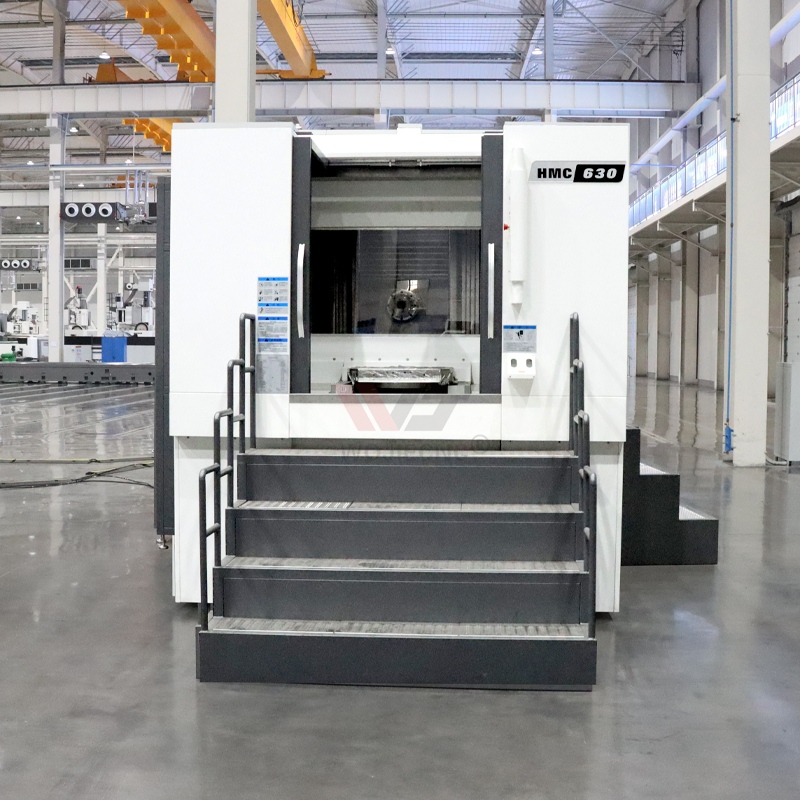
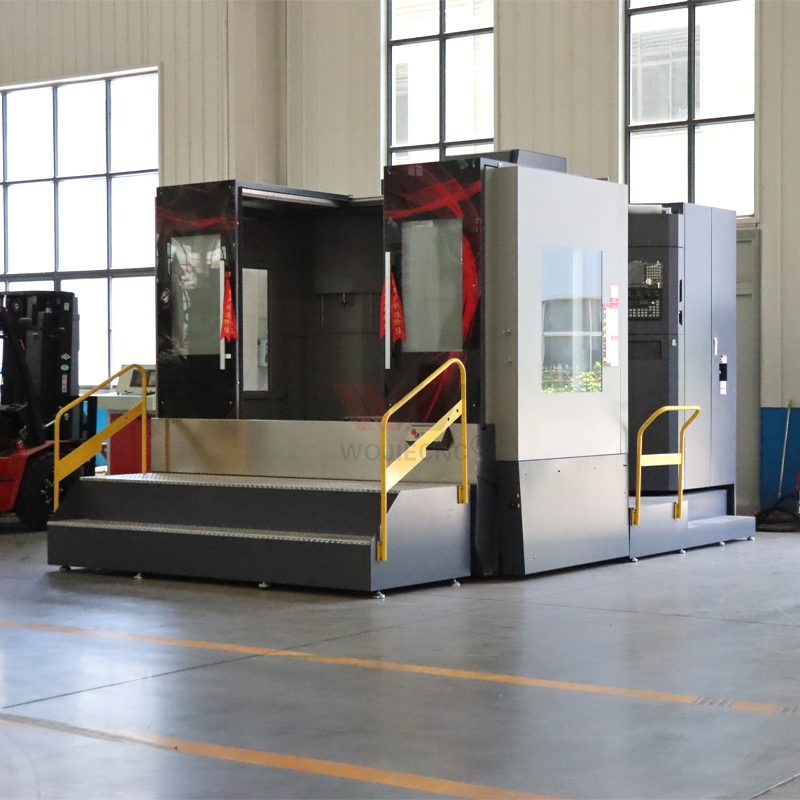
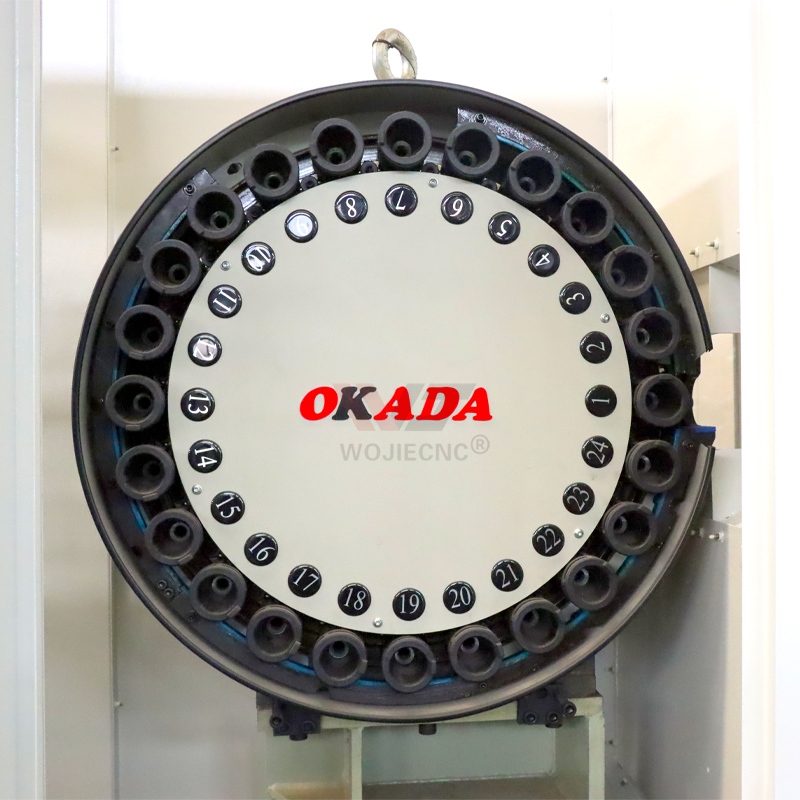
A cnc horizontal machining center is a precision manufacturing machine that positions its spindle horizontally, allowing gravity to assist chip evacuation during cutting operations. Unlike vertical configurations, this layout enables continuous multi-face machining without manual repositioning, making it ideal for complex, high-volume production runs. The cnc horizontal machining center combines computer numerical control technology with a robust horizontal spindle orientation to deliver consistent, repeatable results across demanding industrial applications. Core functions include milling, drilling, boring, tapping, and contouring, all performed with exceptional accuracy on a single workpiece setup. Advanced technological features typically include automatic pallet changers that allow one part to load while another is being machined, high-speed direct-drive spindles delivering torque across a broad RPM range, rotary B-axis tables enabling four-sided access, and multi-axis simultaneous interpolation for complex geometries. Modern systems integrate thermal compensation algorithms, in-process probing, and real-time monitoring to maintain dimensional accuracy throughout extended production cycles. Applications span aerospace structural components, automotive transmission housings, hydraulic manifolds, heavy equipment frames, and medical device enclosures. Industries that require tight tolerances, complex internal features, and high throughput consistently rely on the cnc horizontal machining center as a cornerstone of their production strategy. Whether operating in a flexible manufacturing cell or as a standalone workhorse, this machine delivers the speed, rigidity, and versatility that precision manufacturers need. Its horizontal spindle design, combined with intelligent CNC control, positions it as one of the most capable and productive platforms available in modern machining today.

 EN
EN