5 axis horizontal machining center
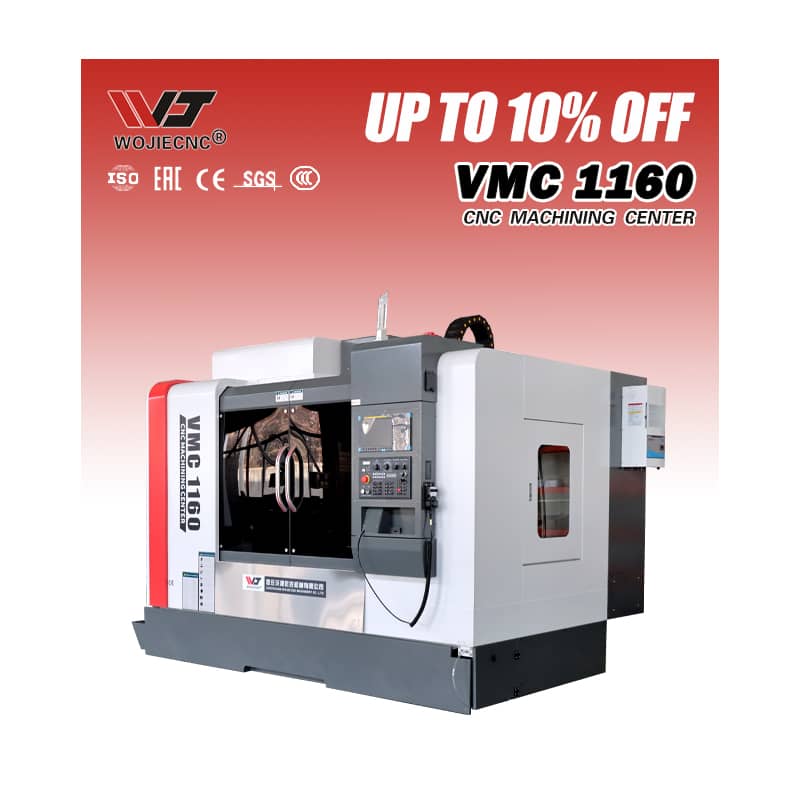
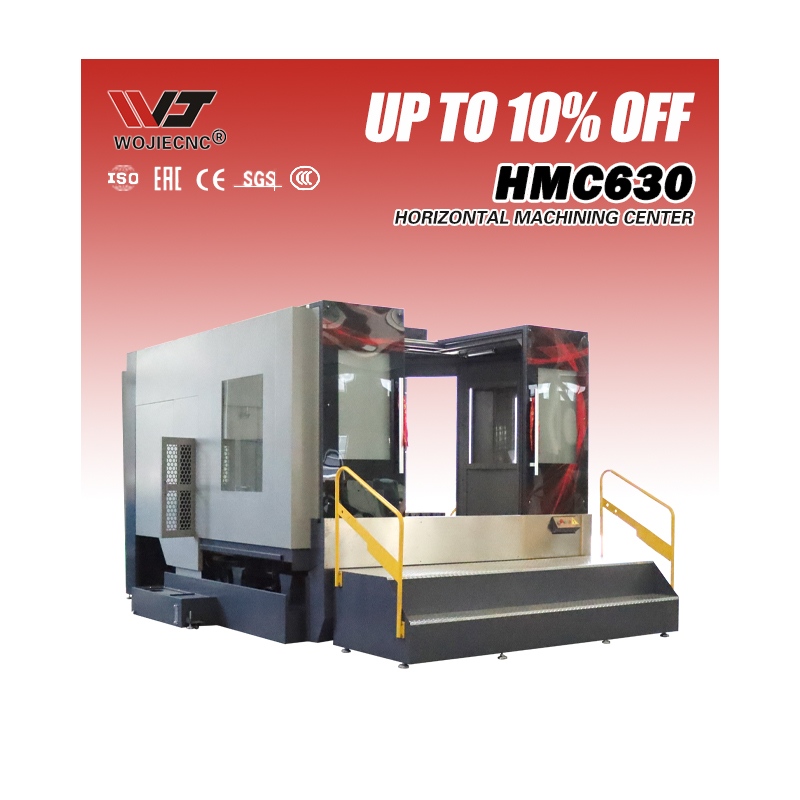
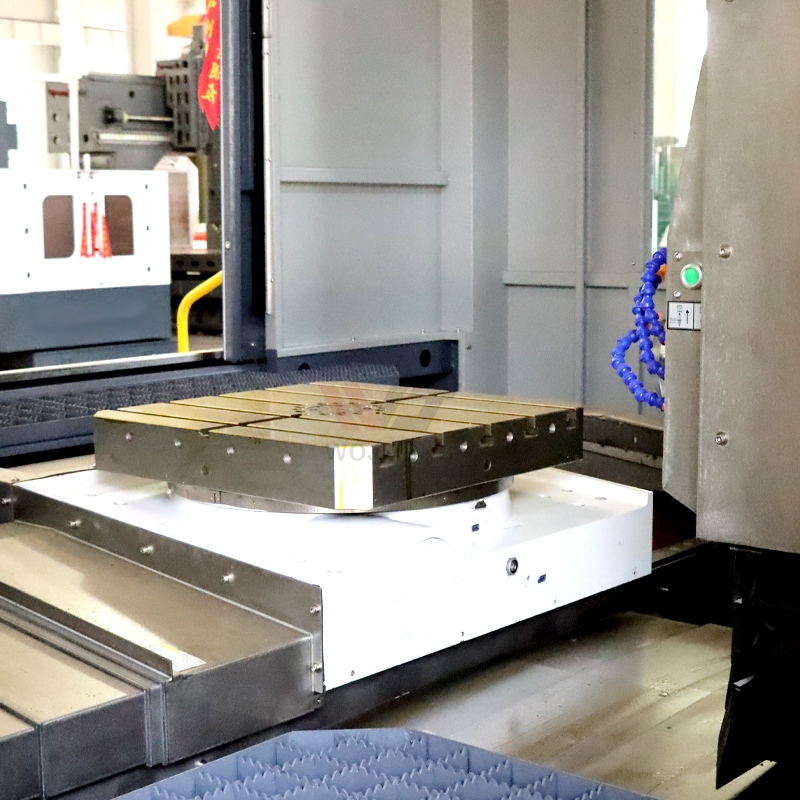
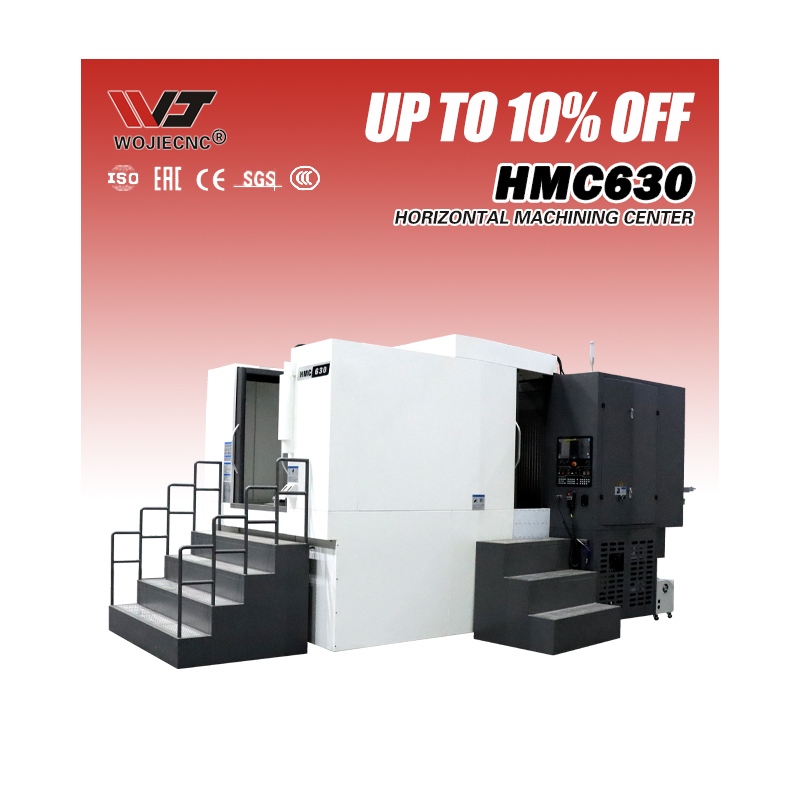
The 5 axis horizontal machining center represents a major leap forward in precision manufacturing technology. Unlike conventional 3-axis machines, this advanced system moves a cutting tool or workpiece along five distinct axes simultaneously, enabling the production of highly complex geometries in a single setup. The horizontal spindle orientation is a defining characteristic, allowing chips to fall away from the workpiece by gravity, which reduces re-cutting and extends tool life significantly. Equipped with a rotary table and tilting spindle or table, the 5 axis horizontal machining center can reach virtually any surface of a part without repositioning, dramatically cutting down cycle times and setup costs. Core functions include high-speed milling, drilling, boring, and contouring of intricate components that would otherwise require multiple machines or manual repositioning. Technologically, these machines incorporate advanced CNC controllers, thermal compensation systems, high-torque spindles, and real-time monitoring capabilities that ensure consistent accuracy across long production runs. Integrated pallet changers further boost productivity by allowing one part to be machined while the next is loaded. Industries such as aerospace, automotive, medical device manufacturing, and energy rely heavily on this technology to meet tight dimensional tolerances and demanding surface finish requirements. The 5 axis horizontal machining center is engineered to handle difficult materials including titanium, Inconel, hardened steel, and aluminum alloys with equal competence. Whether you are producing turbine blades, orthopedic implants, transmission housings, or complex mold components, this machine delivers the accuracy, repeatability, and throughput that modern manufacturing demands, making it an indispensable asset for competitive production environments.

 EN
EN