Precision CNC Metal Milling Services

Get a Free Quote

Our representative will contact you soon.
Email
Mobile/WhatsApp
Name
Company Name
Message
0/1000

cnc metal milling

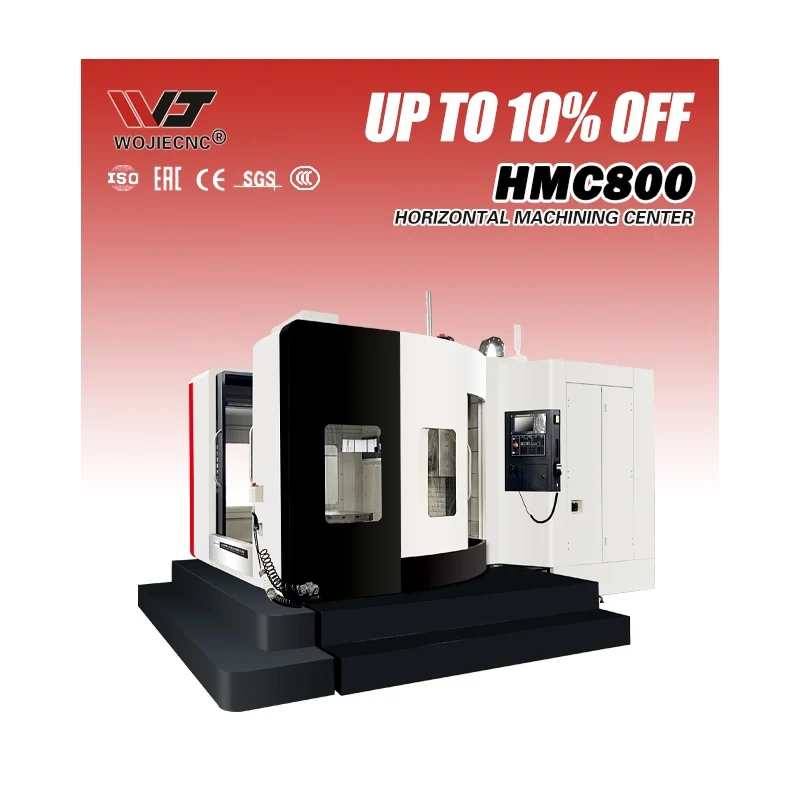
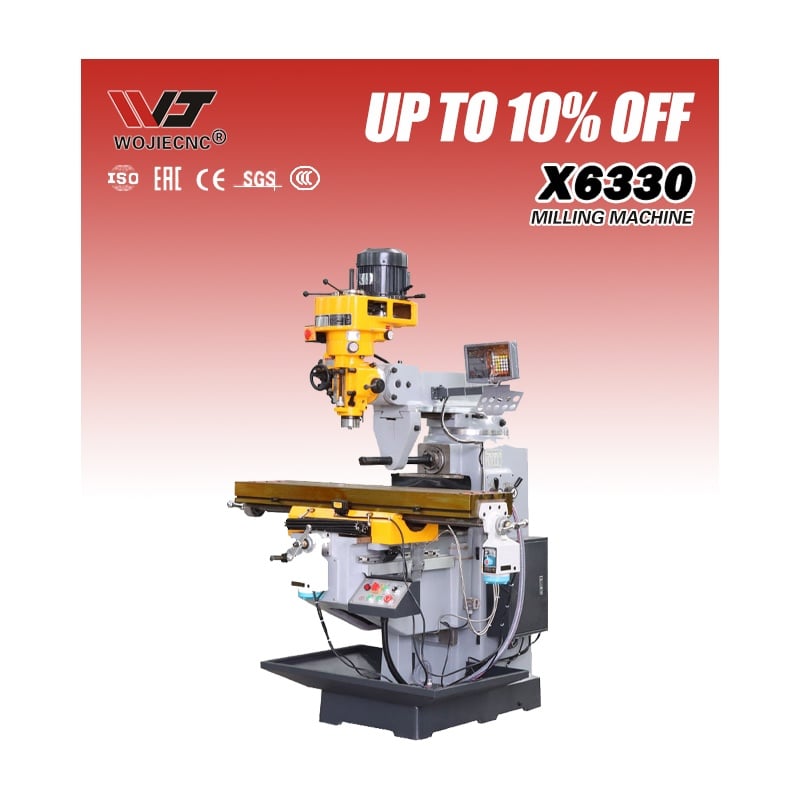
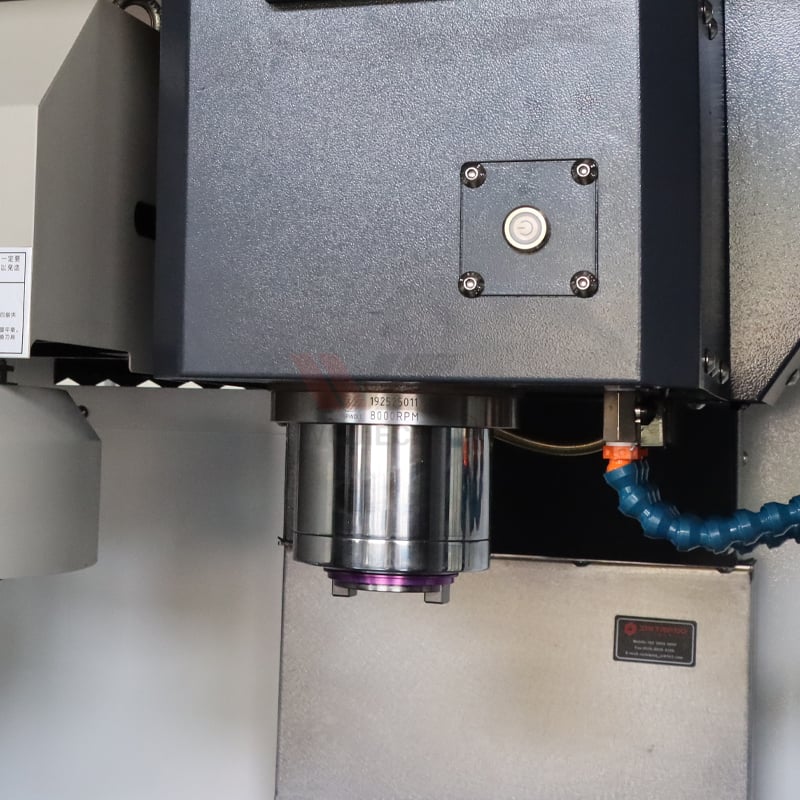
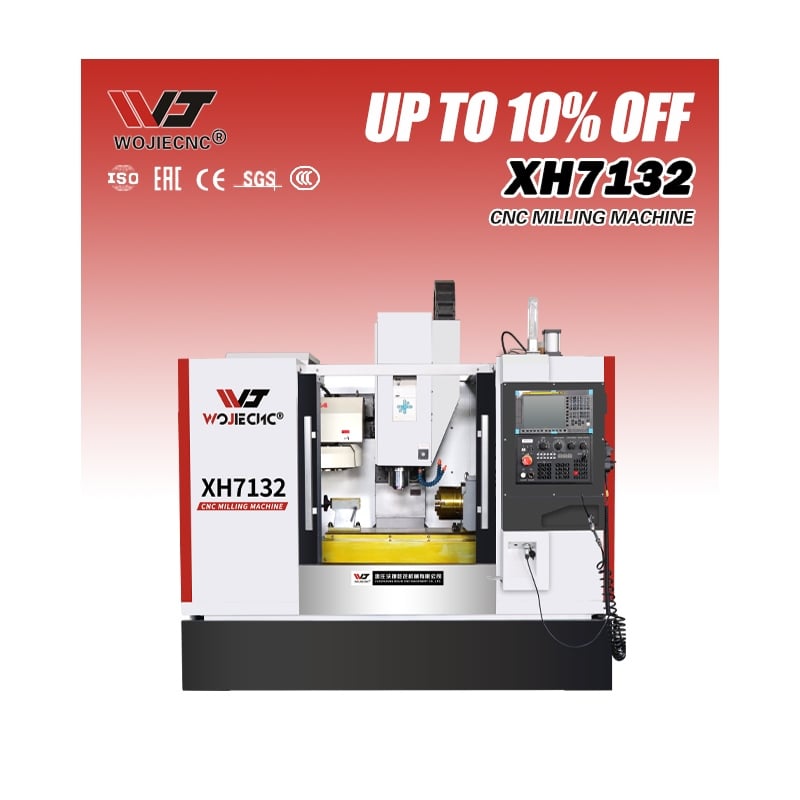
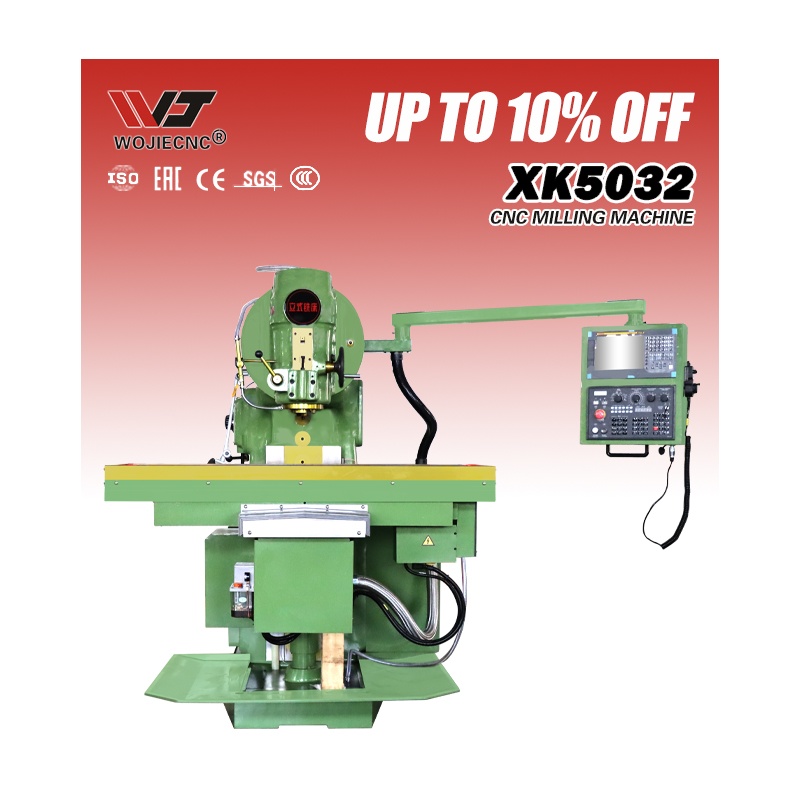
CNC metal milling is a precision manufacturing process that uses computer-controlled cutting tools to remove material from metal workpieces, producing highly accurate components with complex geometries. The process relies on multi-axis machines that interpret digital design files and guide cutting tools along programmed paths, shaping raw metal into finished parts with minimal human intervention. CNC metal milling supports a wide range of metals, including aluminum, steel, titanium, brass, and copper, making it one of the most versatile subtractive manufacturing methods available today. Core functions include face milling, contour milling, slot cutting, drilling, and surface finishing, all executed within tight dimensional tolerances. Technologically, modern CNC metal milling systems integrate high-speed spindles, automatic tool changers, coolant delivery systems, and real-time monitoring software to maximize efficiency and part quality. Five-axis CNC metal milling machines allow cutting from virtually any angle in a single setup, reducing repositioning time and improving geometric accuracy. Applications span aerospace structural components, automotive engine parts, medical implants, electronics enclosures, mold and die tooling, and industrial machinery parts. Prototyping teams rely on CNC metal milling to validate designs quickly before committing to mass production. Defense contractors depend on it for mission-critical parts that demand strict compliance with engineering specifications. As digital manufacturing continues to evolve, CNC metal milling remains a cornerstone technology, delivering repeatable accuracy, design flexibility, and scalable production capacity across virtually every industry that depends on precision metal components.

Popular Products

CNC metal milling delivers real, measurable value that directly impacts your production costs, product quality, and time to market. Here is why buyers consistently choose this technology over alternative manufacturing methods. First, CNC metal milling produces parts with exceptional dimensional accuracy, routinely holding tolerances within plus or minus 0.001 inches. This precision means fewer rejected parts, lower scrap rates, and reduced rework costs, saving your operation significant money over time. Second, CNC metal milling runs continuously with minimal operator supervision. Once a program is loaded and verified, the machine executes the same cutting sequence repeatedly, delivering consistent output whether you need ten parts or ten thousand. This reliability reduces labor dependency and makes production scheduling far more predictable. Third, setup time for CNC metal milling is short compared to traditional machining. Digital programs can be switched quickly, allowing manufacturers to move between different part designs without lengthy reconfiguration. This flexibility is ideal for job shops handling diverse customer orders or product teams running multiple design iterations. Fourth, CNC metal milling handles a broad spectrum of metals, from soft aluminum to hardened tool steel and exotic alloys. This material versatility means you can consolidate your manufacturing to a single proven process rather than sourcing multiple specialized vendors. Fifth, the surface finishes achieved through CNC metal milling often eliminate secondary finishing steps, cutting lead times and reducing total production costs. Sixth, detailed digital records generated during CNC metal milling operations support quality audits, traceability requirements, and continuous process improvement initiatives. For buyers evaluating precision metal fabrication options, CNC metal milling offers a proven combination of speed, accuracy, flexibility, and cost control that few competing processes can match across such a wide range of applications and materials.

Latest News

What specifications influence punching accuracy and stability?

15

Apr

What specifications influence punching accuracy and stability?

In precision metal fabrication, understanding what specifications influence punching accuracy and stability is fundamental to achieving consistent, high-quality results. While punching machine operations appear straightforward, the dimensional precis...
View More
What safety elements must operators check before using a drilling machine?

22

May

What safety elements must operators check before using a drilling machine?

Before any operator powers up a drilling machine, a structured pre-operation safety check is not optional — it is a professional obligation. Industrial environments demand that every person working with a drilling machine understands the mechanical, ...
View More
How do manufacturers select a hydraulic press machine for metal stamping?

01

Jun

How do manufacturers select a hydraulic press machine for metal stamping?

Selecting the right hydraulic press machine for metal stamping is one of the most consequential decisions a manufacturer can make. The hydraulic press machine sits at the heart of stamping operations, directly influencing part quality, cycle time, to...
View More
Could a CNC machining center reduce processing steps in your manufacturing line?

15

Jun

Could a CNC machining center reduce processing steps in your manufacturing line?

Manufacturing teams constantly search for ways to cut complexity without sacrificing precision. One of the most direct paths to that goal is integrating a cnc machining center into the production line. A cnc machining center consolidates multiple ope...
View More

Get a Free Quote

Our representative will contact you soon.
Email
Mobile/WhatsApp
Name
Company Name
Message
0/1000

cnc metal milling

Unmatched Precision Across Complex Part Geometries

Unmatched Precision Across Complex Part Geometries

One of the strongest reasons manufacturers invest in CNC metal milling is its ability to produce intricate part geometries with consistent, repeatable accuracy. Multi-axis CNC metal milling machines can cut compound angles, deep pockets, curved surfaces, and fine details in a single setup, eliminating the cumulative errors that occur when parts are repositioned multiple times. This capability is critical in aerospace, medical device, and precision instrument manufacturing, where even minor dimensional deviations can compromise performance or safety. Modern CNC metal milling centers use high-resolution encoders and closed-loop feedback systems to monitor tool position continuously, correcting micro-deviations in real time. The result is a finished part that precisely matches the original CAD model, reducing inspection failures and ensuring that every component meets specification without requiring hand finishing or manual correction after machining.
Scalable Production From Prototype to High Volume

Scalable Production From Prototype to High Volume

CNC metal milling adapts seamlessly to both low-volume prototype runs and high-volume production orders, making it a flexible choice for businesses at any stage of product development. During the design phase, engineers can produce functional metal prototypes quickly, testing real-world performance before finalizing drawings. When the design is approved, the same CNC metal milling program scales directly to full production without requiring new tooling or process changes. Automatic tool changers, pallet systems, and robotic loading options extend machine uptime, allowing facilities to run overnight or over weekends without dedicated operators. This scalability means your capital investment in CNC metal milling equipment supports the entire product lifecycle, from first article verification through sustained commercial manufacturing, reducing the total cost per part as order volumes grow.
Broad Material Compatibility and Process Versatility

Broad Material Compatibility and Process Versatility

CNC metal milling is not limited to a single metal or a narrow range of applications. The process handles aluminum, stainless steel, carbon steel, titanium, Inconel, brass, magnesium, and many other alloys with equal effectiveness when the correct tooling and cutting parameters are applied. This broad material compatibility makes CNC metal milling the preferred choice for industries such as automotive, energy, consumer electronics, and defense, where component requirements vary widely across product lines. Beyond basic milling, modern CNC metal milling centers incorporate drilling, tapping, boring, and surface contouring in one machine, reducing the number of separate operations required to complete a part. Fewer setups mean shorter lead times, lower handling risks, and better overall dimensional accuracy, delivering clear competitive advantages to manufacturers who prioritize efficiency and quality in their production workflows.
Precision CNC Metal Milling Services

Get a Free Quote

Our representative will contact you soon.
Email
Mobile/WhatsApp
Name
Company Name
Message
0/1000
email goToTop