Professional CNC Milling and Turning Services - Precision Machining Solutions

Get a Free Quote

Our representative will contact you soon.
Email
Mobile/WhatsApp
Name
Company Name
Message
0/1000

cnc milling and turning

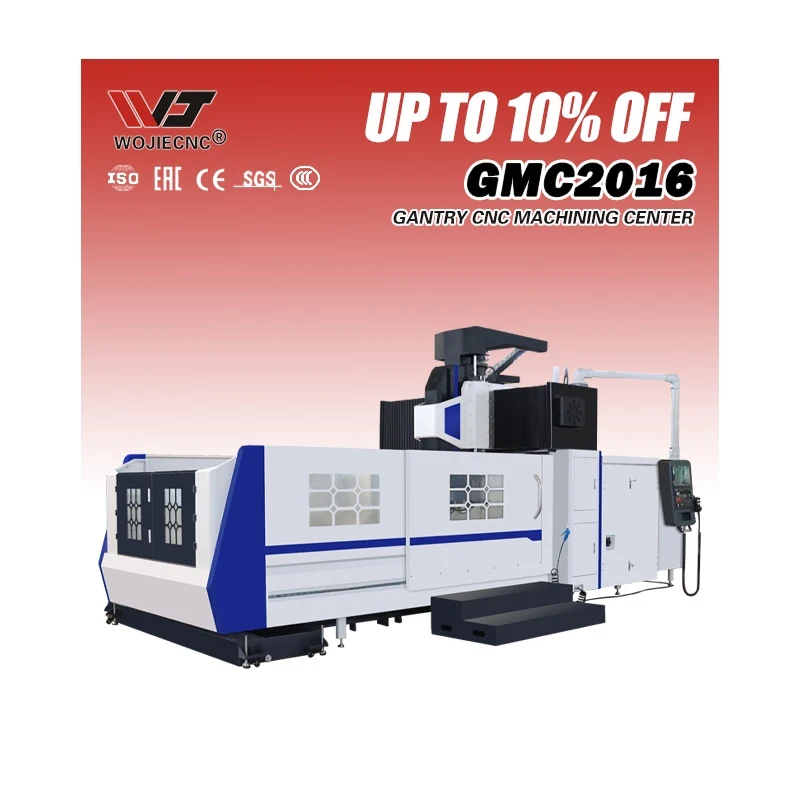
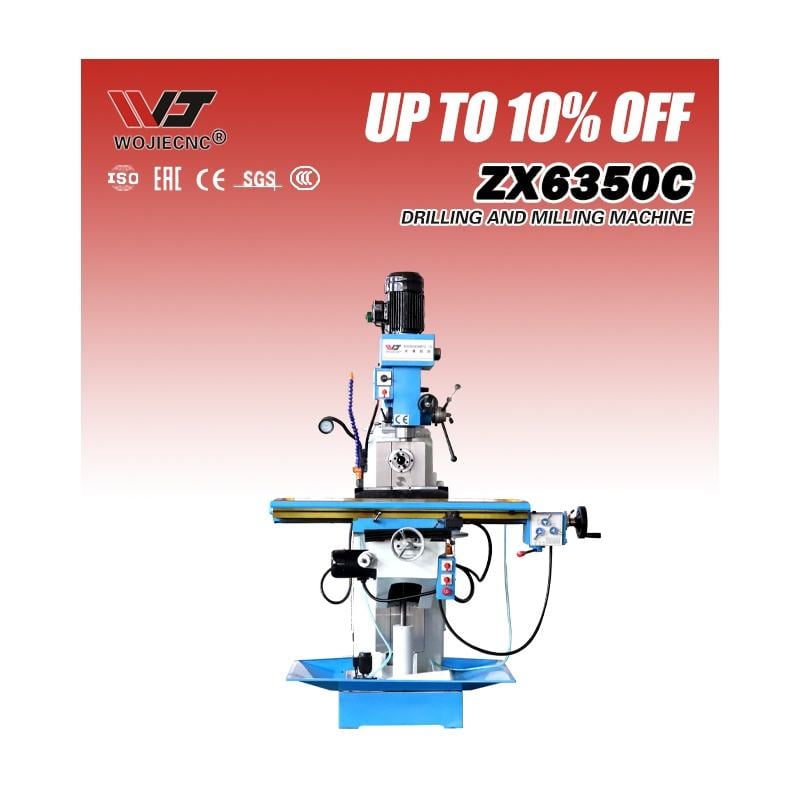
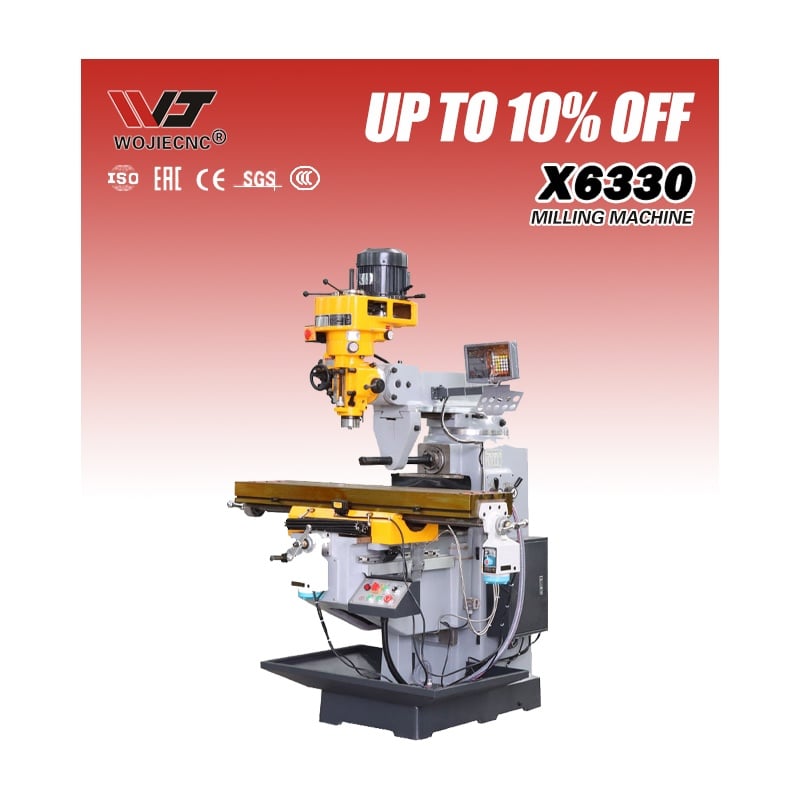
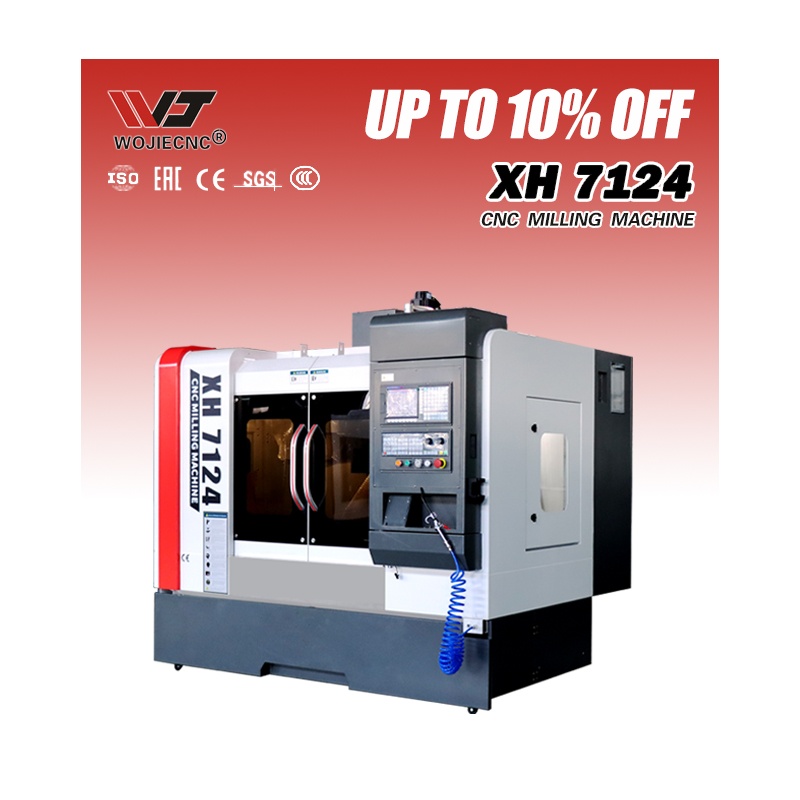
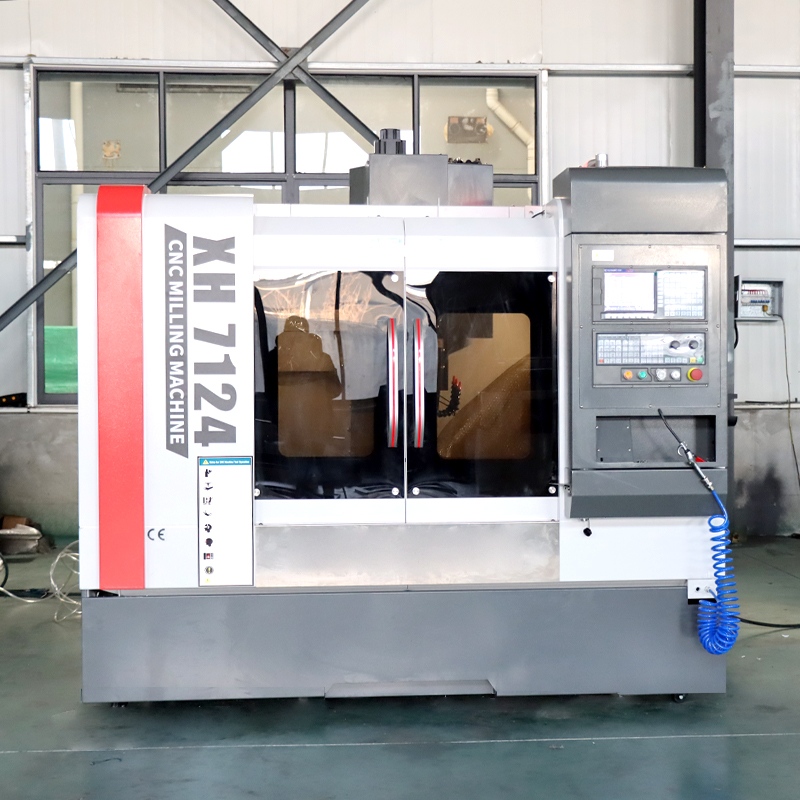
CNC milling and turning represent two fundamental machining processes that form the backbone of modern precision manufacturing. These computer-controlled operations utilize advanced numerical control systems to create highly accurate components across diverse industries. CNC milling involves the use of rotating cutting tools that move along multiple axes to remove material from a stationary workpiece, creating complex geometries, slots, holes, and intricate surface features. The process excels at producing flat surfaces, angular cuts, and three-dimensional shapes with exceptional precision. CNC turning, conversely, rotates the workpiece while a stationary cutting tool shapes the material, primarily used for creating cylindrical components, threads, tapers, and internal features like bores and grooves. The technological foundation of CNC milling and turning relies on sophisticated software programming that translates digital designs into precise machine movements. These systems utilize G-code programming languages to control spindle speeds, feed rates, tool paths, and coolant systems automatically. Modern CNC milling and turning centers feature multi-axis capabilities, allowing simultaneous operations that dramatically reduce production time while maintaining tight tolerances typically within 0.001 inches. The applications for CNC milling and turning span virtually every manufacturing sector, from aerospace components requiring lightweight materials and complex geometries to automotive parts demanding high-volume production consistency. Medical device manufacturing relies heavily on these processes for creating surgical instruments, implants, and diagnostic equipment from biocompatible materials. Electronics industries utilize CNC milling and turning for producing heat sinks, enclosures, and precision connectors. Energy sector applications include turbine components, valve bodies, and drilling equipment that must withstand extreme operating conditions. The versatility of CNC milling and turning extends to prototype development, where rapid iteration and design validation accelerate product development cycles significantly.

New Product Releases

The advantages of CNC milling and turning extend far beyond traditional machining methods, delivering transformative benefits that directly impact production efficiency and profitability. Precision stands as the most compelling advantage, with these automated systems consistently achieving tolerances that manual operations simply cannot match. CNC milling and turning eliminate human error variables, ensuring every component meets exact specifications repeatedly. This reliability translates into reduced waste, lower rejection rates, and enhanced customer satisfaction through consistent quality delivery. Speed represents another critical advantage, as CNC milling and turning operations run continuously without fatigue, breaks, or performance degradation. Modern machines execute complex operations in minutes that would require hours using conventional methods. This acceleration enables manufacturers to meet tight deadlines, respond quickly to market demands, and increase overall throughput significantly. The flexibility of CNC milling and turning systems allows rapid transitions between different product configurations without extensive retooling. Manufacturers can switch from producing large batches to custom orders seamlessly, adapting to market fluctuations and customer requirements efficiently. This adaptability proves especially valuable in today's dynamic business environment where customization and quick turnaround times provide competitive advantages. Cost-effectiveness emerges through multiple channels when utilizing CNC milling and turning processes. While initial equipment investments may seem substantial, the long-term savings through reduced labor costs, minimized material waste, and decreased inspection requirements create compelling return on investment scenarios. These systems operate with minimal supervision, allowing skilled technicians to oversee multiple machines simultaneously, maximizing labor efficiency. The consistency of CNC milling and turning operations reduces variability-related costs, including rework, scrap, and quality control expenses. Additionally, the ability to produce complex geometries in single setups eliminates secondary operations, reducing handling time and associated costs. Safety improvements represent often-overlooked advantages of CNC milling and turning systems. Enclosed operation areas protect operators from flying debris, cutting fluids, and rotating machinery hazards. Automated tool changing systems eliminate manual handling of sharp cutting tools, reducing injury risks significantly. The predictable nature of CNC operations allows better safety protocol implementation and risk management strategies.

Latest News

Zaozhuang Wojie CNC Machinery Co., Ltd.: 30+ Years of CNC Mastery, Your Global Trusted Partner

03

Nov

Zaozhuang Wojie CNC Machinery Co., Ltd.: 30+ Years of CNC Mastery, Your Global Trusted Partner

View More
Wojie CNC Shines at International Machine Tool Exhibitions: Forging Global Partnerships with CNC Expertise

30

Oct

Wojie CNC Shines at International Machine Tool Exhibitions: Forging Global Partnerships with CNC Expertise

View More
Wojie CNC Hot-Selling Machines: Full-Scene Precision Machining Solutions for Global Manufacturers

30

Oct

Wojie CNC Hot-Selling Machines: Full-Scene Precision Machining Solutions for Global Manufacturers

View More

Get a Free Quote

Our representative will contact you soon.
Email
Mobile/WhatsApp
Name
Company Name
Message
0/1000

cnc milling and turning

Unmatched Precision and Repeatability

Unmatched Precision and Repeatability

The precision capabilities of CNC milling and turning systems represent a quantum leap in manufacturing accuracy that transforms product quality and production reliability. These sophisticated machines achieve dimensional tolerances as tight as ±0.0001 inches consistently, far exceeding what human operators can accomplish manually. The computer-controlled nature of CNC milling and turning eliminates the variability inherent in manual operations, where factors like operator fatigue, skill differences, and environmental conditions can affect accuracy. This precision stems from advanced feedback systems that continuously monitor spindle position, tool wear, and thermal expansion, making real-time adjustments to maintain exact specifications throughout production runs. The repeatability aspect proves equally important, as CNC milling and turning systems produce identical components across thousands of cycles without degradation in quality. This consistency becomes crucial in industries like aerospace and medical devices, where component variations can have serious safety implications. The precision of CNC milling and turning extends beyond basic dimensional accuracy to include surface finish quality, geometric relationships, and complex feature positioning. Modern systems can maintain perpendicularity, parallelism, and concentricity within micron-level tolerances, enabling the production of components that function perfectly in demanding applications. This level of precision reduces the need for secondary finishing operations, streamlining production workflows and reducing costs. Quality control processes benefit significantly from the predictable precision of CNC milling and turning, as statistical process control becomes more effective when dealing with consistent, accurate outputs. Customers gain confidence in product reliability when they know that every component meets exact specifications, leading to stronger business relationships and repeat orders. The precision advantages of CNC milling and turning also enable the production of lighter, more efficient designs, as engineers can specify tighter tolerances knowing they will be achieved consistently, resulting in optimized performance and material usage.
Enhanced Production Efficiency and Speed

Enhanced Production Efficiency and Speed

Production efficiency represents one of the most compelling advantages of CNC milling and turning systems, fundamentally transforming manufacturing timelines and operational productivity. These automated processes operate at speeds impossible for manual machining while maintaining consistent quality throughout extended production runs. CNC milling and turning machines can run continuously for hours or even days with minimal human intervention, maximizing productive time and reducing idle periods that plague traditional manufacturing methods. The efficiency gains stem from optimized tool paths calculated by sophisticated CAM software that minimizes unnecessary movements and maximizes material removal rates. Modern CNC milling and turning centers feature rapid traverse speeds and quick tool change capabilities that reduce non-cutting time significantly. Multi-axis functionality allows complex operations to be completed in single setups, eliminating time-consuming repositioning and rechucking operations required in conventional machining. The speed advantages extend beyond raw cutting speeds to include setup time reductions, as proven programs can be recalled instantly for repeat jobs, eliminating lengthy manual setup procedures. CNC milling and turning systems excel at multitasking, with some machines capable of performing multiple operations simultaneously, such as milling features while turning diameters. This parallel processing capability dramatically reduces cycle times compared to sequential operations on separate machines. The efficiency benefits compound when considering reduced inspection time, as the consistent accuracy of CNC milling and turning processes allows for statistical sampling rather than 100% inspection protocols. Automated features like pallet changers and bar feeders enable lights-out operation, where CNC milling and turning systems continue producing parts during unmanned shifts, effectively tripling production capacity. The programming flexibility allows for optimization iterations that continuously improve efficiency as operators gain experience with specific jobs. Energy efficiency also contributes to overall productivity, as modern CNC milling and turning systems incorporate power management features that optimize energy consumption while maintaining performance levels.
Exceptional Versatility and Material Capability

Exceptional Versatility and Material Capability

The versatility of CNC milling and turning systems extends across an impressive range of materials, geometries, and applications, making them indispensable tools for diverse manufacturing requirements. These adaptable machines handle everything from soft plastics and aluminum alloys to exotic superalloys and hardened steels, adjusting cutting parameters automatically to optimize performance for each material type. CNC milling and turning capabilities encompass both prototype development and high-volume production, seamlessly transitioning between single custom pieces and thousands of identical components. The geometric versatility proves remarkable, as these systems create everything from simple cylindrical shafts to complex aerospace components with intricate internal passages and external features. Modern CNC milling and turning centers accommodate workpieces ranging from tiny medical implants weighing grams to massive industrial components weighing several tons. The flexibility extends to feature creation, with capabilities including threading, grooving, contouring, drilling, tapping, and surface texturing all achievable within single setups. Material compatibility spans metals, polymers, composites, ceramics, and even exotic materials like titanium and Inconel that present unique machining challenges. CNC milling and turning systems adapt to these diverse materials through programmable parameters that control spindle speeds, feed rates, cooling strategies, and tool selection automatically. The versatility advantage becomes particularly evident when dealing with complex assemblies that require multiple machined components with precise interfaces, as CNC milling and turning can produce all necessary parts with guaranteed compatibility. Tooling versatility further enhances capabilities, with modern systems accommodating hundreds of different cutting tools that can be selected automatically based on programmed requirements. This adaptability eliminates the need for multiple specialized machines, reducing floor space requirements and capital investments while increasing operational flexibility. Industries benefit from this versatility by consolidating operations, reducing inventory complexity, and responding quickly to design changes or new product introductions without major equipment modifications.
Professional CNC Milling and Turning Services - Precision Machining Solutions

Get a Free Quote

Our representative will contact you soon.
Email
Mobile/WhatsApp
Name
Company Name
Message
0/1000
email goToTop