Vertical Turning Center: Advanced Multi-Axis Machining Solutions for Precision Manufacturing

Get a Free Quote

Our representative will contact you soon.
Email
Mobile/WhatsApp
Name
Company Name
Message
0/1000

vertical turning center

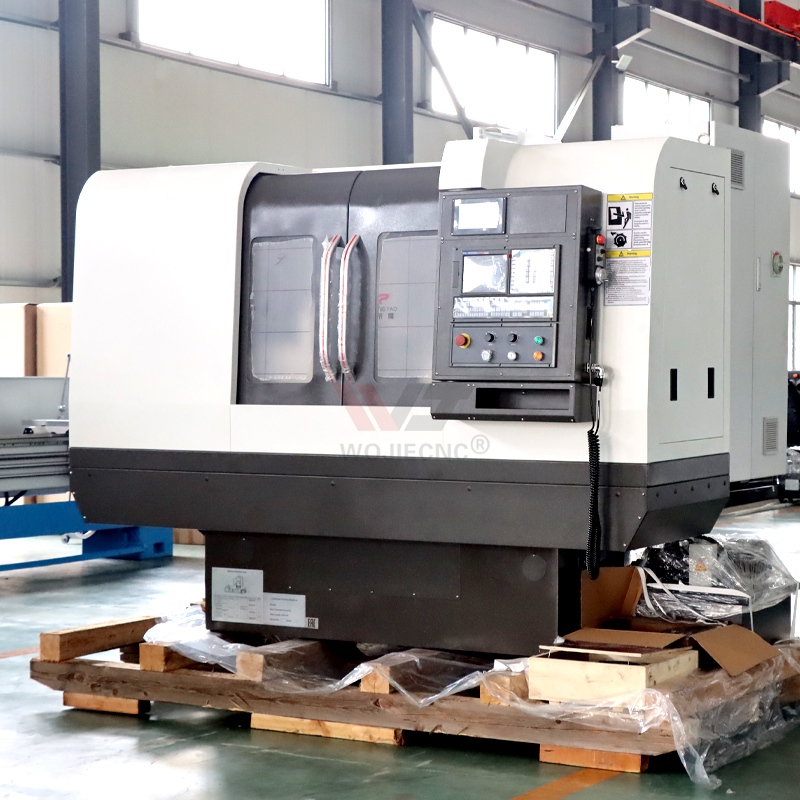
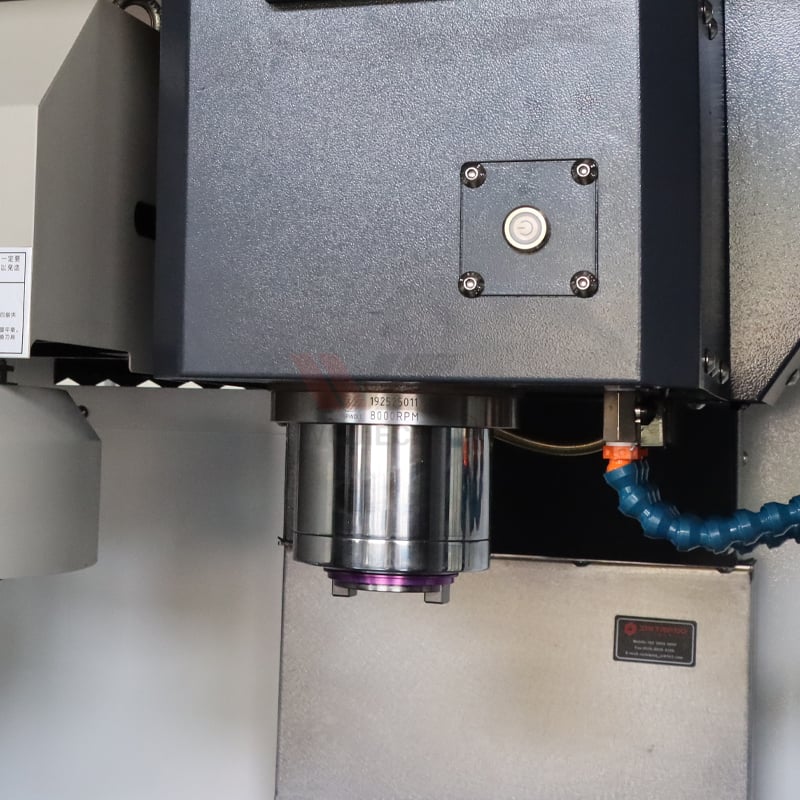
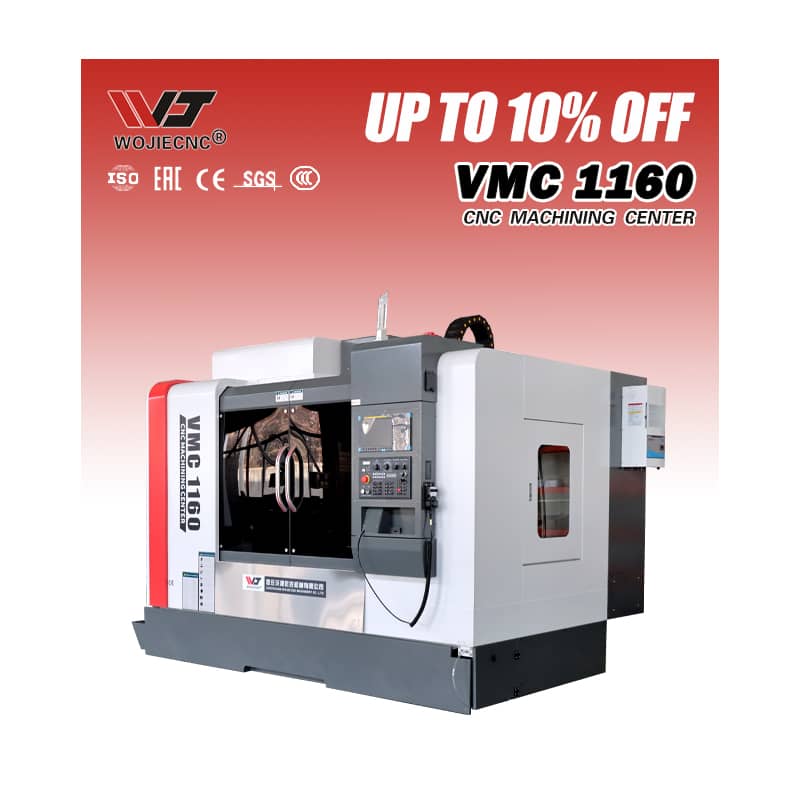
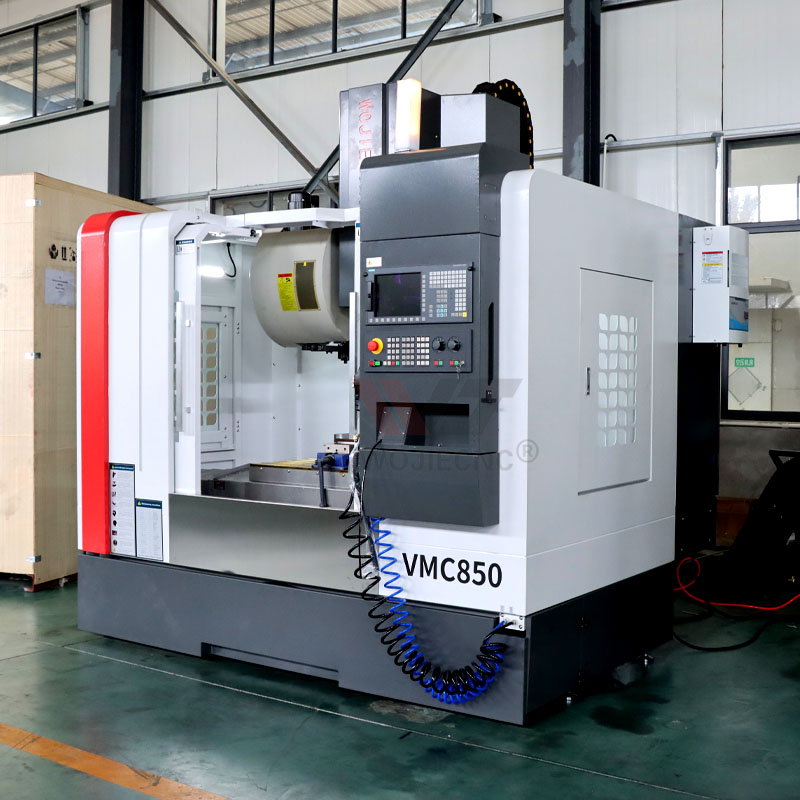
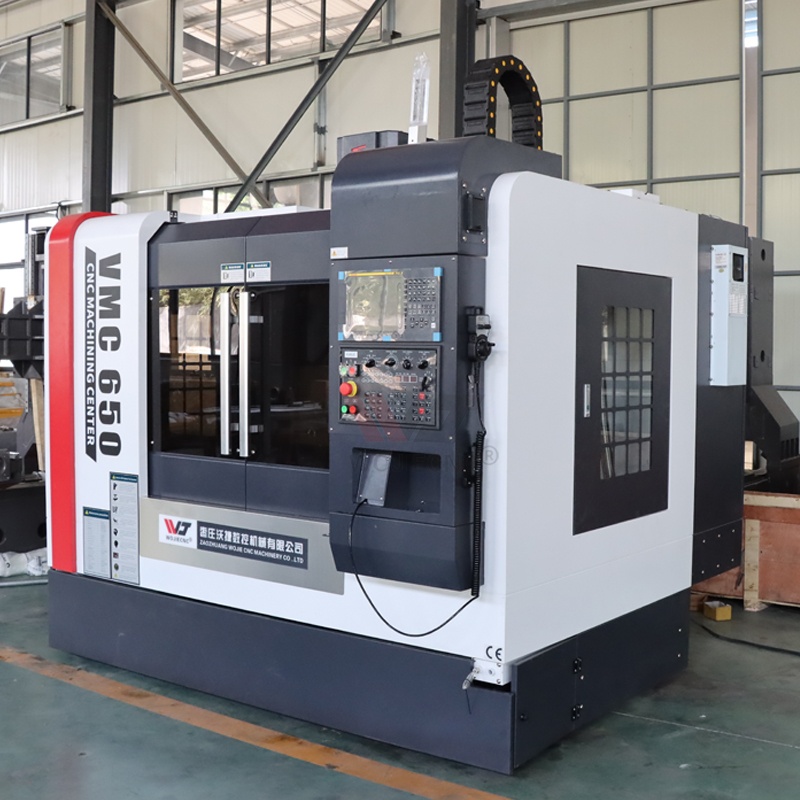
A vertical turning center represents a sophisticated machining solution designed to handle complex rotational operations with exceptional precision and efficiency. This advanced manufacturing equipment combines the functionality of traditional lathes with enhanced vertical orientation capabilities, making it ideal for processing large, heavy workpieces that would be challenging to mount on conventional horizontal machines. The vertical turning center operates on a fundamental principle where the workpiece rotates around a vertical axis while cutting tools move along multiple axes to shape and finish the material according to specified dimensions. The main functions of a vertical turning center encompass turning, boring, drilling, threading, and milling operations, all performed within a single setup. This multi-functionality eliminates the need for multiple machine transfers, significantly reducing production time and improving accuracy. The equipment features a robust vertical spindle that can accommodate workpieces of various sizes and weights, typically ranging from small components to massive industrial parts weighing several tons. Modern vertical turning centers incorporate advanced CNC (Computer Numerical Control) technology, enabling precise programming and automated operation sequences. The technological features include high-speed spindles capable of delivering variable RPM ranges to match different material requirements and cutting conditions. Sophisticated tool changers allow for automatic tool selection and replacement, minimizing downtime between operations. The machine structure typically consists of a heavy-duty base, vertical column, and movable cross-slide assembly, all designed to maintain rigidity and vibration dampening during high-force machining operations. Advanced vertical turning centers also feature live tooling capabilities, enabling powered tools to perform milling and drilling operations while the workpiece rotates. Applications for vertical turning centers span across numerous industries including aerospace, automotive, energy, and heavy machinery manufacturing. These machines excel in producing components such as turbine discs, brake rotors, flywheels, gear blanks, and large cylindrical parts requiring precise dimensional tolerances and superior surface finishes.

New Products

The vertical turning center delivers remarkable advantages that transform manufacturing efficiency and product quality across diverse industrial applications. Unlike traditional horizontal lathes, this equipment provides superior workpiece accessibility, allowing operators to load and unload heavy components using overhead cranes without complex fixturing arrangements. This vertical configuration significantly reduces setup time and labor costs while improving workplace safety by eliminating the need for workers to handle massive parts manually. The gravitational advantage of vertical orientation ensures consistent chip evacuation, preventing chip buildup that could damage cutting tools or compromise surface quality. This natural chip flow reduces machine downtime for cleaning and maintenance while extending tool life substantially. Manufacturing flexibility stands as another compelling benefit, as vertical turning centers accommodate an extensive range of workpiece sizes and shapes within a single machine setup. The ability to perform multiple operations including turning, boring, milling, and drilling eliminates the need for secondary machining processes, reducing overall production costs and lead times. Quality improvements become immediately apparent through enhanced dimensional accuracy and repeatability. The rigid machine structure combined with advanced CNC controls delivers consistent results across production runs, minimizing scrap rates and rework requirements. The vertical spindle design provides excellent stability for heavy cutting operations, enabling aggressive material removal rates without sacrificing precision. Operators benefit from improved ergonomics and better visibility of machining processes, leading to enhanced productivity and reduced operator fatigue. The enclosed working area with integrated coolant systems creates a controlled environment that protects both the operator and surrounding equipment from debris and fluid contamination. Cost-effectiveness emerges through reduced floor space requirements compared to multiple horizontal machines needed to achieve similar capabilities. Energy efficiency improvements result from optimized cutting parameters and reduced idle time between operations. The vertical turning center also offers superior chuck accessibility for workpiece changeover, dramatically reducing setup times for different part configurations. Advanced diagnostic systems provide real-time monitoring of cutting conditions, tool wear, and machine performance, enabling predictive maintenance that prevents costly unexpected downtime. These comprehensive advantages make vertical turning centers an intelligent investment for manufacturers seeking to optimize their machining operations while maintaining competitive pricing and delivery schedules.

Latest News

Zaozhuang Wojie CNC Machinery Co., Ltd.: 30+ Years of CNC Mastery, Your Global Trusted Partner

03

Nov

Zaozhuang Wojie CNC Machinery Co., Ltd.: 30+ Years of CNC Mastery, Your Global Trusted Partner

View More
Wojie CNC Shines at International Machine Tool Exhibitions: Forging Global Partnerships with CNC Expertise

30

Oct

Wojie CNC Shines at International Machine Tool Exhibitions: Forging Global Partnerships with CNC Expertise

View More
Wojie CNC Hot-Selling Machines: Full-Scene Precision Machining Solutions for Global Manufacturers

30

Oct

Wojie CNC Hot-Selling Machines: Full-Scene Precision Machining Solutions for Global Manufacturers

View More

Get a Free Quote

Our representative will contact you soon.
Email
Mobile/WhatsApp
Name
Company Name
Message
0/1000

vertical turning center

Advanced Multi-Axis Machining Capabilities

Advanced Multi-Axis Machining Capabilities

The vertical turning center revolutionizes manufacturing through its sophisticated multi-axis machining capabilities that deliver unparalleled versatility and precision in a single platform. This advanced functionality enables simultaneous operations across multiple axes, allowing manufacturers to complete complex geometries that traditionally required multiple machine setups and extensive manual intervention. The integrated multi-axis system combines rotational movement of the workpiece with linear motion of cutting tools along X, Y, and Z axes, creating infinite possibilities for intricate part production. Live tooling capabilities further enhance this versatility by incorporating powered spindles that can perform milling, drilling, and tapping operations while the main spindle continues rotating the workpiece. This simultaneous multi-tasking approach eliminates time-consuming part transfers between different machines, reducing production cycle times by up to 60 percent compared to conventional manufacturing methods. The precision achieved through multi-axis coordination ensures exceptional dimensional accuracy, with typical tolerances reaching ±0.0001 inches on critical features. Advanced interpolation algorithms coordinate all axes movements smoothly, preventing tool marks and surface irregularities that could compromise part quality. The system automatically compensates for thermal expansion, tool wear, and machine deflection through real-time feedback mechanisms, maintaining consistent accuracy throughout extended production runs. Programming flexibility allows operators to create complex tool paths that optimize cutting conditions for different materials and geometries, maximizing productivity while preserving tool life. The multi-axis capabilities particularly excel in aerospace and automotive applications where complex contours, angled holes, and intricate internal features are common requirements. Manufacturers can produce complete parts in single setups, eliminating secondary operations and associated handling costs while improving overall part integrity through reduced setups and handling.
Heavy-Duty Construction and Stability

Heavy-Duty Construction and Stability

The vertical turning center showcases exceptional heavy-duty construction engineered to withstand the demanding forces associated with machining large, challenging workpieces while maintaining unwavering accuracy and reliability. The foundation begins with a massive cast iron or fabricated steel base designed using finite element analysis to optimize rigidity while minimizing weight and material costs. This robust base incorporates strategic ribbing and internal structures that effectively dampen vibrations generated during heavy cutting operations, ensuring smooth surface finishes and dimensional consistency even under extreme machining conditions. The vertical column construction utilizes precision-ground ways and linear bearing systems that provide smooth, accurate movement while supporting substantial cutting forces without deflection. Hydrostatic or roller bearing systems distribute loads evenly across contact surfaces, eliminating stick-slip motion that could compromise surface quality or dimensional accuracy. The spindle assembly represents the pinnacle of engineering excellence, featuring high-capacity roller or ball bearings designed for continuous heavy-duty operation. These bearings undergo rigorous testing and quality control procedures to ensure long-term reliability under varying load conditions and operating temperatures. Thermal stability becomes crucial in maintaining accuracy during extended production runs, addressed through sophisticated cooling systems that regulate temperatures in critical machine components. Integrated coolant circulation maintains consistent thermal conditions throughout the machine structure, preventing thermal growth that could affect part dimensions. The chuck and clamping systems demonstrate remarkable holding power, capable of securely gripping workpieces weighing several tons while maintaining concentricity and preventing slippage during aggressive machining operations. Safety features include emergency stop systems, protective barriers, and load monitoring that prevent machine damage from overload conditions. This heavy-duty construction philosophy ensures decades of reliable operation with minimal maintenance requirements, providing exceptional return on investment for manufacturers processing challenging workpieces in demanding production environments.
Automated Operation and Smart Manufacturing Integration

Automated Operation and Smart Manufacturing Integration

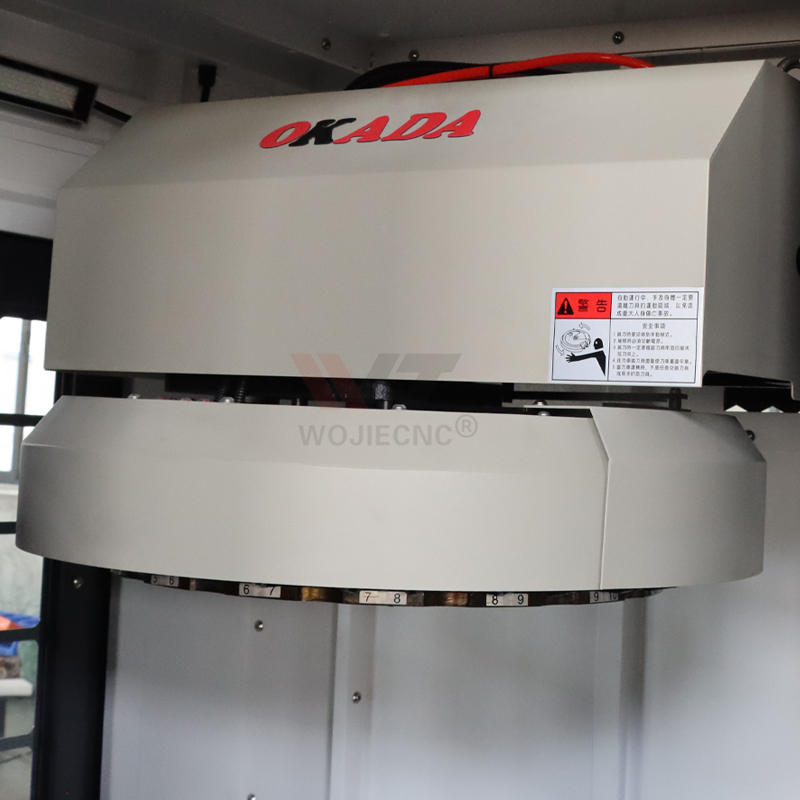
The vertical turning center exemplifies modern smart manufacturing through comprehensive automation features and seamless integration capabilities that optimize production efficiency while reducing labor requirements and human error. Advanced CNC control systems provide intuitive programming interfaces that simplify complex machining operations, enabling operators to quickly create and modify programs without extensive training or programming expertise. Conversational programming options guide users through step-by-step processes for common operations, while CAM software integration allows direct import of complex tool paths from design systems. Automatic tool changing systems accommodate extensive tool libraries, typically holding 12 to 40 tools with automatic selection based on programmed requirements. These systems include tool identification and verification features that prevent incorrect tool usage and provide real-time tool condition monitoring to optimize replacement schedules. Workpiece automation extends beyond basic machining through integrated material handling systems that can automatically load and unload parts using robotic systems or gantry loaders. This automation capability enables lights-out manufacturing where the vertical turning center operates continuously without human intervention for extended periods. Quality control integration incorporates in-process measurement systems that verify dimensions during machining, automatically adjusting cutting parameters to maintain tolerances and prevent scrap production. Statistical process control features collect and analyze production data, identifying trends that could indicate tool wear, machine drift, or process optimization opportunities. Remote monitoring capabilities allow production managers to oversee multiple machines from central locations, receiving real-time status updates, alarm notifications, and production reports through network connections. Predictive maintenance algorithms analyze machine performance data to forecast component replacement needs, scheduling maintenance during planned downtime to minimize production interruptions. Integration with enterprise resource planning systems enables automatic work order processing, inventory management, and production scheduling coordination. These smart manufacturing features position the vertical turning center as a cornerstone of Industry 4.0 initiatives, delivering measurable improvements in productivity, quality, and operational efficiency while preparing manufacturers for future technological advances.
Vertical Turning Center: Advanced Multi-Axis Machining Solutions for Precision Manufacturing

Get a Free Quote

Our representative will contact you soon.
Email
Mobile/WhatsApp
Name
Company Name
Message
0/1000
email goToTop