precision grinding machine
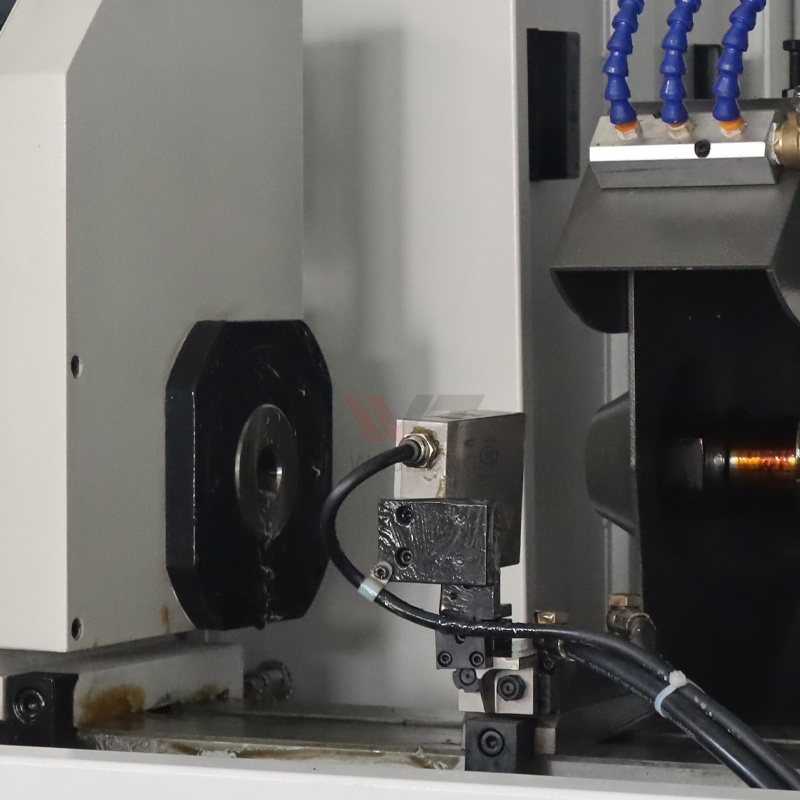
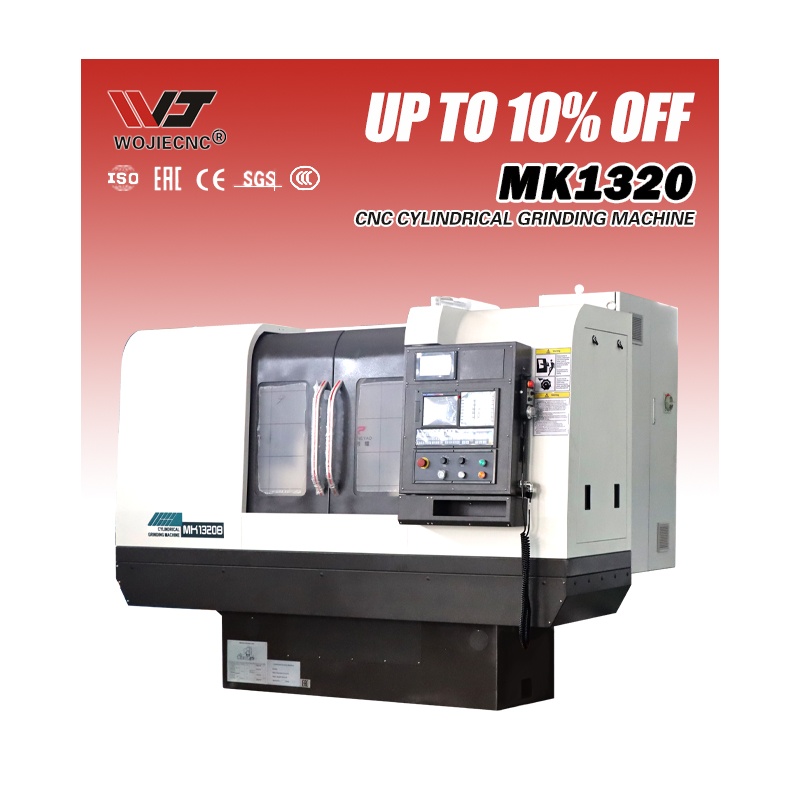
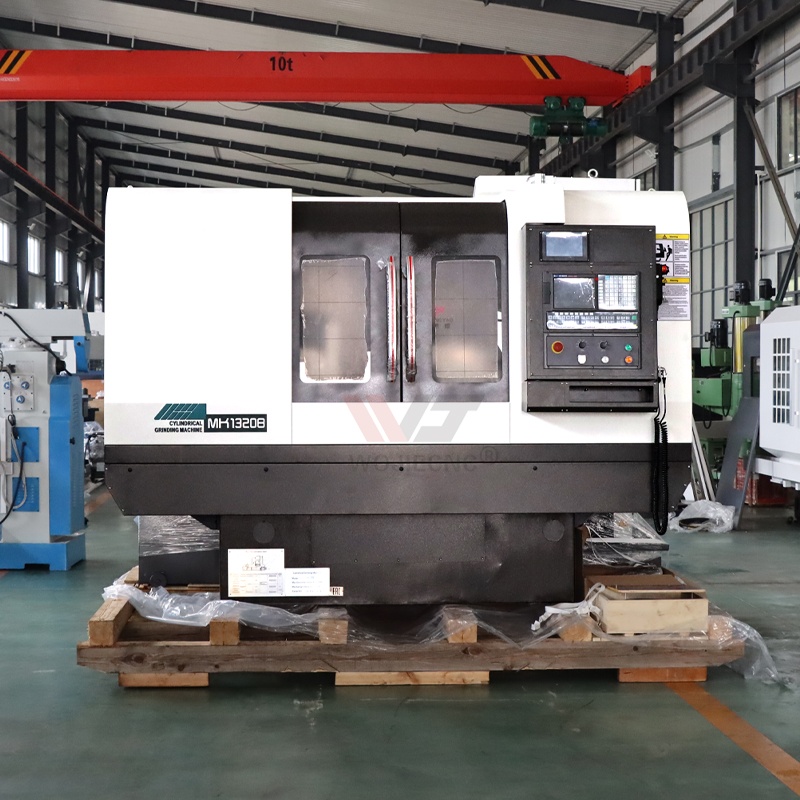
A precision grinding machine is a high-performance manufacturing tool designed to remove material from a workpiece with exceptional accuracy and surface quality. Unlike standard grinding equipment, a precision grinding machine operates within tight tolerances, often achieving finishes measured in microns. This capability makes it indispensable across industries where dimensional accuracy directly affects product performance and reliability. The core function of a precision grinding machine involves using abrasive wheels rotating at controlled speeds to shape, finish, or sharpen metal, ceramic, or composite components. Modern machines incorporate advanced spindle systems, automatic wheel dressing units, and CNC controls that allow operators to program complex grinding cycles with minimal manual intervention. Coolant delivery systems manage heat buildup, preventing thermal distortion that could compromise accuracy. Technologically, the precision grinding machine stands apart through its vibration-dampening structures, linear guide systems, and high-resolution feedback encoders that continuously monitor position and correct deviations in real time. These features collectively ensure repeatable output across large production runs. Applications span automotive component manufacturing, aerospace part finishing, medical device production, tool and die making, and electronics fabrication. Whether grinding cylindrical shafts, flat surfaces, internal bores, or complex profiles, the precision grinding machine adapts to diverse geometric requirements. Its versatility, combined with the ability to maintain extremely tight dimensional tolerances, positions it as a cornerstone technology in modern precision engineering. Manufacturers relying on consistent quality and minimal scrap rates consistently turn to the precision grinding machine as their preferred finishing solution.

 EN
EN