
 EN
EN



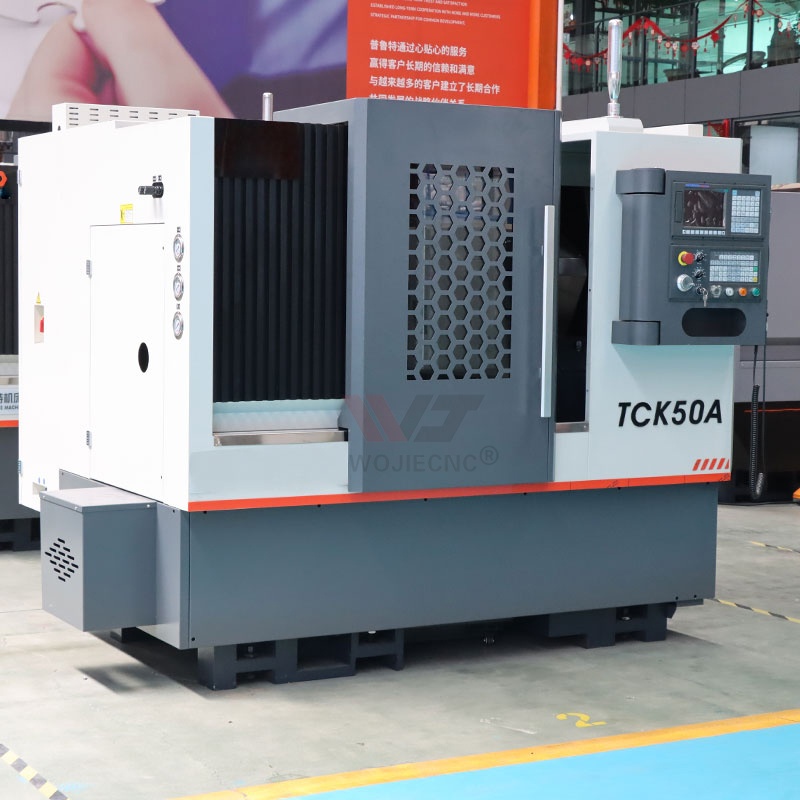
Industrial buyers face a significant decision when investing in manufacturing equipment, and choosing the right slant bed cnc lathe can directly impact production efficiency, product quality, and long-term profitability. A slant bed cnc lathe represents a substantial capital investment, and the consequences of selecting the wrong machine extend far beyond the initial purchase price. Understanding what factors matter most when evaluating a slant bed cnc lathe ensures that your facility gains a competitive advantage while maximizing return on investment over the machine's operational lifetime.
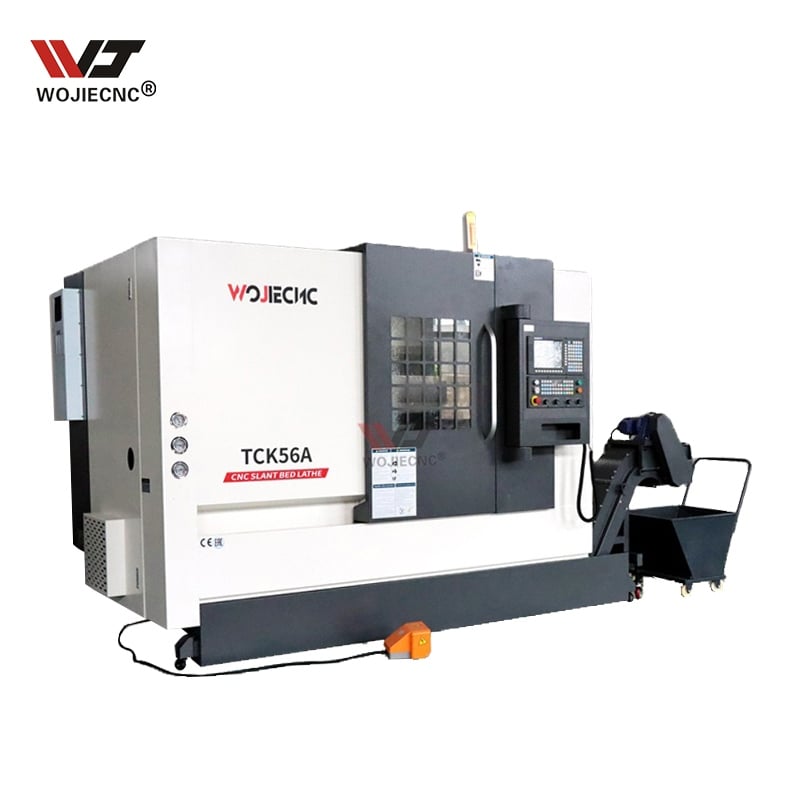
The slant bed cnc lathe design has become the preferred platform in modern manufacturing shops because its geometry naturally optimizes tool angles, chip evacuation, and spindle access. When you evaluate a slant bed cnc lathe for your operation, multiple interconnected priorities emerge: spindle power and speed capability, thermal stability, work envelope dimensions, and the quality of control systems. This guide walks industrial buyers through the essential decision factors that should shape your slant bed cnc lathe selection process.
Precision and Accuracy Requirements
Understanding Tolerance Specifications for Your Parts
The first priority when selecting a slant bed cnc lathe involves matching machine precision to the actual tolerance demands of your parts. Not every manufacturing operation requires submicron accuracy, yet precision costs money both in machine acquisition and ongoing maintenance. A slant bed cnc lathe capable of holding ±0.0001 inch tolerances carries a different price point and requires different operator skill than one designed for ±0.001 inch work. Industrial buyers must honestly assess whether their current and projected parts genuinely demand high precision or whether marketing claims about accuracy exceed real business necessity.
Thermal stability represents a critical component of precision performance on any slant bed cnc lathe. The machine's bed temperature, spindle growth under load, and tool deflection all accumulate into total tolerance stack that affects final part accuracy. A slant bed cnc lathe with superior thermal compensation systems maintains tighter tolerances throughout extended production runs compared to machines without active temperature management. When evaluating different models, request documentation on thermal performance under your typical cutting conditions rather than relying solely on published specification sheets.
Surface Finish and Tool Life Implications
A slant bed cnc lathe's geometric design naturally produces superior surface finishes compared to horizontal bed designs because of favorable tool geometry angles. However, actual surface finish results depend heavily on spindle runout, feed rate capability, and rigidity throughout the machine structure. Industrial buyers should verify spindle runout specifications (typically 0.0002 to 0.0005 inch for quality machines) because runout directly translates to visible surface roughness variation on finished parts. Request demonstration runs on actual parts similar to your production work before committing to purchase any slant bed cnc lathe.
Tool life economics matter significantly because cutting tool costs often exceed machine operating time costs in high-volume production. A rigid slant bed cnc lathe allows more aggressive feeding, which increases throughput but may reduce individual tool life unless cutting parameters are optimized. The control system on your slant bed cnc lathe should provide feedrate optimization capabilities and tool wear compensation to extend tool life and maintain part consistency across production runs. Industrial buyers focused on cost-per-part should prioritize machines with responsive control systems that allow quick parameter adjustment.
Production Capacity and Spindle Performance
Spindle Power and Speed for Production Efficiency
Spindle capability represents perhaps the most visible differentiator among slant bed cnc lathe models available in the industrial market. The slant bed cnc lathe spindle must deliver sufficient horsepower for the cutting operations your parts require while maintaining speed ranges appropriate for your material mix. A 5-horsepower spindle running at maximum speed suits different material grades than a 10-horsepower spindle operating at moderate speeds. Industrial buyers should calculate cutting speeds and feed rates for your most demanding parts, then verify that the slant bed cnc lathe you consider can deliver those parameters without thermal stress.
Speed range flexibility allows a slant bed cnc lathe to handle both large-diameter roughing operations and small-diameter finishing cuts efficiently. Many production scenarios include parts that benefit from high-speed finishing (8,000 RPM or higher) followed by slower, more powerful roughing passes on the same machine. A slant bed cnc lathe with poor speed range forces you to accept suboptimal feeds and speeds for some operations, reducing overall throughput and quality consistency. Variable frequency drive spindles on modern equipment allow smooth acceleration and deceleration that improves surface finish and reduces cutting tool shock loads.
Work Envelope and Chuck Capacity
The slant bed cnc lathe's work envelope directly determines which parts your facility can produce on that machine. Industrial buyers must compare not only spindle bore diameter and distance between centers but also the effective work envelope after accounting for turret positioning, tailstock interference, and chuck geometry. A slant bed cnc lathe capable of handling 3-inch diameter work requires adequate chuck capacity, and power chuck clamping force matters significantly for part security during aggressive cutting. Verify that the slant bed cnc lathe configuration you select accommodates your largest and smallest diameter parts without requiring expensive turret changes or limiting spindle speed.
Tool turret capacity and indexing speed influence both flexibility and production pace for a slant bed cnc lathe. A 12-station turret allows more tool combinations than an 8-station configuration, while faster indexing improves cycle time on parts requiring numerous tools. However, industrial buyers should recognize that a slant bed cnc lathe with excessive turret positions creates maintenance complexity if stations sit unused. Evaluate your typical tool requirements realistically rather than purchasing turret capacity you will never utilize on a slant bed cnc lathe.
Machine Rigidity and Long-Term Reliability
Structural Design and Cast Iron Quality
A slant bed cnc lathe's foundation rigidity directly impacts accuracy consistency, tool life, and overall production efficiency. The casting quality, wall thickness distribution, and stress relief processes used during manufacture determine how well a slant bed cnc lathe maintains accuracy under sustained cutting loads. Industrial buyers should examine casting documentation and inquire about stress relief methods; pressure-relief techniques produce more stable beds than simple thermal cycling. Superior cast iron prevents vibration amplification that compromises surface finish and accelerates tool wear on a slant bed cnc lathe.
The relationship between bed mass and spindle power matters significantly for overall machine performance. A slant bed cnc lathe with inadequate bed mass relative to spindle horsepower tends to chatter during interrupted cuts and struggles with heavy roughing operations. Industrial buyers comparing slant bed cnc lathe specifications should verify the bed-to-spindle-power ratio; quality manufacturers typically provide mass and power specifications that indicate design balance. Visiting a manufacturer facility or speaking with existing customers running similar slant bed cnc lathe models provides valuable insight into reliability performance you can expect.
Control System Reliability and Support
The control system on your slant bed cnc lathe becomes the nervous system for daily production operations and deserves careful evaluation. Modern slant bed cnc lathe controls offer programming flexibility, diagnostics capabilities, and connectivity features that significantly enhance uptime and productivity. Industrial buyers should verify that parts and service support exist locally or through reliable channels for the control system brand under consideration. A slant bed cnc lathe with leading-edge control capabilities but poor service infrastructure creates vulnerability during downtime emergencies.
Documentation quality and training support from the slant bed cnc lathe manufacturer significantly affect operator proficiency and machine uptime. Industrial buyers should request comprehensive manuals in your facility's primary language, plus access to online resources or video training materials. Manufacturer technical support responsiveness matters particularly during the first months of operation when operators encounter unexpected situations. Verify warranty terms carefully because some slant bed cnc lathe manufacturers limit coverage duration or exclude specific components from protection.
Economic and Integration Factors
Total Cost of Ownership Beyond Purchase Price
The purchase price of a slant bed cnc lathe represents only the first component of total ownership cost. Industrial buyers must factor in installation and setup expenses, which typically range from 5 to 15 percent of machine cost depending on facility infrastructure readiness. Electrical requirements, coolant systems, chip evacuation, and operator training all add to initial project costs beyond the slant bed cnc lathe itself. Maintenance and spare parts budgets should account for scheduled service intervals and potential component replacement over the machine's 10 to 15 year operational life.
Energy consumption represents an often-overlooked cost element that accumulates significantly over years of operation. A slant bed cnc lathe running continuously consumes substantial electrical power, particularly during high-speed spindle operation and rapid axis movement. Industrial buyers can request power consumption specifications and calculate annual utility costs based on your facility's electrical rates and anticipated operating hours. Newer slant bed cnc lathe models increasingly feature energy-efficient components that reduce operating costs compared to older generations, often yielding payback within several years.
Integration with Existing Manufacturing Systems
How well a slant bed cnc lathe integrates with your existing shop floor infrastructure and information systems affects overall efficiency and data accuracy. Modern equipment increasingly offers network connectivity and data collection capabilities that feed production information into management systems. Industrial buyers should verify that your prospective slant bed cnc lathe provides compatible data output formats and communication protocols matching your current systems. Integration capability enables real-time monitoring of machine utilization, tool wear trends, and production metrics that support continuous improvement initiatives.
Flexibility regarding work-holding accessories and peripheral equipment varies significantly among slant bed cnc lathe models. Some manufacturers lock customers into proprietary accessories, while others accommodate industry-standard components. Industrial buyers should clarify whether the slant bed cnc lathe you select allows third-party chuck upgrades, tailstock variants, and tool holder options, or whether you face vendor lock-in situations. This flexibility often extends machine usefulness as production requirements evolve over years of operation without forcing expensive machine redesign.
FAQ
What spindle power should a slant bed cnc lathe have for general manufacturing work?
For typical general manufacturing applications, a slant bed cnc lathe with 5 to 8 horsepower spindle provides adequate capacity for materials like aluminum, brass, and stainless steel in production batch sizes. Roughing operations on ferrous materials often benefit from higher power, while finishing cuts on soft materials require less spindle force. Industrial buyers should match spindle power to your most demanding material and cutting operation combination; oversizing spindle power increases energy costs while undersizing creates production bottlenecks. Many shops find that a midrange slant bed cnc lathe with 7 horsepower and good speed range handles diverse part requirements efficiently.
How does a slant bed cnc lathe design improve surface finish compared to horizontal bed machines?
The slant bed cnc lathe design positions the cutting tool at an optimal angle relative to the workpiece rotation, which naturally improves chip formation and reduces cutting forces that cause vibration. This geometry allows better coolant flow to the cutting edge and promotes straighter chip evacuation patterns, both factors that enhance surface finish. A slant bed cnc lathe also distributes cutting forces more favorably through the spindle and bed structure, reducing deflection that would otherwise create surface roughness variation. Industrial buyers consistently observe that identical cutting parameters produce visibly superior surface finishes on a slant bed cnc lathe compared to conventional horizontal machines.
What service and support factors should industrial buyers consider before purchasing a slant bed cnc lathe?
Industrial buyers should verify that spare parts availability exists domestically or through established distribution channels, ensuring you can address component failures without extended delays. Local service technician availability matters significantly; a slant bed cnc lathe requires periodic maintenance and occasional repairs that benefit from responsive technical support. Warranty terms, training resources, and technical documentation quality directly affect your ability to operate and maintain the machine effectively. Speak with existing customers running the same slant bed cnc lathe model to understand real-world support quality and reliability before committing to purchase.

