
 EN
EN



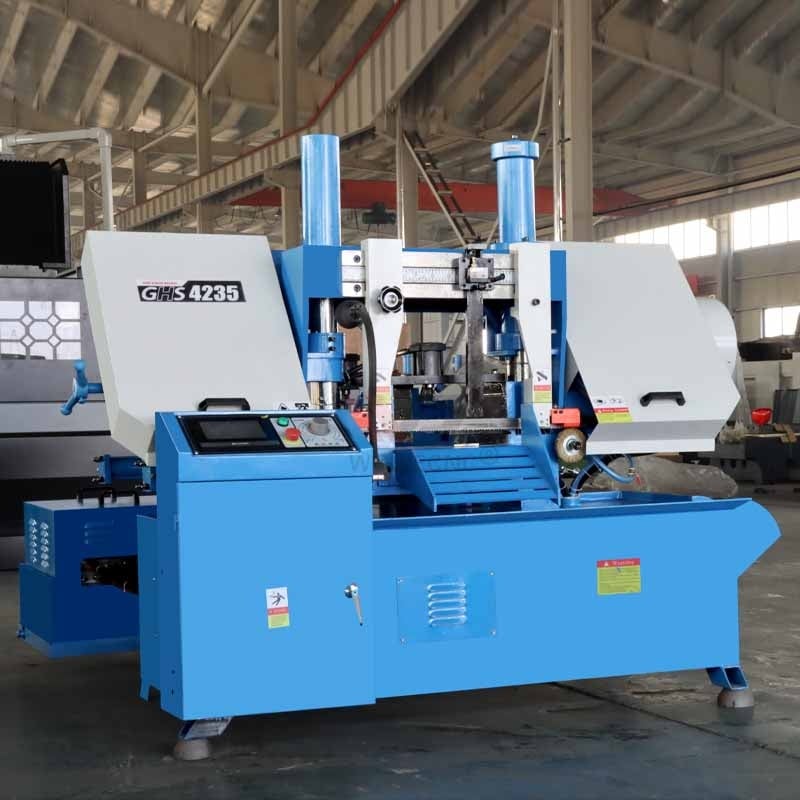
Selecting the right band saw machine is one of the most critical decisions an engineer makes when planning a metalworking operation. The band saw machine directly impacts cutting accuracy, material waste, production speed, and long-term operational costs. Engineers cannot afford to choose a band saw machine based solely on price or availability; each decision must reflect the specific material types, cutting tolerances, volume requirements, and shop floor constraints that define their application.
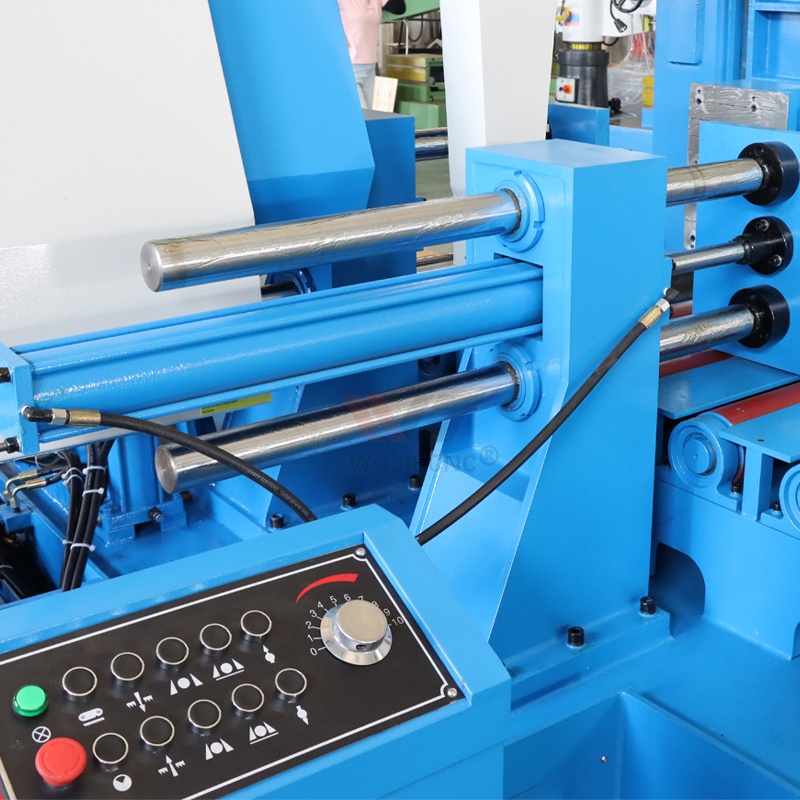
This guide walks engineers through the essential evaluation framework for selecting a band saw machine that delivers both precision and stability across demanding industrial environments. By understanding the key performance factors, measurement standards, and operational requirements, you can confidently choose a band saw machine that aligns with your technical specifications and business goals.
Understanding Band Saw Machine Specifications and Cutting Capacity
Core Performance Metrics for Band Saw Machine Selection
The foundation of band saw machine selection begins with understanding the specifications that directly affect cutting performance. Maximum cutting capacity, measured in terms of material thickness and width, determines whether a band saw machine can accommodate your workpieces. A band saw machine with insufficient throat depth or blade travel will create bottlenecks and force you to redesign parts or purchase secondary equipment.
Blade speed range is another critical specification for any band saw machine. Different material types demand different blade velocities; cutting mild steel requires lower speeds than aluminum alloys, while stainless steel often demands even more precision blade speed control. Engineers must verify that a band saw machine offers adjustable speed settings within the range required for your material mix. Additionally, the band saw machine's motor power directly correlates with its ability to maintain consistent cut quality under load, especially when handling hard or exotic materials.
Precision and Tolerance Capabilities of a Band Saw Machine
Cutting tolerance is where many engineers fail to properly evaluate a band saw machine before purchase. A band saw machine capable of maintaining tight tolerances minimizes secondary machining operations and reduces scrap rates. Look for specifications regarding blade tracking accuracy, vertical column rigidity, and guide block precision on your candidate band saw machine. The band saw machine's ability to hold perpendicular cuts is essential for components that fit into assemblies without rework.
Blade tension consistency is a hidden but essential factor in band saw machine performance. A band saw machine with automatic blade tensioning or manual tension that remains stable throughout a production run will deliver more uniform edge quality and dimensional accuracy than one where tension drifts over time. This stability directly supports your tolerance requirements and reduces the hidden cost of quality inspection and rejection.
Structural Stability and Rigidity Factors in Band Saw Machine Design
Frame Geometry and Material Stability in a Band Saw Machine
The physical structure of a band saw machine determines its ability to resist vibration and maintain cutting precision under sustained load. A band saw machine built with a robust double-column or gantry frame design provides superior stability compared to single-column designs, particularly when executing high-speed cuts on thick materials. Engineers should inspect whether the band saw machine frame is fabricated from ductile iron or welded steel, as this choice significantly impacts the machine's damping characteristics and long-term stability.
The vertical and horizontal stiffness of a band saw machine directly affects blade deflection during cutting. When a band saw machine lacks sufficient rigidity, the blade can drift laterally, causing angled cuts and premature blade wear. Heavier machine bases and reinforced frame members indicate a band saw machine designed to handle demanding production without vibration-induced accuracy loss. Field vibration measurements or cutting trials should be part of your evaluation when the band saw machine will operate in a high-precision application.
Guidance Systems and Support Features of a Band Saw Machine
The blade guidance system is where stability is actively maintained in a band saw machine. Precision guide blocks or roller guide systems on a band saw machine prevent lateral blade deflection and support the blade during the cutting stroke. Engineers must evaluate whether the band saw machine uses traditional carbide or diamond guides, as these materials have different wear rates and cutting characteristics that affect long-term stability and blade life.
Workpiece clamping and support mechanisms are equally important to the overall stability of a band saw machine. A band saw machine with robust hydraulic or mechanical clamping prevents workpiece movement during cutting, which is essential for maintaining dimensional accuracy and preventing blade bending or breakage. Engineers should verify that the band saw machine offers secure clamping positions for the range of workpiece geometries they plan to cut, from rectangular billets to complex shaped forgings.
Material Compatibility and Operational Considerations for Band Saw Machine Selection
Material Types and Band Saw Machine Blade Selection
Different materials require different approaches when using a band saw machine, and your selection must account for the material mix you currently process or anticipate processing. A band saw machine designed for high-speed cutting of aluminum requires different blade metallurgy and tension than a band saw machine handling stainless steel or cast iron. Engineers must confirm that their chosen band saw machine accommodates the blade types required for each material and that the machine's speed range aligns with those blade manufacturer recommendations.
Abrasive or composite materials present special demands on a band saw machine. Cutting fiberglass, carbon composites, or composite laminates requires a band saw machine with enhanced blade tension stability and superior guidance to prevent delamination. Before committing to a band saw machine purchase, engineers should request a cutting trial with actual materials or equivalent samples to confirm that the band saw machine produces acceptable edge quality and surface finish on your specific applications.
Production Volume and Maintenance Demands on a Band Saw Machine
Production volume directly influences which band saw machine model makes economic sense for your operation. A high-volume production shop demands a band saw machine engineered for reliability and rapid blade changes, whereas a low-volume job shop may prioritize flexibility and ease of setup over throughput speed. Engineers must calculate the cost per cut and consider how blade consumption, maintenance intervals, and downtime risk factor into the total cost of ownership for each band saw machine candidate.
Maintenance accessibility is an often-overlooked factor in band saw machine selection. A well-designed band saw machine features easy access to guide blocks, blade tensioning mechanisms, and coolant systems, reducing technician labor time and minimizing production disruption. Engineers should evaluate the band saw machine's design for preventive maintenance tasks like bearing replacement, seal changes, and coolant system cleaning, as these directly impact the machine's long-term reliability and your ability to maintain stable cutting performance throughout its service life.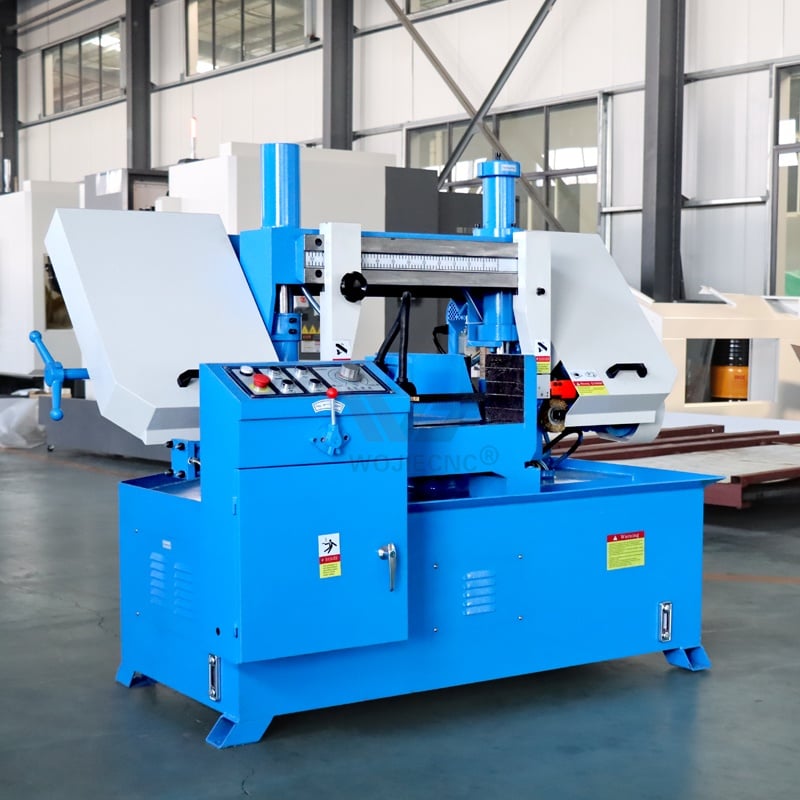
FAQ
What is the typical cutting accuracy you should expect from an industrial band saw machine?
A well-maintained band saw machine can typically maintain cutting tolerances between ±0.05 and ±0.1 inches on most materials, depending on workpiece size and material hardness. Precision band saw machines designed for tighter tolerance work may achieve ±0.03 inches or better, but these come at higher cost and require more rigorous setup and maintenance. Your specific band saw machine tolerance capability depends on frame rigidity, blade quality, guidance system condition, and operator skill, so tolerance expectations should be validated through actual cutting trials on your parts.
How often should blade tension be checked on a band saw machine?
Most manufacturers recommend checking blade tension on a band saw machine before each production shift or every 4 to 8 hours of continuous operation, whichever comes first. A band saw machine equipped with an automatic tension controller reduces manual checking frequency significantly. Even with automatic features, periodic manual verification ensures the band saw machine's system is functioning correctly and blade tension remains within the manufacturer's specified range for your cutting conditions.
What safety features should your band saw machine include?
A modern band saw machine should include emergency stop buttons, blade guards covering exposed running surfaces, automatic shutoff when guards are opened, and material handling fixtures that keep operator hands clear of the cutting zone. Some band saw machines offer optional features like automatic blade breakage detection and coolant recirculation systems that improve both safety and cutting consistency. Before finalizing your band saw machine selection, review all safety certifications and verify that the machine meets OSHA requirements and your facility's safety standards.

