
 EN
EN



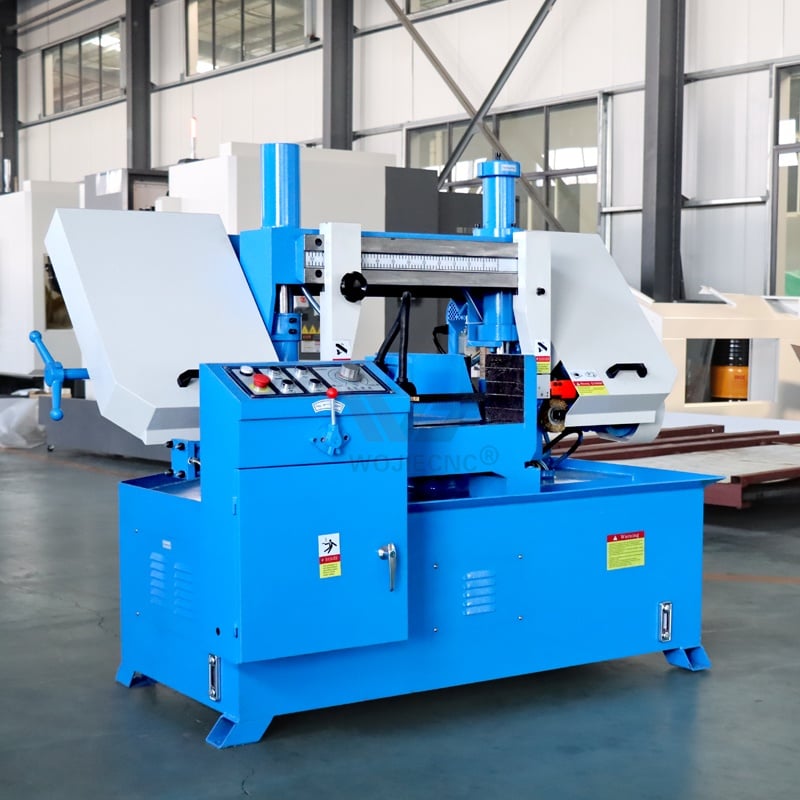
A band saw machine represents a critical investment for any workshop focused on precision metal cutting and fabrication work. Proper maintenance of your band saw machine directly impacts blade longevity, cutting accuracy, and overall operational efficiency. Many workshops underestimate how much their maintenance routines influence the lifespan of expensive cutting blades, leading to premature blade failures and increased downtime. Understanding the fundamentals of band saw machine care ensures your equipment operates at peak performance while maximizing the return on your investment.
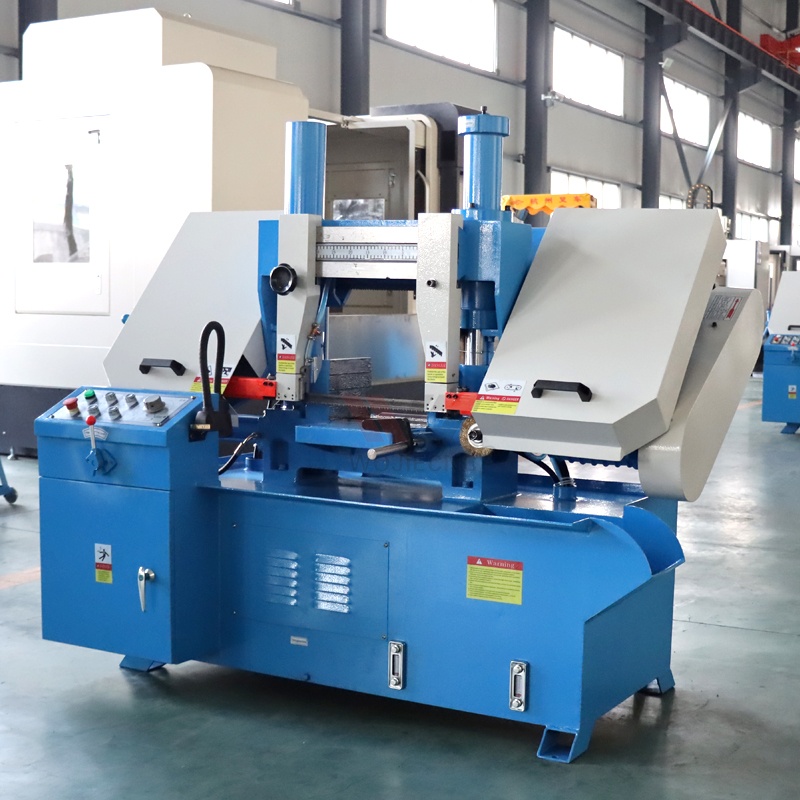
The relationship between maintenance practices and band saw machine blade life follows a direct cause-and-effect pattern. Improper tension settings, inadequate coolant application, misaligned guides, and worn tracking components all accelerate blade wear and reduce cutting performance. By implementing a structured maintenance protocol, your workshop can extend blade life significantly, reduce material waste, and maintain consistent cutting quality across all operations. This guide explores the essential maintenance strategies that keep your band saw machine running smoothly and your blades lasting longer.
Understanding Blade Tension and Tracking
Why Tension Control Matters for Your Band Saw Machine
Blade tension is the foundation of reliable band saw machine performance. A blade that operates under insufficient tension will slip on the wheels, generating excessive heat and accelerating wear. Conversely, excessive tension places unnecessary stress on the blade, guide bearings, and wheel mechanisms of your band saw machine. Manufacturers typically specify optimal tension ranges measured in pounds per inch of blade width. Your band saw machine manual provides these specifications, and maintaining tension within the recommended range ensures balanced performance and extended blade life.
Tension measurement requires a tension meter, a simple tool that most workshops should keep on hand. When tensioning your band saw machine, apply steady pressure without over-tightening. Check tension regularly, especially after replacing blades or after extended cutting sessions. The blade should feel taut but not rigid when you press it with your finger. Consistent tension maintenance prevents premature blade fractures and keeps your band saw machine operating at optimal efficiency.
Tracking Alignment in Band Saw Machine Operations
Blade tracking refers to whether the blade runs centered on both the upper and lower wheels of your band saw machine. Misaligned blades wear unevenly, overheat on one edge, and eventually break prematurely. Most band saw machine designs include a tracking adjustment on the upper wheel that allows you to shift the blade position side to side. A properly tracked band saw machine blade should run down the center of both wheels without drifting toward either edge.
Check blade tracking each time you install a new blade on your band saw machine. Run the machine at operating speed without load to observe blade movement. If the blade drifts toward the front or back of the wheel, use the tracking adjustment screw to move the upper wheel slightly until the blade centers properly. This simple procedure, performed consistently, prevents uneven wear patterns that compromise blade life and cutting accuracy on your band saw machine.
Coolant Application and Temperature Management
Selecting and Applying Coolants for Band Saw Machine Performance
Coolant serves multiple critical functions during band saw machine operations. It reduces friction between the blade and workpiece, dissipates cutting heat, and flushes away chips and debris. The choice of coolant depends on the material being cut and the design of your band saw machine. Steel cutting typically requires soluble oils or synthetic coolants mixed with water, while aluminum often uses straight oil-based coolants. Your band saw machine manufacturer usually recommends specific coolant types in the equipment documentation.
Apply coolant generously during all cutting operations on your band saw machine. Many workshops use flood coolant systems that continuously direct coolant onto the blade and cutting zone. If your band saw machine lacks an automated system, hand-apply coolant using a pump or spray bottle. The blade temperature during cutting should never feel hot to the touch after stopping the machine. Overheated blades lose hardness, develop stress cracks, and fail prematurely. Maintaining proper coolant flow directly extends blade life and improves cut surface finish on your band saw machine.
Cleaning and Coolant System Maintenance
Coolant systems on a band saw machine require regular cleaning and maintenance to function effectively. Accumulated chips, dirt, and coolant degradation products reduce cooling efficiency and promote rust and corrosion. Empty and flush your band saw machine coolant tank regularly, typically every few months depending on usage intensity. Check coolant concentration with a refractometer to ensure proper mix ratios. Contaminated or depleted coolant no longer provides adequate cooling protection for your band saw machine blade.
Install or clean coolant filters according to manufacturer recommendations for your band saw machine. Blocked filters reduce flow rate and cooling effectiveness. If your band saw machine uses a circulation pump, verify it operates smoothly and delivers consistent coolant flow. Small investments in coolant system maintenance pay dividends through extended band saw machine blade life and consistent cutting performance.
Guide and Bearing Maintenance for Band Saw Machine Longevity
Inspecting and Adjusting Blade Guides
Blade guides support the blade laterally during cutting, preventing sideways movement that would cause binding and premature failure. Most band saw machine designs use multiple guide blocks positioned above and below the cutting area. These guides should maintain light contact with the blade without binding it. Inspect guide blocks regularly for wear, flat spots, or uneven contact surfaces. Worn guides allow excessive blade movement, causing uneven wear patterns that shorten blade life on your band saw machine.
Adjust guides on your band saw machine so they just barely touch the blade sides with minimal pressure. The blade should slide smoothly without excessive resistance. If guides are too tight, they create friction and heat that damage the blade. If too loose, the blade wanders and develops stress cracks. Many band saw machine operators neglect guide adjustment, not realizing its profound impact on blade life. Check and adjust guides whenever you notice changes in cutting feel or blade performance.
Bearing Inspection and Lubrication
Wheel bearings on your band saw machine must rotate freely and smoothly to maintain consistent blade speed and tracking. Worn or dry bearings increase friction, generate excess heat, and transmit vibrations that accelerate blade wear. Inspect bearings regularly by manually rotating the wheels by hand, feeling for resistance, grinding sounds, or rough spots. Bearings should spin freely with minimal effort. Listen for any unusual noise during machine operation, which may indicate bearing deterioration.
Lubricate bearings according to the schedule specified for your band saw machine model. Some designs use sealed bearings requiring no maintenance, while others need periodic greasing. Apply only the recommended lubricant type in the correct quantity. Over-lubrication attracts chips and dust, creating paste that damages bearings. Proper bearing maintenance ensures smooth operation and maximizes the lifespan of your band saw machine blade by maintaining consistent tension and tracking.
FAQ
How often should I check blade tension on my band saw machine?
Check blade tension on your band saw machine at the start of each work day and whenever you install a new blade. If you operate your band saw machine continuously throughout the day, perform a mid-shift tension check as well. Tension can drift slightly during operation due to blade stretching and thermal expansion. Regular checks ensure your band saw machine maintains optimal performance and blade life throughout its operational life.
What happens if my band saw machine blade is over-tensioned?
Over-tensioning your band saw machine blade creates excessive stress on the blade material, wheel bearings, and tensioning mechanisms. The blade may develop stress cracks, fracture suddenly during operation, or slip off the wheels. Over-tensioned blades also wear guide blocks faster and increase vibration throughout your band saw machine. Stick to manufacturer-specified tension ranges to protect your investment and maintain safe, reliable operation of your band saw machine.
Can I extend band saw machine blade life by using different coolants?
Using the correct coolant type for your material and band saw machine design significantly impacts blade life. Switching between incompatible coolants or using generic substitutes may provide less effective cooling and protection. Consult your band saw machine manual and blade manufacturer recommendations to select the optimal coolant. Proper coolant selection, combined with consistent maintenance, creates the best conditions for maximum blade life from your band saw machine.

