
 EN
EN



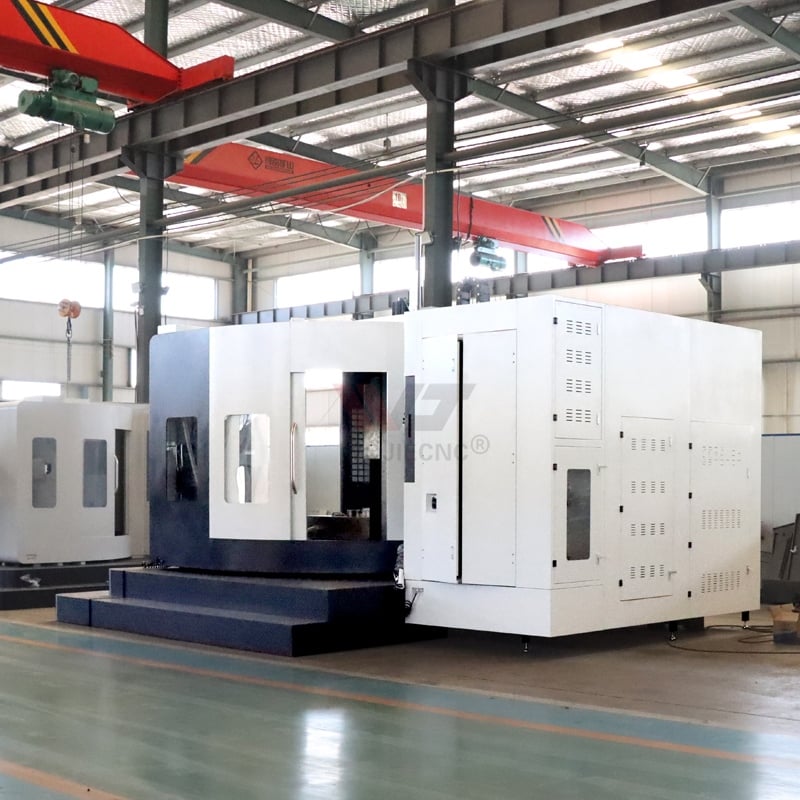
Heavy-part machining demands equipment that combines precision, stability, and efficiency in one integrated system. A horizontal machining center represents a transformational approach to manufacturing large, complex components with superior accuracy and reduced production cycles. The horizontal machining center has become the industry standard for operations requiring exceptional rigidity and multi-axis capability, particularly when working with substantial workpieces that demand consistent surface finish and tight dimensional tolerances.
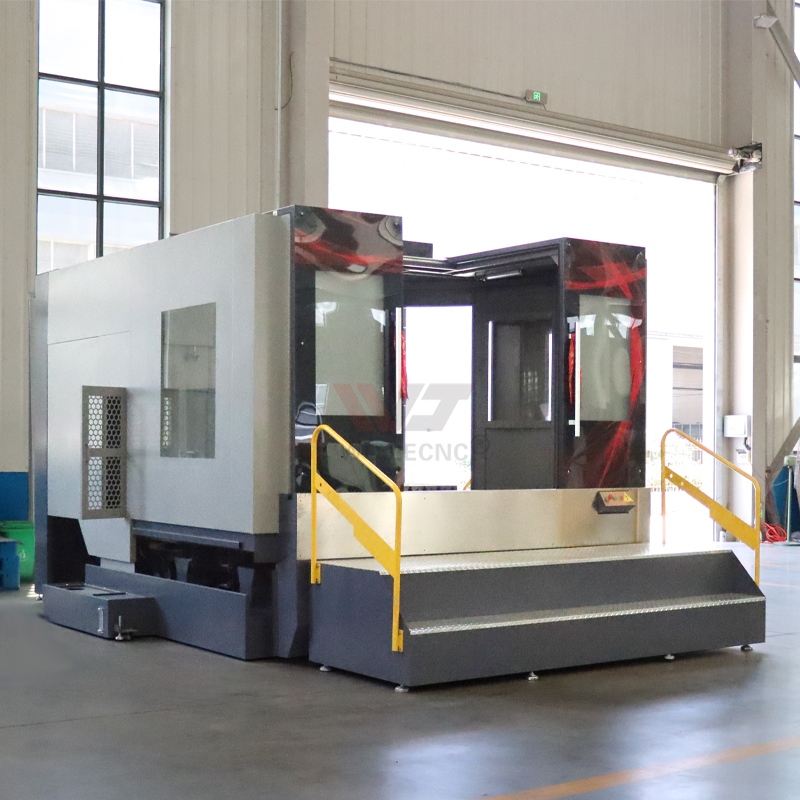
The horizontal machining center configuration differs fundamentally from traditional vertical setups, offering distinct advantages that directly impact production outcomes in heavy manufacturing. Understanding these advantages enables manufacturers to make informed capital equipment decisions that align with their production strategy and long-term competitive positioning. Whether your facility focuses on aerospace components, automotive structures, or industrial equipment, the horizontal machining center delivers performance characteristics specifically optimized for the demands of heavy-part processing.
Superior Spindle Orientation and Multi-Axis Capability
Horizontal Axis Design for Complex Geometries
The horizontal machining center positions the spindle parallel to the ground, enabling tools to approach workpieces from multiple angles without repositioning the entire part. This horizontal machining center configuration allows simultaneous access to multiple faces of large components, reducing setup time and minimizing part movement between operations. A horizontal machining center excels at processing intricate internal cavities, angled surfaces, and complex boss structures that would require multiple setup operations on conventional machines. The ability to perform simultaneous multi-axis operations on a horizontal machining center directly translates to shortened production cycles and reduced handling damage on valuable raw materials.
Chip Evacuation and Coolant Management
Gravity naturally assists chip removal on a horizontal machining center, as metal fragments fall away from the cutting zone rather than accumulating around the tool. This inherent advantage of the horizontal machining center prevents tool buildup, extends tool life, and maintains consistent surface finish throughout extended production runs. Superior coolant distribution on a horizontal machining center ensures optimal heat management during aggressive cutting operations on heavy parts. The horizontal machining center design eliminates the chip packing problems that plague vertical configurations, particularly during deep cavity machining where evacuation becomes critical for part quality.
Structural Rigidity and Precision Consistency
Enhanced Stability During Heavy Cutting Operations
Heavy-part machining generates substantial cutting forces that demand exceptional machine tool stiffness. A horizontal machining center distributes these forces along its horizontal spindle axis, leveraging the machine bed and supporting structure to resist deflection and vibration. This horizontal machining center rigidity remains consistent even during high-speed cutting at aggressive feeds, maintaining accuracy across surface areas spanning several meters. The horizontal machining center foundation design accommodates heavy workpieces while preserving spindle stability, a critical requirement when machining castings or forgings with variable hardness and internal stress concentrations.
Dimensional Accuracy and Surface Finish Quality
Precision manufacturers choose a horizontal machining center specifically for its ability to hold tight tolerances on large components where conventional machines would struggle. Each horizontal machining center incorporates thermal compensation systems and precision ballscrews that maintain accuracy even during extended machining cycles where heat generation affects tool position. A horizontal machining center enables consistent surface finishes across multiple faces without remounting, reducing the secondary operations needed for final component acceptance. The horizontal machining center configuration minimizes deflection under load, ensuring that features machined early in the cycle remain accurate to features completed hours later in the same setup.
Efficiency Gains and Operational Advantages
Reduced Setup Time and Production Cycle Reduction
Manufacturing efficiency improves dramatically with a horizontal machining center because complex parts complete in single setups that would previously require multiple machine transfers. The horizontal machining center positioning allows tool access from all necessary angles without rotating or repositioning heavy workpieces, eliminating setup delays and reducing operator handling time. Production cycle reduction with a horizontal machining center often exceeds thirty percent compared to multi-machine workflows, directly impacting cost per component and inventory turnover rates. A horizontal machining center investment accelerates time-to-production for new components and enhances the facility's capacity to handle rush orders without overtime expenses.
Improved Tool Utilization and Extended Equipment Life
The horizontal machining center configuration distributes cutting loads more uniformly than vertical alternatives, extending tool life and reducing replacement frequency. Operators achieve superior edge engagement on a horizontal machining center because tool approach angles remain optimal for most machining operations within a single setup. A horizontal machining center reduces tool breakage incidents associated with awkward cutting angles or difficult reach positions that compromise tool performance. The horizontal machining center design also simplifies tool changing operations through superior visibility and accessibility, enabling rapid tool swaps during long production runs.
FAQ
What workpiece sizes does a horizontal machining center accommodate?
A horizontal machining center typically handles workpieces ranging from several hundred kilograms to over ten metric tons, depending on the specific machine model and spindle capacity. The horizontal machining center design excels with rectangular and cylindrical parts requiring all-sides access, as well as complex components with multiple internal features. Standard horizontal machining center tables accommodate parts up to four meters in length, making this equipment essential for aerospace fuselage sections, automotive engine blocks, and large industrial housings.
How does a horizontal machining center compare to vertical configuration for heavy parts?
A horizontal machining center provides superior chip evacuation, reduced setup requirements, and better access to multiple part faces compared to vertical machines designed for lighter components. The horizontal machining center configuration maintains accuracy during extended cuts on heavy parts where vertical spindle deflection would compromise precision. While vertical machines suit smaller, simpler components, a horizontal machining center represents the optimal choice for complex heavy parts requiring consistent accuracy across multiple surfaces without repositioning.
What industries benefit most from horizontal machining center technology?
Aerospace manufacturers rely on horizontal machining center equipment for wing structures, fuselage sections, and engine components requiring exceptional accuracy and surface finish. The automotive industry employs horizontal machining center systems for engine blocks, transmission housings, and structural frames where production volume and precision tolerance justify the investment. Heavy equipment manufacturers, defense contractors, and specialized industrial sectors also leverage horizontal machining center capabilities for components where setup reduction and cycle time improvement directly impact profitability and competitive delivery performance.

