
 EN
EN



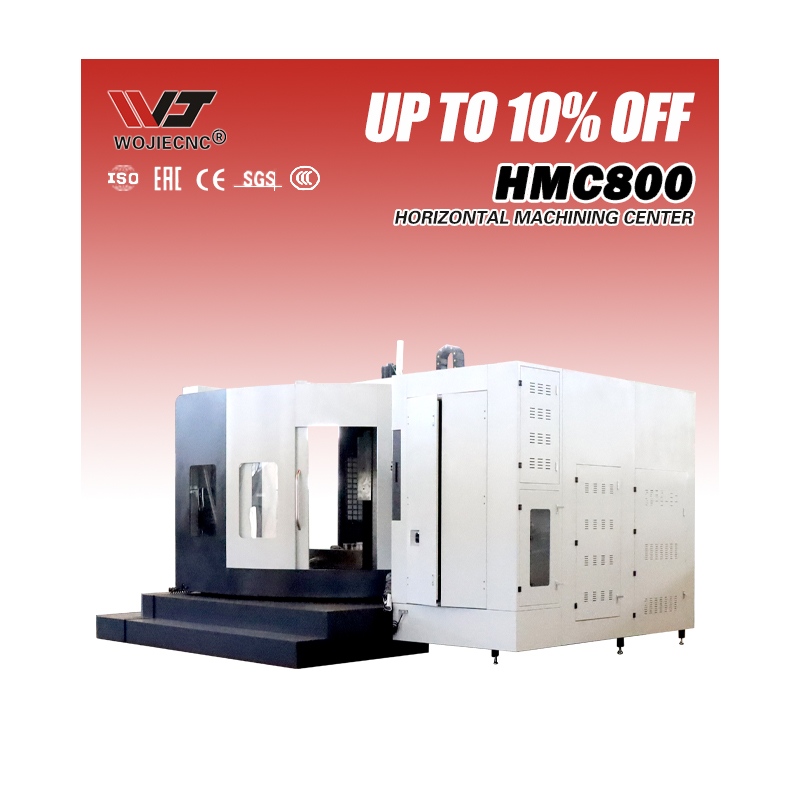
Achieving stable long-term precision in modern manufacturing demands more than purchasing equipment—it requires understanding which horizontal machining center design principles protect accuracy over years of continuous production. A horizontal machining center that maintains tight tolerances under thermal stress, vibration, and tool wear separates reliable operations from systems that experience costly precision drift. Manufacturing teams face critical pressure to deliver consistent part quality while minimizing downtime, making design-driven stability a competitive advantage rather than a luxury feature.
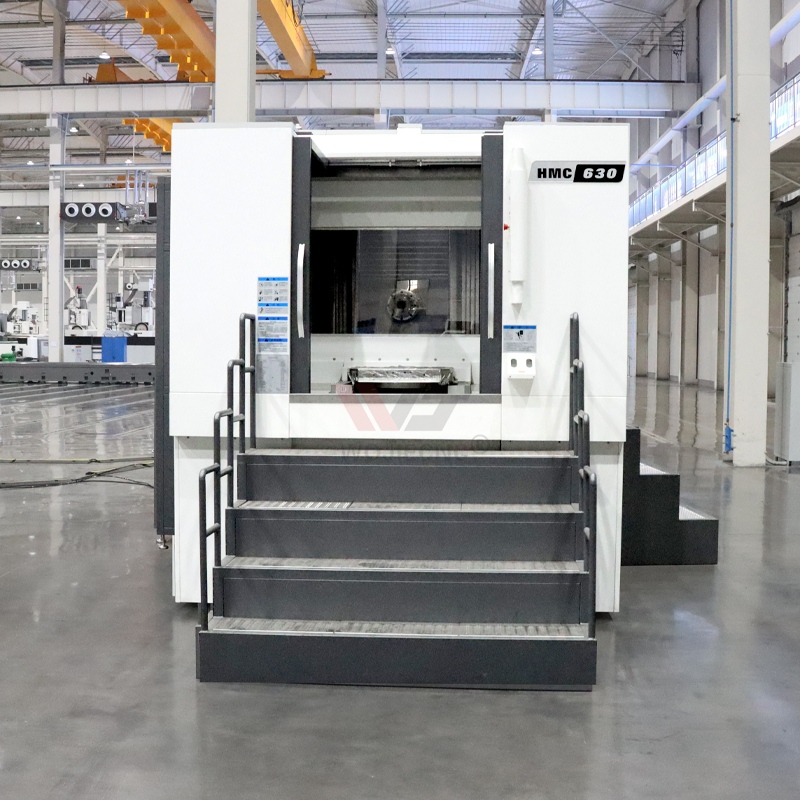
The structural architecture of a horizontal machining center directly influences its ability to maintain precision across extended production runs. Machines engineered with reinforced castings, optimized spindle bearing designs, and advanced thermal compensation systems demonstrate measurably superior holding of tight tolerances compared to conventionally built equipment. Understanding these foundational design elements enables manufacturers to make informed equipment selection decisions and protect their long-term manufacturing investment.
Structural Rigidity and Foundation Engineering
Cast Iron Structure and Vibration Damping
The foundation of a stable horizontal machining center begins with its structural material composition and design geometry. High-grade ductile iron castings with optimized ribbing patterns absorb cutting vibrations and dissipate energy that would otherwise translate into dimensional variation on finished parts. A horizontal machining center built with oversized cross-members, reinforced spindle housings, and strategically positioned internal webs resists deflection under heavy cutting loads, preserving precision throughout the production cycle. The mass distribution within the structure determines how effectively the horizontal machining center isolates cutting forces from the work envelope, with heavier base sections and thicker walls proving especially critical in multi-tool configurations where successive operations compound any existing runout errors.
Spindle Housing and Tool Interface Design
The spindle housing architecture represents a critical precision interface within a horizontal machining center assembly. Symmetrical support bearing arrangements, preloaded angular contact bearings, and robust pull-stud retention systems minimize axial and radial runout that compounds over time. A horizontal machining center exhibiting excellent spindle design maintains tool concentricity within micrometers even after thousands of tool changes, preventing the precision degradation common in machines with loose tapers or worn retention mechanisms. Advanced spindle designs incorporate isolation from coolant thermal effects through jacket geometries that prevent localized heating, preserving spindle centerline stability across the machine's operating temperature range.
Thermal Stability and Compensation Systems
Thermal Growth Management in Machine Tool Design
Every horizontal machining center experiences thermal expansion during operation as friction in spindle bearings, servo motors, and cutting processes generate heat. Unmanaged thermal growth translates directly into precision loss, with spindle centerline displacement, axis misalignment, and structural distortion undermining accuracy regardless of how tightly toleranced individual components are. A horizontal machining center with thermally stable architecture employs low-expansion materials where possible, optimizes coolant circulation to stabilize spindle and structural temperatures, and implements design geometries that cause thermal expansions to occur in directions that minimize their impact on tool offset and workpiece positioning. Cast iron's superior thermal mass compared to lighter materials provides inherent damping of thermal transients, making it a foundational material choice for precision horizontal machining center construction.
Active and Passive Thermal Compensation
Modern horizontal machining center systems incorporate both passive design features and active electronic compensation to maintain precision under thermal stress. Passive strategies include spindle temperature monitoring, jacketed heat exchangers that stabilize coolant temperature, and sealed cavity designs that prevent ambient air exchange from disrupting internal thermal equilibrium. Active compensation systems use embedded thermistors to detect thermal growth vectors and apply real-time axis offset corrections that counteract predictable expansion patterns. A horizontal machining center equipped with comprehensive thermal monitoring and compensation maintains repeatable accuracy within tight tolerance bands even during marathon production runs where machine temperature rises several degrees above ambient conditions.
Bearing Technology and Motion System Precision
High-Precision Linear Motion Architecture
The linear motion systems that position workpieces and control tool paths define practical precision limits in a horizontal machining center. Preloaded linear ball bearings and precision ground guideways minimize play and backlash that accumulates across the travel range, preventing the graduated positioning errors that emerge in older or loosely designed systems. A horizontal machining center with crossed-roller bearings or dual-carriage linear systems exhibits superior load distribution and stiffness compared to single-rail configurations, particularly for off-center loading patterns common in horizontal spindle orientations. Sealed bearing housings prevent coolant contamination that accelerates wear and precision loss, allowing a horizontal machining center to maintain consistent positioning repeatability throughout its operational lifespan.
Rotary Table and Indexing System Stability
Many horizontal machining center applications incorporate rotary tables or pallet changers that must position workpieces with angular precision matching linear axis requirements. A horizontal machining center with precision rotary bearings, hard-mounted servo drives, and minimal runout in the index mechanism preserves part accuracy through rotary operations that would otherwise introduce repeating angular errors across production batches. The interface between the rotary table and machine structure requires careful attention in horizontal machining center design—any compliance or play in this junction compromises the precision advantage gained from superior linear motion systems. Advanced rotary systems incorporate direct-drive servo motors, eliminating gearbox backlash that traditionally accumulated indexing errors in older horizontal machining center generations.
Maintenance, Calibration, and Long-Term Precision Preservation
Design Features that Support Precision Longevity
A horizontal machining center designed for stable long-term precision incorporates features that facilitate preventive maintenance and recalibration without sacrificing accuracy. Accessible bearing cartridges, modular spindle construction, and straightforward thermal sensor integration allow maintenance technicians to address wear patterns before they translate into production scrap. Design geometries that minimize coolant stagnation reduce bacterial growth and oil degradation that accelerates bearing wear—a primary cause of precision loss in horizontal machining center operations. A horizontal machining center with cleanout cavities, sealed spindle interfaces, and efficient chip evacuation patterns maintains internal cleanliness that directly correlates to extended periods between precision recalibration.
Selection Criteria for Long-Term Precision Stability
Evaluating a horizontal machining center for long-term precision requires examining specific design indicators rather than relying on nameplate specifications alone. Verify spindle runout specifications under full load, examine thermal compensation system sophistication, and confirm bearing preload methodology through manufacturer documentation. A horizontal machining center demonstrating superior casting finish quality, tight bearing fits, and advanced spindle cooling design indicates engineering-driven precision rather than cost-minimized assembly. Request historical precision data from manufacturers—a horizontal machining center maintaining documented accuracy over multi-year service periods provides stronger evidence of stable long-term design than specification sheets alone.
FAQ
What specific horizontal machining center design features prevent thermal drift?
A horizontal machining center prevents thermal drift through jacketed spindle cooling that stabilizes spindle temperature, sealed structural cavities that prevent ambient temperature fluctuation, and active thermal compensation systems that apply real-time axis offsets. Cast iron construction with optimized thermal mass provides passive thermal inertia, while liquid-cooled spindles remove bearing friction heat before it distorts spindle geometry. These combined features allow a horizontal machining center to maintain spindle centerline positioning within micrometers across temperature variations that would otherwise cause precision loss.
How does horizontal machining center rigidity affect precision stability over time?
A horizontal machining center's structural rigidity determines how effectively it isolates cutting forces and vibration from affecting workpiece positioning and tool wear patterns. Machines with reinforced castings, optimized ribbing patterns, and heavy base sections experience minimal deflection under sustained cutting loads, preventing the graduated accuracy loss common in less rigid designs. Over thousands of production cycles, a rigid horizontal machining center maintains consistent precision because the machine geometry remains stable, whereas machines with insufficient rigidity gradually shift their centerlines as microdeflections accumulate and components experience selective wear.
Why is bearing design critical in a horizontal machining center?
A horizontal machining center's precision depends fundamentally on bearing technology because bearings directly define spindle runout, axis positioning repeatability, and rotational centerline stability. Preloaded angular contact bearings eliminate radial play that compounds across the machine's travel range, while proper bearing fits and material selection resist the thermal expansion that undermines concentricity. Advanced bearing arrangements—such as crossed-roller or dual-carriage configurations—distribute loads more evenly than single-bearing designs, allowing a horizontal machining center to maintain tight tolerances despite the demanding forces inherent in high-production environments.

