
 EN
EN



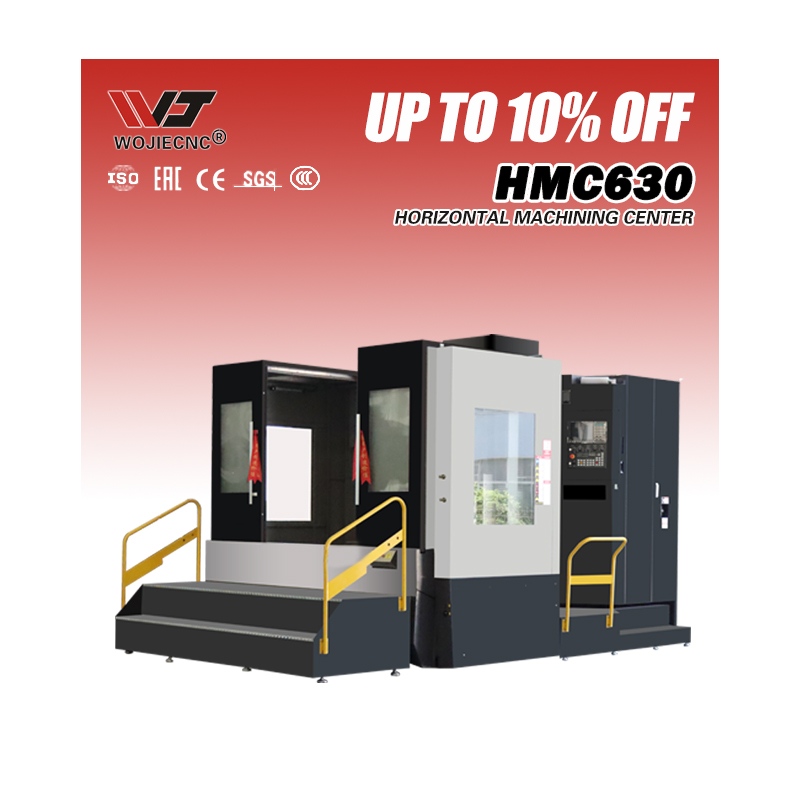
Modern manufacturing demands precision, speed, and reliability that traditional machining setups struggle to deliver consistently. A horizontal machining center addresses these limitations by combining advanced automation, multi-axis capability, and optimized chip evacuation into a single integrated platform. Understanding where a horizontal machining center outperforms traditional machining setups is essential for manufacturers seeking competitive advantage and operational efficiency in today's demanding production environment.
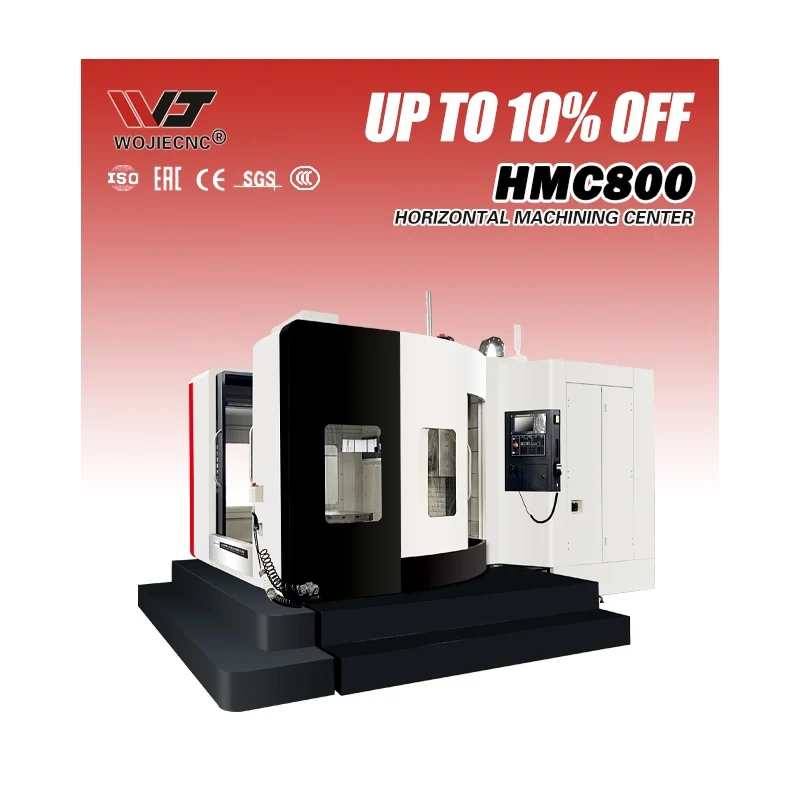
The distinction between a horizontal machining center and traditional setups extends beyond surface-level technology. Traditional machining operations rely on manual positioning, sequential tool changes, and operator-dependent quality control, creating bottlenecks that compound across production runs. A horizontal machining center eliminates these inefficiencies through automated workflows, simultaneous multi-axis machining, and integrated quality verification systems that maintain tight tolerances without manual intervention.
Superior Production Efficiency and Output Capacity
Continuous Spindle Operation and Reduced Cycle Times
A horizontal machining center operates with continuous spindle engagement, allowing simultaneous cutting on multiple sides of a workpiece without repositioning. Traditional setups require sequential operations: positioning the part, machining one face, stopping the spindle, manually rotating or repositioning the workpiece, and starting the spindle again. This repetitive cycle consumes significant time on every part processed. A horizontal machining center reduces cycle time by 40 to 60 percent by consolidating these operations into a single automated sequence, dramatically increasing throughput per machine hour.
The rotary table feature on a horizontal machining center enables parts to rotate while the spindle continues cutting, a capability that traditional milling machines cannot match. This continuous workflow translates directly into higher parts-per-hour output, allowing manufacturers to meet aggressive delivery schedules without adding machines or extending shifts. For high-volume production runs, a horizontal machining center justifies its investment through throughput gains alone.
Automated Tool Changing and Minimized Downtime
Tool changing represents a hidden cost driver in traditional machining environments. Operators must manually select, load, and unload tools for each operation, introducing delays and human error. A horizontal machining center features automatic tool changers that swap cutting tools in seconds, often while repositioning the part for the next operation. This parallel workflow eliminates dead time and maintains consistent tool offset accuracy, which traditional manual tool changes cannot guarantee.
Downtime reduction extends beyond tool changing. A horizontal machining center runs unattended during programmed cycles, allowing operators to tend multiple machines simultaneously. Traditional setups demand constant operator presence for positioning, monitoring, and adjustments. This shift in labor model reduces per-unit labor cost significantly while freeing operators for higher-value setup and quality tasks instead of repetitive manual interventions.
Dimensional Accuracy and Surface Finish Consistency
Computer Numeric Control Precision and Repeatability
A horizontal machining center achieves positioning accuracy within 0.002 to 0.005 inches, controlled entirely by computer numeric control systems that eliminate operator-induced variation. Traditional machine tools depend on operator skill and mechanical manual adjustments, which create part-to-part inconsistency. Even experienced operators produce scatter in dimensional outcomes due to tool wear, manual feed rate adjustments, and positioning errors. A horizontal machining center produces the first part to specification and every subsequent part identically, reducing scrap and rework.
The repeatability advantage intensifies during production runs of 100 or more parts. Traditional setups accumulate dimensional drift over time; a horizontal machining center maintains initial tolerances throughout the entire run because computer control compensates automatically for tool wear through offset adjustments. This consistency eliminates the quality-control step of intermittently checking parts and making manual corrections, accelerating both production and inspection timelines.
Advanced Coolant Management and Surface Quality
A horizontal machining center incorporates sophisticated coolant delivery systems that flood cutting zones with precise pressure and temperature control, producing superior surface finishes compared to traditional setups. Horizontal orientation allows chips to gravity-feed away from the cutting tool and part, preventing recutting that degrades surface quality. Traditional milling machines struggle with chip evacuation, especially on horizontal cuts, forcing slower feed rates to prevent chip re-engagement. A horizontal machining center handles aggressive feed rates because the machine geometry inherently supports chip removal.
Surface finish quality improves by 30 to 50 percent on average with a horizontal machining center, reducing or eliminating secondary finishing operations. Components that traditionally required hand polishing or chemical finishing exit a horizontal machining center ready for assembly or coating, accelerating downstream processes and reducing total part cost.
Operational Flexibility and Complex Part Capability
Multi-Axis Simultaneous Machining for Complex Geometry
A horizontal machining center integrates four or five axes of simultaneous motion, enabling complex geometries that traditional three-axis machines cannot produce without repositioning and manual setup. Features like compound angles, contoured surfaces, and internal pockets that require multiple setups on traditional equipment emerge in single cycles on a horizontal machining center. This consolidation reduces setup time, tooling changeovers, and dimensional stacking errors that accumulate when parts move between machines.
The ability to machine multiple faces and features without removing the part from the spindle eliminates datum shift problems inherent in traditional multitask machining. Parts requiring precision relationships between surfaces benefit enormously because a horizontal machining center maintains origin referencing throughout, whereas traditional setups must re-datum after each repositioning, introducing geometric error potential.
Rapid Changeover Between Different Part Programs
Switching a horizontal machining center from one part program to another requires loading a new CNC program and validating tool offsets, a process that takes 15 to 30 minutes including first-piece inspection. Traditional setups require physical tool and fixture changes, manual offset measurements, and operator-intensive trial cuts, often consuming 45 minutes to two hours. This flexibility advantage allows manufacturers to respond to customer schedule changes and market demand fluctuations without significant production delays, a competitive edge traditional operations cannot match.
FAQ
How much faster is a horizontal machining center compared to manual milling?
A horizontal machining center typically reduces cycle times by 40 to 60 percent for comparable parts due to simultaneous multi-axis capability, automated tool changing, and optimized chip evacuation. The exact improvement depends on part complexity and traditional setup configuration, but speed gains compound across high-volume production runs, delivering significant cumulative time savings.
Can a horizontal machining center reduce scrap and rework costs?
Yes, a horizontal machining center dramatically reduces scrap and rework by maintaining dimensional consistency throughout production runs. Computer numeric control eliminates operator-induced variation, while superior surface finish quality often eliminates secondary finishing operations, reducing both defects and secondary labor costs compared to traditional machining setups.
What industries benefit most from horizontal machining center adoption?
Aerospace, automotive, medical device, and industrial equipment manufacturers benefit most because these sectors demand precision tolerances, complex geometries, and high-volume consistency. A horizontal machining center is particularly advantageous for parts requiring multiple features on different surfaces, where traditional setups would need multiple repositioning steps and manual interventions.

