
 EN
EN



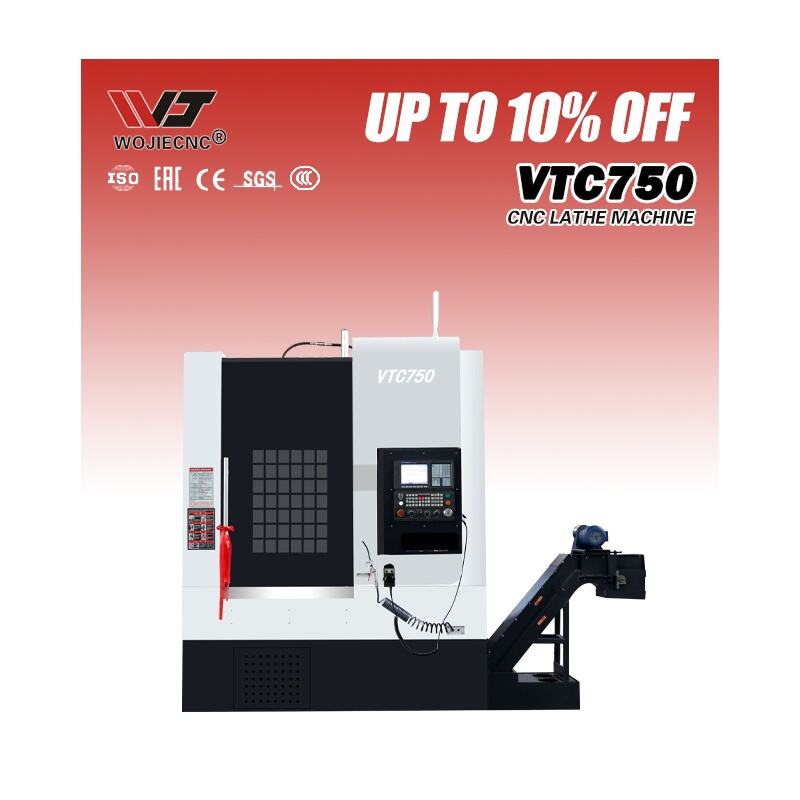
High-volume manufacturing operations face unprecedented demands for precision, consistency, and production efficiency in today's competitive industrial landscape. Modern manufacturers require reliable machinery that can deliver identical results across thousands of production cycles while maintaining strict quality standards. The cnc lathe has emerged as the cornerstone technology that enables manufacturers to achieve these demanding objectives, providing automated precision that manual operations simply cannot match.
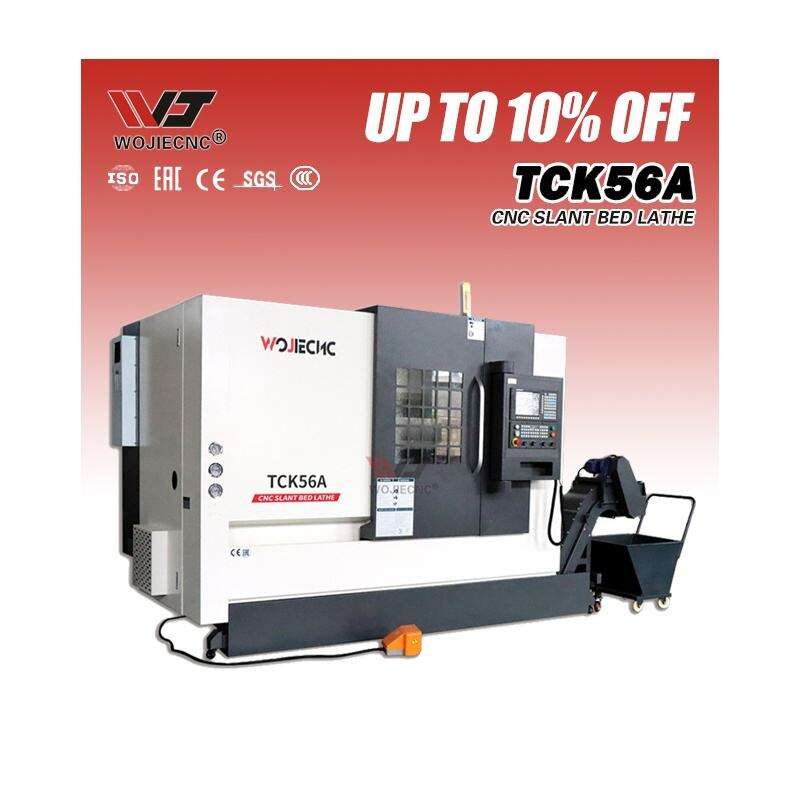
The transition from conventional machining methods to computer-controlled systems represents a fundamental shift in manufacturing philosophy. Traditional lathe operations depend heavily on operator skill and manual adjustments, creating inherent variability in finished products. Each cnc lathe operation follows programmed instructions with mathematical precision, eliminating human error factors that can compromise product quality. This technological advancement allows manufacturers to scale production volumes while simultaneously improving dimensional accuracy and surface finish quality.
Precision Engineering Through Computer Control
Advanced Programming Capabilities
Modern cnc lathe systems utilize sophisticated programming languages that translate engineering specifications into precise machine movements. These programs control spindle speeds, feed rates, tool positioning, and cutting parameters with remarkable accuracy. Manufacturing engineers can input complex geometrical specifications that would be virtually impossible to achieve through manual machining methods. The programming flexibility allows for intricate part geometries, multiple operations in single setups, and consistent reproduction of complex features across entire production runs.
Computer-aided manufacturing software integrates seamlessly with cnc lathe controllers, enabling rapid program development and optimization. Engineers can simulate cutting operations virtually before actual production begins, identifying potential issues and optimizing toolpaths for maximum efficiency. This preview capability significantly reduces setup time and minimizes material waste during initial production phases. The ability to store and recall programs ensures that identical parts can be manufactured months or years apart with identical specifications.
Automated Tool Management Systems
Sophisticated tool management systems within cnc lathe configurations automatically select appropriate cutting tools based on programmed requirements. These systems maintain precise tool offset measurements, compensating for tool wear and ensuring consistent dimensional accuracy throughout extended production runs. Automatic tool changers eliminate manual intervention between operations, reducing cycle times and maintaining continuous production flow. Tool life monitoring systems track cutting tool performance, providing predictive maintenance alerts before tool failure occurs.
The integration of tool measurement probes allows cnc lathe systems to automatically verify tool dimensions and adjust cutting parameters accordingly. This capability ensures that each cutting tool performs within specified tolerance ranges, maintaining part quality even as tools experience normal wear patterns. Advanced tool management reduces the skill requirements for machine operators while simultaneously improving overall production consistency and reducing manufacturing costs associated with tool-related defects.
Production Efficiency and Throughput Optimization
Continuous Operation Capabilities
High-volume manufacturers depend on cnc lathe systems for their ability to operate continuously with minimal supervision. Automated workpiece loading and unloading systems enable lights-out manufacturing, where production continues during non-working hours without operator presence. Bar feeders and robotic handling systems maintain consistent material supply, ensuring uninterrupted production flow. These automated systems significantly increase machine utilization rates while reducing labor costs associated with manual material handling.
Multi-axis cnc lathe configurations can perform multiple machining operations simultaneously, drastically reducing cycle times compared to sequential operations on separate machines. Live tooling capabilities allow turning and milling operations within single setups, eliminating secondary operations and reducing work-in-progress inventory. The combination of automated material handling and multi-operation capabilities enables manufacturers to achieve production rates that would require multiple conventional machines and operators.
Quality Assurance Integration
In-process measurement systems integrated within cnc lathe configurations provide real-time quality verification without interrupting production cycles. Probe systems measure critical dimensions automatically, comparing results against programmed tolerances and making automatic adjustments when necessary. Statistical process control data collection enables manufacturers to identify trends and prevent quality issues before they affect significant quantities of production parts.
Automated quality systems reduce inspection labor costs while providing more comprehensive quality data than manual inspection methods. Real-time quality feedback enables immediate corrective actions, minimizing scrap production and ensuring consistent product quality. The integration of quality assurance functions within cnc lathe operations supports lean manufacturing principles by eliminating waste and optimizing production flow efficiency.
Economic Advantages in High-Volume Production
Labor Cost Optimization
The implementation of cnc lathe technology significantly reduces direct labor requirements for high-volume production operations. Single operators can supervise multiple cnc lathe systems simultaneously, dramatically improving labor productivity compared to manual machining operations. Automated systems reduce the dependency on highly skilled machinists, allowing manufacturers to utilize less experienced operators for routine production tasks while reserving skilled personnel for setup and programming activities.
Consistent cnc lathe operation reduces training requirements and minimizes the learning curve associated with new employee integration. Standardized operating procedures and automated safety systems reduce workplace accidents and associated costs. The predictable nature of cnc lathe operations enables more accurate production planning and labor scheduling, improving overall operational efficiency and reducing overtime requirements during peak production periods.
Material Waste Reduction
Precise cnc lathe operations minimize material waste through optimized cutting strategies and consistent dimensional accuracy. Computer-controlled cutting parameters ensure optimal material removal rates while maintaining surface finish requirements. Predictable tool performance and automated tool management systems reduce scrap production caused by tool failures or dimensional variations. Near-net-shape manufacturing capabilities reduce subsequent finishing operations and associated material losses.
Advanced nesting algorithms optimize material utilization when processing bar stock or other raw materials. Cnc lathe programming can accommodate material variations and automatically adjust cutting parameters to maintain quality standards. The combination of precise material removal and optimized cutting strategies significantly reduces raw material costs per finished part, providing substantial cost advantages in high-volume manufacturing environments.
Technological Adaptability and Future Readiness
Industry 4.0 Integration
Modern cnc lathe systems seamlessly integrate with Industry 4.0 manufacturing concepts, providing connectivity and data exchange capabilities that support smart manufacturing initiatives. Machine-to-machine communication enables coordinated production planning across multiple manufacturing cells, optimizing overall facility throughput. Real-time production data collection supports predictive maintenance programs and enables data-driven decision making for continuous improvement initiatives.
Cloud-based monitoring systems allow remote supervision of cnc lathe operations, enabling expert support and troubleshooting without physical presence. Artificial intelligence algorithms analyze production data to identify optimization opportunities and predict potential equipment failures before they impact production schedules. The connectivity capabilities of modern cnc lathe systems position manufacturers to take advantage of emerging technologies and manufacturing methodologies.
Scalability and Flexibility
Cnc lathe systems provide exceptional scalability for manufacturers experiencing growth in production demands. Additional machines can be integrated into existing production lines with minimal disruption, utilizing existing programming and setup procedures. Standardized tooling and programming approaches enable rapid capacity expansion without extensive retraining or process redevelopment. The modular nature of cnc lathe installations supports phased capacity increases aligned with business growth patterns.
Programming flexibility enables cnc lathe systems to accommodate design changes and new product introductions without major equipment modifications. Version control systems maintain program libraries that support multiple product variants and revision levels. The adaptability of cnc lathe technology ensures long-term equipment viability even as product requirements evolve and manufacturing demands change over time.
FAQ
What makes cnc lathe operations more consistent than manual machining
Cnc lathe systems eliminate human variability factors that affect manual machining operations. Computer control ensures identical cutting parameters, feed rates, and tool positioning across all production cycles. Automated systems maintain consistent spindle speeds and cutting forces that manual operators cannot replicate with the same precision. The programmed nature of cnc lathe operations removes subjective decision-making that can introduce dimensional variations in manually operated equipment.
How do cnc lathe systems reduce production costs in high-volume manufacturing
Cnc lathe technology reduces production costs through multiple mechanisms including reduced labor requirements, minimized material waste, and improved equipment utilization. Automated operations enable single operators to manage multiple machines simultaneously, significantly reducing direct labor costs per part. Precise cutting operations minimize material waste and reduce secondary finishing requirements. Continuous operation capabilities maximize machine utilization rates, spreading fixed costs across larger production volumes.
What maintenance requirements are associated with cnc lathe systems
Cnc lathe maintenance involves routine preventive care including lubrication, coolant system maintenance, and periodic calibration verification. Predictive maintenance programs monitor machine performance parameters to identify potential issues before failures occur. Tool management systems track cutting tool performance and provide replacement scheduling recommendations. While cnc lathe systems require specialized technical knowledge for major repairs, routine maintenance can be performed by trained maintenance personnel following manufacturer procedures.
Can cnc lathe systems handle complex geometries in high-volume production
Modern cnc lathe configurations excel at producing complex geometries consistently across high-volume production runs. Multi-axis capabilities enable machining of intricate contours and features that would be impossible with conventional equipment. Live tooling systems allow combination turning and milling operations within single setups, reducing handling and setup times. Advanced programming capabilities support complex interpolation movements and coordinate transformations necessary for sophisticated part geometries while maintaining production efficiency.

