
 EN
EN



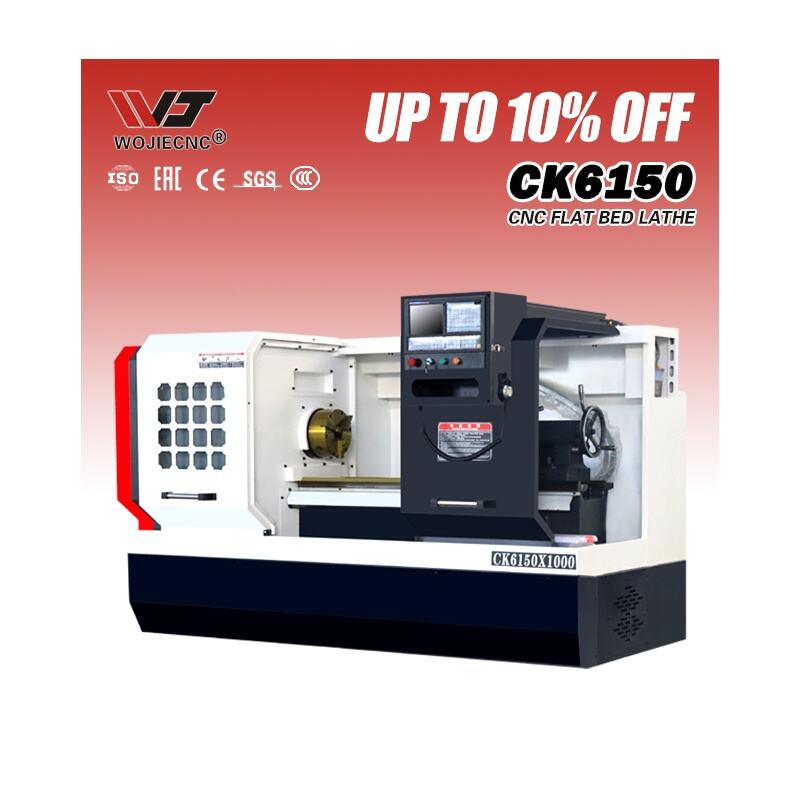
Manufacturing complex components efficiently requires precision, speed, and reliability that traditional machining methods often struggle to deliver. A cnc lathe represents a transformative solution for manufacturers seeking to optimize their production processes while maintaining exceptional quality standards. This advanced manufacturing technology combines computer-controlled precision with versatile machining capabilities, enabling companies to produce intricate parts with minimal human intervention and maximum consistency.
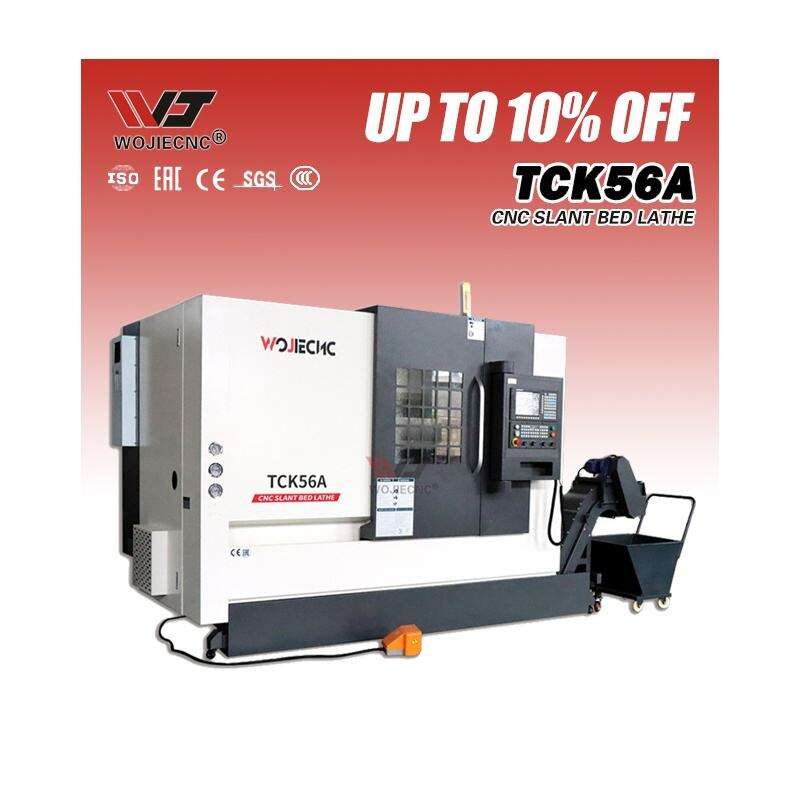
Understanding CNC Lathe Technology and Its Core Advantages
Fundamental Principles of Computer Numerical Control
Computer Numerical Control technology revolutionizes traditional turning operations by replacing manual controls with precise digital commands. A cnc lathe operates through programmed instructions that control spindle speed, tool movement, and cutting parameters with microscopic accuracy. This automation eliminates human error while ensuring consistent results across thousands of production cycles. The integration of servo motors, linear encoders, and advanced feedback systems enables these machines to achieve tolerances that would be impossible through manual operation.
Modern cnc lathe systems incorporate sophisticated software that translates CAD designs directly into machining instructions. This seamless workflow reduces setup time dramatically while enabling manufacturers to produce complex geometries with confidence. The ability to store and recall programs means that returning to previous jobs requires minimal preparation, making small-batch production economically viable.
Precision and Repeatability in Component Manufacturing
The cornerstone advantage of cnc lathe technology lies in its exceptional precision and repeatability. These machines maintain tolerances within micrometers consistently, ensuring that every component meets exact specifications regardless of production volume. This reliability proves particularly valuable when manufacturing critical components for aerospace, medical, or automotive applications where dimensional accuracy directly impacts performance and safety.
Advanced cnc lathe systems feature thermal compensation algorithms that adjust for temperature variations throughout production runs. This intelligent adaptation maintains dimensional accuracy even during extended operations, preventing the drift that commonly affects conventional machines. The result is uniform quality that meets the most demanding industrial standards.
Streamlining Production Through Advanced Automation Features
Reduced Setup Times and Changeover Efficiency
Traditional lathe operations require extensive manual setup procedures that can consume hours of production time. A cnc lathe dramatically reduces these setup requirements through automated tool changes, programmable workholding, and digital offset adjustments. Modern systems can switch between different component programs in minutes rather than hours, maximizing productive machine time and improving overall equipment effectiveness.
Quick-change tooling systems integrated into cnc lathe designs enable rapid transitions between cutting operations. These systems maintain precise tool positioning automatically, eliminating the time-consuming alignment procedures required with conventional machines. The ability to pre-set tools offline further reduces changeover times, allowing operators to prepare for the next job while the current program runs.
Integrated Quality Control and Real-Time Monitoring
Modern cnc lathe systems incorporate sophisticated monitoring capabilities that track cutting conditions, tool wear, and dimensional accuracy in real-time. These integrated quality control features detect variations before they result in defective parts, preventing waste and maintaining production schedules. Automatic compensation algorithms adjust cutting parameters dynamically to maintain optimal performance throughout the production run.
Predictive maintenance capabilities built into advanced cnc lathe systems analyze vibration patterns, cutting forces, and thermal conditions to predict potential issues before they cause downtime. This proactive approach minimizes unexpected interruptions while extending tool life and machine reliability. The combination of monitoring and predictive capabilities ensures consistent production output.
Complex Component Capabilities and Versatile Machining Operations
Multi-Axis Machining for Intricate Geometries
Contemporary cnc lathe technology extends far beyond simple turning operations through multi-axis capabilities that enable complex component production in single setups. These advanced machines combine turning, milling, drilling, and threading operations seamlessly, eliminating the need for multiple machine transfers and reducing cumulative errors. The integration of live tooling and sub-spindles enables complete part machining from raw material to finished component.
Y-axis capabilities in modern cnc lathe systems allow for off-center machining operations that were previously impossible on conventional turning machines. This capability enables the production of complex profiles, keyways, and cross-holes without requiring secondary operations. The ability to complete complex components in a single setup dramatically reduces production time while improving dimensional accuracy.
Advanced Programming and Simulation Capabilities
Sophisticated programming software enables cnc lathe operators to create complex machining sequences through intuitive interfaces that require minimal manual coding. Conversational programming features guide users through setup procedures while automatically generating optimized tool paths. These user-friendly interfaces reduce programming time while minimizing the potential for errors that could damage tools or workpieces.
Integrated simulation capabilities allow operators to verify programs before running actual parts, identifying potential collisions or inefficient tool paths in a virtual environment. This verification process prevents costly mistakes while enabling optimization of cycle times and tool usage. The combination of advanced programming and simulation features significantly reduces the learning curve for cnc lathe operation.
Economic Benefits and Return on Investment Considerations
Labor Efficiency and Skill Requirements
Implementing cnc lathe technology transforms labor requirements by enabling a single operator to manage multiple machines simultaneously. The automation inherent in these systems reduces the need for highly skilled machinists while enabling existing personnel to focus on higher-value activities such as programming, setup, and quality assurance. This efficiency gain translates directly into reduced labor costs per component produced.
Training requirements for cnc lathe operation, while initially intensive, provide long-term benefits through improved job satisfaction and career advancement opportunities for operators. The transferable skills developed through cnc lathe experience prepare workers for advanced manufacturing roles while reducing turnover rates. Investment in proper training programs ensures optimal utilization of cnc lathe capabilities.
Material Utilization and Waste Reduction
Precise control over cutting parameters enables cnc lathe systems to optimize material utilization through advanced nesting algorithms and efficient tool paths. The ability to machine parts to near-net shape reduces material waste significantly compared to conventional methods. Consistent dimensional accuracy eliminates the need for oversized tolerances that result in unnecessary material removal during finishing operations.
Automated monitoring systems detect potential issues before they result in scrapped parts, further reducing material waste and associated costs. The combination of precise control and intelligent monitoring ensures that material resources are utilized efficiently throughout the production process. These efficiency gains contribute significantly to overall cost reduction and improved profitability.
Implementation Strategies and Best Practices
Selection Criteria for Optimal CNC Lathe Configuration
Choosing the appropriate cnc lathe configuration requires careful analysis of current and anticipated production requirements. Factors such as component size, material types, production volumes, and precision requirements all influence the optimal machine specification. Consideration of future growth plans ensures that the selected cnc lathe system can accommodate expanding production needs without requiring premature replacement.
Integration capabilities with existing manufacturing systems play a crucial role in cnc lathe selection. Modern machines offer extensive connectivity options that enable seamless integration with production planning, quality management, and maintenance systems. This connectivity maximizes the value of manufacturing data while enabling advanced analytics and continuous improvement initiatives.
Training and Workforce Development Programs
Successful cnc lathe implementation requires comprehensive training programs that address programming, operation, and maintenance requirements. Structured training curricula ensure that operators develop the skills necessary to utilize advanced features effectively while maintaining safety standards. Ongoing education programs keep personnel current with evolving technology and best practices.
Collaboration with machine tool suppliers often provides access to specialized training resources and technical support that accelerate the learning process. These partnerships ensure that operators receive manufacturer-specific knowledge while establishing relationships that support long-term success. Investment in proper training programs maximizes the return on cnc lathe technology investments.
Future Trends and Technological Advancements
Industry 4.0 Integration and Smart Manufacturing
The evolution of cnc lathe technology increasingly focuses on integration with Industry 4.0 principles and smart manufacturing initiatives. Advanced connectivity enables real-time data exchange between machines, production planning systems, and quality management platforms. This integration facilitates predictive maintenance, dynamic scheduling, and autonomous quality control that further enhance production efficiency.
Artificial intelligence and machine learning capabilities are being integrated into cnc lathe control systems to optimize cutting parameters automatically based on real-time conditions. These intelligent systems continuously improve performance through analysis of historical data and current operating conditions. The result is enhanced productivity and quality that adapts to changing production requirements.
Emerging Technologies and Future Capabilities
Developments in sensor technology and edge computing are enabling new levels of process monitoring and control in cnc lathe systems. Advanced sensors provide detailed information about cutting conditions, tool wear, and part quality that enables more precise control over the manufacturing process. These capabilities support lights-out manufacturing and unmanned operations that maximize equipment utilization.
Integration of additive manufacturing capabilities with traditional cnc lathe operations represents an emerging trend that could revolutionize component production. Hybrid systems that combine subtractive and additive processes enable new design possibilities while maintaining the precision and surface quality advantages of conventional machining. These innovations expand the potential applications for cnc lathe technology.
FAQ
What types of materials can be effectively machined on a CNC lathe
A cnc lathe can effectively machine a wide variety of materials including metals such as steel, aluminum, brass, titanium, and exotic alloys, as well as engineering plastics and composites. The key factors for successful machining include proper tool selection, appropriate cutting parameters, and adequate workholding systems. Modern cnc lathe systems offer the flexibility to optimize cutting conditions for each material type automatically.
How does CNC lathe programming complexity compare to manual machining setup
While cnc lathe programming requires initial learning and setup time, it ultimately reduces overall complexity compared to manual machining. Modern conversational programming interfaces guide operators through setup procedures, and once programs are developed, they can be reused indefinitely. The time investment in programming pays dividends through consistent results and reduced setup time for repeat jobs.
What maintenance requirements are associated with CNC lathe systems
Regular maintenance for a cnc lathe includes routine lubrication, coolant system maintenance, and periodic calibration checks. Preventive maintenance schedules typically involve daily operator checks, weekly detailed inspections, and monthly precision verification procedures. Modern systems provide automated maintenance reminders and diagnostic capabilities that simplify maintenance planning and execution.
How do I determine the appropriate CNC lathe size for my production needs
Selecting the appropriate cnc lathe size depends on the maximum component dimensions, material types, and production volumes in your application. Consider both current requirements and anticipated growth when evaluating machine capacity. Consulting with experienced machine tool suppliers helps ensure that the selected cnc lathe configuration meets both immediate needs and future expansion plans while optimizing the investment return.
Table of Contents
- Understanding CNC Lathe Technology and Its Core Advantages
- Streamlining Production Through Advanced Automation Features
- Complex Component Capabilities and Versatile Machining Operations
- Economic Benefits and Return on Investment Considerations
- Implementation Strategies and Best Practices
- Future Trends and Technological Advancements
- FAQ

