
 EN
EN



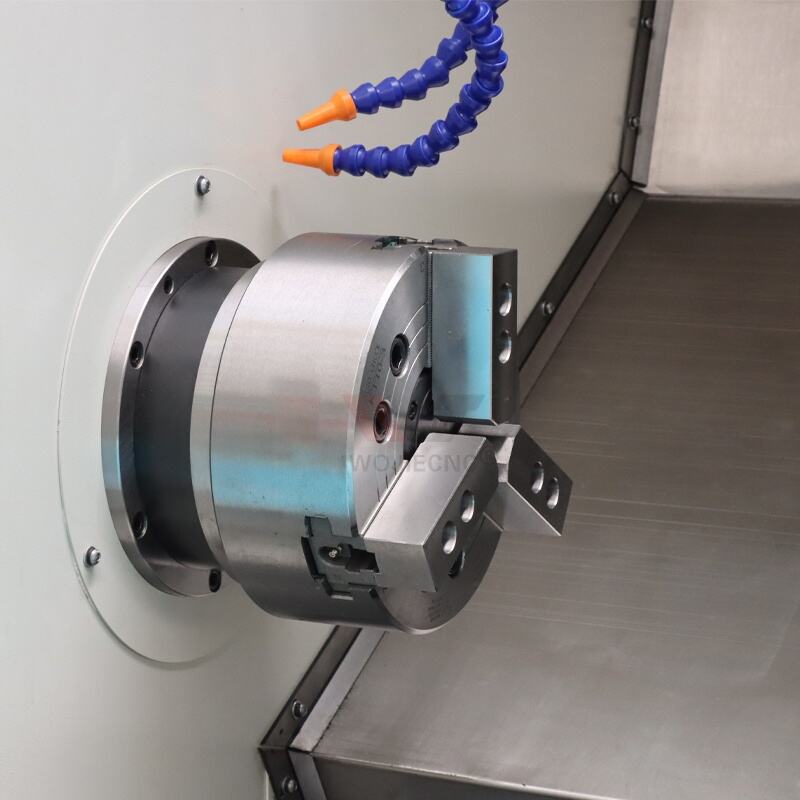
Manufacturing companies across the globe are constantly seeking innovative ways to optimize their production processes while maintaining competitive operational costs. The integration of automated machining solutions has revolutionized how businesses approach precision manufacturing, offering substantial opportunities for cost reduction and efficiency improvements. Among these technological advancements, the cnc lathe stands out as a transformative piece of equipment that can dramatically reduce labor expenses while simultaneously enhancing productivity and quality standards. Modern manufacturing facilities that strategically implement cnc lathe technology often experience significant labor cost savings within the first year of operation, making it an attractive investment for businesses looking to streamline their machining operations.
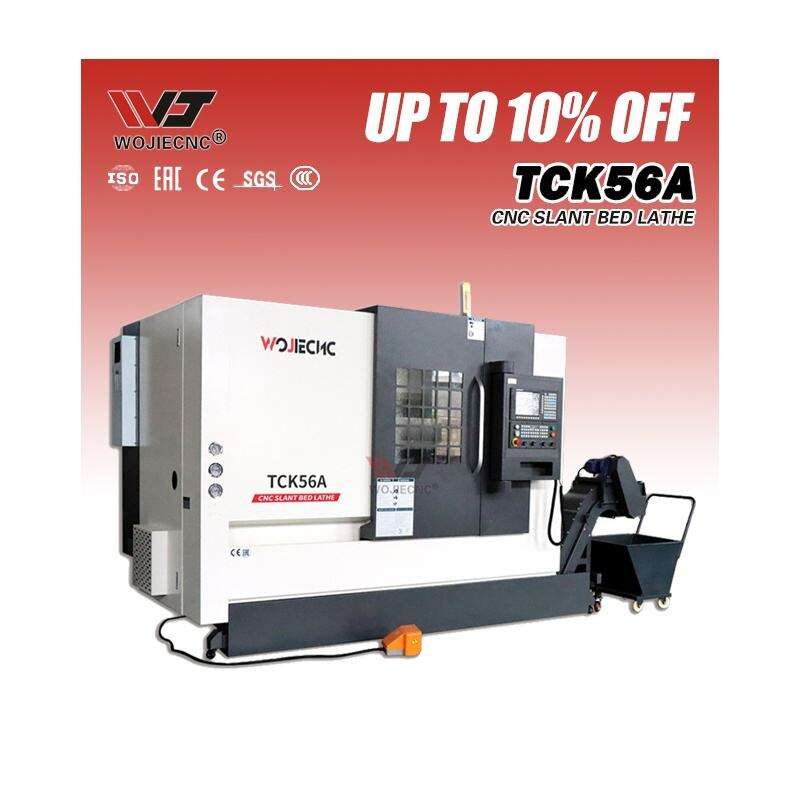
Automation and Reduced Manual Intervention
Elimination of Constant Operator Supervision
Traditional manual lathes require skilled operators to continuously monitor and adjust machining parameters throughout the entire production cycle. This constant supervision demands significant human resources and increases labor costs substantially. A cnc lathe operates through computer-controlled programming, allowing operators to set up the machine, load the program, and perform other tasks while the machine runs autonomously. The automated nature of cnc lathe operations means that a single operator can effectively manage multiple machines simultaneously, dramatically reducing the labor-to-output ratio. This efficiency gain translates directly into lower labor costs per manufactured component, making production more economically viable for businesses of all sizes.
The precision and consistency of automated cnc lathe operations also eliminate the need for extensive quality control personnel during the machining process. Traditional machining often requires dedicated quality inspectors to monitor dimensional accuracy and surface finish throughout production runs. With cnc lathe technology, the programmed parameters ensure consistent results, reducing the need for continuous human oversight and quality verification. This reduction in quality control staffing requirements further contributes to overall labor cost savings while maintaining superior product quality standards.
Extended Operating Hours and Lights-Out Manufacturing
One of the most significant labor cost advantages of cnc lathe implementation is the capability for extended operating hours without proportional increases in labor expenses. Traditional machining operations typically operate during standard business hours when skilled operators are available and willing to work. However, a cnc lathe can operate continuously for extended periods, including overnight and weekend shifts, with minimal human supervision. This extended operational capacity allows manufacturers to maximize machine utilization while minimizing labor costs associated with premium shift differentials and overtime compensation.
Lights-out manufacturing, where cnc lathe machines operate autonomously during off-hours, represents the pinnacle of labor cost efficiency in modern machining operations. Advanced cnc lathe systems equipped with automatic tool changers, part handling systems, and remote monitoring capabilities can run entire production batches without human intervention. This operational model allows companies to achieve 24-hour productivity while maintaining standard daytime staffing levels, effectively tripling production capacity without tripling labor costs. The economic impact of this operational efficiency can be transformative for businesses seeking to remain competitive in global markets.
Reduced Training Requirements and Skill Dependency
Simplified Operation Compared to Manual Machining
Operating a traditional manual lathe requires extensive training and years of experience to achieve proficiency in complex machining operations. Skilled machinists command premium wages due to their specialized knowledge and ability to produce precise components through manual control and measurement. In contrast, a cnc lathe significantly reduces the skill level required for basic operations, as the computer programming handles complex calculations and precise movements automatically. This reduction in required expertise allows manufacturers to employ less specialized personnel at lower wage rates while maintaining high-quality production standards.
The user-friendly interfaces of modern cnc lathe systems enable operators with basic technical training to perform sophisticated machining operations that would traditionally require master-level craftsmen. Programming software has evolved to include intuitive graphical interfaces and automated toolpath generation, making it possible for technicians with moderate training to operate cnc lathe equipment effectively. This accessibility reduces recruitment costs and training time while expanding the pool of potential operators, giving manufacturers greater flexibility in staffing decisions and wage negotiations.
Standardized Programming and Reduced Learning Curves
The standardized programming languages and operational procedures used in cnc lathe systems create significant training efficiencies compared to traditional machining methods. Once operators learn the fundamental principles of cnc lathe programming and operation, they can quickly adapt to different machines and applications within the same technology family. This transferability of skills reduces the time and cost associated with training personnel for new projects or equipment upgrades, providing long-term labor cost advantages for growing manufacturing operations.
Modern cnc lathe systems often include comprehensive training simulators and educational resources that accelerate the learning process for new operators. These integrated training tools allow personnel to develop proficiency without consuming valuable production time or risking expensive materials and tooling. The efficiency of cnc lathe training programs means that manufacturers can quickly develop internal expertise and reduce dependence on expensive external contractors or highly specialized personnel.
Enhanced Productivity and Output Efficiency
Faster Cycle Times and Increased Throughput
The precision and speed capabilities of cnc lathe technology enable significantly faster cycle times compared to manual machining operations. Computer-controlled movements eliminate the hesitation, measurement delays, and human error factors that slow traditional machining processes. A cnc lathe can execute complex machining sequences at optimal speeds while maintaining dimensional accuracy, resulting in higher part production rates with the same or reduced labor input. This increased throughput directly translates to lower labor costs per manufactured component, improving the overall economics of production operations.
Advanced cnc lathe systems incorporate features such as high-speed spindles, rapid traverse rates, and optimized toolpath algorithms that maximize material removal rates while preserving tool life and part quality. These technological capabilities allow manufacturers to complete machining operations in significantly less time than traditional methods, enabling higher daily production volumes without proportional increases in labor expenses. The compounding effect of these efficiency gains becomes particularly significant in high-volume production environments where even small cycle time improvements can yield substantial cost savings.
Consistent Quality Reducing Rework and Waste
The exceptional repeatability and precision of cnc lathe operations dramatically reduce the incidence of defective parts and the associated labor costs of rework and scrap handling. Manual machining operations are subject to human variation, fatigue, and measurement errors that can result in out-of-specification components requiring costly corrective actions. A cnc lathe maintains consistent machining parameters throughout production runs, ensuring that every part meets specified dimensional and surface finish requirements without additional labor-intensive quality control measures.
The reduction in rework and scrap rates achieved through cnc lathe implementation has far-reaching labor cost implications beyond the immediate manufacturing process. Fewer defective parts mean reduced requirements for inspection personnel, rework technicians, and administrative staff needed to manage quality issues and customer complaints. This comprehensive quality improvement reduces total labor costs throughout the entire production and delivery chain, making cnc lathe investment an attractive proposition for manufacturers focused on operational excellence and cost optimization.
Long-term Economic Benefits and ROI Considerations
Scalability and Future Growth Accommodation
Investing in cnc lathe technology provides manufacturers with scalable production capabilities that can accommodate business growth without proportional increases in labor costs. As production volumes increase, cnc lathe systems can handle higher workloads through extended operating hours and improved efficiency rather than requiring additional skilled personnel. This scalability feature makes cnc lathe investment particularly attractive for growing companies that need to maintain competitive cost structures while expanding their market presence and production capacity.
The modular nature of modern cnc lathe systems allows manufacturers to gradually expand their automated machining capabilities as business conditions warrant, spreading investment costs over time while immediately beginning to realize labor cost savings. This incremental implementation approach enables companies to optimize their return on investment while building expertise and confidence in cnc lathe operations. The flexibility to add auxiliary equipment, automation systems, and advanced software capabilities ensures that cnc lathe investments remain relevant and cost-effective throughout their operational lifespan.
Competitive Positioning and Market Advantages
The labor cost advantages achieved through cnc lathe implementation provide manufacturers with significant competitive positioning benefits in price-sensitive markets. Companies that successfully reduce their production costs through automated machining can offer more competitive pricing while maintaining healthy profit margins, enabling them to win additional business and grow market share. This competitive advantage becomes particularly important in global markets where manufacturers compete against facilities with varying labor cost structures and technological capabilities.
The precision and efficiency capabilities of cnc lathe systems also enable manufacturers to pursue higher-value markets and applications that require superior quality and faster delivery times. These premium market opportunities often command higher prices that more than offset the initial investment in cnc lathe technology, creating additional revenue streams that further improve the return on investment. The combination of reduced labor costs and expanded market opportunities makes cnc lathe implementation a strategic business decision that supports long-term growth and profitability objectives.
FAQ
How quickly can a cnc lathe pay for itself through labor cost savings
The payback period for cnc lathe investment through labor cost savings typically ranges from 12 to 36 months, depending on the specific application, production volume, and current labor costs. Manufacturers operating multiple shifts or producing high-volume parts often experience faster payback periods due to the compounding effect of extended operating hours and increased throughput. The key factors influencing payback time include the cost differential between skilled manual machinists and cnc lathe operators, the increase in production capacity, and the reduction in quality-related labor expenses. Most businesses find that the labor cost savings alone justify cnc lathe investment, with additional benefits such as improved quality and reduced material waste providing bonus returns on investment.
What level of operator training is required for cnc lathe operations
Modern cnc lathe systems typically require 2-6 weeks of basic training for operators with mechanical aptitude and basic technical education. This training period is significantly shorter than the years required to develop proficiency in manual machining operations. The training curriculum usually covers safety procedures, basic programming concepts, tool setup and maintenance, and quality control procedures. Many cnc lathe manufacturers provide comprehensive training programs and ongoing technical support to ensure successful implementation. Advanced operations and programming may require additional specialized training, but basic production operations can be performed effectively by operators with moderate technical skills and appropriate training.
Can cnc lathe systems operate safely during unmanned shifts
Yes, modern cnc lathe systems are designed with comprehensive safety features and monitoring capabilities that enable safe unmanned operation during extended shifts. These systems include automatic shutdown mechanisms for tool breakage, workpiece ejection systems, fire suppression capabilities, and remote monitoring systems that alert personnel to any operational issues. However, successful lights-out manufacturing requires proper setup, preventive maintenance, and appropriate safety protocols. Many manufacturers implement graduated approaches to unmanned operation, starting with short unmanned periods and gradually extending operating hours as confidence and experience increase. Remote monitoring systems allow supervisory personnel to observe cnc lathe operations from off-site locations, ensuring both productivity and safety during unmanned shifts.
How does cnc lathe technology affect product quality consistency
Cnc lathe technology dramatically improves product quality consistency by eliminating human variability factors that affect manual machining operations. Computer-controlled operations ensure that every part is machined using identical parameters, toolpaths, and timing, resulting in exceptional repeatability and dimensional accuracy. This consistency reduces quality control labor requirements and virtually eliminates the costs associated with rework and scrap. Statistical process control data from cnc lathe operations typically shows capability indices that exceed manual machining by significant margins, enabling manufacturers to meet tighter tolerance requirements and pursue higher-value applications. The predictable quality output from cnc lathe systems also simplifies inventory management and reduces the safety stock requirements associated with quality variations in manual operations.

