metal turning lathe
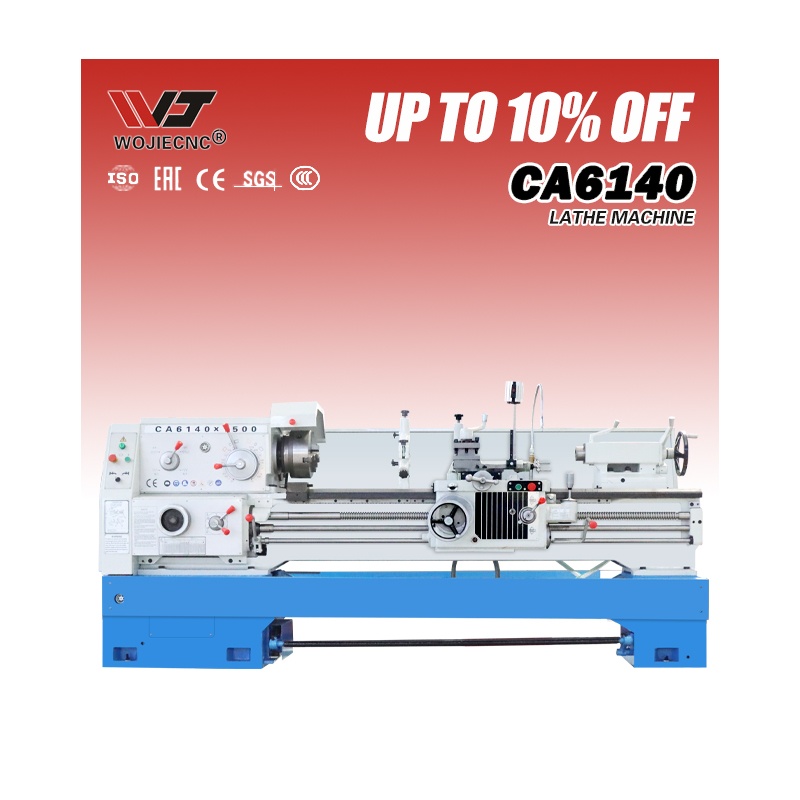
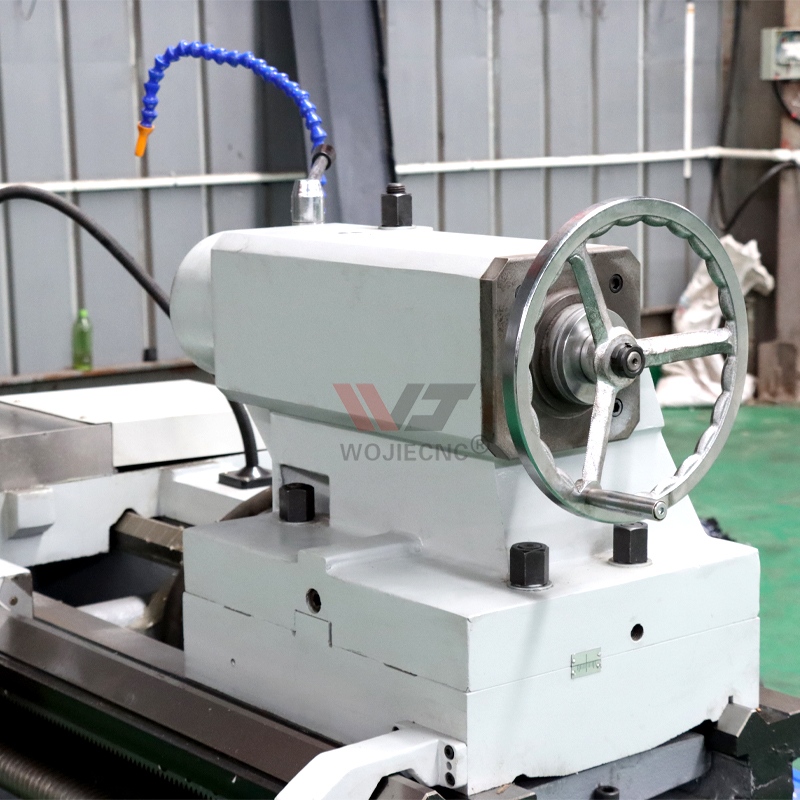
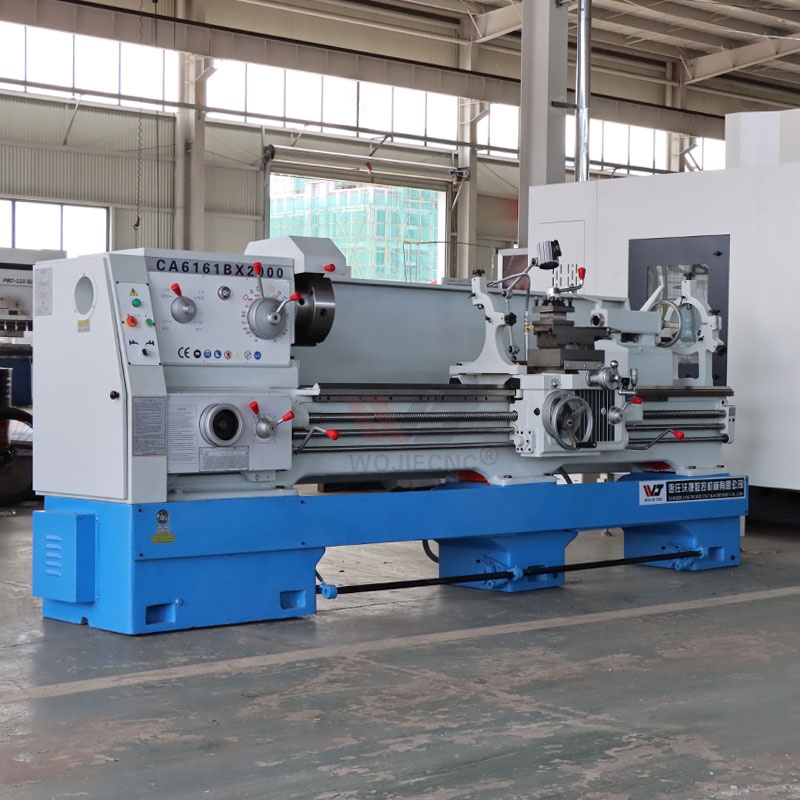
A metal turning lathe is a precision machine tool designed to shape metal workpieces by rotating them against a cutting tool. As one of the most fundamental pieces of equipment in modern manufacturing, the metal turning lathe removes material through controlled cutting, producing cylindrical, tapered, or threaded components with exceptional accuracy. Operators can perform a wide range of operations including facing, boring, knurling, grooving, and parting, making this machine indispensable across countless production environments. The core mechanism involves securing a workpiece in a chuck or between centers, then applying a hardened cutting tool to remove excess material as the spindle rotates at a programmed or manually set speed. Modern versions of the metal turning lathe incorporate advanced features such as digital readouts, variable speed drives, and CNC controls that allow operators to achieve tight dimensional tolerances with minimal effort. Key technological features include hardened and ground guideways for smooth carriage movement, powerful spindle motors for consistent torque output, and rigid cast-iron beds that absorb vibration during heavy cuts. These design elements collectively ensure that the metal turning lathe delivers repeatable results even under demanding production conditions. Applications span aerospace, automotive, oil and gas, medical device manufacturing, toolmaking, and general engineering workshops. Whether producing large-batch components or one-off custom parts, the metal turning lathe remains the go-to solution for machinists who require reliable, accurate, and versatile metal-shaping capability. Its combination of proven engineering principles and modern technological enhancements makes it an enduring cornerstone of metalworking worldwide.

 EN
EN